The digital landscape for professional photography has evolved significantly, moving away from simple image hosting toward sophisticated, high-performance web environments. For photographers, the choice of a content management system (CMS) theme is not merely a design decision; it is a critical technical infrastructure choice that dictates how visual assets are rendered, how fast a portfolio loads, and how effectively a business can monetize its creative work. As of 2024, WordPress remains the dominant platform for these portfolios, powering over 40% of the web, yet the disparity between a standard blogging theme and a specialized photography theme remains a primary concern for visual professionals.

The Technical Requirements of Modern Photography Portfolios
In an era where high-resolution imagery and 4K displays are standard, the primary bottleneck for photography websites is performance. Standard WordPress themes are often built with heavy CSS and JavaScript dependencies that prioritize text layout and sidebar widgets—elements that frequently obstruct visual storytelling. Data from web performance studies indicates that a delay of even one second in page load time can lead to a 7% reduction in conversion rates and a significant drop in user engagement. For photographers, this means that heavy, unoptimized themes directly correlate to lost client inquiries.
A professional-grade photography theme must address three core pillars: responsive image delivery, efficient gallery architecture, and intuitive user experience. Unlike standard layouts, specialized photography themes utilize advanced lazy-loading techniques, next-generation image formats (such as WebP or AVIF), and asynchronous loading to ensure that high-fidelity files do not compromise the site’s core web vitals.
A Comparative Analysis of Top-Tier WordPress Themes
The market currently offers a range of solutions tailored to different tiers of professional needs, from hobbyists requiring a simple gallery to full-scale photography studios managing print fulfillment and client proofing.
1. Sydney: The Efficiency-First Framework
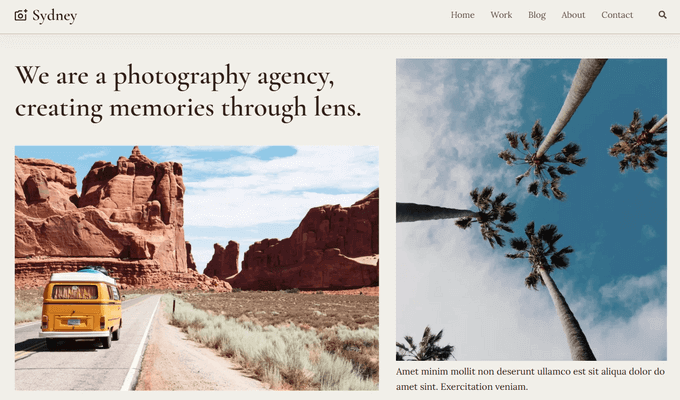
Sydney has emerged as a leader for photographers prioritizing speed. By maintaining a lean codebase, the theme consistently scores in the 95th percentile for Google PageSpeed insights. It offers a structured "starter site" approach, allowing users to import photography-specific layouts that include full-screen sliders and minimalist navigation. Its integration with Elementor provides a bridge for users who want design flexibility without the overhead of a complex, feature-bloated theme.
2. SeedProd: The Customization Powerhouse
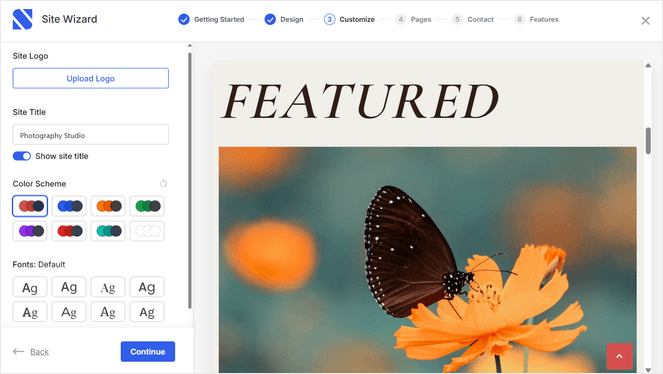
SeedProd represents a shift toward "no-code" development. By functioning as a theme builder rather than a traditional static theme, it allows for the construction of unique, bespoke layouts. Its primary advantage is its AI-assisted design engine, which reduces the development cycle from days to hours. For photographers, this means the ability to create dynamic, drag-and-drop portfolios that can be updated with seasonal collections without requiring a web developer.
3. Imagely: The Business Infrastructure Solution
For the professional studio, Imagely serves as an all-in-one ecosystem. It distinguishes itself by integrating specialized business tools—namely automated client proofing, print sales, and direct fulfillment with laboratories like White House Custom Colour (WHCC). By centralizing these operations within the WordPress dashboard, Imagely removes the need for fragmented third-party software subscriptions, thereby streamlining the workflow for photographers who derive a significant portion of their revenue from print sales.

4. Divi: Creative Control and Global Scalability
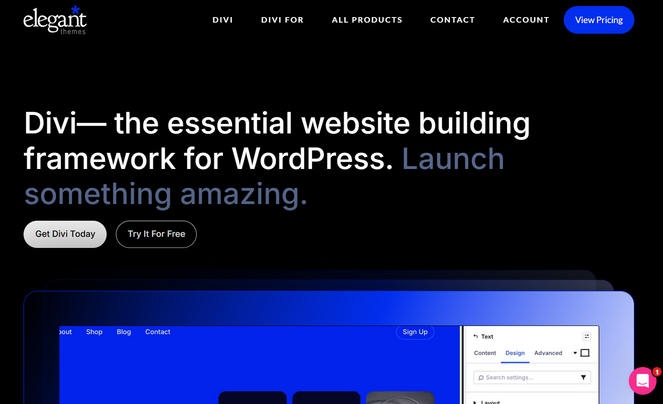
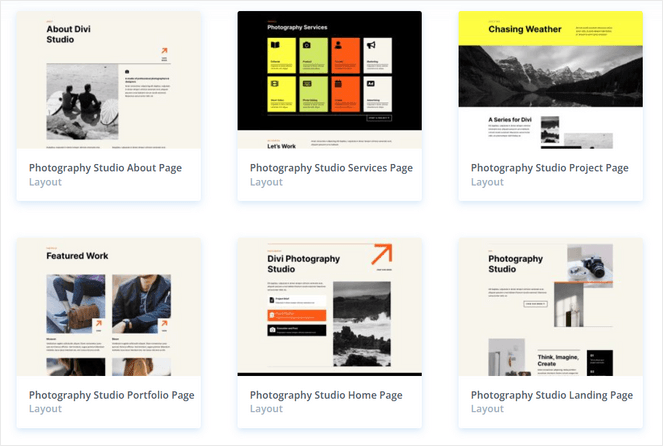
Divi, developed by Elegant Themes, remains a staple for those seeking total design autonomy. With its proprietary Visual Builder, photographers can manipulate every pixel, hover effect, and transition. While its extensive feature set can lead to slower loading times if not properly optimized with caching plugins, its ability to support global design changes across thousands of pages makes it the preferred choice for large-scale photography agencies with extensive archives.
5. Specialized Minimalist Themes: Border and Lense
Border and Lense occupy a niche for fine-art and fashion photographers. These themes reject the "clutter" of modern web design, focusing entirely on a full-bleed visual experience. They utilize sophisticated, non-standard grid layouts that prioritize the image as the primary content, rather than as a supplement to text.
Industry Context and Strategic Implications
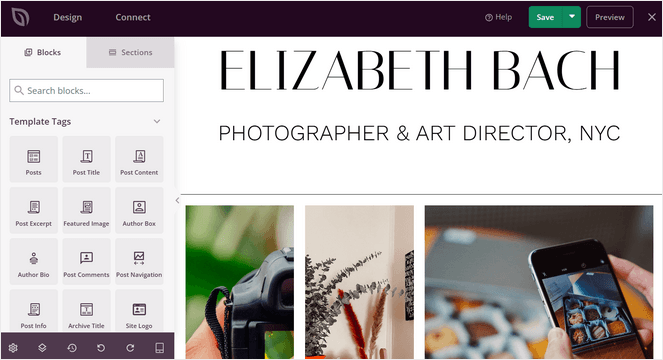
The rise of AI-driven website builders and integrated e-commerce features has fundamentally changed how photographers view their online presence. Five years ago, a photographer would need to integrate a third-party service like Pixieset or SmugMug for client galleries. Today, the convergence of these tools into the WordPress environment—facilitated by themes like Imagely and plugins like NextGEN Gallery—allows for a "unified workspace."
This transition has significant financial implications. By consolidating hosting, portfolio management, and sales fulfillment into a single platform, photographers can significantly reduce their overhead costs. Furthermore, keeping traffic on a primary domain—rather than redirecting to third-party subdomains—is essential for search engine optimization (SEO) and long-term brand authority.
Evaluation Criteria for Professional Selection
When selecting a theme, industry experts recommend that photographers prioritize the following technical metrics:
- Core Web Vitals Compatibility: The theme must support LCP (Largest Contentful Paint) and CLS (Cumulative Layout Shift) standards. If a theme causes significant layout shifts during image loading, it will be penalized by search algorithms.
- Scalability: A theme should support "Custom Post Types" for portfolios. This ensures that when a photographer eventually decides to migrate to a new theme, their body of work remains indexed and organized, preventing a catastrophic loss of metadata.
- Mobile-First Responsiveness: With mobile traffic accounting for over 55% of all global web traffic, a theme must adapt gracefully to smaller viewports. This includes touch-friendly navigation and gesture-supported image zooming.
- Extensibility: Compatibility with WooCommerce is non-negotiable for photographers who plan to sell digital assets or physical prints.
Future Outlook and Digital Presence
As the photography industry moves toward more immersive digital experiences, the role of the WordPress theme will continue to shift toward "experience architecture." We are seeing a trend toward themes that incorporate micro-interactions and scroll-triggered animations to guide the viewer’s eye through a portfolio.
However, the fundamental rule remains unchanged: the technology must be invisible. The best WordPress photography themes are those that provide a robust, invisible architecture, allowing the viewer to interact with the photographer’s vision without being reminded that they are navigating a website. For the modern professional, the investment in a high-quality, fast, and secure theme is the digital equivalent of investing in high-quality glass for a camera—it is the lens through which the world views their work.
In summary, the transition from a standard blog to a professional-grade photography site is a critical step in professionalization. Whether a photographer chooses the speed-focused framework of Sydney, the business-centric tools of Imagely, or the creative freedom of Divi, the core objective remains the same: presenting visual narratives with technical precision and professional reliability. As the web continues to prioritize speed and user experience, the photographers who adopt these specialized tools will inevitably find themselves better positioned to compete in an increasingly crowded visual market.