Apple’s September 9 "Surprise and shine" event served as a definitive declaration of the company’s pivot toward an AI-integrated ecosystem, headlined by the introduction of the Apple Watch Series 12 and the rugged Apple Watch Ultra 4. While the annual autumn gathering in Cupertino is historically reserved for iPhone iterations, this year’s spotlight shifted significantly toward wearable technology and the deep integration of Apple Intelligence. The new devices represent a shift from passive activity tracking to active, AI-driven health coaching and audio monitoring, raising significant questions regarding the intersection of personal privacy and biometric precision.
The Evolution of the Apple Health Ecosystem
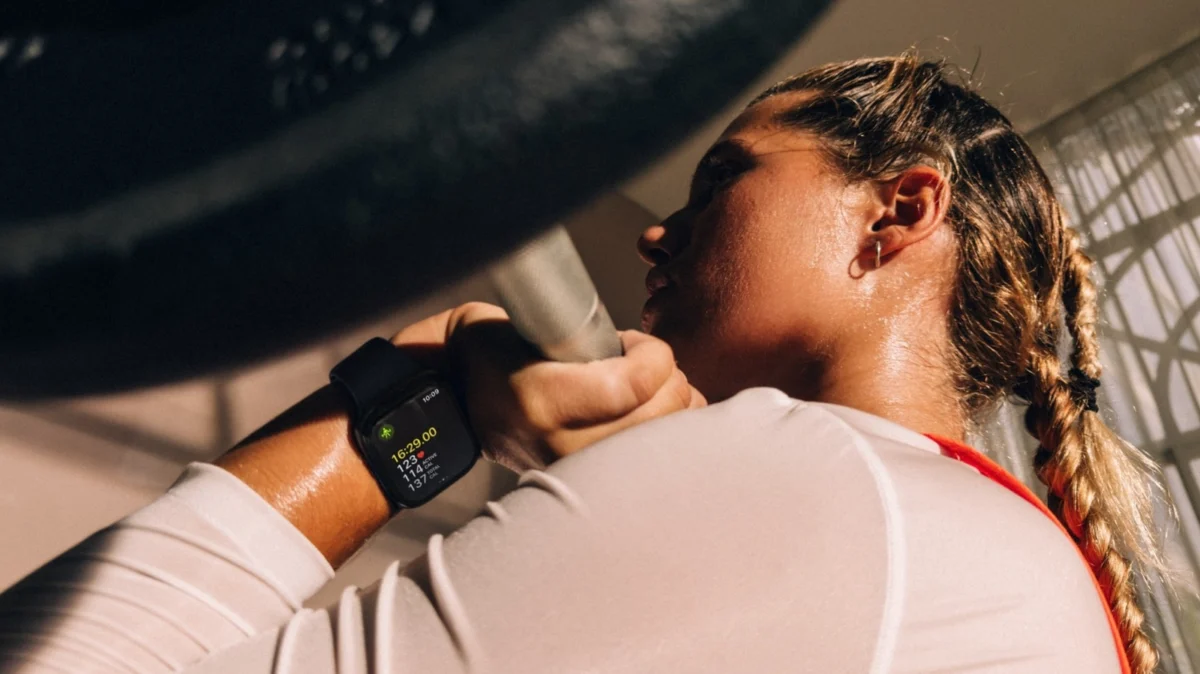
The Apple Watch Series 12 and Ultra 4 introduce what the company describes as a "Health Sensing System." This hardware architecture, supported by new neural processing capabilities, aims to redefine how users interact with their physiological data. Central to these updates are the "Readiness Reports," which synthesize metrics—such as heart rate variability, sleep quality, and respiratory patterns—into a single actionable score. This feature attempts to move beyond raw data presentation, offering users a predictive analysis of their body’s capacity to handle physical stress.
Historically, Apple’s health suite was a repository for static data. With the introduction of the "Insights" and "Longevity" tabs within the redesigned Health App, the platform is moving toward a long-term analytical model. By benchmarking individual data against age-stratified health metrics, the company is positioning the watch as a preventative healthcare tool rather than a mere fitness accessory. Furthermore, the integration of third-party lab testing, allowing users to schedule blood work and import clinical results directly into the Apple Health environment, suggests a broader strategy to bridge the gap between consumer wearables and clinical diagnostic data.
Chronology of AI Integration in Wearables
The path to this year’s announcements began several years ago, marking a transition from simple step counting to complex algorithmic health monitoring:
- 2015: The original Apple Watch introduces basic heart rate monitoring and activity tracking.
- 2018: Apple introduces the ECG app with the Series 4, marking the first move into clinical-grade health diagnostics.
- 2020: The introduction of Blood Oxygen monitoring signals an intent to capture more complex biological markers.
- 2023: Apple Intelligence is announced at WWDC, setting the stage for the generative AI features seen in today’s hardware.
- 2024: The September 9 "Surprise and shine" event unveils the integration of AI-driven conversational summaries and predictive health coaching.
Audio Intelligence and the Privacy Paradigm
Perhaps the most controversial development at the September 9 event is the introduction of "Audio Intelligence" features, specifically "Siri Recap" and "Live Rewind." These tools utilize the watch’s onboard microphone and processing power to monitor ambient conversations. Siri Recap is designed to generate summaries of meetings or casual discussions, while Live Rewind provides a text-based buffer of the previous 15 seconds of audio input.
From a technological standpoint, these features represent a significant achievement in real-time edge computing. However, the prospect of an "always-on" listening device, even one that processes data locally, has sparked immediate dialogue regarding digital boundaries. While Apple maintains that these processes are localized to the device and encrypted, privacy advocates note that the mere presence of the capability alters the social dynamic of human interaction. The reliance on AI to interpret and summarize human dialogue poses a fundamental question: at what point does technological assistance begin to atrophy human interpersonal skills?
Analytical Implications: The Cost of Connectivity
The medical community has expressed cautious optimism regarding the increased accuracy of heart rate tracking in the new models. Data suggests that as biometric accuracy improves, the potential for early detection of conditions like atrial fibrillation increases. However, some healthcare professionals warn of the "worried well"—a phenomenon where healthy individuals develop health-related anxiety due to the constant, hyper-detailed monitoring of their own biological data.
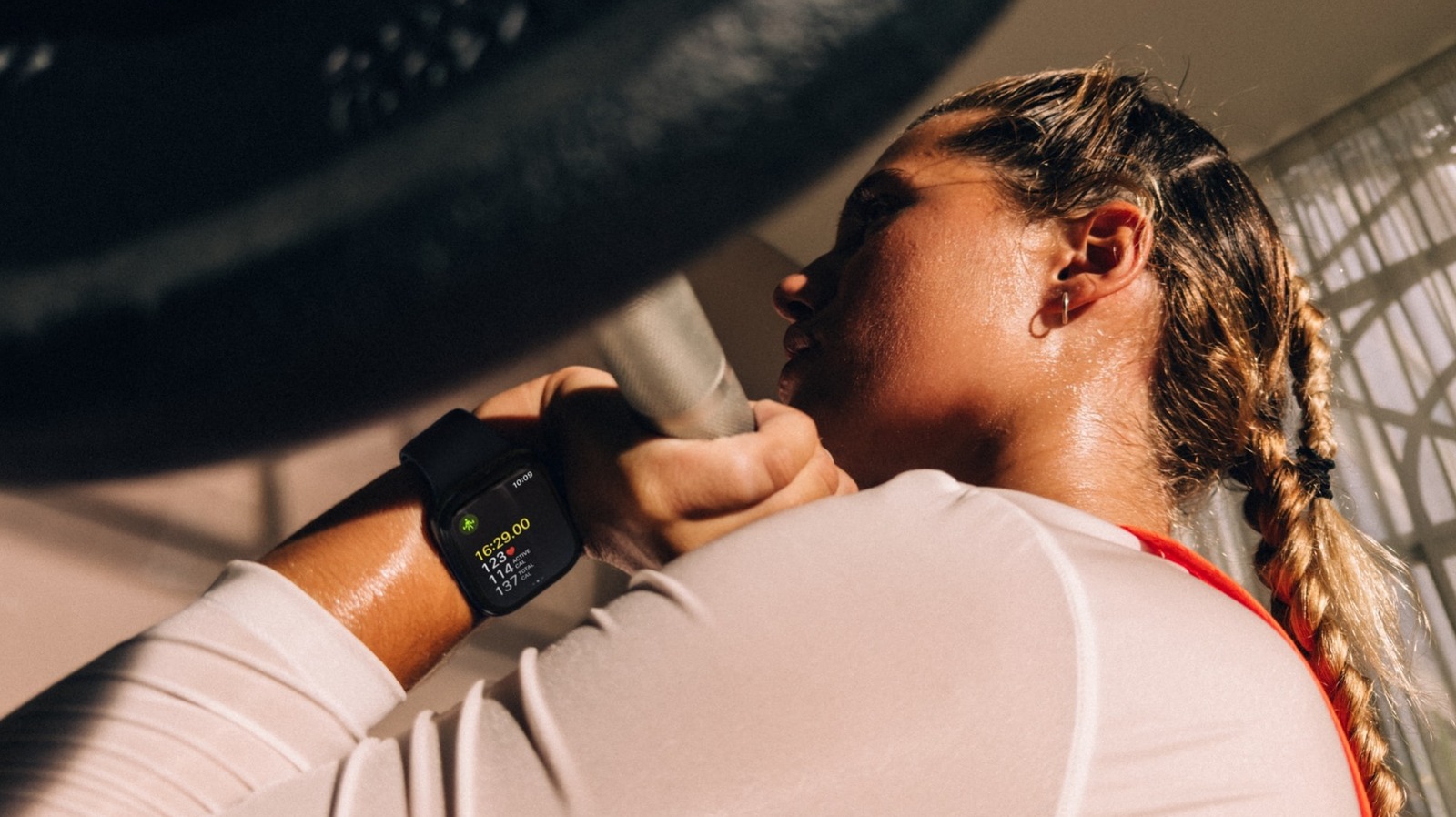
A 2023 study published in the Journal of Medical Internet Research highlighted that while wearable tech encourages physical activity, it can also lead to orthosomnia—an obsession with achieving perfect sleep data—and increased levels of cortisol associated with "data fatigue." By providing users with "Readiness Reports" that explicitly advise against physical activity, Apple is assuming a role traditionally held by a physician or a certified trainer. This shift requires users to maintain a high degree of digital literacy to properly contextualize their own health metrics.
Industry and Regulatory Context
Apple is not operating in a vacuum. Competitors such as Garmin, Oura, and Samsung have also doubled down on AI-driven health insights, creating a competitive race to provide the most "human-centric" data. However, Apple’s unique advantage lies in its closed-loop ecosystem. By integrating hardware, software, and now clinical lab services, Apple is building a comprehensive health profile that is difficult for a user to abandon once established.
Regulatory bodies, including the FDA, have historically taken a measured approach to these devices. While Apple has successfully cleared several features as Class II medical devices, the inclusion of AI-generated health advice adds a new layer of complexity. If an AI model provides a recommendation that leads to a negative health outcome, the liability framework remains largely undefined. As of September 2024, the legal landscape surrounding AI-generated medical advice is still in its infancy, with many jurisdictions currently debating the extent to which manufacturers should be held accountable for the outputs of their generative models.
Societal Shifts and the Minimalist Counter-Movement
The announcement of these highly connected features arrives at a peculiar time in consumer technology. There is a burgeoning "minimalist" movement, with a rising number of consumers opting for "dumb phones" or screen-free devices to combat the documented effects of chronic digital connectivity. The Apple Watch Series 12 and Ultra 4 effectively push the opposite agenda: the total integration of the digital into the physical.
For the power user, these features represent a pinnacle of productivity and health management. For others, they may represent an unnecessary layer of noise. The success of these products will ultimately depend on whether users find the AI-driven summaries and health alerts genuinely transformative or merely additional tasks to manage.
Moving Forward
As Apple begins shipping these devices, the long-term impact will be measured in user retention and clinical outcomes. The company has banked heavily on the idea that users want a device that knows them better than they know themselves. Whether the public is ready to embrace this level of automated self-awareness remains to be seen. The hardware is undeniably powerful, but the true test will be how the average consumer navigates the boundary between using technology to enhance life and allowing technology to dictate the rhythm of that life.
The integration of Apple Intelligence into the daily wearable experience is not just a hardware upgrade; it is a fundamental shift in how we perceive the role of our devices. As these features move from the presentation stage to the wrists of millions, the debate over the necessity and the intrusion of these tools will undoubtedly define the next era of wearable technology.