
The digital publishing landscape is currently undergoing a significant transformation as email newsletters evolve from simple marketing appendages into primary revenue-generating assets. At the forefront of this shift are two dominant Email Service Providers (ESPs): Beehiiv and ConvertKit. While the former is a relative newcomer designed with the "newsletter-first" philosophy of modern media companies, the latter is an established industry titan focused on the automation needs of professional creators and e-commerce entrepreneurs. For digital publishers managing diverse portfolios, the choice between these platforms is no longer a matter of simple preference but a strategic decision dictated by niche value, subscriber volume, and monetization goals.

The Evolution of Email Marketing Technology
To understand the current rivalry between Beehiiv and ConvertKit, one must look at the chronology of the email marketing industry. For over a decade, platforms like AWeber, Mailchimp, and GetResponse dominated the market, focusing largely on small business retail and basic RSS-to-email functions. However, as the "creator economy" began to surge in the mid-2010s, ConvertKit, founded in 2013 by Nathan Barry, identified a gap in the market for creators who needed robust automation and subscriber segmenting without the complexity of enterprise-level software like Infusionsoft.
The landscape shifted again in 2021 with the launch of Beehiiv. Founded by former employees of Morning Brew—a newsletter that famously scaled to millions of subscribers and a multi-million dollar acquisition—Beehiiv was built specifically to replicate the internal tools used by elite media brands. This historical context explains the fundamental divergence in their product philosophies: ConvertKit is built for the "Marketing Creator," while Beehiiv is built for the "Media Publisher."

Comparative Cost Structures and Scalability
One of the most critical factors for digital publishers is the long-term cost of subscriber growth. Data indicates a stark contrast in how these two platforms handle high-volume lists. Beehiiv has gained significant market share by offering a flat-rate pricing model that remains highly competitive even as lists grow toward the six-figure mark. For instance, a publisher with 47,000 subscribers can utilize Beehiiv’s full suite of professional tools for approximately $99 per month.
In contrast, ConvertKit employs a more traditional tiered pricing structure based on subscriber count. For a comparable list of 19,000 subscribers, a user might pay upwards of $279 per month on a professional plan. This price discrepancy becomes even more pronounced as the list size increases. For publishers operating in "low value per subscriber" niches—such as lifestyle, hobbies, or general news—where revenue is primarily driven by site traffic and programmatic ads, the high overhead of ConvertKit can become a bottleneck to profitability. Conversely, for "high value" niches like Business-to-Business (B2B) or specialized financial services, the premium cost of ConvertKit is often justified by its superior conversion tools.

Editorial Experience and Content Curation
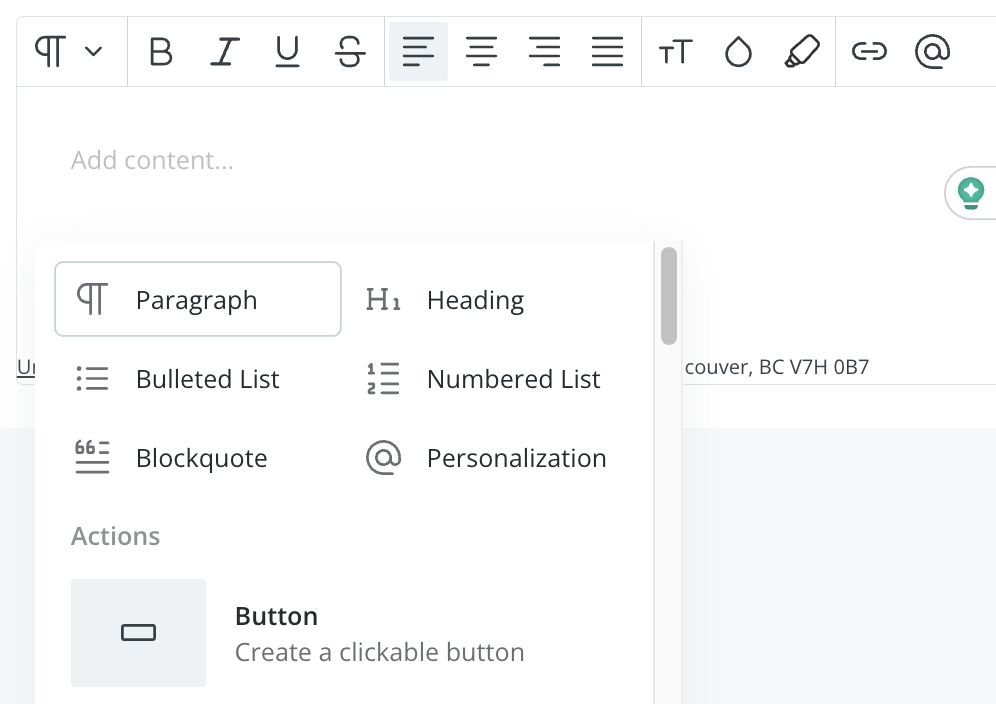
The editorial interface serves as the primary workspace for newsletter operators, and here, the platforms offer vastly different experiences. Beehiiv’s editor is frequently cited for its modern, intuitive design. A standout feature for content curators is the "URL embed" function. When a publisher pastes a link into the Beehiiv editor, the system automatically fetches the featured image, headline, and meta-description, formatting it into a professional-looking "card" within the email. This functionality significantly reduces the production time for curated newsletters, which are a staple of modern digital media.
ConvertKit’s editor, while functional, maintains a more minimalist approach. It has faced criticism from some long-term users for its lack of basic modern features, such as a robust "undo" function, which can lead to significant workflow disruptions. However, ConvertKit’s philosophy leans toward plain-text-style emails, which industry data suggests often result in higher deliverability and better personal engagement for individual creators.

Automation, Segmenting, and Third-Party Integrations
Where ConvertKit maintains a decisive lead is in the realm of complex automations and integrations. For publishers who sell products, courses, or memberships, the ability to "tag" and "segment" users based on specific behaviors is paramount. ConvertKit offers a visual automation builder that is widely considered the gold standard for mid-market ESPs. It integrates directly with a vast ecosystem of third-party software, including Teachable, Shopify, and ConvertBox.
Beehiiv’s automation capabilities, while growing, are currently less robust. While it offers basic sequencing, it lacks the deep, direct integration library that ConvertKit has spent a decade building. Publishers on Beehiiv often have to rely on third-party "bridge" tools like Zapier or Integrately to connect their email list to other business software. This adds both cost and technical complexity, as "broken zaps" can lead to data loss or missed marketing opportunities.

Monetization Ecosystems and Revenue Streams
Both platforms have recognized that helping users make money is the best way to ensure retention. However, they approach monetization from different angles:
Beehiiv’s Native Ad Network
Beehiiv has pioneered a built-in sponsorship program. By acting as an ad agency for its users, Beehiiv connects publishers with sponsors. Users are often paid on a "per-click" basis, with some publishers reporting rates around $1.00 per click. Additionally, Beehiiv offers "Boosts," a feature where publishers can earn money by recommending other newsletters to their new subscribers on a cost-per-acquisition (CPA) basis.

ConvertKit’s Creator Network and Commerce
ConvertKit focuses on the "Creator Network," a peer-to-peer recommendation system where creators can partner with one another to grow their lists. While it lacks a native "ad network" in the same vein as Beehiiv, it provides built-in "Tip Jars" and a native commerce platform that allows creators to sell digital products directly through their emails with minimal setup. For publishers who prefer a "quid pro quo" growth model over a paid ad model, ConvertKit’s network is highly effective.
Reporting and Analytics
In the age of data-driven publishing, the ability to analyze subscriber behavior is non-negotiable. Both platforms provide comprehensive reporting on open rates, click-through rates (CTR), and subscriber growth over time.
Beehiiv’s reporting dashboard is often described as "snazzier," offering visual heatmaps of where users are clicking within an email. ConvertKit provides a more streamlined, data-heavy view that focuses on the lifetime value of a subscriber and the performance of specific automation funnels. Industry analysts suggest that while both provide the necessary metrics for success, Beehiiv’s interface is more aligned with the needs of a growth hacker, whereas ConvertKit is built for the analytical marketer.
Industry Implications: Which Platform Wins?
The competition between Beehiiv and ConvertKit represents a broader trend in the software-as-a-service (SaaS) industry: the move toward vertical integration. Beehiiv is attempting to be an all-in-one "media company in a box," handling everything from the website hosting of the newsletter archives to the ad sales and referral programs. ConvertKit is positioning itself as the central nervous system of a creator’s business, focusing on the flow of data between various sales and marketing tools.

For the independent publisher, the decision rests on the business model:
- The Case for Beehiiv: If the goal is to build a high-volume, ad-supported media brand with multiple publications and a focus on content curation, Beehiiv’s cost structure and editorial tools make it the superior choice.
- The Case for ConvertKit: If the goal is to sell high-ticket products or services through complex sales funnels that require surgical precision in segmenting and third-party software integration, ConvertKit remains the industry leader.
Conclusion
As the newsletter industry continues to mature, the distinction between these two platforms will likely become even more pronounced. Beehiiv’s rapid innovation in growth tools and its aggressive pricing are forcing the entire industry to rethink the value of an email subscriber. Meanwhile, ConvertKit’s deep-rooted ecosystem and focus on the professional creator’s workflow provide a level of stability and power that is difficult for newcomers to replicate. For the savvy digital publisher, the most effective strategy may not be choosing one over the other, but rather utilizing each platform for the specific niche and business model it was designed to serve. Regardless of the choice, the real winner in this competition is the creator, who now has access to enterprise-grade tools that were once the exclusive domain of billion-dollar media conglomerates.