
The automotive landscape of the 1980s was a vibrant tapestry of innovation, economic shifts, and evolving consumer preferences. While some vehicles from this era have ascended to the status of coveted classics, meticulously restored and celebrated for their design, engineering, or performance, a significant number of once-ubiquitous models have seemingly vanished from our roads. These are not the Ferraris, Porsches, or classic muscle cars that command attention at auctions and enthusiast gatherings. Instead, they are the everyday workhorses, the family sedans, and the budget-friendly commuters that populated driveways and parking lots in staggering numbers. Their disappearance is a testament to the disposable nature of some automotive designs, the harsh realities of vehicle longevity, and the relentless march of progress. This article delves into the reasons behind the vanishing act of several iconic 1980s vehicles, exploring their initial popularity and the factors that led to their near-extinction.

The Ephemeral Nature of Automotive Popularity
The 1980s witnessed a significant transformation in the automotive industry. Driven by global competition, rising fuel prices, and a demand for more fuel-efficient and technologically advanced vehicles, manufacturers introduced a wave of new models. For many consumers, particularly those with budget constraints, the allure of affordability and practicality often trumped long-term durability or classic appeal. Cars that were once considered essential for daily life, whether for commuting, family transport, or as a first vehicle for young drivers, have, over time, succumbed to a variety of fates. These include extensive wear and tear, the corrosive effects of road salt in certain climates, participation in demolition derbies, or simply being driven until they were no longer economically viable to repair. The sheer volume of some models produced meant that even a low attrition rate per vehicle could lead to a dramatic overall reduction in numbers.
Hyundai Excel: The Affordable Invasion
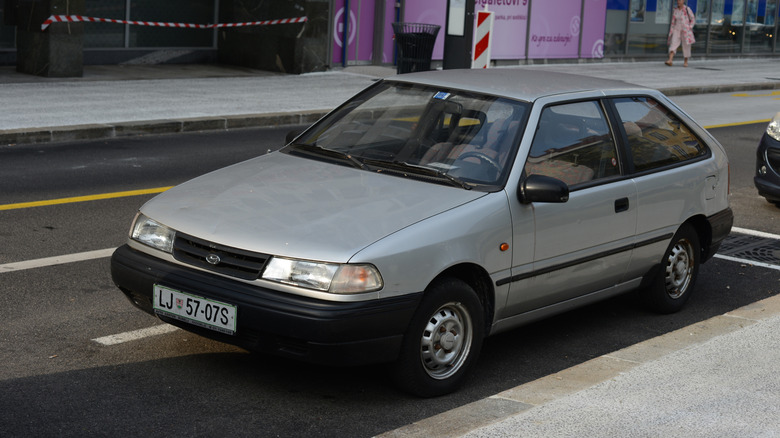
When Hyundai launched the Excel in North America in 1986, it represented a bold entry into a market dominated by established players. Originating from a conglomerate with roots in construction, Hyundai’s foray into automotive manufacturing was relatively recent, yet the Excel quickly made its mark. Priced at a mere $4,995, it was the second-cheapest car available, trailing only the Yugo in affordability. This aggressive pricing, coupled with a surprisingly competent package for its cost, led to unprecedented sales figures. In its debut year, Hyundai sold 169,000 Excels, a number that swelled to over 250,000 in the following year. By the turn of the decade, nearly one million Excels had been registered on American roads, serving as practical and economical transportation for a vast segment of the population.

The Excel was available in various configurations, including two- and four-door hatchbacks and sedans, making it a versatile choice for individuals and families alike. It became a common sight as a grocery-getter, a student’s first car, or a daily commuter. Despite its production run extending until 1994, and even more units sold after the 1980s concluded, finding an Excel on the road today is an exceptionally rare occurrence. The primary reason for this scarcity can be attributed to its design philosophy of disposability. As one of the most affordable options, the Excel was not built with the intention of becoming a long-lasting classic. Many were driven until they reached their mechanical limits, often without significant investment in maintenance or repair. Furthermore, younger drivers, for whom the Excel was a common first car, were more prone to accidents, leading to a higher rate of attrition. The corrosive impact of road salt in winter climates also took a heavy toll on the car’s body and undercarriage, accelerating its demise. For many owners, when repairs became too costly, the Excel was simply retired, its fate sealed in junkyards or scrap heaps, rather than being preserved for future generations. The rarity of surviving examples is so pronounced that spotting one often prompts excited posts on enthusiast forums, akin to discovering a rare artifact.
Chevrolet Citation: A Troubled Debut
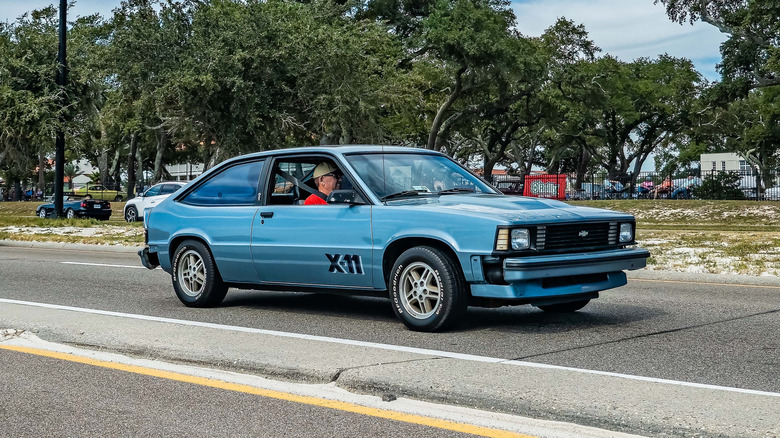
The Chevrolet Citation, a key component of Chevrolet’s X-body strategy aimed at challenging the growing dominance of front-wheel-drive imports, enjoyed an initial surge in popularity. Launched in 1979 for the 1980 model year, it was met with overwhelming demand, selling over 800,000 units in its first year alone. Its innovative (for the time) front-wheel-drive layout and compact size made it an attractive proposition in a rapidly changing automotive market. Alongside its corporate siblings – the Buick Skylark, Pontiac Phoenix, and Oldsmobile Omega – the Citation represented a significant shift in American automotive design.
However, the Citation’s reign was short-lived and marred by significant mechanical issues and widespread recalls. Owners began reporting a litany of problems, including premature brake wear and failures, defective hoses, and power steering malfunctions. These issues led to a series of National Highway Traffic Safety Administration (NHTSA) investigations and recalls. The public’s confidence in the vehicle eroded rapidly, and sales plummeted from their initial highs. Despite the significant number of vehicles produced, the Citation’s reputation for unreliability and its propensity for mechanical failures meant that many were retired prematurely. The extensive recall record, coupled with the inherent weaknesses in its design, contributed to a high rate of vehicles ending up in scrapyards. While its production numbers were substantial, the engineering flaws and the subsequent damage to its reputation meant that the Citation, despite its initial success, became a cautionary tale in automotive manufacturing. Today, encountering a functioning Chevrolet Citation is an event that often draws attention from automotive enthusiasts, a stark contrast to its once ubiquitous presence.
Honda CR-X: The Lightweight Sports Car’s Fate
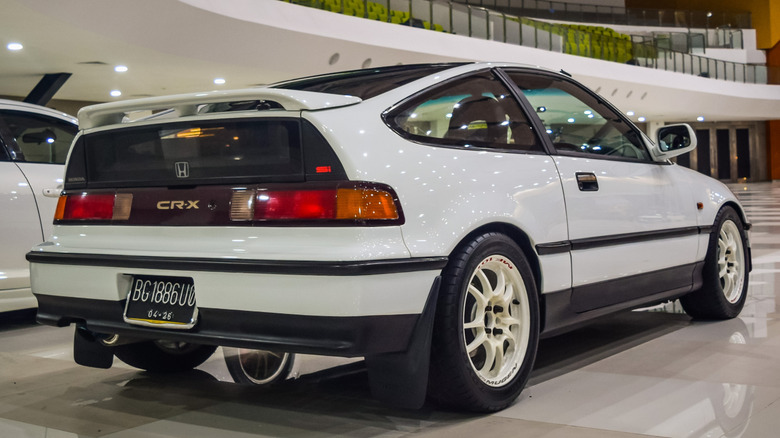
The Honda CR-X, produced between 1984 and 1991, carved out a significant niche as an affordable, lightweight, and sporty hatchback. It appealed to a younger demographic and enthusiasts who appreciated its nimble handling and energetic performance, especially in its Si variants which featured Honda’s advanced VTEC engine technology in later iterations. Weighing in at around 1,800 pounds and boasting a spirited 150 horsepower from its high-revving engine, the CR-X offered a compelling driving experience that punched above its weight class. Honda sold approximately 220,000 units by 1987, and the model continued into a second generation, solidifying its place in Honda’s performance lineage. The CR-X also served as a precursor to later Honda performance models and even spawned the targa-topped Del Sol.
Despite its enduring appeal among enthusiasts and its historical significance in Honda’s performance development, the CR-X is a rare sight on today’s roads. Several factors contribute to its scarcity. The CR-X was often a target for modifications by amateur enthusiasts, many of whom pushed the vehicles beyond their intended limits or performed modifications that compromised their structural integrity or mechanical reliability. Furthermore, the CR-X, like many cars of its era, was susceptible to rust. Poor drainage channels in the body design often led to moisture accumulation, exacerbating corrosion over time, particularly in regions with harsh winters. This rust damage, combined with the wear and tear from spirited driving, meant that many CR-Xs eventually became unsafe to operate. The romanticized image of the CR-X as a street racer often led to them meeting untimely ends, whether through mechanical failure, severe accidents, or simply deteriorating beyond repair. While dedicated enthusiasts continue to preserve and restore these vehicles, their numbers have dwindled considerably from their initial prevalence.
Oldsmobile Cutlass: A G-Body Icon’s Decline
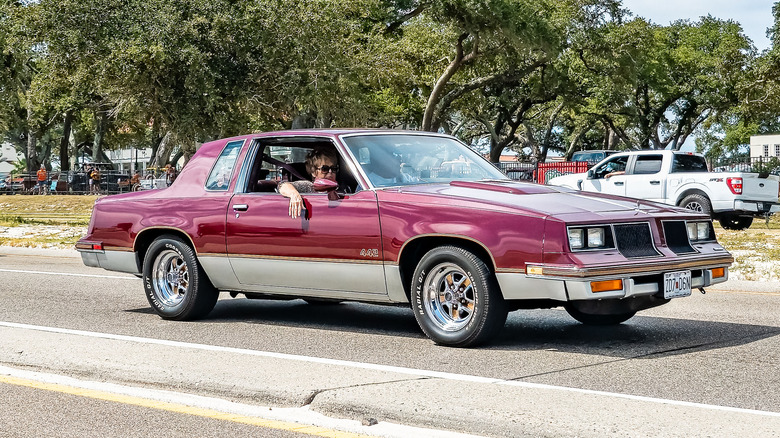
The Oldsmobile Cutlass, a cornerstone of General Motors’ G-body platform, was one of the most popular and enduring nameplates of the 1980s. Oldsmobile, one of America’s oldest automotive brands, produced millions of Cutlass models in various two-door and four-door hardtop and convertible styles. In the 1980s, the Cutlass represented a blend of comfortable cruising and distinctive styling, embodying the era’s automotive aesthetic with its boxy dimensions and stately presence. The G-body platform also underpinned other popular GM models, including the Chevrolet Malibu and Monte Carlo, Buick Regal, Pontiac LeMans, and Oldsmobile’s own other G-body variants.
With production figures in the millions during the 1980s alone, one might expect a significant number of Cutlass models to still be on the road. However, the passage of time and the inherent vulnerabilities of vehicles from this era have taken their toll. While rust, accidents, and general wear and tear are common culprits for any aging vehicle, the Oldsmobile Cutlass faced additional challenges. The G-body platform, while popular, was also a favored choice for demolition derby participants. The robust nature of these cars made them ideal candidates for the rough-and-tumble world of wrecking yard competitions, significantly reducing their survivability. While the Cutlass is increasingly being recognized for its classic potential, finding a well-preserved example requires considerable effort. The combination of extensive production, the appeal to demolition derby enthusiasts, and the typical factors of automotive aging has made surviving 1980s Cutlass models a relatively rare sight compared to their once-ubiquitous status.
Ford Tempo: The Ubiquitous Commuter’s Disappearance
The Ford Tempo, produced from 1984 to 1994, was a quintessential commuter car of its time, serving as the reliable, if unexciting, transport for millions of Americans. It was a common sight as a first car for young drivers, a family’s dependable sedan, or a fleet vehicle for businesses. With a production run of 2.7 million units over a decade, the Tempo was undeniably one of the most prevalent vehicles on American roads. Its practicality and affordability made it a sensible choice for a vast segment of the car-buying public.
Despite its sheer numbers and a decade-long production career, the Ford Tempo is now rarely encountered. Several factors contributed to its rapid decline in numbers. The Tempo was plagued by recurring mechanical and safety issues throughout its lifespan. Even by its final model year in 1994, common problems persisted, including head gasket failures, ignition module malfunctions, and significant issues with its transaxle system. These persistent problems often led owners to abandon the vehicles rather than invest in costly repairs. Furthermore, the Tempo’s performance was decidedly uninspired; its leisurely 12-second 0-to-60 mph acceleration time did little to encourage enthusiasts to tinker with or preserve the vehicles. Coupled with the pervasive issue of rust, which afflicted many cars of the era, and the inherent blandness of its design, the Tempo quickly became a relic of the past. For a car that once dominated roadways in such vast quantities, its near-disappearance is a testament to the challenges of long-term automotive survival, especially when faced with design flaws and a lack of inherent collectibility. The sheer volume produced ironically amplified the impact of its obsolescence, as millions of Tempos were systematically retired and scrapped, leaving only a handful of survivors to be found in the present day.