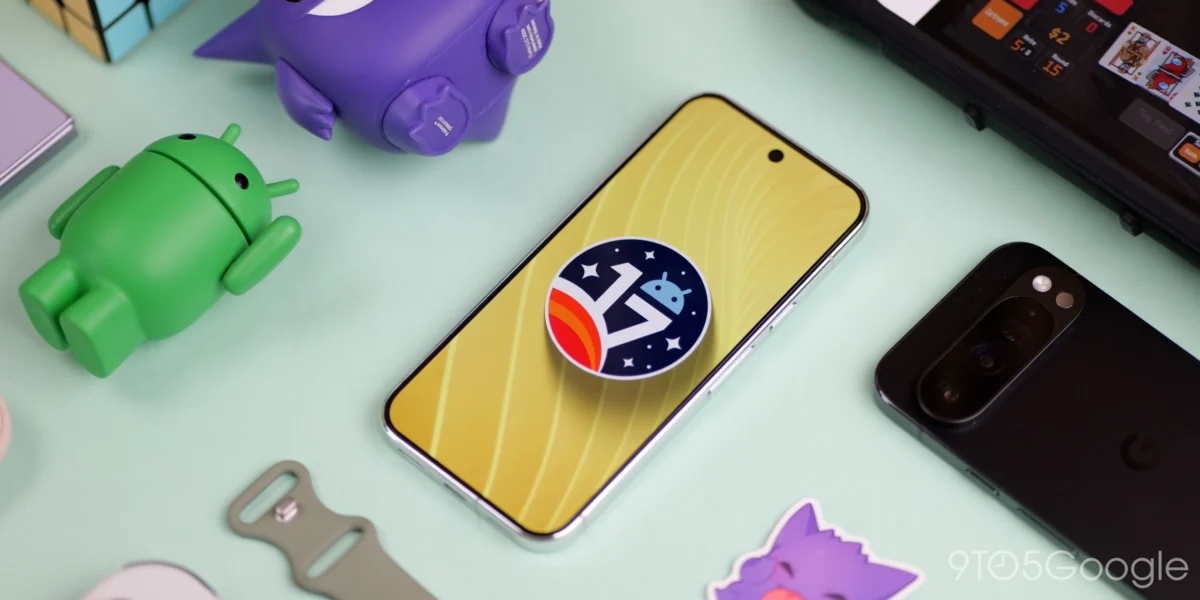
The release of Android 17 QPR3 Beta 4 marks a significant milestone in Google’s iterative software development cycle for its Pixel hardware ecosystem. Following the recent transition to the stable build of QPR2, this latest beta release serves as a critical bridge, allowing developers and enthusiasts to stress-test the final refinements scheduled for the upcoming Quarterly Platform Release. As Google continues its commitment to a robust, monthly update cadence, this beta build provides a window into the stability improvements and bug fixes that will ultimately define the final user experience for millions of Pixel owners worldwide.
Understanding the Quarterly Platform Release (QPR) Lifecycle
Google’s Android development model is structured around a predictable cycle of major annual platform upgrades and interim Quarterly Platform Releases (QPRs). These QPRs are designed to introduce functional improvements, feature drops, and critical security patches between the major version releases. By distributing these updates through a public beta program, Google utilizes crowdsourced feedback to identify edge-case hardware conflicts and software regressions that might otherwise escape internal testing environments.
The progression from QPR1 to QPR3 is essentially a refinement process. While the initial QPR releases often focus on introducing new features, the latter stages, such as the current Beta 4 of QPR3, are heavily prioritized toward system optimization, memory management, and stability. This specific release arrives shortly after the stable deployment of QPR2, ensuring that the software pipeline remains active and that users enrolled in the beta program have continuous access to the latest security mitigations.
Supported Hardware and Accessibility
The scope of support for this beta remains exceptionally broad, covering a vast array of Google’s hardware portfolio. The inclusion of such a wide range of devices—from the aging but still capable Pixel 6a to the cutting-edge Pixel 11 series—demonstrates Google’s long-term support strategy.
The list of supported devices receiving the OTA (Over-the-Air) update includes:
- Pixel 6 Series: Pixel 6a
- Pixel 7 Series: Pixel 7, Pixel 7 Pro, Pixel 7a
- Pixel 8 Series: Pixel 8, Pixel 8 Pro, Pixel 8a
- Pixel 9 Series: Pixel 9, Pixel 9 Pro, Pixel 9 Pro XL, Pixel 9 Pro Fold, Pixel 9a
- Pixel 10 Series: Pixel 10, Pixel 10 Pro, Pixel 10 Pro XL, Pixel 10 Pro Fold, Pixel 10a
- Pixel 11 Series: Pixel 11, Pixel 11 Pro, Pixel 11 Pro XL, Pixel 11 Pro Fold
- Tablets: Pixel Tablet
- Foldables: Pixel Fold
This inclusive approach allows Google to gather telemetry data across diverse chipsets, varying amounts of RAM, and different form factors, which is essential for maintaining the consistency of the Android experience across the fragmented landscape of modern smartphones.
The Beta Feedback Loop
The integrity of the Android 17 development process relies heavily on the Android Beta Feedback application. This tool, pre-installed on all enrolled Pixel devices, provides a direct pipeline for users to report system crashes, UI glitches, and battery drain issues directly to Google’s engineering teams.
For power users, the feedback process is more than just a reporting mechanism; it is a collaborative effort. By leveraging the internal issue tracker, Google engineers can triage reported bugs based on their severity and frequency. Furthermore, the Android Beta community on platforms such as Reddit serves as a secondary, community-led support network. This decentralized approach to quality assurance ensures that even if a specific bug is not captured by automated telemetry, it is likely to be documented by the vocal and technically proficient beta-testing community.
Technical Implications and System Stability
The transition to Beta 4 generally signals that the software is nearing its "platform stability" phase. At this juncture, the focus shifts away from architectural changes and toward "polish." Engineers are tasked with resolving remaining memory leaks, ensuring that background processes are not consuming excessive CPU cycles, and verifying that the kernel-level security patches are correctly applied across all device architectures.
From a technical perspective, QPR3 is expected to address several lingering issues that may have persisted through the earlier beta builds. While specific changelogs are often brief, they represent hundreds of hours of debugging. For the end-user, this manifests as a smoother interface, improved thermal management during high-intensity tasks, and better battery efficiency during standby modes.
The Broader Impact of Android 17 Evolution
Android 17 represents a significant iteration of the operating system, focusing heavily on AI-integrated background tasks and enhanced hardware-software synergy. By iterating through QPRs, Google is effectively refining the "Gemini" integration within the OS, ensuring that the system can handle on-device machine learning requests without compromising user privacy or system performance.
The release of QPR3 also serves as a testing ground for future Android versions. Features that are introduced and stabilized during the QPR cycle are often the precursors to the foundational changes planned for the next major Android version (Android 18). Consequently, the stability of this beta is of paramount importance to the future development of the Android ecosystem as a whole.
How to Engage with the Beta Program
For those wishing to participate in the Android 17 QPR3 testing, the process remains streamlined through the official Android Beta Program portal. Users can register their devices, after which they will receive an OTA update that transitions their handset from the stable build to the latest beta branch.

It is, however, important to reiterate the risks inherent in beta software. While Google strives for stability, these builds are, by definition, unfinished. They may contain bugs that affect core functionality, such as cellular connectivity, Bluetooth stability, or application compatibility. For the average user, the stable release is recommended; for those who choose to enroll, a full backup of personal data is strongly advised before initiating the update process.
Future Outlook and Conclusion
As we move closer to the final release of QPR3, the industry will be watching closely to see how Google balances the introduction of new features with the necessity of maintaining a stable, performant OS. The rapid cadence of these releases—often coming just weeks apart—highlights the agility of the Android engineering teams.
The continued commitment to the Pixel 11 series alongside legacy devices like the Pixel 6a underscores a shift in mobile hardware longevity. Google is clearly positioning the Pixel ecosystem as a premium, long-term product. By keeping the software updated, patched, and optimized through these regular beta and stable cycles, the company is attempting to extend the utility of its hardware, thereby increasing the value proposition for the consumer.
As Android 17 QPR3 enters its final stages, the focus will soon shift toward the public release and the subsequent cycle. For now, users enrolled in the beta program have the opportunity to experience the latest optimizations firsthand, contributing to the overall maturity of the platform. The feedback provided in these final weeks will be instrumental in ensuring that when QPR3 finally reaches the general public, it does so as a reliable and refined iteration of one of the world’s most widely used operating systems.
This ongoing process of testing, refining, and releasing is the heartbeat of Android development. It is a testament to the scale of the platform that Google can manage such a comprehensive testing program across so many distinct devices, ensuring that the Android experience remains consistent, secure, and cutting-edge for all users, regardless of which Pixel device they call their own. As developers continue to build upon this foundation, the insights gained from this beta cycle will undoubtedly influence the trajectory of mobile computing for the foreseeable future.