The production of comprehensive analytical reports concerning the shifting landscape of American democracy requires a meticulous, multi-disciplinary approach. This report, which explores the intersections of electoral behavior, race, and ethnicity, was the result of a collaborative effort involving senior researchers, demographers, and editorial specialists at the Pew Research Center. The primary authors include Dalia Fahmy, senior writer and editor, whose expertise in political narrative building shaped the core analysis; Alexandra Cahn, a research assistant responsible for the rigorous gathering of demographic datasets; and Jeffrey S. Passel, a senior demographer whose longitudinal studies on population shifts provide the essential framework for understanding modern voting blocs. The project was under the editorial direction of Mark Hugo Lopez, the center’s director of race and ethnicity research, ensuring that the findings met the highest standards of objective inquiry and methodological integrity.
The Methodology of Institutional Research
In the modern media environment, the validity of data-driven journalism rests upon the strength of its internal review processes. The coordination of this report involved a sophisticated communication strategy managed by Tanya Arditi, senior communications manager, with critical logistical support from Maya Pottiger. This team served as the bridge between the complex quantitative data produced by the researchers and the broader public dissemination necessary for policy discourse.
The oversight for this project was not limited to research and communication; it extended into the strategic alignment of the report with broader organizational goals. Jocelyn Kiley, director of politics research, provided the necessary guidance to ensure that the report remained relevant to the current discourse surrounding U.S. elections and the evolving composition of the American electorate. This interdepartmental synergy is indicative of how major research institutions synthesize vast amounts of raw census and electoral data into actionable insights for policymakers, journalists, and the general public.
A Chronology of Research and Production
The lifecycle of such a research report typically spans several months, beginning with the identification of key demographic questions and concluding with the digital presentation of findings. The initial phase involved the aggregation of electoral data from recent national cycles, which allowed the team to isolate trends in voter turnout across various ethnic and racial categories. Once the raw data was synthesized, the editorial and fact-checking phase commenced.
Shifra Dayak, serving as the editorial specialist, led a rigorous number-checking process, verifying every statistical claim against primary sources, including U.S. Census Bureau data and exit polling metrics. She was supported by John Gramlich, associate director of Short Reads, and Jenn Hatfield, a writer and editor, both of whom ensured that the narrative remained concise and accessible. Following the verification of the figures, David Kent, a senior editorial specialist, performed a comprehensive copy edit to refine the language for clarity and neutrality. The final production was overseen by Reem Nadeem, a digital producer who managed the transition of the text and data into a web-ready format, while the visual storytelling—the charts and infographics—was designed by Alexandra Cahn under the guidance of John Carlo Mandapat, an information graphics designer.
Supporting Data and Demographic Context
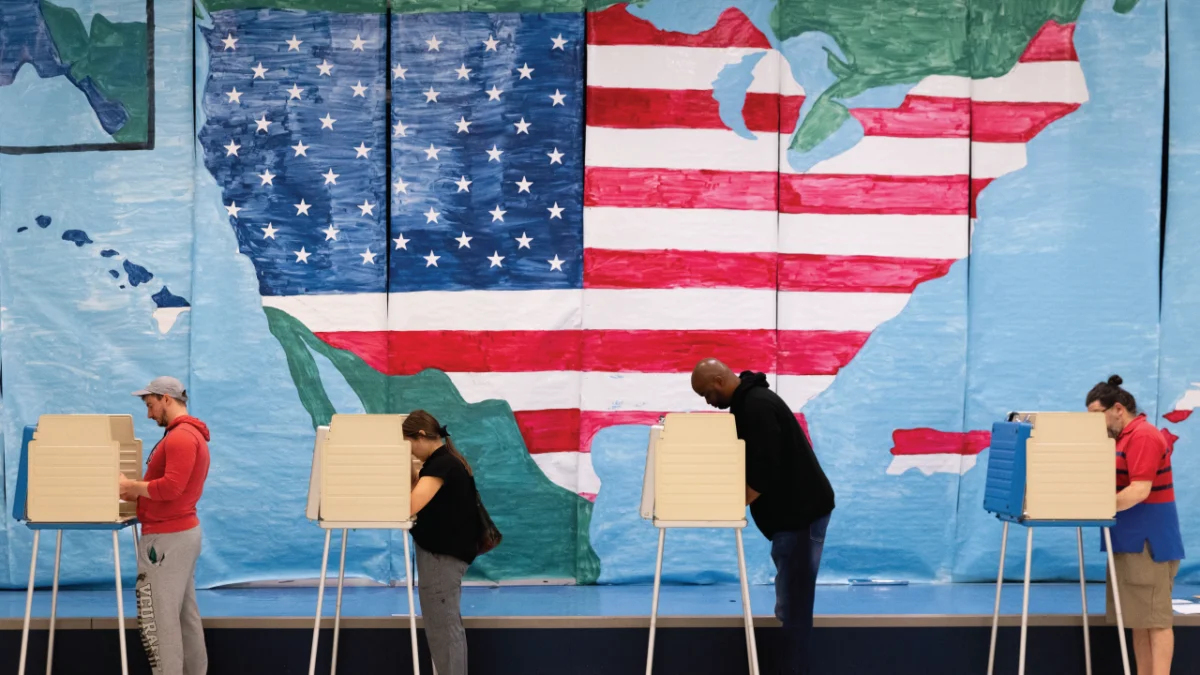
The research underscores a fundamental shift in the American electorate. Over the past two decades, the demographic makeup of the U.S. has undergone a transformation that has significantly altered the composition of the voting-eligible population. According to data provided by the Pew Research Center’s broader body of work, the share of the electorate that is Hispanic, Black, Asian, or from other racial and ethnic backgrounds has grown steadily.
In recent election cycles, these demographic groups have played a pivotal role in determining outcomes in key swing states. For example, the rapid growth of the Hispanic electorate in the Sun Belt region has forced political organizations to recalibrate their outreach strategies. Simultaneously, the increasing diversity of the American youth vote, as documented in related studies, suggests that future election cycles will be defined by an electorate that is less monolithic than it was in the late 20th century. The data shows that while white voters remain a significant segment of the electorate, their influence is being moderated by the mobilization of non-white voters who are increasingly engaged in local, state, and federal contests.
The Role of Demographic Analysis in Electoral Strategy
The analysis provided by the research team highlights the necessity of nuance. It is not merely the size of a demographic group that determines its political impact, but rather the level of voter registration, turnout rates, and the issues that drive these voters to the polls. The report suggests that historical trends are not always predictive of future behavior, particularly as political parties adopt new messaging tactics aimed at capturing the votes of diverse urban, suburban, and rural populations.
From an analytical standpoint, the implications of these demographic shifts are profound. Political campaigns are increasingly relying on micro-targeting—a practice that utilizes demographic data to tailor messages to specific subgroups. The research conducted by the center provides a baseline for understanding how these subgroups respond to such strategies. By examining the interplay between race, ethnicity, and partisan affiliation, the report offers a window into the evolving nature of the American "big tent" political model.
Official Responses and Academic Implications
While official party responses to demographic research vary—often depending on whether the findings favor their immediate electoral prospects—academic circles have consistently praised the rigor of this data. Independent political scientists have noted that the methodology employed by the Pew Research Center serves as a gold standard for tracking long-term sociological changes in the United States.
The broader implications of these findings extend to the legislative arena. Policymakers use such data to draw district lines, allocate funding for outreach programs, and address issues of electoral access. When researchers present findings on how different ethnic groups engage with the voting process, it provides an empirical foundation for discussions regarding voting rights, campaign finance reform, and the integrity of the electoral process itself. The transparency in documenting the contributors—from the lead demographers to the digital producers—reflects an institutional commitment to accountability that is essential in an era of heightened political polarization.
Looking Ahead: The Future of U.S. Electoral Research
As the United States moves toward future election cycles, the importance of longitudinal research will only increase. The demographic trends currently being documented, such as the aging of certain segments of the population and the rise of a younger, more racially diverse generation of voters, suggest that the American political system will continue to experience significant structural pressure.
The research team’s work, which includes an extensive library of reports on U.S. elections and voters, serves as a vital archive for those seeking to understand these transitions. For those interested in deeper engagement with this subject matter, the Pew Research Center provides ongoing updates and related reports on U.S. race and ethnicity. These resources are designed not only to inform but to provoke critical thought regarding the future of the republic. By maintaining a focus on empirical evidence rather than ideological rhetoric, the researchers behind this report contribute to a better-informed citizenry, which remains the cornerstone of any democratic society.
In conclusion, the effort involved in producing such a detailed analysis is a testament to the complexity of the modern American electorate. Through the combined efforts of writers, researchers, designers, and editors, the public is afforded a clear view of the demographic forces shaping the future of the nation. As the data continues to evolve, the methodologies established by these professionals will remain critical to navigating the political complexities of the 21st century.