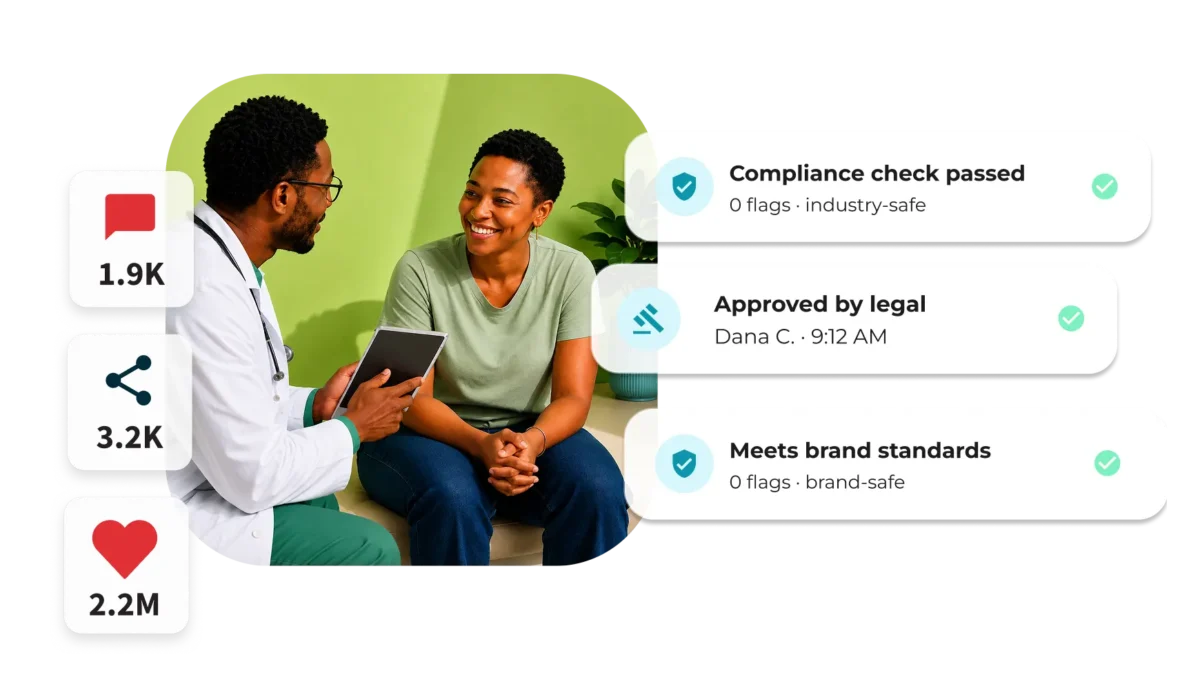
The integration of social media within the healthcare and life sciences sectors represents a unique intersection of unprecedented digital opportunity and intense regulatory risk. Unlike traditional commercial enterprises, healthcare organizations—ranging from sprawling multi-state hospital systems and private group practices to public health authorities, pharmaceutical developers, and medical device manufacturers—face a complex lattice of federal mandates, professional licensing standards, and strict patient privacy laws. While platforms like Facebook, Instagram, LinkedIn, TikTok, and YouTube offer powerful tools for building brand equity, patient education, staff recruitment, and community engagement, a single mismanaged digital post can trigger severe federal investigations, reputational damage, and multi-million-dollar financial penalties.

The Dual Imperative: Opportunity and High-Stakes Compliance
In contemporary medical communications, social media functions as much more than a supplementary marketing channel. For hospitals and health systems, maintaining a consistent, values-driven digital presence establishes institutional credibility long before a patient ever books an appointment or walks through physical doors. Healthcare consumerism has shifted dramatically; prospective patients routinely research providers online, evaluating institutional culture, empathy, and expertise through digital touchpoints.
Concurrently, public health agencies leverage social platforms to disseminate critical guidance during seasonal outbreaks, product recalls, or public health emergencies. Because digital channels allow public bodies to reach vast regional populations rapidly and economically, they serve as vital lifelines for public health literacy. Furthermore, the ongoing labor crisis in healthcare has elevated social media into an indispensable recruitment tool. Human resources departments utilize platforms like LinkedIn and Instagram to showcase workplace culture, highlight professional development, and broadcast behind-the-scenes glimpses of daily clinical life, effectively lowering cost-per-hire metrics in competitive job markets.

However, this high-yield environment is mirrored by profound operational risks. The fundamental tension defining healthcare social media is the collision between open digital engagement and rigid statutory frameworks. Marketing and communications teams in other commercial industries primarily navigate creative boundaries regarding tone, visual aesthetics, and timing. In contrast, healthcare communicators must perpetually weigh their output against protected health information statutes, rigorous advertising oversight, and strict medical board regulations.
Regulatory Frameworks: HIPAA, FDA, FTC, and Global Mandates
The legal architecture governing healthcare communications is extensive and unforgiving. At the core of United States regulations is the Health Insurance Portability and Accountability Act (HIPAA) Privacy Rule. HIPAA applies directly to digital communications and social media, strictly prohibiting the disclosure of Protected Health Information (PHI) without explicit, verifiable written patient consent. PHI encompasses any individually identifiable health data, including patient names, photographs, distinct medical record numbers, specific treatment details, and even contextual background imagery that might permit indirect identification.

The enforcement mechanisms are severe. The U.S. Department of Health and Human Services (HHS) Office for Civil Rights has actively penalized healthcare entities for privacy infractions stemming from digital communications. Historically, HHS has resolved or imposed financial penalties in over 150 cases, totaling upwards of $144.9 million, affecting organizations ranging from national pharmacy chains to prominent academic medical centers and private clinics. Statutory penalties can exceed $2.1 million per violation category annually. Well-intentioned posts celebrating a patient’s successful recovery or sharing a heartwarming clinical milestone routinely constitute violations if authorized written releases are absent prior to publication.
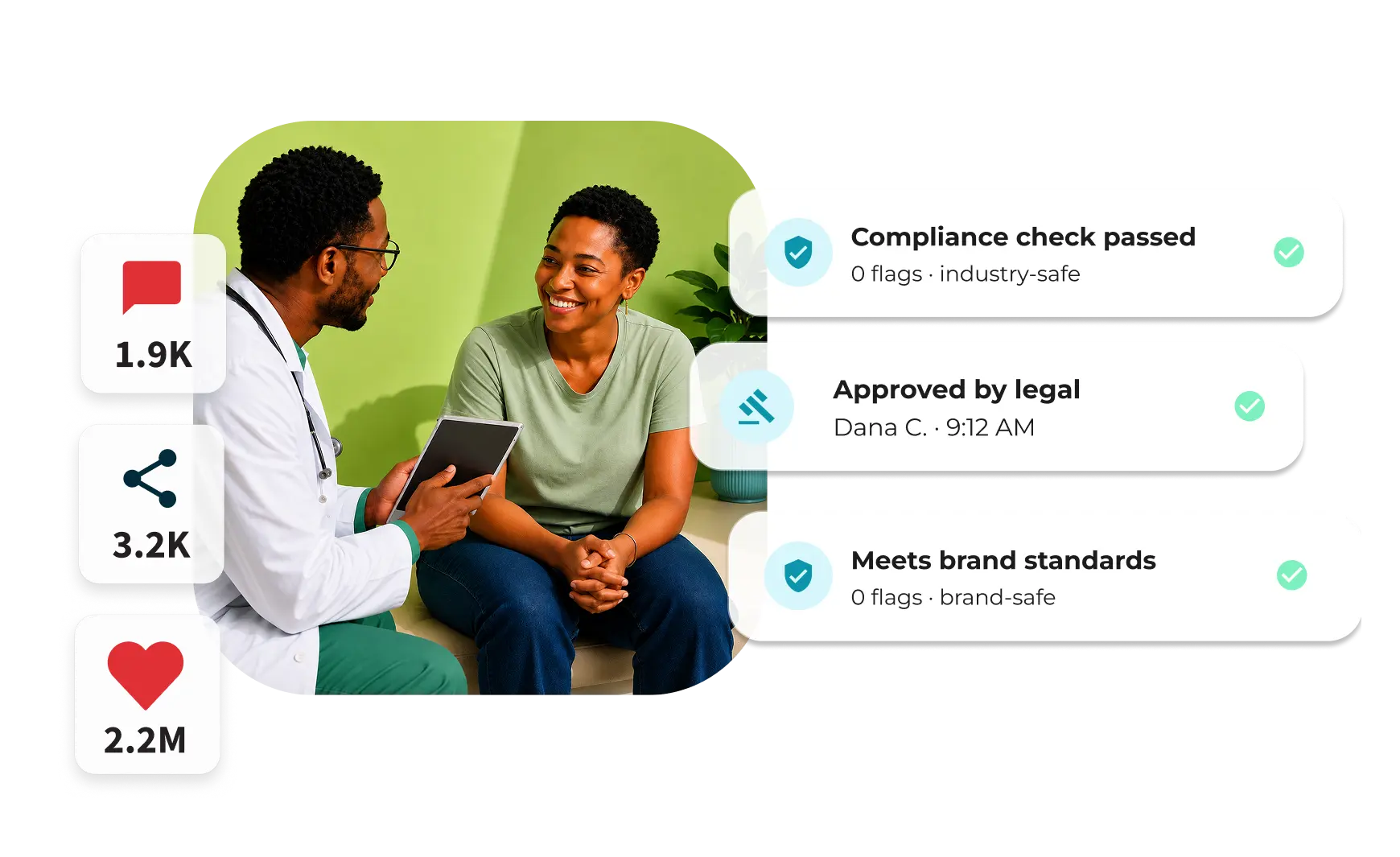
Beyond domestic privacy statutes, pharmaceutical and medical device manufacturers must adhere to strict oversight by the U.S. Food and Drug Administration (FDA) and the Federal Trade Commission (FTC). The FDA regulates the commercial promotion of drugs and medical devices across all media channels, requiring that any efficacy claims be robustly substantiated and that communications regarding prescription products maintain a fair balance by explicitly noting potential risks alongside therapeutic benefits. Meanwhile, the FTC enforces truth-in-advertising standards, placing the full burden of proof on the advertiser. Vague digital assertions—such as characterizing a treatment as "clinically proven" or "doctor recommended" without holding verifiable, competent scientific evidence—can invite swift regulatory intervention and civil penalties.
International and regional layers further complicate the regulatory landscape. In Canada, Health Canada restricts direct-to-consumer advertising for prescription medications, while the Canadian Code of Advertising Standards governs general health claims. Within the European Union, the General Data Protection Regulation (GDPR) mandates explicit, granular consent prior to processing or displaying any personal data, including patient imagery or testimonials in digital content. Domestically, U.S. state-level health data privacy legislation—exemplified by statutes such as Washington’s My Health My Data Act—broadens regulatory exposure by governing consumer health data that falls outside traditional HIPAA definitions, particularly information captured via website tracking pixels and targeted social advertisements.
Common Pitfalls and Risk Mitigation Strategies
Given the complexity of these regulations, well-meaning healthcare institutions frequently encounter operational missteps. Recognizing these vulnerabilities allows compliance and marketing teams to establish proactive risk mitigation protocols.
A primary operational hazard involves the accidental dissemination of patient data without proper authorization. Beyond direct photo sharing, staff members occasionally post case histories or respond to public inquiries with details that implicitly confirm a patient’s identity or medical status. To counteract this, mandatory, continuous staff training on HIPAA-compliant social media practices is vital. Organizations are increasingly adopting conservative internal policies, establishing a strict default of omitting potentially sensitive case details entirely if anonymity cannot be absolute.
Another frequent challenge involves the use of stigmatizing or outdated medical terminology. Language that carries unintended bias—particularly regarding mental health conditions, substance use disorders, or chronic illnesses—can alienate prospective patients and undermine an organization’s authority. Leading health institutions now consult science-based terminology guidelines established by bodies like the National Institute on Drug Abuse (NIDA) to ensure objective, non-judgmental communication.
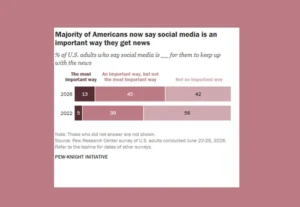
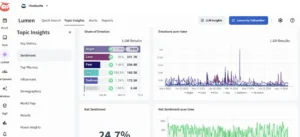
Misinformation management represents another critical operational front. Public surveys indicate that while a vast majority of internet users turn to social platforms and digital chat applications for health information, public trust in the absolute accuracy of such content remains low—with only a fraction of users rating digital health content as highly accurate. Consequently, inaccurate claims regarding treatments, viral remedies, or institutional policies routinely circulate faster than official clinical guidance. Effective mitigation requires robust social listening tools that continuously monitor brand sentiment and public health discourse, allowing communications teams to publish evidence-based corrections proactively without amplifying harmful falsehoods.
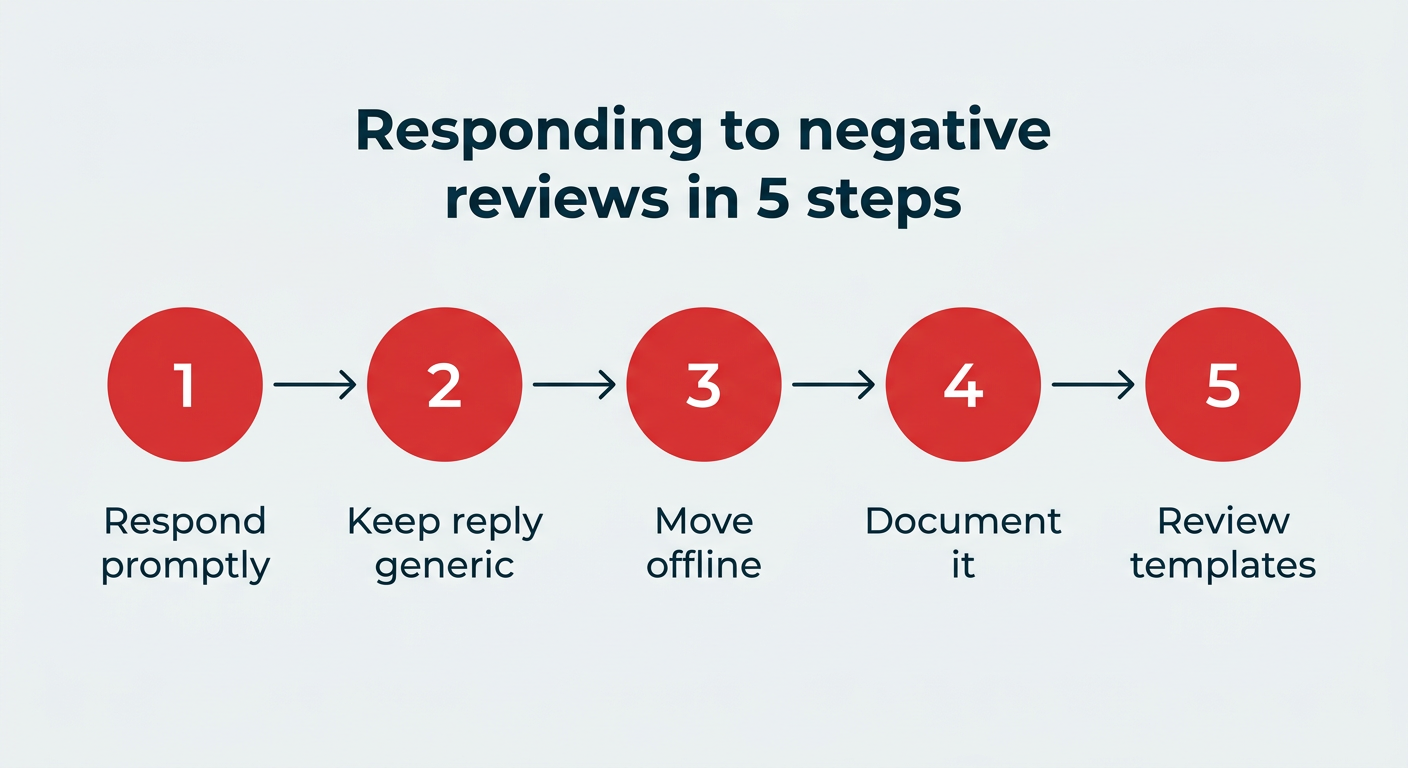
Handling negative reviews and public complaints also requires specialized protocol. When patients voice dissatisfaction online, responding directly can easily breach HIPAA guidelines if the response implicitly acknowledges a treatment relationship. Standard operating procedures dictate that organizations respond promptly with generic, professional messaging, immediately direct the individual to a secure offline communication channel (such as a dedicated patient relations telephone line or encrypted email), and thoroughly document the interaction for compliance auditing.
Establishing Governance: Policies, AI Guardrails, and Auditing
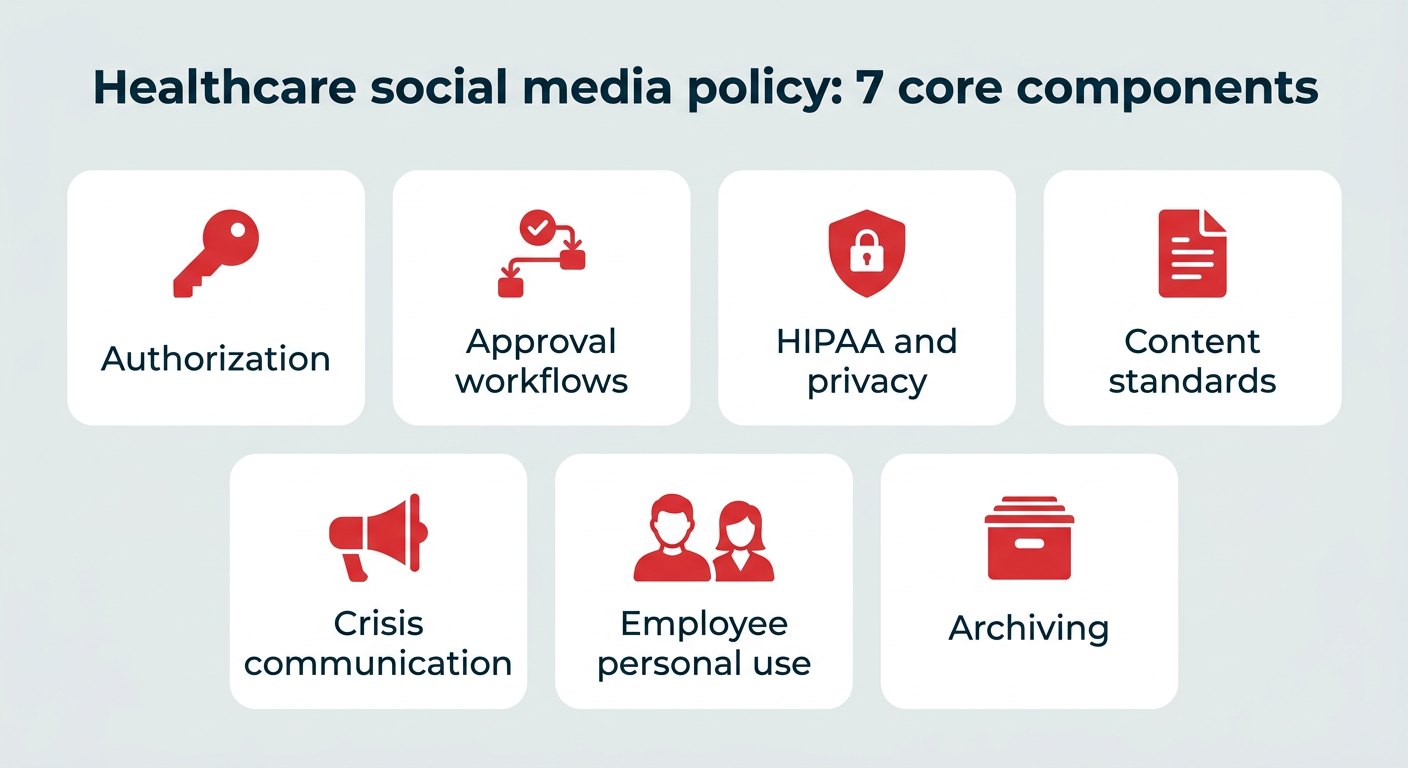
To navigate these challenges systematically, healthcare organizations must implement a comprehensive social media governance framework anchored by a formally documented social media policy. This institutional policy should clearly define authorization levels, detail mandatory content approval workflows, outline crisis communication protocols, and set explicit standards for employee personal social media use when affiliated with the brand.
As artificial intelligence adoption accelerates within healthcare marketing and patient service operations, governance must extend to automated tools. Industry reports indicate that while AI utilization for patient engagement and content drafting is expanding exponentially, consumer trust in AI-generated health content remains polarized across demographics—with younger generations exhibiting higher acceptance than older cohorts. To harness the efficiency of AI without compromising compliance, healthcare enterprises enforce strict technical guardrails:

- Complete prohibition of inputting protected health information into public or unvetted AI models.
- Mandatory human-in-the-loop review for every AI-drafted post to verify clinical accuracy.
- Strict integration of multi-tier approval workflows before any digital asset is published.
- Maintenance of a transparent audit trail tracking content generation, revision history, and final sign-off.
Regular compliance audits form the final pillar of a resilient digital strategy. Healthcare institutions are advised to conduct quarterly reviews encompassing not only standard performance analytics—such as engagement rates, referral traffic to patient portals, appointment conversion metrics, and recruitment pipeline activity—but also deep structural audits to identify unauthorized accounts, rogue employee posts, and potential regulatory exposures across all active platforms.
Strategic Outlook and Institutional Integration
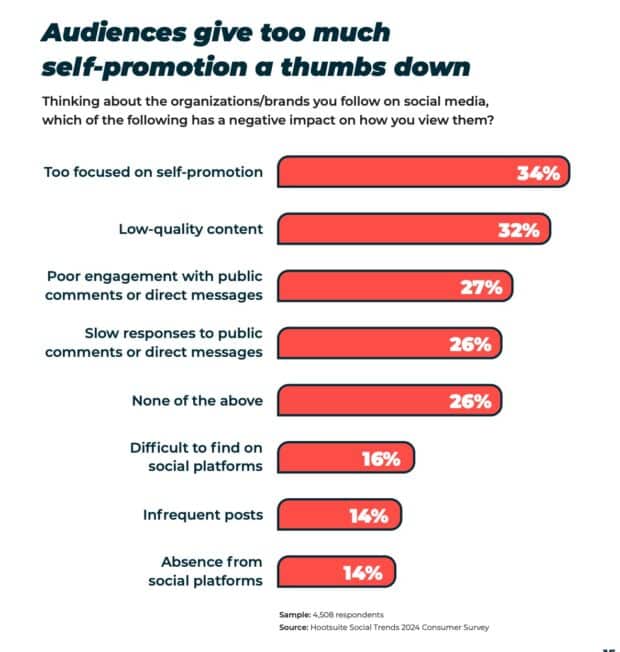
Ultimately, managing social media in modern healthcare demands an integrated operational ecosystem where content creation, clinical accuracy, patient care, listening tools, and compliance workflows function cohesively rather than in isolated silos. By combining disciplined adherence to federal and regional regulations, deploying governed AI technologies with clear audit trails, and prioritizing educational transparency over promotional volume, healthcare organizations can successfully harness the reach of social platforms. In doing so, they protect their institutional reputation, foster genuine community trust, and fulfill their broader mission of delivering accessible, reliable health education to the public.