The landscape of corporate communications and digital engagement has undergone a radical transformation, forcing enterprises to reevaluate how they govern and direct their online presence. In 2026, leading a corporate social media team requires far more than a knack for viral trends or basic content scheduling. Modern enterprise social media leadership is a multidisciplinary discipline sitting at the intersection of executive strategy, artificial intelligence governance, cross-functional collaboration, and real-time data storytelling. As global social ad spending surges past $121 billion, organizations increasingly recognize that social media is no longer a localized marketing silo, but a critical business function that impacts product development, recruitment, crisis management, and bottom-line revenue.
Recent executive research underscores this paradigm shift. A comprehensive study released by IBM highlights that 69% of chief executive officers tie their organization’s long-term success directly to maintaining a robust leadership bench equipped with deep strategic understanding and critical decision-making authority. Within this corporate evolution, social media leaders are expected to navigate unprecedented complexities, managing distributed global teams while aligning digital touchpoints with overarching enterprise objectives. Industry experts emphasize that navigating the swift pace of the digital ecosystem requires leaders to be culturally acute, operationally resilient, and capable of translating human emotions and community sentiments into actionable business intelligence.

Management Versus Leadership: Shifting from Execution to Direction
To understand the demands placed on contemporary social media directors, organizations must first distinguish between social media management and social media leadership. While both roles are indispensable to a thriving digital strategy, their daily responsibilities, time horizons, and core metrics differ fundamentally. Social media managers primarily focus on tactical execution—crafting daily calendars, designing individual content assets, monitoring immediate community feedback, and reporting campaign-level metrics such as standard reach and initial engagement rates. Their scope is typically channel-specific and spans short-term intervals from daily tasks to quarterly campaign cycles.
Conversely, social media leaders operate on a macro level, focusing on strategic direction, organizational alignment, and measurable business outcomes. A leader’s scope encompasses entire budgets, multi-departmental systems, and multi-year planning horizons. Where a manager optimizes an individual campaign’s click-through rate, a leader evaluates how that engagement ladders up to customer retention, risk mitigation, and enterprise reputation.

Industry veterans note that the speed of digital culture demands exceptional adaptability from these directors. Shakivla Todd, a distinguished multi-award-winning social media strategist, compares keeping pace with modern platforms to participating in an Olympic sport. According to Todd, effective leaders must cultivate comfort with ambiguity, resisting the urge to cling rigidly to outdated plans while remaining acutely aware of current events. This cultural fluency goes beyond chasing fleeting trends; it ensures that brands avoid tone-deaf missteps during sensitive cultural moments, thereby safeguarding corporate reputation on a global scale.
Core Competencies for the Enterprise Social Leader
As enterprise social environments expand across dozens of international markets, five core competencies have emerged as essential for effective leadership. Mastery of these areas determines whether a social team functions as an ad-hoc publishing wing or a strategic engine that executives rely upon for critical business intelligence.
Strategic Thinking and Goal Alignment
Enterprise social leaders must master the art of prioritization. Because stakeholders across legal, sales, product, and human resources will constantly vie for digital real estate, a strong leader knows how to decline misaligned requests. Maintaining focus ensures that regional teams are not stretched thin across competing priorities. By defining what social channels will not pursue, leaders protect brand equity and ensure that deployed resources drive genuine commercial value.
Leading AI Adoption and Governance
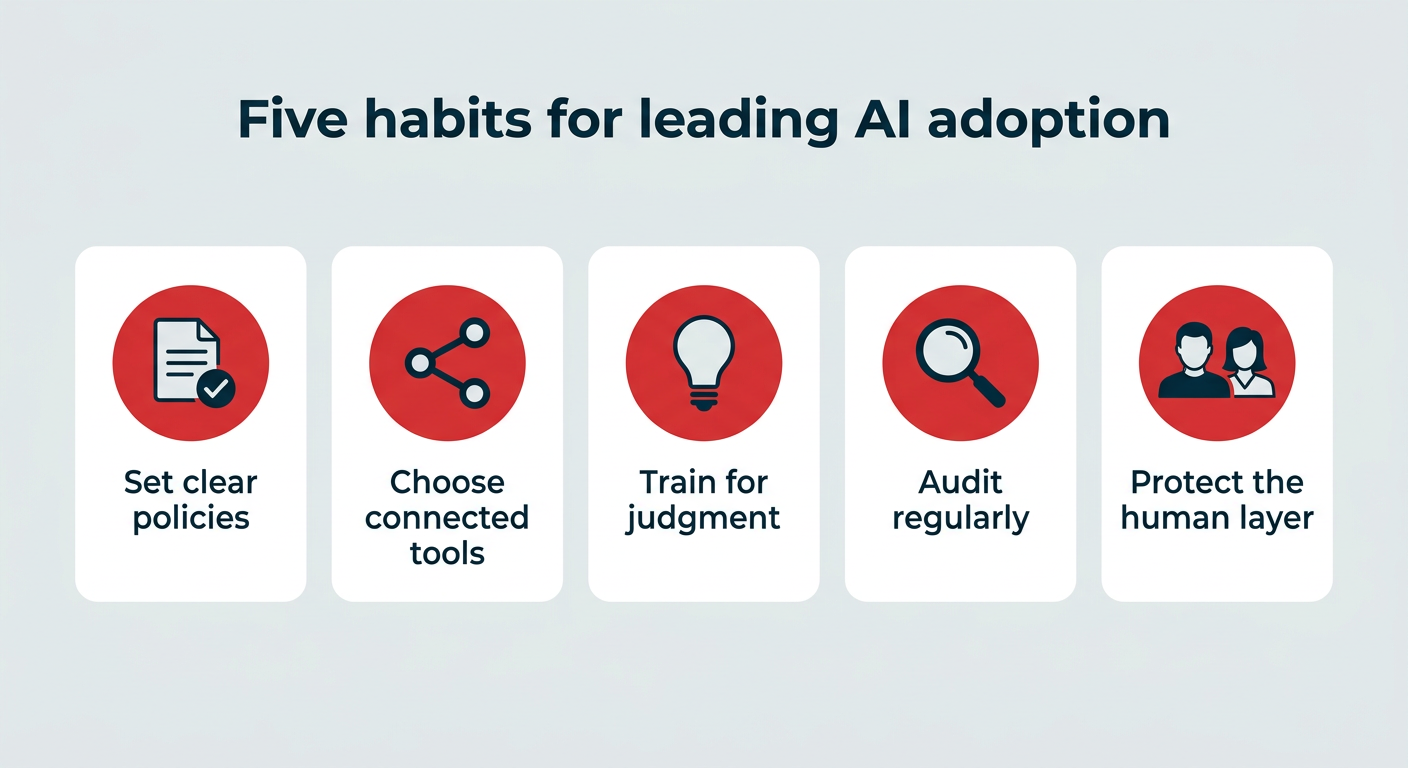
The rapid integration of artificial intelligence into marketing workflows has made AI governance a top priority for enterprise leaders. With industry forecasts projecting that AI-driven marketing automation will double by 2028, leaders must establish clear parameters for tool usage before teams adopt them informally. Effective governance ensures that AI-assisted content maintains brand voice, complies with regulatory frameworks, and undergoes appropriate human review, thereby minimizing public relations risks.
Data Storytelling and Executive Communication
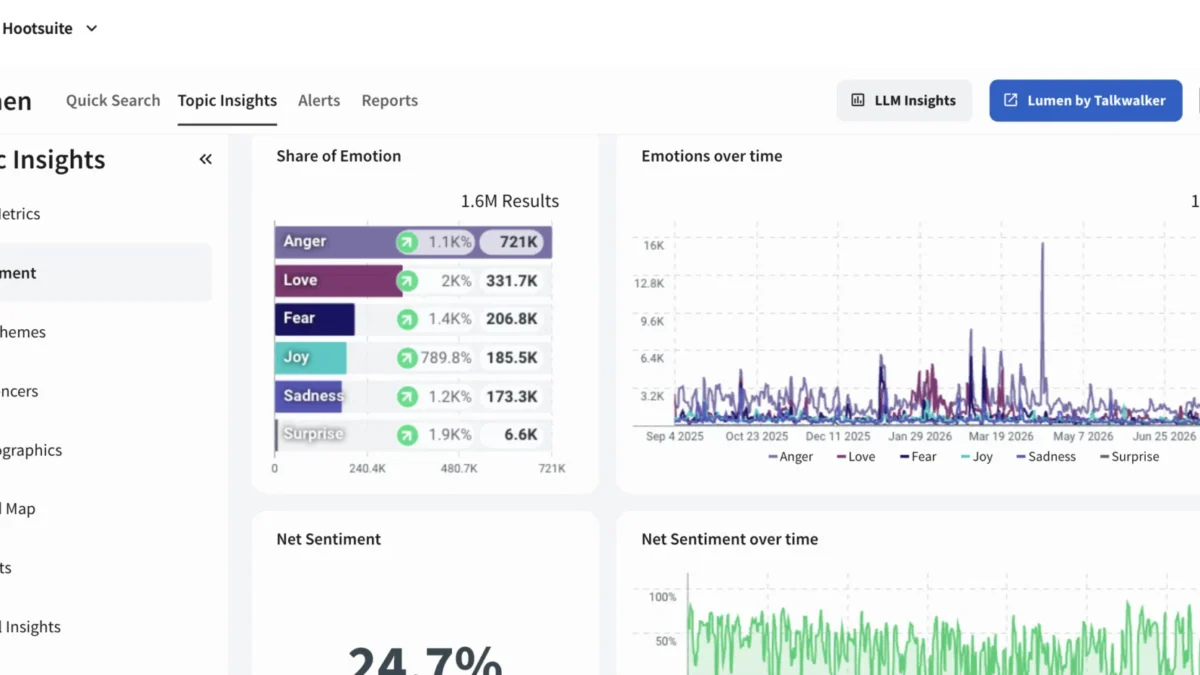
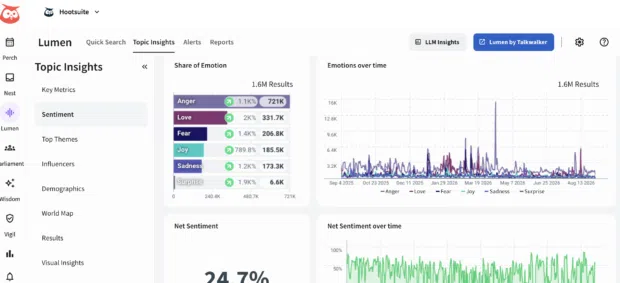
Raw analytics rarely sway executive boards; context and narrative do. Successful social leaders excel at data storytelling, transforming abstract percentages into compelling narratives about brand health and customer sentiment. Experts advocate for capturing direct, qualitative evidence—such as meaningful customer direct messages, authentic community commentary, and unsolicited brand mentions—to illustrate genuine human connection. By supplementing spreadsheets with qualitative sentiment data, leaders provide executives with a comprehensive view of market perception.
Crisis Leadership and Brand Reputation
In an era where public perception can shift within minutes, proactive reputation management is vital. Enterprise social leaders deploy sophisticated listening frameworks to monitor positive and negative sentiment shifts at scale. By establishing clear crisis response protocols and cross-departmental communication channels, these leaders ensure their organizations remain credible, consistent, and calm during high-pressure situations.
Cross-Functional Collaboration
Modern social intelligence serves as a direct pipeline of insights for the entire organization. Effective leaders bridge departmental silos by routing social listening data directly to relevant teams—flagging emerging product issues for product development, surfacing competitor messaging for sales, and highlighting employer brand sentiment for human resources. This collaborative approach transforms social data into an enterprise-wide asset.
Scaling Operations and Managing Distributed Teams
Operating social media at an enterprise scale introduces unique logistical challenges, particularly when managing distributed teams scattered across multiple time zones and continents. Leaders operating in cities like London, Vancouver, and Singapore must build deep internal trust and operational transparency. This is achieved by establishing asynchronous communication protocols, clear documentation standards, and localized empowerment frameworks that allow regional creators to execute campaigns quickly without sacrificing brand safety.
Concurrently, regulatory compliance remains a paramount concern, particularly in heavily regulated sectors such as finance, healthcare, and consumer goods. A single unapproved claim or missed disclosure can trigger severe regulatory penalties. To prevent compliance from stifling creativity, sophisticated organizations implement integrated governance layers—such as specialized audit trails and automated approval workflows—that embed compliance directly into the content creation process. This structured guidance provides teams with the freedom to innovate safely within established legal boundaries.
Redefining Success Through Business-Aligned KPIs
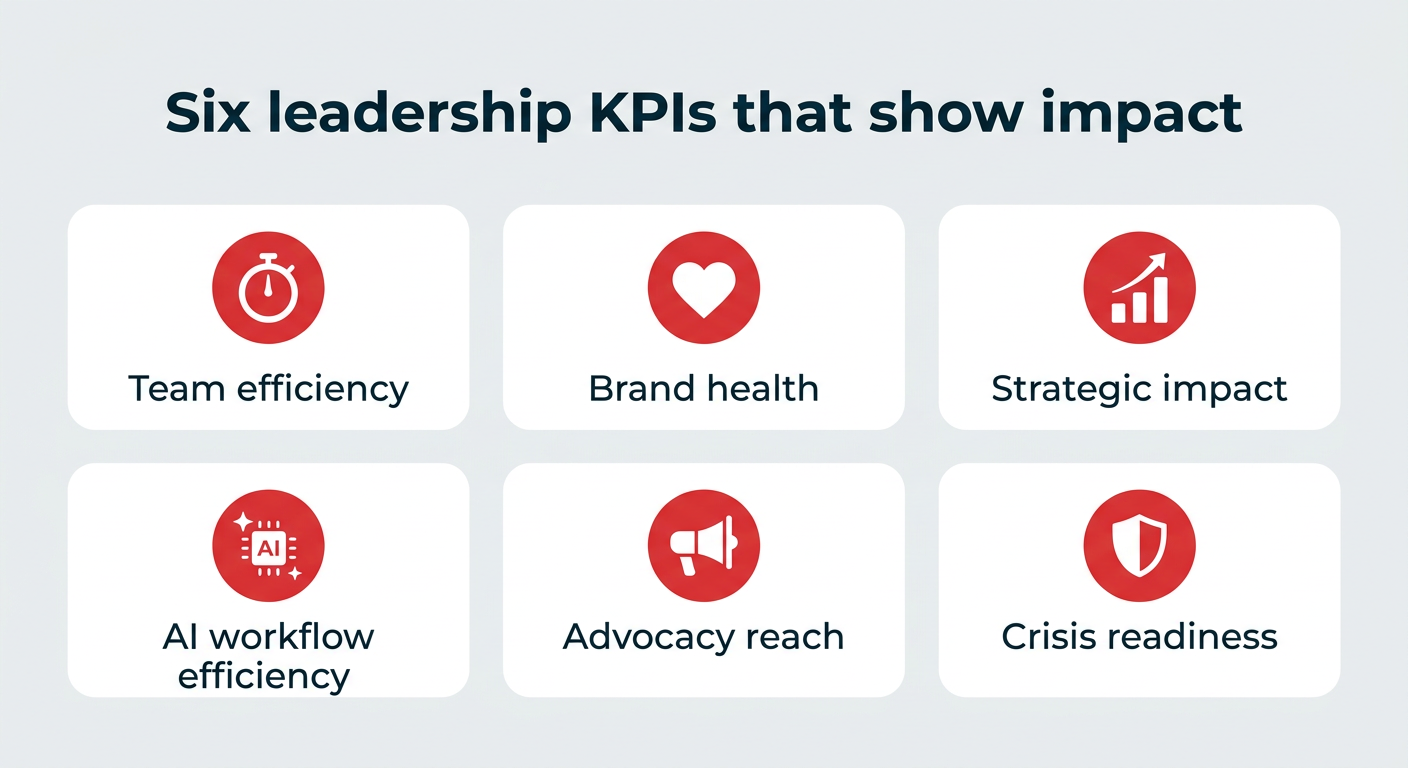
Evaluating the success of a modern social media program requires moving beyond vanity metrics like raw follower counts. While follower growth offers baseline context, enterprise leaders evaluate performance through metrics that connect digital activity directly to commercial outcomes. Comprehensive reporting structures now routinely track brand sentiment, share of voice relative to competitors, crisis response efficiency, employee advocacy reach, and social-attributed pipeline generation.
By aligning social performance indicators with broader business goals, leaders can clearly demonstrate how digital engagement contributes to customer retention, risk reduction, and overall revenue growth. Ultimately, enterprise social leadership in 2026 is defined by impact rather than output—transforming digital platforms into resilient spaces for brand trust, community building, and sustainable corporate success.