As digital marketing continues to chase the elusive preferences of Generation Z, a lucrative and highly active demographic is frequently overlooked: the Millennials. Born between 1981 and 1996, this cohort is currently between 30 and 45 years old. Far from abandoning the digital sphere as they shoulder careers, mortgages, and family responsibilities, Millennials remain heavily engaged online. Furthermore, they command the largest total income of any demographic globally, making them an indispensable target for modern social media strategists.

Recent media consumption data underscores this enduring presence. Over the course of a single month, 79% of Millennials have utilized YouTube, 71% have interacted with Facebook, and 54% have maintained active accounts on Instagram. Despite these robust statistics, brands routinely make the critical error of treating Millennials as interchangeable with Gen Z, failing to recognize that these two cohorts approach the digital ecosystem from fundamentally different historical and psychological viewpoints.
Understanding the Millennial Digital Footprint: Evolution and Behavior
To effectively market to Millennials, brands must first understand how their relationship with the internet evolved. As early adopters who experienced the awkward transition from dial-up chat rooms and basic profile pages to algorithms and mobile-first feeds, Millennials view social media as a functional utility rather than an insular entertainment universe.

While Gen Z often treats social platforms like TikTok and Instagram as primary destinations for endless discovery and direct in-app transactions, Millennials tend to integrate social media into a broader media diet. They use these networks alongside traditional television, streaming services, and professional obligations. Their platform choices reflect this versatility, spanning mainstream giants like YouTube and Facebook as well as interest-driven networks like Reddit, where nearly 40% of Millennials are active monthly—surpassing all other generations in forum-based engagement.
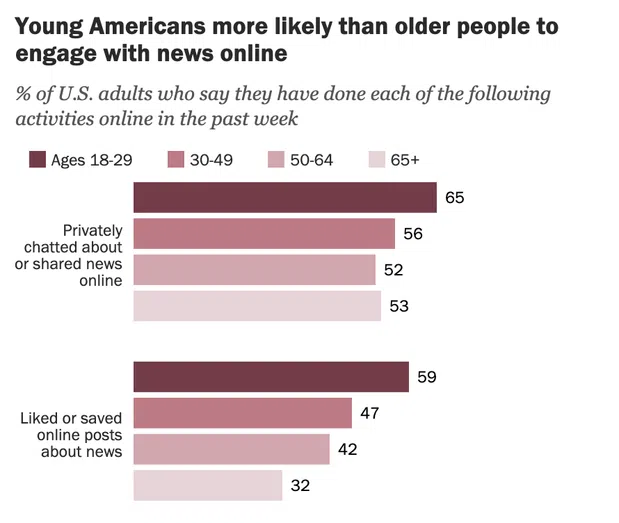
Moreover, Millennials utilize social channels for practical, everyday purposes. Approximately 36% look for how-to guides and educational tutorials, viewing platforms like YouTube as essential resources for problem-solving, whether home improvement or professional development. Concurrently, social media serves as a major news source, with 60% of adults aged 30 to 49 turning to digital feeds for current events, and over half regularly discussing or sharing news articles within private digital networks.

Purchasing Psychology: Research, Proof, and Trust
The buying journey for a Millennial shopper is notably methodical. When confronted with a potential purchase, they rarely buy on impulse directly from an in-app advertisement. Instead, 67% of Millennials utilize social media as an initial discovery engine, subsequently moving across multiple channels to research, read reviews, and seek out social proof.
Data indicates that 52% of Millennial consumers rely heavily on customer testimonials and authentic peer reviews before committing funds to a brand. Trust is paramount. Because this generation has matured alongside the digital advertising landscape, they exhibit high skepticism toward overly polished, corporate campaigns. Instead, they place their confidence in genuine recommendations, with 45% stating they rely on independent creators, influencers, and relatable public figures to guide their purchasing decisions.
Brand authenticity is no longer a buzzword; it is a prerequisite for engagement. Studies show that over half of Millennials and Gen Z expect brands to take a transparent, principled stand on social and political issues, provided that stance aligns organically with the company’s foundational identity and mission. When brands attempt to manufacture authenticity or misjudge the life stages of their audience, the misstep is swiftly punished by disengagement.
Strategic Imperatives for Modern Marketers
Crafting an effective campaign for the modern Millennial requires a calculated shift away from generalized demographic stereotypes and toward precise, value-driven engagement. Industry experts emphasize that marketing messages must respect the distinct life milestones this generation is experiencing, which range from career shifts and financial planning to homeownership and family building.

To capture and retain Millennial attention, digital marketing strategies should incorporate six foundational pillars:
- Platform Diversification: Recognize that there is no singular platform for this demographic. Brands must analyze their specific audience data to determine where their customers are most active across YouTube, Facebook, Instagram, LinkedIn, and specialized communities.
- Segmented Messaging: Move beyond broad generational labels. Segment audiences based on specific needs, localized behaviors, and real-world milestones rather than age alone.
- Humanizing the Brand: Introduce the individuals behind the corporate facade. Transparency regarding company leadership, employee perspectives, and genuine social responsibility initiatives builds immediate credibility.
- Prioritizing Short-Form Video: Utilize short, unvarnished video content that feels native to the user’s feed. High production value does not equate to high connection; immediacy and relatability drive results.
- Strategic Influencer Partnerships: Collaborate with trusted creators who possess long-standing credibility with the target audience, ensuring product endorsements feel organic rather than transactional.
- Continuous Social Listening: Leverage sophisticated listening tools to monitor real-time sentiment, brand mentions, and broader conversation trends across the web, replacing assumptions with empirical audience data.
Technological Solutions for Scaled Engagement
As digital environments grow increasingly complex, managing multi-channel campaigns requires advanced technological infrastructure. Enterprise tools have evolved to address these precise challenges, providing brands with the capability to streamline operations and decode consumer sentiment at scale.

Platforms equipped with unified content planning calendars enable marketing teams to draft, schedule, and approve cross-platform campaigns efficiently, ensuring that brand messaging remains consistent without sacrificing creative agility. Simultaneously, advanced social listening dashboards monitor millions of websites and digital channels simultaneously, extracting actionable insights regarding sentiment trends and emerging community discussions.
By utilizing these data-driven systems, marketing departments can transition from reactive guesswork to proactive strategy, ensuring their outreach resonates deeply with the real-world experiences of the Millennial consumer base.

Broader Economic Implications and Future Outlook
The sustained purchasing power of Millennials represents a stabilizing anchor in the global digital economy. As this generation enters its peak earning years, their consumer choices set the standard for corporate accountability, product utility, and digital customer service expectations. Companies that fail to evolve past the superficial tropes of youth-centric marketing risk alienating the very demographic holding the majority of global disposable income.
Ultimately, the future of successful social media marketing relies on mutual respect and genuine utility. Brands that invest the necessary resources into listening to their audience, respecting their intelligence, and providing honest, valuable solutions will successfully secure both the attention and the loyalty of the Millennial market well into the future.