The world of web development is in constant flux, with new features and best practices emerging at an astonishing pace. This current period is no exception, marked by significant advancements in CSS functionality, the formalization of layout techniques, enhancements to user interface elements, and vibrant community gatherings. From the nuanced power of CSS functions to the practical applications of Grid Lanes and the evolving capabilities of the HTML <dialog> element, developers have a wealth of new tools and knowledge to explore. This comprehensive overview delves into the key developments that are shaping the front-end landscape today, offering insights into their implications and the broader context of their release.
Unpacking the Power of CSS Functions: A Foundational Leap
At the forefront of recent CSS evolution is the increasing sophistication and adoption of CSS functions. Jane Ori’s in-depth exploration on Frontend Masters provides a critical walkthrough of how these functions operate, demystifying a topic that has, until recently, felt somewhat intimidating to many developers. The potential for the @function rule to achieve Baseline status this year underscores its growing importance. This feature, which allows for the creation of reusable blocks of CSS logic, promises to streamline complex styling workflows and enhance maintainability. Ori’s "baby-step-by-baby-step" approach is particularly valuable for developers new to the concept, offering a clear path to understanding and implementation.
Complementing this educational initiative, Declan Chidlow has authored comprehensive documentation for the @function rule on CSS-Tricks Almanac. This resource serves as an invaluable bookmark for developers seeking quick reference and detailed explanations as they begin to integrate these powerful functions into their projects. The ability to define and invoke custom functions can lead to more semantic and efficient stylesheets, reducing repetition and improving the overall developer experience. As more developers adopt and contribute to the ecosystem of CSS functions, we can anticipate a significant uplift in code quality and project scalability.
The Surprising Utility of the alpha() Function
Beyond the broader concept of CSS functions, a specific new function, alpha(), has emerged, catching many by surprise. Its introduction raises questions about its necessity, given the existing capabilities for manipulating the alpha channel of colors. However, a closer examination reveals its pragmatic advantages, particularly in conjunction with CSS variables.
The current methods for adjusting color transparency often require either hard-coding color values or wrapping them within specific color functions like oklch(). For instance, a common pattern involves storing color values as CSS variables:
/* Storing raw color values */
--color: 0.65 0.23 230;

/* Flexible usage */
color: oklch(var(--color));
color: oklch(var(--color) / 0.5);
While this approach offers flexibility, it can become cumbersome when dealing with more complex color functions, as seen here:
/* Storing function and values together */
--color: oklch(0.65 0.23 230);

/* Standard usage */
color: var(--color);

/* Less intuitive transparency adjustment */
color: oklch(from var(--color) l c h / 0.5);
The alpha() function aims to simplify this process. As articulated in a comment on the Mozilla standards-positions repository, its primary benefit is to decouple the alpha channel adjustment from the underlying color format. Instead of needing to specify the color model (e.g., oklch), alpha(from var(--color) / 0.5) directly communicates the intent to modify the transparency of a variable named --color. This not only makes the declaration shorter but also more semantically clear. Adam Argyle’s discussion on relative-alpha further highlights the practical advantages of this new function, which promises to reduce verbosity and improve the readability of color declarations, especially when working with design tokens and dynamic color systems. This development is particularly significant for large-scale projects where consistent and flexible color management is paramount.
The Field Guide to Grid Lanes: A Visual Approach to Advanced Layouts
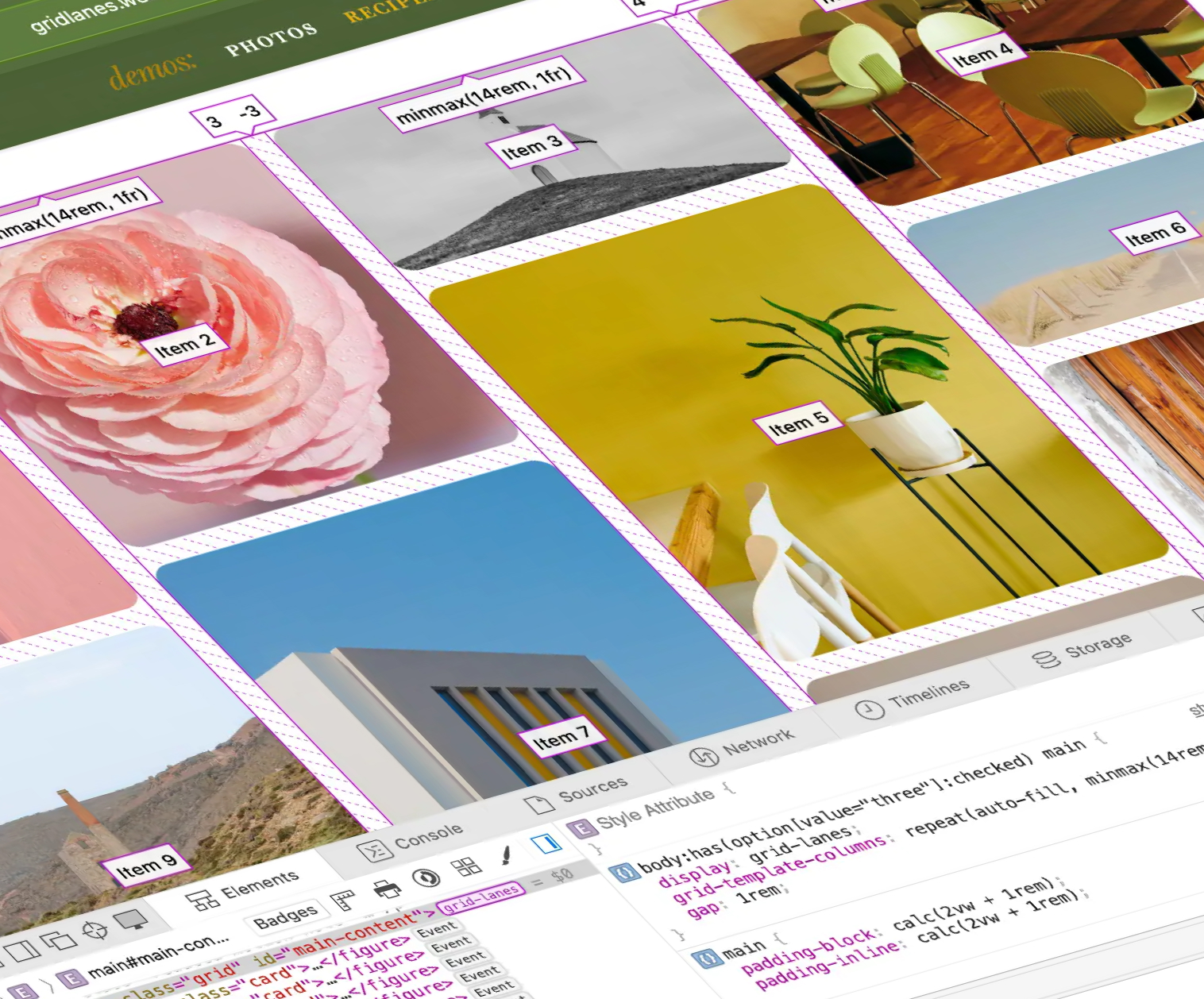
WebKit’s recent launch of "The Field Guide to Grid Lanes," formerly known as CSS masonry layout, marks a significant step forward in making advanced CSS layout techniques more accessible. This interactive guide, reminiscent of the detailed tutorials found on CSS-Tricks, offers a smooth introduction to the concept through a variety of barebones and real-world demonstrations. The visual nature of the guide, featuring examples ranging from photo galleries and recipe layouts to newspaper-style arrangements and mega menus, effectively showcases the power and versatility of Grid Lanes.
Masonry layout, which allows items to pack tightly together in columns or rows, filling available space efficiently, has long been a sought-after feature for creating visually engaging and responsive designs. By providing a dedicated guide with clear examples, WebKit is fostering broader understanding and adoption. The availability of such resources is crucial for developers to move beyond traditional grid or flexbox layouts and embrace more dynamic and aesthetically pleasing arrangements. The implication is a richer visual web, where complex layouts can be achieved with greater ease and less reliance on JavaScript-based solutions.

Enhancing the <dialog> Element: Quality-of-Life Improvements
The HTML <dialog> element, designed for modal dialogs and pop-up windows, has received notable quality-of-life upgrades, as highlighted by Una Kravets. Two key improvements are the introduction of the closedby attribute and the application of overscroll-behavior: contain. While closedby is not yet universally supported across all browsers, its potential to explicitly define how a dialog can be closed (e.g., closedby="any", closedby="escape", closedby="backdrop") offers enhanced control and predictability for developers.
The overscroll-behavior: contain property, when applied to a dialog, effectively manages scrolling behavior, preventing the main page from scrolling when the dialog itself is scrollable. This is a crucial enhancement for user experience, ensuring that interactive elements within the dialog remain the focus and do not lead to unintended page navigation or scrolling. Kravets also points to a valuable tip from the comments: the scrollbar-gutter: stable property, which can help prevent layout shifts caused by the appearance or disappearance of scrollbars.
Furthermore, Chris Coyier’s series on animating <dialog> elements provides essential guidance on implementing smooth in-and-out transitions. While the concept of dialog animation might seem straightforward, the nuances of properties like @starting-style can often trip up developers. Coyier’s practical approach offers a valuable resource for ensuring these animations are implemented correctly and seamlessly, contributing to a more polished and professional user interface. These improvements collectively address common pain points associated with dialog implementation, making them more robust and user-friendly.
CSS Day 2026: A Hub for Community and Innovation
The annual CSS Day conference, held in Amsterdam on June 11th and 12th, 2026, once again served as a pivotal gathering for the global CSS community. This year’s event, while not offering a livestream, promises to make recordings available by late June, allowing those who couldn’t attend in person to benefit from the shared knowledge. In the interim, platforms like Bluesky have become central hubs for disseminating conference highlights, with dedicated accounts and the #CSSDay hashtag providing real-time updates, behind-the-scenes glimpses, and even shared presentation slides.
CSS Day has a well-established reputation for fostering in-depth technical discussions and showcasing cutting-edge CSS techniques. The conference typically features leading experts who present on topics ranging from advanced layout and typography to performance optimization and accessibility. The fact that recordings will be made available addresses the growing demand for accessible educational content within the developer community. The informal atmosphere of the conference also encourages networking and collaboration, which are vital for the continued evolution of web standards and best practices. The mention of "DOOM-free" but not "flamethrower-free" adds a touch of insider humor, referencing a recurring theme or inside joke within the community, underscoring the conference’s unique culture.

CSS Wordle: A Playful Approach to Learning
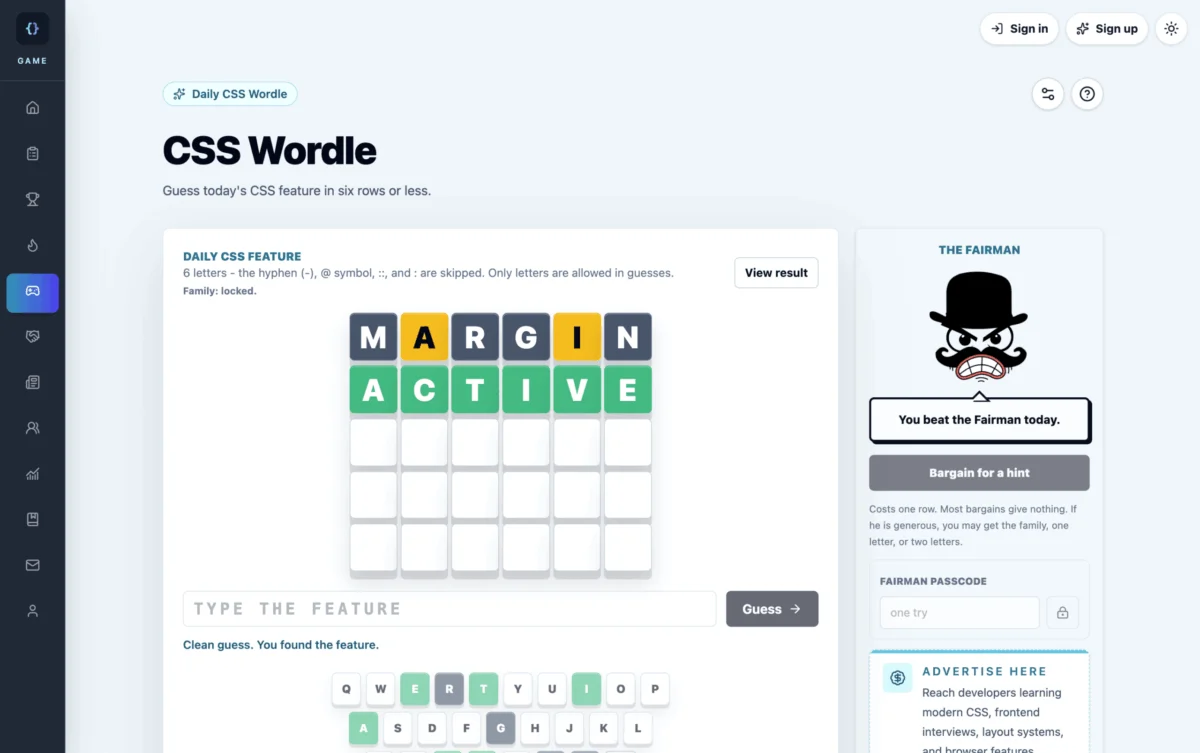
Amidst the technical deep dives and conference proceedings, a more lighthearted yet equally engaging development has captured the attention of many: Sunkanmi Fafowora’s CSS Wordle. This creative twist on the popular word-guessing game challenges players to guess CSS property names based on visual clues or descriptions. The game has proven to be highly addictive, offering a fun and interactive way to reinforce knowledge of CSS terminology and syntax.
The success of CSS Wordle highlights the power of gamification in education. By transforming the learning process into a game, it makes complex concepts more approachable and memorable. For developers, especially those still solidifying their understanding of CSS, this game provides a valuable tool for practice and retention. It encourages active recall and familiarization with the vast array of CSS properties and their applications. The fact that the game has generated such a strong following indicates a clear demand for innovative learning tools within the front-end development space.
Emerging Web Platform Features and Updates
The landscape of web platform features is continuously expanding, with ongoing work on numerous specifications and experimental technologies. While this particular update did not detail specific new features beyond the previously discussed CSS advancements, it is a testament to the ongoing, collaborative effort to enhance the capabilities of the web. Browser vendors, specification bodies like the W3C, and the developer community at large are constantly pushing the boundaries of what is possible on the web. This includes advancements in performance, security, accessibility, and user experience, all aimed at creating a more powerful, versatile, and inclusive digital environment. The consistent release of new features and improvements ensures that web development remains a dynamic and exciting field, offering new possibilities for innovation and creativity. The sustained momentum in CSS development, in particular, signals a commitment to empowering developers with more expressive and efficient styling tools.