In an increasingly saturated digital landscape, many aspiring and established bloggers meticulously craft well-structured posts, optimize for search engines, and master their publishing platforms, yet find themselves struggling to achieve significant impact. The missing ingredient, frequently overlooked, is often the profound power of personality. It is the intangible element that transforms a fleeting visitor into a loyal reader, forging a genuine connection that resonates beyond mere information delivery. This article delves into the strategies employed by ten leading bloggers who have successfully leveraged personalization to elevate their platforms and cultivate a distinctive online presence.
The digital realm has evolved dramatically from its nascent stages of static websites and anonymous forums. Today, content consumption is not merely about acquiring data but about seeking connection, authenticity, and relatability. Readers are inundated with information, making it imperative for content creators to differentiate themselves beyond keyword density and formatting. A strong personal brand, infused with genuine personality, acts as a lighthouse in a sea of generic content, drawing in an audience eager for a human touch.
Recent studies underscore the importance of personalization in fostering engagement. Research by Accenture found that 91% of consumers are more likely to shop with brands that provide relevant offers and recommendations, a principle that extends directly to content consumption. Similarly, Epsilon’s report indicated that 80% of consumers are more likely to make a purchase when brands offer personalized experiences. While these statistics primarily relate to e-commerce, the underlying psychological drivers – a desire for tailored experiences and genuine connection – are equally applicable to content platforms like blogs. Blogs that exude personality often see higher average time on page, lower bounce rates, and increased social shares, directly impacting their visibility and authority in the long run. Moreover, a distinctive brand voice can significantly improve brand recall, making a blog memorable amidst its competitors.

The journey of blog personalization can be seen chronologically, mirroring the internet’s growth. Early blogs, often personal diaries, naturally had personality. As blogging professionalized in the late 2000s and early 2010s, the focus shifted to SEO and content quantity, sometimes at the expense of unique voice. However, with the rise of social media and influencer culture in the mid-2010s, authenticity became paramount once more. This led to a resurgence of personal branding, where bloggers consciously integrate elements of their identity, values, and unique style into their content and presentation, moving beyond simple information dissemination to create an experience. Digital marketing strategists now consistently emphasize that a strong personal brand is no longer a luxury but a necessity for sustainable online growth. Psychologists suggest that human connection is a fundamental need, and when content creators offer a glimpse into their authentic selves, they tap into this need, building trust and fostering a sense of community.
Let us explore how these leading bloggers exemplify strategic personalization:

Visual Storytelling with Impact: YTravel’s Photographic Journey
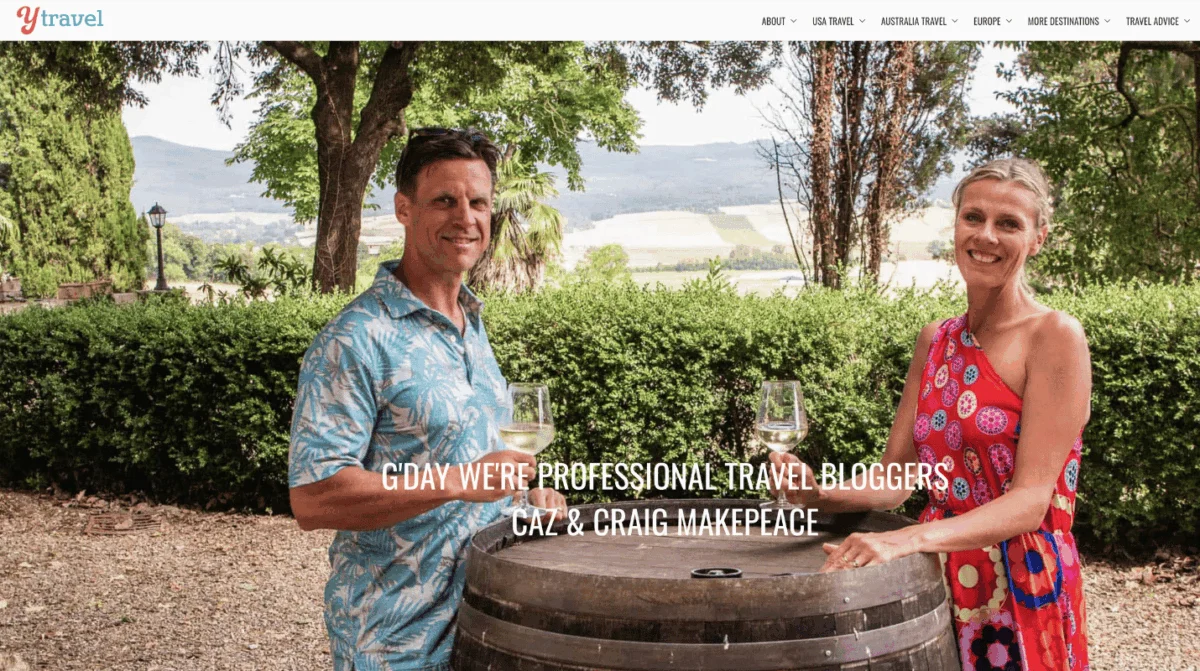
Caz and Craig from YTravel master the art of visual storytelling, a technique particularly crucial for highly visual niches like travel, food, craft, and fashion. Their blog, YTravel, is adorned with gorgeous, smiley photos of their family, creating an immediate sense of warmth and authenticity. These aren’t just generic stock photos; they are personal snapshots from their adventures, whether it’s a candid moment in "17 Tips for Flying With Kids to Keep You Calm and Happy" or a more composed family portrait in "Getting Settled in the USA + Where to Next." The consistency in their visual style—bright, joyful, and family-focused—serves as a powerful branding element. These images do more than illustrate; they invite readers into their lives, allowing them to experience the journey alongside the bloggers. This visual intimacy builds a strong emotional connection, making their content more memorable and relatable. Investing in high-quality, personal photography transforms abstract travel advice into tangible, inspiring experiences.
- Lessons learned:
- Authentic Visuals Drive Engagement: Personal, high-quality photographs create a stronger emotional connection than generic stock images, especially in visually-driven niches.
- Visual Consistency Builds Brand: A recognizable photographic style reinforces your brand identity across all content.
- Show, Don’t Just Tell: Images can convey emotions, experiences, and personal stories far more effectively than words alone, fostering a sense of shared experience.
- Humanize Your Brand: Featuring yourself or your family in photos adds a personal touch, making your brand more approachable and relatable.
Injecting Personality: The Pat Flynn Approach to Engagement
Pat Flynn, of Smart Passive Income, exemplifies how a blend of professional expertise and quirky humor can forge a highly personal and memorable brand. Upon visiting his blog, the viewer is greeted with bold text proclaiming his name and roles—"father, husband, serial entrepreneur"—immediately establishing his core identity. This professional self-definition is cleverly juxtaposed with his unique humor, such as "protector of baby Yoda," injecting a distinct, relatable personality right from the outset. This "flair" is not superficial; it reflects Pat’s genuine character, making him feel less like a faceless expert and more like a trusted friend. His transparent approach to sharing successes and failures, combined with this personable brand presentation, has cultivated a fiercely loyal community. Industry analysts frequently point to Pat Flynn’s success as a prime example of how authenticity and a distinctive voice can build an enduring audience and robust business.

- Lessons learned:
- Embrace Your Unique Voice: Don’t shy away from incorporating your individual quirks, humor, or personal interests into your brand messaging.
- Balance Professionalism with Personality: While maintaining authority, inject elements that make you relatable and human.
- Strategic Self-Disclosure: Sharing personal facets (like family roles or hobbies) can deepen audience connection without oversharing.
- Consistency in Tone: Ensure your unique personality shines through consistently in your writing, visuals, and overall brand presence.
Cultivating a Distinct Voice: Shannon Kelly White’s Unfiltered Appeal
Shannon Kelly White’s blog showcases the power of developing a strong, identifiable tone, even if it’s polarizing. Her frequent and enthusiastic use of "salty language" – evident even in her tagline and navigation menu – immediately signals her unfiltered, no-holds-barred approach. While such a tone might deter some readers, it passionately attracts an audience that values authenticity and directness. This intentional choice creates a deeply niche but fiercely loyal community. Shannon’s approach demonstrates that a unique voice, however unconventional, can be a powerful differentiator. It weeds out those who aren’t a good fit, allowing her to connect more profoundly with those who are. This strategic polarization ensures that her content is not just consumed but truly resonates with her target demographic, fostering a sense of belonging and mutual understanding.
- Lessons learned:
- Define Your Audience: Understand who you want to attract and what kind of language or tone resonates with them.
- Be Authentic, Even if Polarizing: A distinct, authentic voice is more memorable and engaging than a bland, generic one, even if it means alienating some.
- Tone as a Brand Identifier: Your writing style, vocabulary, and overall voice should be consistent and recognizable across all your content.
- Don’t Fear Niche Appeal: Tailoring your tone to a specific audience can build a highly engaged and loyal community, even if it’s smaller.
Crafting Unique Visual Identities: Blog Tyrant’s Illustrative Edge
Ramsey of Blog Tyrant utilizes custom illustrations to carve out a unique visual identity that is instantly recognizable and memorable. His "red-shirted blogging super-hero avatar" is not just a logo; it’s a character that embodies the brand’s essence—empowerment and expertise in blogging. This illustration prominently features in the banner image, acts as feature images for numerous posts, and even graces the cover of his free reports. Unlike generic stock photos, a custom avatar creates a proprietary visual asset that differentiates the brand from competitors. This consistent visual motif helps in brand recall and adds a playful yet authoritative personality to the blog. It communicates a distinct brand story without relying solely on text, making the brand more approachable and engaging, particularly for visual learners.

- Lessons learned:
- Invest in Unique Visual Assets: Custom illustrations or avatars create a proprietary brand identity that cannot be replicated by competitors.
- Visual Storytelling Through Characters: A brand mascot can personify your brand values and make your content more engaging and memorable.
- Consistency Across Visuals: Ensure your unique visual elements are consistently applied across your website, content, and marketing materials.
- Beyond Logos: Consider how unique imagery can enhance post aesthetics, lead magnets, and overall user experience.
The Crucial First Impression: A Beautiful Mess’s Inviting About Page
The "About Page" is often an underutilized asset, yet for Elsie and Emma of A Beautiful Mess, it’s a cornerstone of their personalization strategy. New readers, after enjoying a post, invariably click on the "About" page to learn more about the creators. Elsie and Emma capitalize on this curiosity with a stylish, bright, and bold photo of themselves, paired with a short but catchy introduction. This immediate, personal glimpse into who they are and what their blog stands for is critical. It answers the reader’s unspoken question, "Who are these people?" quickly and engagingly. A well-crafted About page functions as a conversion point, transforming a casual visitor into a potential follower by establishing rapport and trust. It humanizes the brand, demonstrating the faces and personalities behind the inspiring content.
- Lessons learned:
- Prioritize Your "About" Page: Treat your About page as a crucial landing page for personal connection and brand storytelling.
- Visuals are Key for First Impressions: A high-quality, authentic photo of yourself (or your team) instantly builds rapport.
- Concise and Engaging Introduction: Quickly convey who you are, what you do, and what readers can expect from your blog.
- Connect on a Personal Level: Share a brief, compelling narrative that highlights your passion and mission, making readers feel understood and inspired.
Seamless Brand Cohesion: Chris Ducker’s Cross-Platform Consistency
Chris Ducker demonstrates the power of consistent branding across all digital touchpoints. He uses the same smiling headshots across his blog post images, his About page, and all his social media profiles—Twitter, Facebook, and LinkedIn. This meticulous attention to visual consistency creates a unified and professional brand image. In an age where audiences interact with brands across multiple platforms, a cohesive visual identity fosters instant recognition and builds trustworthiness. This "omnichannel branding" ensures that every interaction a potential reader has with Chris Ducker’s content, regardless of the platform, reinforces his personal brand. It signals professionalism, attention to detail, and a clear, singular voice, making him a recognizable and reliable authority in his niche.

- Lessons learned:
- Unify Your Visual Identity: Use consistent photos, logos, and color schemes across your blog and all social media platforms.
- Build Instant Recognition: A cohesive brand presence makes it easier for your audience to identify and remember you.
- Professionalism Through Consistency: A well-aligned visual brand conveys credibility and a professional approach.
- Strategic Asset Management: Keep a library of approved brand assets (headshots, logos) to ensure easy and consistent deployment.
The Psychology of Color: Jadah Sellner’s Vibrant Brand Palette
Jadah Sellner leverages color psychology to create an immediately appealing and memorable brand experience. Upon visiting her site, the eye is instantly drawn to her beautiful color scheme, which is not only aesthetically pleasing but also strategically chosen to evoke specific emotions and associations. What makes her approach particularly effective is how the colors of her clothes in her photos tie in with the site’s color theme. This creates a seamless visual harmony, making everything feel intentionally designed and interconnected, akin to a warm, earthy makeup palette. Color plays a significant role in brand perception, influencing mood and conveying messages. Jadah’s consistent use of her chosen palette creates a strong visual identity that reinforces her brand’s personality and values, contributing to a positive user experience and a distinct brand recall.
- Lessons learned:
- Choose a Deliberate Color Palette: Select colors that align with your brand’s personality and the emotions you want to evoke.
- Ensure Visual Harmony: Integrate your chosen colors throughout your website design, content visuals, and even personal photos.
- Color as a Brand Identifier: A consistent and unique color scheme makes your brand instantly recognizable and distinct.
- Enhance User Experience: A well-executed color palette contributes to a visually appealing and pleasant browsing experience.
Clarity of Purpose: SuperFastBusiness’s Definitive Brand Statement
James Schramko of SuperFastBusiness exemplifies the power of a clear and concise brand statement that immediately defines his value proposition and target audience. The very first element visitors encounter on his site is a brand statement that articulates his business coaching services and precisely who they are designed for. This immediate clarity is crucial; it instantly informs potential clients what James is all about and, more importantly, whether his content and services are relevant to them. This strategic positioning acts as an effective filter, attracting the ideal audience while gently redirecting those who aren’t a good fit. By clearly defining his niche and value, James establishes himself as an authority for a specific demographic, building trust and accelerating the connection process.

- Lessons learned:
- Craft a Clear Value Proposition: Articulate what you do and who you help in a concise, impactful statement.
- Define Your Target Audience Upfront: Make it immediately clear who your content is for to attract the right readers.
- Position Yourself as an Authority: A strong brand statement establishes your expertise and focus.
- Streamline the User Journey: Help visitors quickly understand if your blog is relevant to their needs, improving engagement with qualified leads.
Driving Action with Precision: Kelly Exeter’s Direct Approach
Kelly Exeter excels at cutting straight to the chase with a clear tagline and a compelling call to action (CTA). Her philosophy is simple: if you can tell your ideal readers, in just a few words, that your blog is the perfect place for them, you’ve won a significant battle. Her suggested formula – "(Your name) is a (what you do) who helps (your ideal reader)… (do what you offer)" – is a masterclass in direct communication. Furthermore, she understands that once you’ve captured interest, you must guide readers to take the next step immediately. Instead of a complex email subscription funnel, she advocates for a direct "FIND OUT HERE" button, making it effortless for readers to discover what she offers. This direct-response approach minimizes friction and maximizes conversions, ensuring that interest translates into action.
- Lessons learned:
- Develop a Punchy Tagline: Create a concise statement that clearly communicates your value and targets your ideal reader.
- Implement Direct Calls to Action: Make it easy and obvious for readers to take the next step you desire.
- Minimize Friction in User Flow: Avoid overly complicated funnels when a direct button can achieve the same goal.
- Focus on Immediate Value: Clearly state what readers will gain by taking the action you propose.
Empowering Reader Identity: Puttylike’s Multipotentialite Community
Emily of Puttylike employs a brilliant strategy of personalizing her reader by helping them define themselves, thereby fostering a strong sense of belonging. Building on her TED Talk, she identifies a specific personality type: the "Multipotentialite"—individuals with diverse interests and pursuits. The genius of her approach lies in using an interactive quiz, "Are You a Multipotentialite?", as a lead magnet directly on her homepage. This quiz not only engages visitors but also helps them self-identify with her core concept. By providing a label and a community for those who resonate with this definition, Emily transforms random visitors into repeat readers and active community members. This psychological connection, built on shared identity and understanding, is a powerful driver for loyalty and engagement, creating a dedicated niche audience that feels truly seen and understood.

- Lessons learned:
- Identify and Name Your Niche Audience: Create a distinct identity or label that your ideal readers can resonate with.
- Use Interactive Content as Lead Magnets: Quizzes, assessments, or self-identification tools can be powerful for engaging new visitors.
- Foster a Sense of Belonging: Create content and a platform where your audience feels understood and connected to others like them.
- Leverage Psychological Connection: Help readers define themselves and their experiences, building deeper loyalty and community.
The implications of strategic personalization for modern blogging are far-reaching. Beyond simply standing out, a personalized blog builds a resilient community, fostering reader loyalty that can withstand algorithmic changes and market fluctuations. This loyalty is a cornerstone for sustainable monetization, whether through direct product sales, affiliate marketing, or specialized coaching services, as readers are more inclined to support creators they feel connected to. Ultimately, personalization transforms a blog from a mere content repository into a vibrant digital hub, a true extension of the creator’s voice and vision, ensuring long-term relevance and impact in the dynamic online world. The lessons from these top bloggers are clear: in an age of information overload, authentic human connection, thoughtfully expressed through personalization, remains the most powerful currency.