When managing critical repairs—whether addressing a structural crack in an automotive engine block, patching a fiberglass boat hull, or mending a fractured tool handle—the reliability of the adhesive agent is paramount. J-B Weld, a brand synonymous with cold-weld epoxy systems, has become a staple in both professional workshops and home garages. However, a common point of confusion for users is the distinction between the "set time" and the "full cure time" of these industrial-strength adhesives. Understanding these chemical timelines is not merely a matter of convenience; it is a fundamental requirement for ensuring the structural integrity of the repair.
Understanding the Chemistry of Curing
At its core, J-B Weld functions through a two-part epoxy system consisting of a resin and a hardener. When combined in precise, equal proportions, these components undergo an exothermic polymerization reaction. This chemical transformation is highly sensitive to external variables. The "set time" refers to the window during which the mixture remains workable and begins to harden, while the "full cure time" marks the point at which the molecular structure has cross-linked sufficiently to achieve its maximum tensile strength, hardness, and chemical resistance.
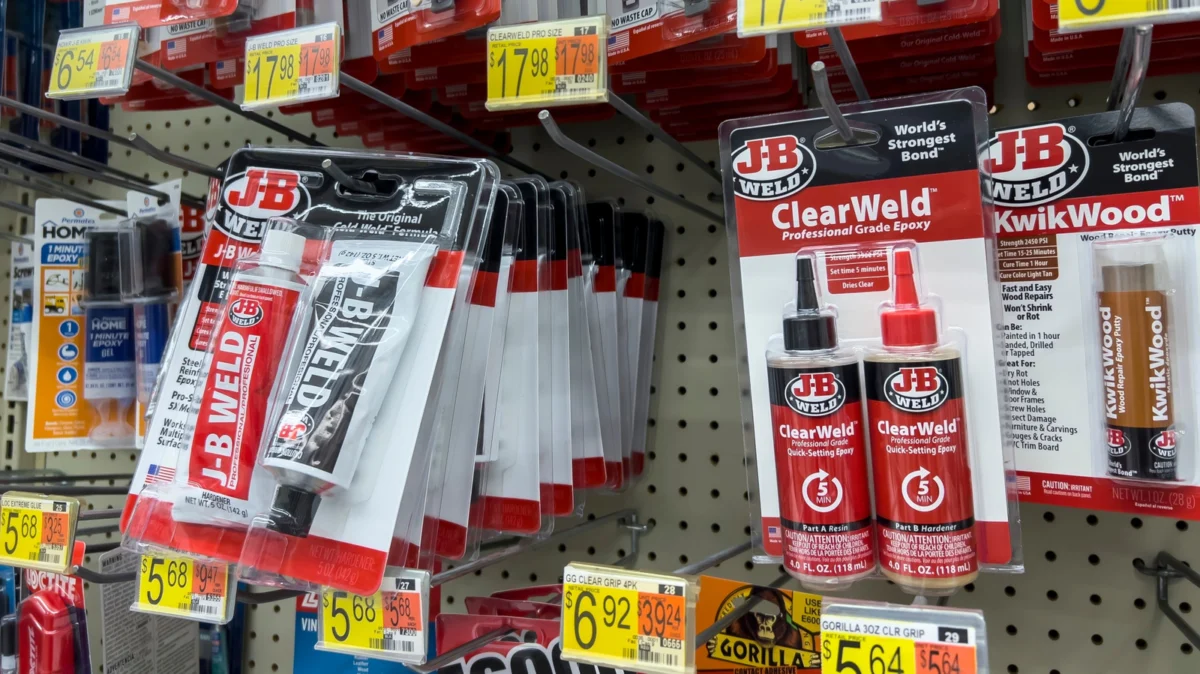
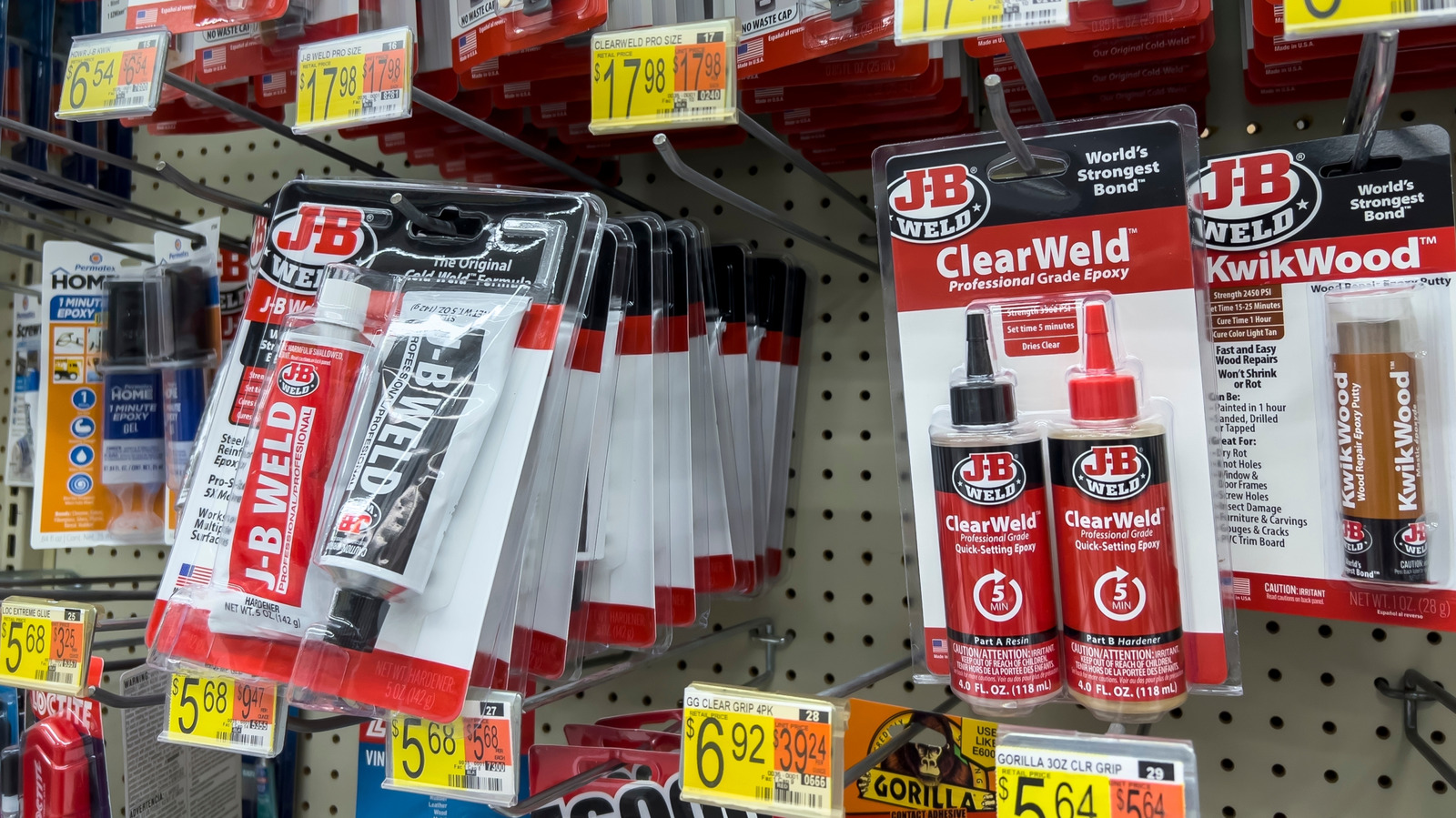
For the flagship Original J-B Weld Twin Tube, which is reinforced with steel to provide a durable, metal-like finish, the manufacturer dictates a set time of four to six hours at room temperature. This timeframe allows the user to manipulate the material into position. However, reaching the rated strength—often sufficient to withstand thousands of pounds of pressure—requires a full cure cycle of 15 to 24 hours. Attempting to subject the repair to high-stress loads, extreme heat, or harsh vibrations before this 24-hour window concludes often leads to bond failure, as the chemical matrix has not yet stabilized.
Chronology of Cure Times Across the Product Line
The J-B Weld brand has diversified its portfolio to meet specific industrial and consumer needs, resulting in varying cure cycles across its product lineup. It is a common error for users to apply the timeline of the Original formula to the entire brand catalog.
- KwikWeld: Engineered for rapid response, this variant is formulated for quick repairs where extended downtime is not an option. It sets in approximately four to six minutes and reaches a functional cure in four to six hours. While highly effective, it sacrifices some of the ultimate tensile strength found in the original, slower-curing formula.
- PlasticWeld: Designed specifically for bonding plastics, PVC, and composite materials, this product operates on an accelerated schedule, setting within 20 to 30 minutes and reaching a full cure in approximately one hour.
- ExtremeHeat: For high-temperature environments, such as exhaust manifolds or engine components, specialized formulas are required. These products often require a much longer cure cycle, sometimes extending up to 24 hours, to ensure the bond can withstand extreme thermal expansion and contraction without cracking.
Environmental Variables and Performance Factors
The performance of epoxy resins is dictated by the ambient environment in which the chemical reaction occurs. The standard curing times provided by the manufacturer are calculated based on an ideal "room temperature" baseline of 70 degrees Fahrenheit (21 degrees Celsius).
In cooler temperatures, the polymerization process slows significantly. If a repair is attempted in a garage during winter months where temperatures hover near freezing, the reaction may stall entirely, leaving the epoxy in a semi-solid, "tacky" state indefinitely. Conversely, extreme heat can cause the mixture to flash-set too quickly, potentially trapping air bubbles or preventing the adhesive from properly wetting the substrate surface, which compromises the bond’s integrity.
Troubleshooting Persistent Tackiness
A recurring issue reported by end-users is the persistence of a tacky or "soft" surface on the epoxy long after the suggested cure time has elapsed. When an epoxy remains tacky after 24 hours, it is almost exclusively the result of human error rather than a product defect. The three primary culprits are as follows:
- Improper Mixing Ratio: The chemical reaction requires a precise one-to-one ratio of resin to hardener. If the ratio is skewed—even slightly—the excess of one component will prevent the formation of a stable, rigid polymer chain.
- Incomplete Blending: Simply stirring the two components is insufficient. The material must be thoroughly blended until a uniform color is achieved. If streaks of unmixed resin or hardener remain, the result will be localized pockets of uncured material that will never harden.
- Surface Contamination: Epoxy requires a clean, porous, or roughened surface to achieve maximum adhesion. If the surface is coated in oil, grease, or loose debris, the epoxy will fail to "anchor" into the material, leading to a weak bond that may appear to be curing but will likely peel or shear under stress.
Best Practices for Optimal Results
To ensure the maximum efficacy of any J-B Weld product, technicians and DIYers should follow a rigorous preparation process. This includes cleaning the application area with a degreaser, lightly sanding smooth surfaces to provide a mechanical "tooth" for the epoxy to grip, and utilizing a clean mixing surface.
Once applied, the repair should be left undisturbed in a temperature-controlled environment. If a user discovers that the epoxy has remained tacky, the only corrective course of action is to remove the uncured material entirely—using a solvent like acetone if necessary—and reapply fresh material, ensuring a more meticulous mixing process.
Broader Implications for Industrial Applications
The reliance on cold-weld epoxies has expanded into professional automotive and marine maintenance because they offer a non-welding solution to metal restoration. However, the limitation of these products lies in their cure requirements. In industrial settings, the 24-hour wait time is often the most significant bottleneck.
Engineers and project managers must factor these cure times into their maintenance schedules. For instance, in a maritime environment, a hull repair must be planned to coincide with a period where the vessel can remain dry and stable for at least one full day. Failing to respect these timelines is not just a risk to the specific part being repaired; it is a safety concern. As with any structural adhesive, the bond is only as reliable as the curing process that created it. By strictly adhering to the manufacturer’s specified cure times and accounting for ambient environmental factors, users can ensure that their repairs achieve the strength and longevity necessary for the intended application.