The Evolving Imperative of Semantic Keywords in SEO and AI-Driven Search for 2026

The landscape of digital search is undergoing a profound transformation, challenging content marketers globally to re-evaluate fundamental strategies. A central question persists: Do semantic keywords still hold relevance in SEO by 2026, especially as artificial intelligence engines increasingly mediate information and influence consumer decisions? The unequivocal answer from industry experts and algorithmic shifts points to an amplified, rather than diminished, importance.

Google, the undisputed titan of search, processes an astonishing volume of queries, exceeding 5 trillion searches annually. However, the sheer quantity of searches is less critical than how Google interprets them. The era of simple exact-match keyword strings dictating search rankings has long passed. Modern search algorithms, much like the advanced AI answer engines such as ChatGPT, Perplexity AI, and Google’s own Gemini, prioritize understanding the meaning and intent behind a user’s query. This fundamental shift necessitates that by 2026, brands must craft content that not only demonstrates deep topical authority but also anticipates and addresses the multifaceted questions and contexts of their target audience. Such content will be crucial for securing prominent rankings in traditional search results and earning valuable citations within AI-generated answers, which are rapidly becoming a primary mode of information consumption.
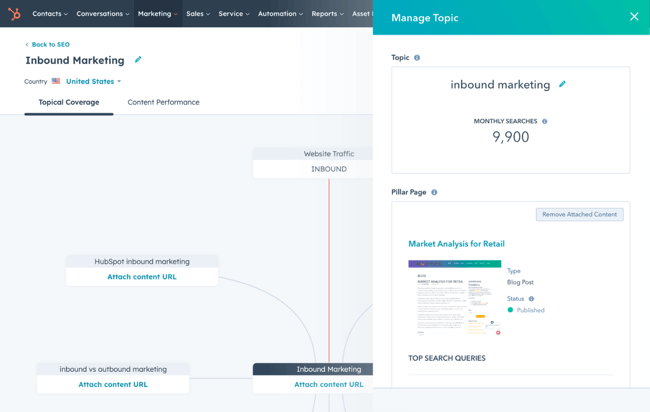
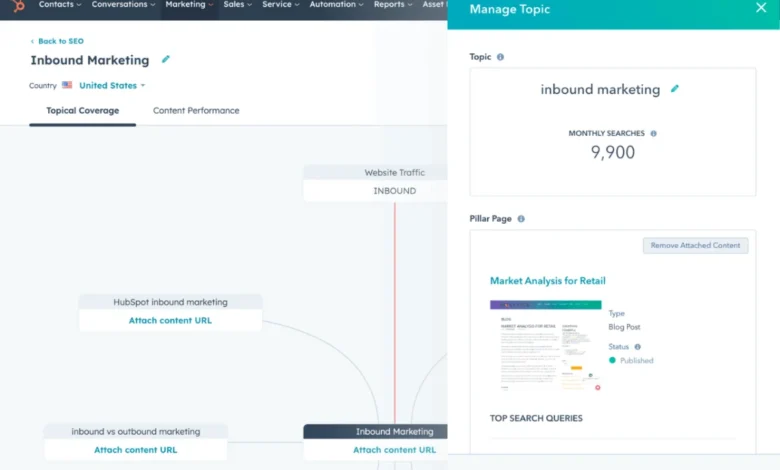
This comprehensive guide delves into the essence of semantic keywords, distinguishing them from outdated LSI tactics, and provides a repeatable, eight-step process for their discovery and strategic deployment in the coming years. Whether optimizing for Google’s evolving algorithm, the burgeoning AI Overviews,