
The representation of ethnic minority journalists in the media industry experiences a severe and consistent decline past the midpoint of their careers, exposing deep-seated cultural and structural failures within modern newsrooms. Industry data and qualitative insights consistently reveal that while media organizations have grown adept at implementing entry-level diversity recruitment programs, they fail profoundly at retention. This attrition points to an uncomfortable industry truth: newsrooms continue to place the burden of fixing systemic racism on the very individuals who experience it, prompting a mass exodus of experienced talent precisely when leadership pipelines should be diversifying.
The Mid-Career Cliff: Where Diversity Goes to Die
For decades, media organizations have pointed to entry-level hiring metrics as proof of their commitment to diversity. Job fairs, fellowship programs, and targeted graduate pipelines routinely inject diverse talent into junior reporting roles. However, longitudinal studies of newsroom demographics indicate that these gains evaporate long before professionals reach senior editing, production, or executive decision-making positions.
This phenomenon, frequently referred to by diversity, equity, and inclusion (DEI) advocates as the "mid-career cliff," occurs roughly between seven and fifteen years into a journalist’s career. At this juncture, professionals who survived the precarious freelance and junior reporter markets begin evaluating long-term sustainability. For ethnic minority journalists, this evaluation is heavily influenced by persistent microaggressions, unequal compensation, pigeonholing into specific coverage beats (such as race or crime reporting), and a conspicuous glass ceiling that blocks promotion to high-level editorial control.
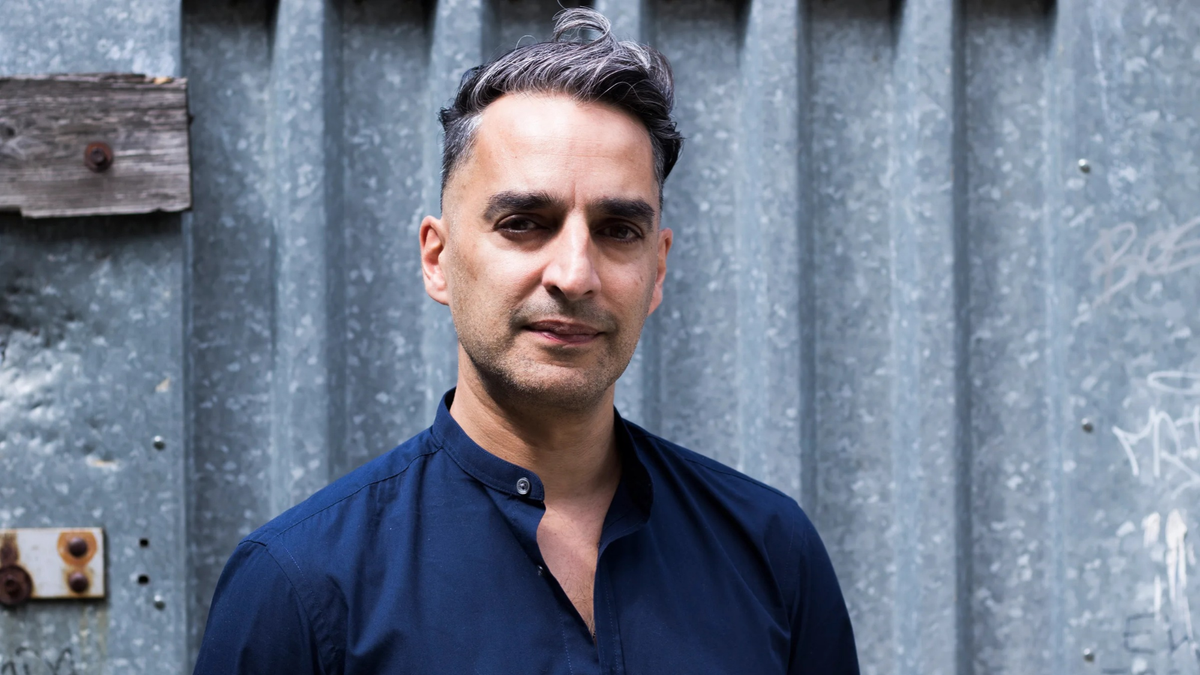
Media strategist and commentator Shirish Kulkarni captured the essence of this systemic failure, noting the inherent contradiction in how newsrooms attempt to address internal bias: "We keep asking the victims of racism to fix the racism. Then we wonder why they leave." This dynamic turns retention into an exhausting, uphill battle for journalists of color, who are frequently expected to perform emotional labor, educate colleagues on cultural sensitivity, and manage exclusionary newsroom politics on top of their demanding journalistic duties.
Chronology of an Industry Blind Spot
The crisis surrounding newsroom retention is not a recent development, though public discourse has shifted significantly over the past decade.

- 2015–2018: Early waves of digital media consolidation and restructuring disproportionately impact diverse newsrooms. Traditional legacy outlets face financial pressures, leading to buyouts and layoffs that hollow out mid-level ranks. Minority journalists, who are often concentrated in junior positions due to delayed hiring initiatives, face higher vulnerability during these reductions.
- 2020: The global reckoning on racial justice following the murder of George Floyd prompts unprecedented self-reflection across the media industry. News organizations issue public apologies, establish internal diversity task forces, and pledge millions of dollars to diversify coverage and staffing.
- 2021–2023: Outlets focus heavily on recruitment metrics, celebrating increased percentages of journalists of color in entry-level positions. However, internal friction arises as veteran minority staff members point out that representation at the executive and board levels remains largely unchanged.
- 2024–2025: Industry attrition rates among mid-career journalists of color climb. Exit interviews and qualitative studies highlight burnout, lack of career progression, and editorial friction over cultural coverage as primary drivers of departure.
- Late 2026: Media critics and industry analysts increasingly pivot away from superficial hiring quotas, arguing that "hiring your way out" of a structural problem is a failed strategy. Attention shifts firmly toward management accountability, culture change, and retention frameworks.
The Limitations of Performative Diversity
The fundamental flaw in modern newsroom recruitment strategies lies in the assumption that diversity can be solved simply by altering the funnel at the top. When organizations focus exclusively on recruitment without overhauling internal culture, they create a revolving door. New hires enter an environment resistant to change, experience professional isolation, and ultimately choose to leave the industry entirely or pivot to public relations, corporate communications, or independent media.
Furthermore, structural racism in newsrooms often manifests in subtle, institutional ways rather than overt prejudice. Ethnic minority journalists frequently report being passed over for high-profile investigative assignments or prestigious foreign correspondent posts under the subjective guise of "not being the right fit." Editorial meetings can become hostile spaces where story pitches reflecting diverse lived experiences are dismissed as "niche" or lacking broad appeal, while dominant cultural perspectives are treated as universal truths.
When these journalists raise concerns about institutional bias or flawed coverage of marginalized communities, they are frequently labeled as "difficult" or "disruptive," rather than being recognized as agents of necessary institutional reform. This gaslighting accelerates burnout, ensuring that the individuals best equipped to guide newsrooms through demographic shifts are systematically pushed out.
Industry Data and the Cost of Inaction
Quantitative assessments of the media landscape underline the urgency of the problem. According to historical and ongoing surveys by organizations such as the News Media Association and various press institutes, minority representation drops by roughly 40% to 60% when tracking cohorts from entry-level positions to managerial tiers.
This lack of diversity at the top has a direct, measurable impact on the quality and accuracy of public interest journalism. When leadership teams lack diverse perspectives, blind spots in coverage multiply. Stories affecting vulnerable communities are frequently misreported, sensationalized, or ignored altogether until a public backlash forces coverage. This erodes public trust in mainstream media outlets, particularly among younger and more diverse audiences who no longer see their realities accurately reflected in the news.
Financially and reputationally, newsrooms pay a heavy price for their inability to retain diverse talent. High turnover rates disrupt institutional memory, diminish newsroom morale, and require continuous investment in onboarding new staff—resources that could otherwise be dedicated to investigative reporting and long-term sustainability.

Shifting Focus: From Recruitment to Retention
Addressing the mid-career exodus requires a fundamental reimagining of newsroom governance. Media executives must move past defensive public relations exercises and confront the structural conditions that drive talent away.
- Decouple Diversity from Emotional Labor: Newsrooms must stop relying on junior or mid-level journalists of color to design diversity initiatives, lead sensitivity training, or police cultural accuracy in reporting. Responsibility for cultural competence must rest squarely with senior leadership and dedicated, compensated management personnel.
- Transparent Promotion Pathways: Meritocratic ideals often mask unconscious bias in promotions. Establishing clear, objective, and auditable criteria for advancement to desk editor, executive producer, and leadership roles helps ensure that minority journalists are not disadvantaged by subjective evaluations.
- Accountability for Management: Diversity metrics should not be treated merely as HR talking points for annual reports. Mid-level and senior managers must be evaluated on their ability to retain, mentor, and promote diverse teams. Compensation and advancement for executives should be tied directly to the psychological safety and inclusivity of their departments.
- Redefining Journalistic Authority: Traditional definitions of "objective journalism" have historically been weaponized to exclude marginalized perspectives, framing the status quo as neutral and systemic critique as biased. Modern newsrooms must foster environments where diverse reporting approaches and lived experiences are valued as core professional assets rather than liabilities.
Broader Implications for the Future of Media
The survival of professional journalism in the twenty-first century depends on its ability to reflect and connect with increasingly multicultural societies. If legacy newsrooms and digital outlets continue to function as exclusive enclaves that chew up and spit out diverse talent by mid-career, they will lose their relevance entirely.
The insight articulated by Shirish Kulkarni serves as a warning for media leaders: tinkering with entry-level hiring pipelines while leaving toxic newsroom cultures intact is an exercise in futility. Until the industry stops treating diversity as a superficial compliance metric and starts dismantling the structural barriers that force experienced journalists of color out, newsrooms will remain trapped in an endless, self-defeating cycle of recruitment, burnout, and departure.