
The teenage bedroom of the 1990s represented a unique cultural intersection, serving as the final bastion of purely analog personal space before the total integration of digital connectivity. Unlike the fragmented, algorithm-driven aesthetics of the 2020s, the 1990s bedroom was shaped by a centralized mass media machine. Through the influence of MTV, mall-based retail culture, and monthly periodical subscriptions, an entire generation developed a synchronized visual language. Today, these spaces are being analyzed by sociologists and economists alike as "micro-habitats" that not only defined a decade but also created a multi-million dollar secondary market for vintage collectibles and "Y2K" decor.

The Cultural Architecture of the Private Sanctuary
In the early-to-mid 1990s, the domestic role of the bedroom shifted from a mere sleeping quarter to a multi-functional "command center." This evolution was driven by an economic boom that increased household purchasing power and a marketing shift that began targeting teenagers as a distinct consumer class. The result was a room that functioned as a private ecosystem, containing its own entertainment systems, communication tools, and social seating.

Market data suggests that the "teen economy" exploded during this period. Retailers like Spencer’s Gifts, Claire’s, and The Discovery Store became the primary architects of this aesthetic. By examining the 29 quintessential items found in these rooms, we can trace the chronology of a decade that moved from the grunge-influenced analog of 1992 to the high-tech, neon-saturated "Y2K" anticipation of 1999.

The Ambient Environment: Lighting and Atmosphere
Atmosphere in the 1990s bedroom was defined by "low-fidelity" lighting solutions that prioritized mood over utility.
29. The Lava Lamp: Though originally a 1960s invention, the lava lamp underwent a massive commercial revival in the mid-90s. Sales for the original manufacturer, Mathmos, and various imitators spiked as the decade embraced "retro-futurism." The slow-moving wax required a physical warm-up period of 20 to 60 minutes, a stark contrast to the instant gratification of modern smart lighting.
28. The Beaded Curtain: Functioning as a symbolic rather than physical barrier, beaded curtains—made of plastic, wood, or glass—replaced traditional doors or adorned closet entries. They signaled a desire for semi-permeable privacy, allowing sound and light to pass through while demarcating personal territory.
26. Glow-in-the-Dark Ceiling Stars: These phosphorescent plastic stickers represented a low-cost entry into personalization. Data from toy manufacturers indicates that millions of these sets were sold annually. However, they also represented a long-term maintenance issue; the adhesive often became permanent, leaving a "phantom galaxy" on the ceilings of suburban homes well into the 2000s.
20. Fiber Optic Lamps: Often sold as high-end gifts, these lamps utilized bundles of optical fibers to transmit light from a rotating color wheel. While they offered no functional illumination, they served as a precursor to the LED-driven "gamer" aesthetics of the modern era.
14. Repurposed Twinkle Lights: The trend of using white Christmas lights as year-round bedroom decor began in earnest during this decade. It was a budget-friendly method of creating a warm, ambient environment, a design philosophy that has since been codified into the "soft girl" or "cottagecore" aesthetics of social media.

The Audio-Visual Revolution: From Cassettes to Early Internet
The 1990s saw the most rapid transition in media formats in history, moving from magnetic tape to optical discs to digital files within ten years.

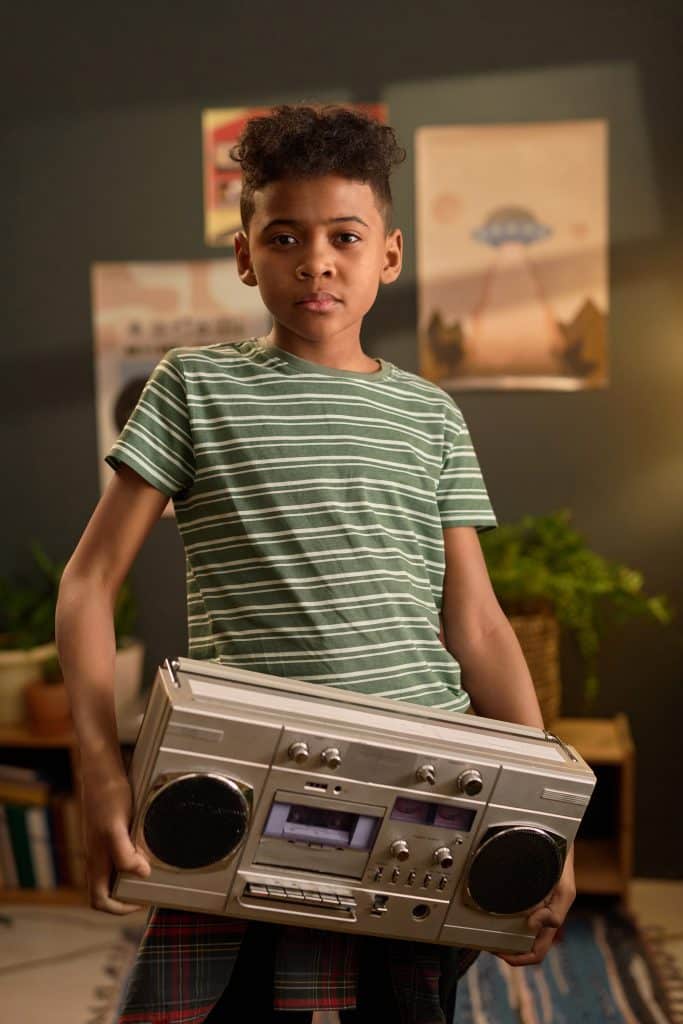
21. The Boom Box: In the early 90s, the portable stereo was the primary music delivery system. It facilitated the "recording off the radio" culture, a form of early digital piracy where users would wait for hours to catch a specific song to record onto a blank cassette.

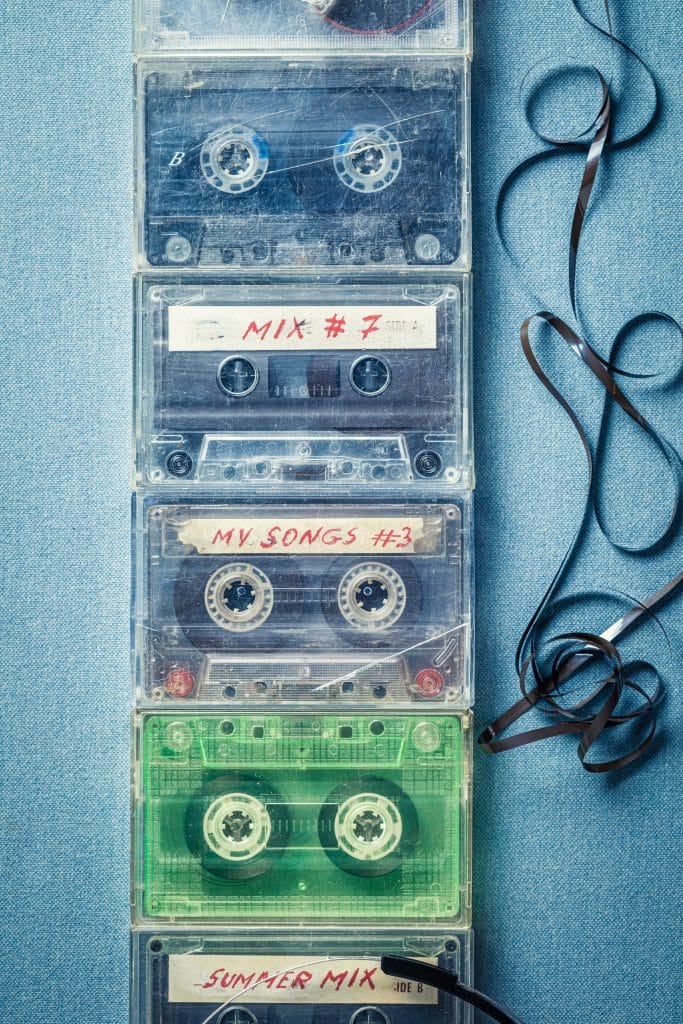
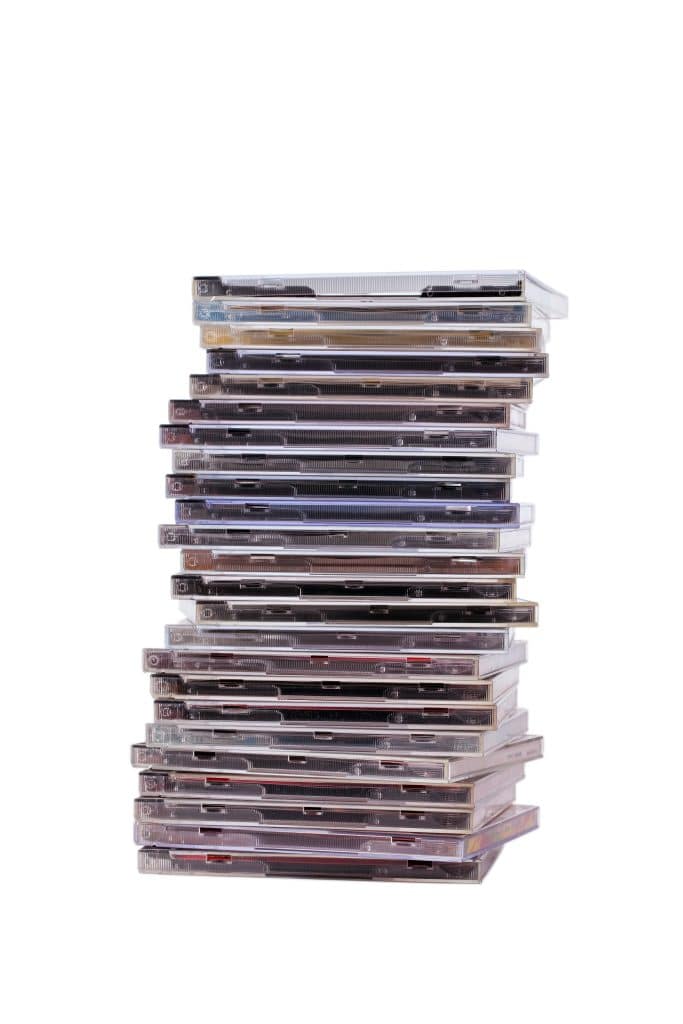
17 & 16. Tape Racks and CD Binders: As collections grew, storage became a visual status symbol. The transition from the "shoebox of tapes" to the "Case Logic CD binder" mirrored the professionalization of the teen music fan. The binder, in particular, represented a move toward portability, though it often led to the permanent loss of original jewel case art—a factor that now drives up the price of "complete-in-box" (CIB) vintage CDs on the collector’s market.
8. The TV/VCR Combo: The introduction of the integrated television and video cassette recorder was a milestone in bedroom independence. It allowed for private viewing of rented movies from chains like Blockbuster Video, removing the "living room gatekeeper" from the teen’s media consumption.

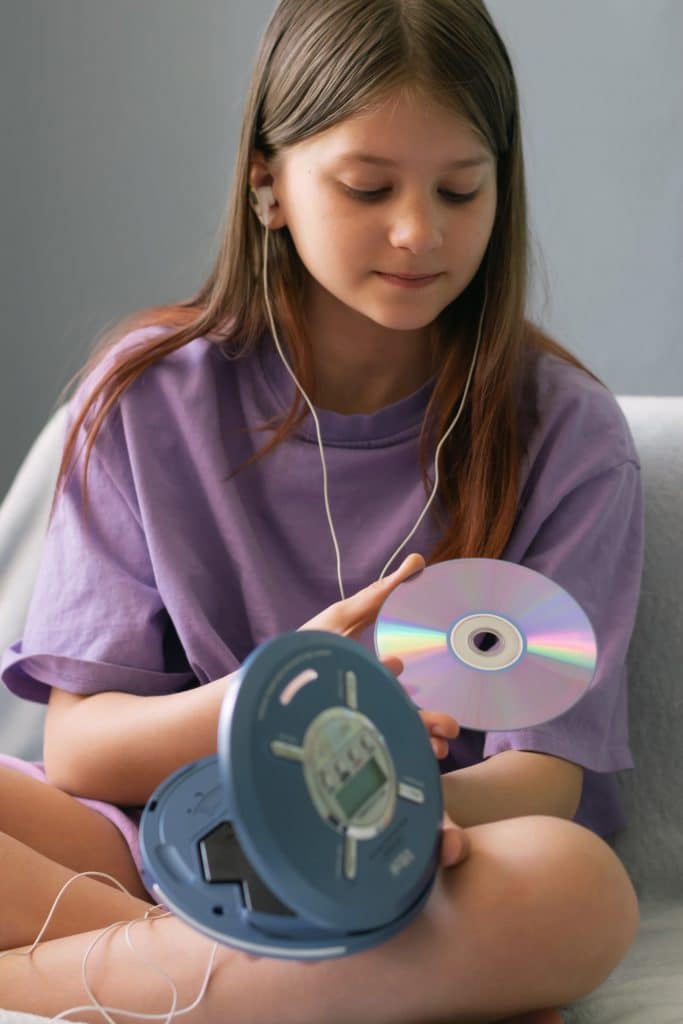
7 & 6. CD Towers and Portable Players: The vertical CD tower became a staple of bedroom furniture. Simultaneously, the portable CD player (and the struggle with "anti-skip" technology) defined the mobile music experience before the 2001 launch of the iPod.

5. The Family Computer Migration: By 1998, the desktop PC began moving from the home office into the bedroom. This ushered in the era of America Online (AOL) and Instant Messenger (AIM). The "Away Message" became the first form of social media status, allowing users to broadcast their mood or activity to a digital network for the first time.

Tactile Furnishings and the Social Layout
The physical layout of the 90s bedroom was designed to accommodate guests in an era where social interaction was primarily face-to-face.
24. The Inflatable Chair: A peak "fad" product of 1997-1998, these PVC chairs were cheap and colorful. However, they were structurally flawed, with a high failure rate due to seam leaks. Their current status as a "vintage Y2K" icon has seen a resurgence in production, though original 90s versions in working condition are exceedingly rare.

10. The Beanbag Chair: A more durable alternative to the inflatable chair, the beanbag provided the "floor-level" seating required for marathon sessions of video games or phone conversations.
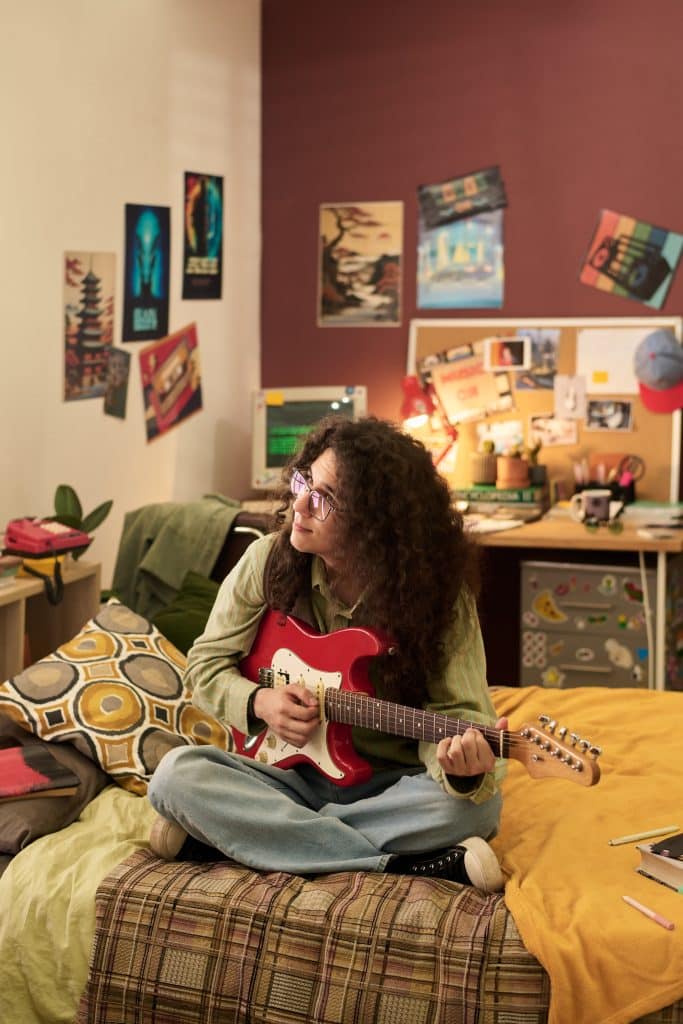
1. The Bed as Command Center: Perhaps the most significant cultural takeaway is the use of the bed as a primary workspace. In a room without ergonomic furniture, the bed became the site for homework, telephonic socializing, and media consumption. This behavioral pattern directly informed the "work-from-bed" habits seen during the global lockdowns of the 2020s.

The Economic Implications of 90s Nostalgia
As of 2024, the market for 1990s bedroom artifacts has shifted from "thrift store clutter" to "high-value vintage." This transition follows the "30-Year Rule" in economics, which suggests that nostalgia for a decade peaks when the children of that era reach their maximum discretionary spending power.

Supporting Data on Market Values:
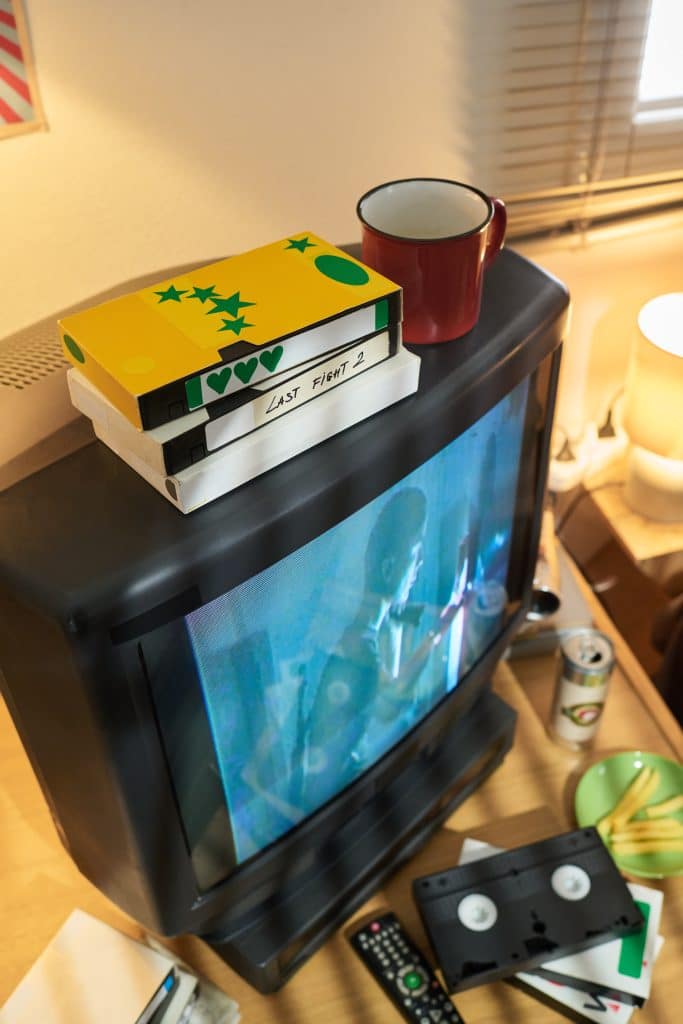
- Physical Media: Rare cassette tapes and certain out-of-print 90s CDs have seen a 200% increase in resale value on platforms like Discogs.
- Electronics: Working Sony Walkmans or TV/VCR combos are now sought after by "retrotech" enthusiasts, often selling for more than their original retail price when adjusted for inflation.
- Decor: Authentic sports pennants (Item 27) from defunct teams (e.g., the Seattle SuperSonics or the Houston Oilers) have become legitimate sports memorabilia with significant appraisal value.
Analysis: The Psychological Legacy of the 90s Space
Psychologically, the 1990s bedroom was the last era of "unplugged" privacy. While the late 90s introduced the internet, it was tethered to a wall by a phone cord. When a teenager was in their room, they were truly away from the world in a way that is impossible in the era of smartphones.
The "organized chaos" (Item 23: Magazine tear-outs; Item 18: Stickers on mirrors) was a form of physical curation. Today’s teenagers curate their "walls" on Instagram or TikTok; 90s teenagers did so with Scotch tape and scissors. This physical interaction with one’s environment fostered a different relationship with objects—one characterized by tactile memory and physical ownership.
Conclusion and Future Outlook
The 1990s bedroom was more than a collection of plastic and neon; it was a transitional space that prepared a generation for the digital age while remaining rooted in the physical world. For those looking to capitalize on this trend, experts recommend a "hold" strategy for intact 90s electronics and physical media. As the "Y2K" aesthetic continues to dominate fashion and interior design, the artifacts of the 90s bedroom will likely continue to appreciate, moving from the realm of nostalgia into the category of historical cultural assets.

The shift from physical media ownership to digital "renting" (streaming) has only increased the perceived value of these items. In a world of ephemeral digital files, the clunk of a VHS tape or the glow of a lava lamp offers a sensory permanence that the modern digital landscape cannot replicate. For the "90s kid," these items remain the definitive markers of a lost, but highly influential, domestic frontier.