Half a century after descending into the soot-stained depths of North East collieries and learning the uncompromising tenets of regional newsrooms, the surviving members of a legendary British journalism training cohort have gathered to celebrate a remarkable 50-year milestone. Ten alumni from the seminal 1976 intake of the Brownlee Academy in Newcastle reunited on November 17 to toast decades of reporting that spanned the corridors of Westminster, foreign bureaus, and the nation’s most prestigious newspaper and broadcasting institutions.
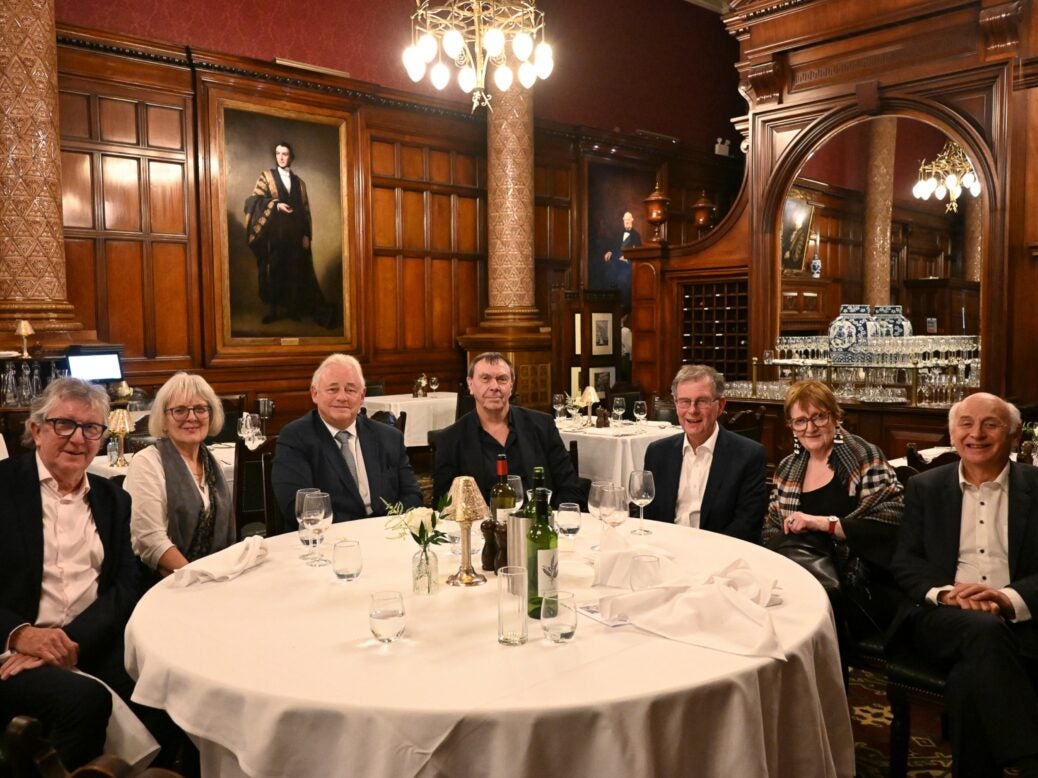
The reunion brought together a generation of journalists whose collective bylines have documented modern British history for the past fifty years. Seven members of the class gathered in person for a commemorative dinner at the historic National Liberal Club in Whitehall, London, while three additional alumni participated remotely via video link from Scotland and Ireland.
The milestone serves as both a personal celebration of lifelong camaraderie and a poignant reminder of a bygone era in British print and broadcast journalism—a time of hot metal, intensive shorthand, and an unyielding commitment to shoe-leather reporting.
The Genesis of a Journalistic Crucible
The story of the Class of ’76 traces back to 1969, when Thomson Regional Newspapers established an elite graduate training program in Newcastle upon Tyne. Over time, the program evolved into what would affectionately and respectfully become known as the Brownlee Academy, named in honor of its legendary principal mentor, John Brownlee.
Brownlee, who passed away in 2013 at the age of 95, was a towering figure in British media training. Alongside his co-mentor Walter Greenwood—who died the same year at 87—Brownlee forged a rigorous four-month curriculum designed to transform raw university graduates into battle-ready reporters capable of walking straight off the street and onto the bustling floor of a major regional daily.
The 1976 intake comprised twelve graduate trainees. Their immersion into the craft was neither gentle nor purely academic. In an era when local newspapers were the primary gatekeepers of civic accountability, Brownlee and Greenwood instilled a philosophy rooted in practical, tactile engagement with the communities they covered.
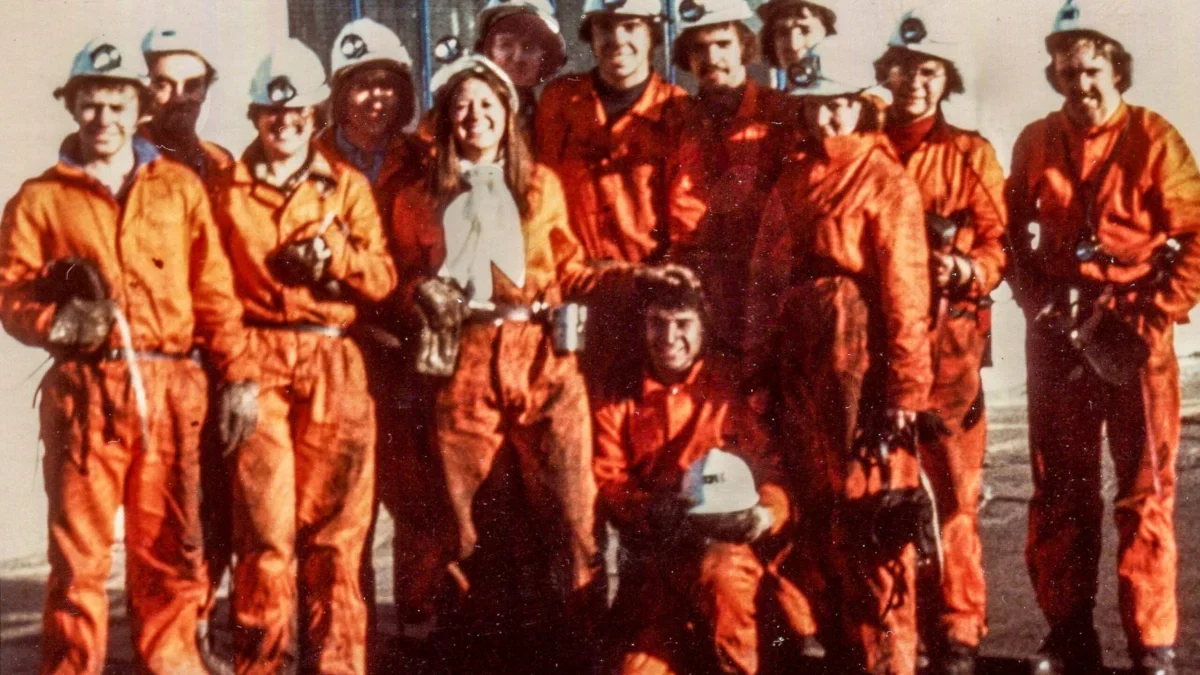
A famous photograph from their training days captures the twelve graduates emerging from a subterranean visit to a North East coal mine. Clad in hard hats and grimy overalls, the young trainees had descended deep underground to experience firsthand the grueling realities of industrial labor before ever putting pen to paper regarding miners’ wages, safety regulations, or labor disputes.
Wisdom from the Front Line: "Rat-Like Cunning" and Rigorous Verification
Reflecting on the foundations laid during those intense four months in Newcastle, alumni frequently highlight the colorful yet razor-sharp wisdom imparted by their instructors.
Robert Orchard, who went on to have a distinguished career as a political and parliamentary correspondent for the BBC, recalled a piece of core tactical advice dispensed by John Brownlee regarding the traits essential for survival and success in the industry. According to Orchard, Brownlee maintained that a top-tier reporter required two primary attributes: "benign plausibility and rat-like cunning."
This blend of approachable charm and relentless investigative tenacity became the hallmark of the cohort’s reporting.
Aileen Ballantyne, whose subsequent career featured prominent roles at The Scotsman, The Guardian, and The Sunday Times, emphasized the transformative impact of the Academy’s training regime.
"The dedication of John Brownlee and Walter Greenwood turned us into reliable working journalists who could go straight onto the staff of a large newspaper," Ballantyne reflected. "By the end of that four-month course, we knew that first and foremost ‘news is about people’, that you should go down a coal mine and see what it’s like to work there before you try to write about miners’ pay and conditions, and before you hand in your copy you do three things: ‘Check, check, check’."
That mantra—reiterated endlessly in the newsrooms of the 1970s—formed a bulwark against inaccuracy, libel, and lazy reporting. Crucially, Walter Greenwood was not only a legendary instructor of newsroom craft but also a preeminent legal authority. Greenwood authored ten editions of McNae’s Essential Law for Journalists, the undisputed bible of media law, ensuring that every reporter passing through the academy understood the delicate balance between the public’s right to know and the strictures of the legal system.
A Roll Call of Fleet Street Distinction
The alumni of the Brownlee Academy and its broader Thomson training lineage read as a veritable who’s who of British media leadership. Over the decades, the training ground famously produced luminaries such as broadcaster Andrew Marr, former Financial Times editor Lionel Barber, and veteran BBC journalist James Naughtie.
The Class of ’76 itself proved to be an extraordinarily fertile ground for journalistic excellence, producing prominent voices across the political, investigative, and cultural spheres.
Among the most enduring figures from the cohort is Philip Johnston, a preeminent political commentator and chief leader writer for The Daily Telegraph. Johnston’s career represents a masterclass in institutional longevity; he has spent an astonishing 38 years at the helm of The Telegraph’s comment and analysis pages. In a testament to his enduring influence within British political commentary, Johnston’s presence at the Whitehall reunion coincided with a high-profile career transition, as he prepares to step down from The Telegraph to write editorials for The Times.
Alongside Johnston, Orchard, and Ballantyne, the attendees at the Whitehall dinner—including Adrian Faber, Charlotte Barry, Martin Dowle, Sue Garland, and Geoffrey Davies—reflected on careers that bore witness to some of the most turbulent and transformative decades in modern British history. From the upheaval of the 1984 miners’ strike and the rise of New Labour to the digital revolution that upended traditional print media, the Class of ’76 reported from the front lines of history.
The Evolution of Journalism Training: Then Versus Now
The 50th-anniversary reunion has inevitably sparked broader conversations within media circles regarding the evolution of journalist training and the stark contrasts between the industry of 1976 and the digital landscape of the 2020s.
When the Class of ’76 entered the profession, newsrooms were loud, smoke-filled symphonies of clacking typewriters, ringing rotary phones, and the steady hum of linotype machines. Training was intensely practical, apprenticeship-driven, and embedded directly within functioning newspaper offices. Trainees learned the ropes under the watchful, often unforgiving eyes of veteran sub-editors and hard-nosed news editors.
Today, while modern multimedia journalism degrees incorporate technical competencies in video editing, Search Engine Optimization (SEO), data analytics, and social media management, industry veterans frequently argue that the foundational virtues championed by Brownlee and Greenwood—skepticism, human empathy, rigorous fact-checking, and deep community immersion—remain immutable.
The ability to look an interviewee in the eye, navigate complex local government legislation, and extract truth from institutional opacity are skills that transcend technological shifts. The longevity of the careers forged by the Brownlee Academy alumni stands as a powerful testament to the enduring value of rigorous, ethics-based foundational training.
Preserving a Legacy
As the ten surviving members of the original twelve-strong intake gathered to raise a glass in the National Liberal Club, the atmosphere was defined as much by camaraderie as by reflection. Half a century after boarding trains to Newcastle as eager graduates, the group celebrated a shared bond forged in the crucible of regional journalism.
In an era where the media landscape faces unprecedented economic and technological challenges, the reunion of the Class of ’76 offers a timely reminder of the profound impact of dedicated mentorship. Through the collective work of journalists trained under the Brownlee and Greenwood philosophy, millions of readers over the past fifty years have been informed, challenged, and guided through the complexities of the modern world—armed with little more than a notebook, a sharp pencil, and the eternal newsroom directive to check, check, check.