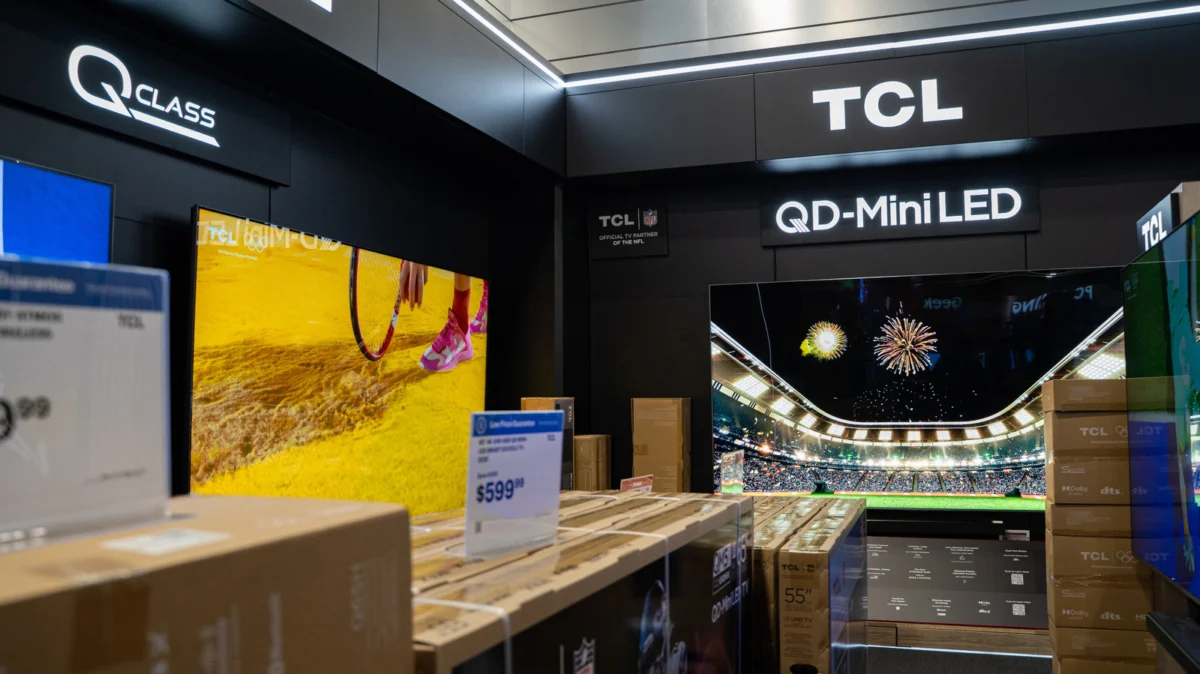
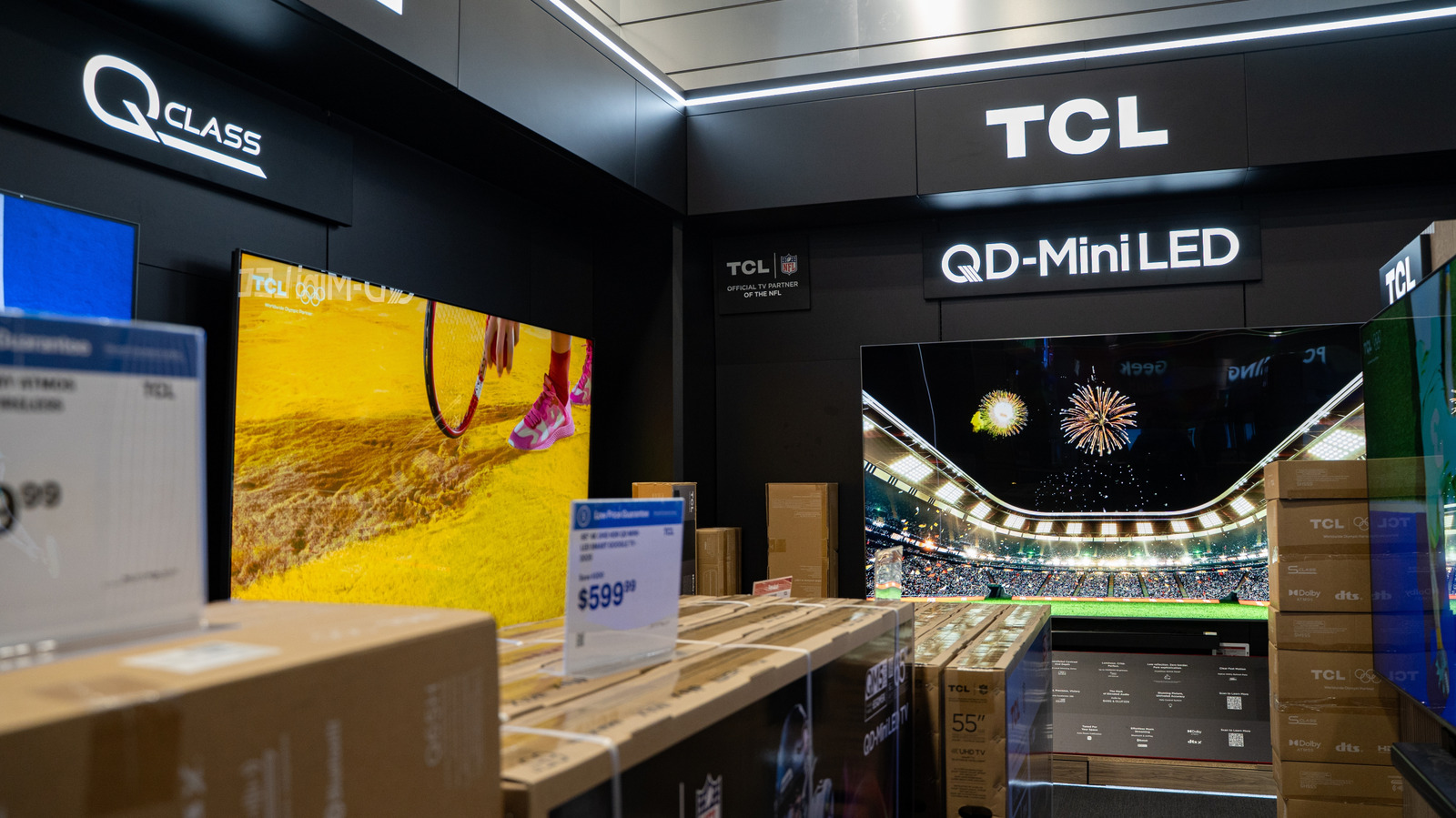
The landscape of consumer electronics is frequently marked by intense competition, but a new legal battle has emerged that strikes at the heart of display technology marketing. TCL, a global leader in television manufacturing, has initiated a lawsuit against Samsung in the United States District Court for the Central District of California, alleging that the South Korean giant engaged in deceptive trade practices. At the center of the dispute is the use of the "Mini LED" designation, which TCL contends has been misappropriated by Samsung to market mid-range, standard LED televisions that lack the sophisticated local dimming capabilities associated with genuine Mini LED displays. This litigation represents a significant escalation in the rivalry between the two companies, highlighting the friction between established market incumbents and the rapid rise of value-oriented competitors.
The Core Allegations and Market Context
TCL’s filing asserts that Samsung intentionally defrauded the market by rebranding its more affordable television lines as "Mini LED" models. According to the plaintiff, this marketing strategy was a direct response to the erosion of Samsung’s market share in the budget-to-mid-range sector. TCL argues that as its own line of competitively priced Mini LED televisions gained traction among consumers seeking high-contrast performance without the premium cost of OLED or high-end QLED, Samsung found itself without a viable answer at a similar price point.
The legal complaint suggests that Samsung’s "M-series" televisions, marketed under the Mini LED banner, are essentially repurposed iterations of its existing Crystal UHD product lines. These units lack the Full-Array Local Dimming (FALD) technology that is fundamentally necessary to justify the Mini LED label. FALD allows a television to control the brightness of specific zones of the screen independently, leading to deeper blacks and superior contrast ratios. By allegedly applying the Mini LED label to standard edge-lit or direct-lit displays that do not possess this zoning capability, TCL claims that Samsung has misled consumers and unfairly undercut a segment of the market that TCL had effectively pioneered and cultivated.
Defining the Technology: What Makes a Mini LED?
To understand the gravity of the legal claims, it is necessary to establish the technical standards of modern television displays. Mini LED technology is defined by the size of the LEDs used in the backlight array. Unlike traditional LED TVs, which use larger diodes, Mini LEDs are significantly smaller, allowing thousands of them to be packed into the backlight layer. This density is what enables precise control over local dimming zones.
TCL’s argument rests on the industry-accepted definition that Mini LED is synonymous with advanced local dimming. When a manufacturer markets a product as "Mini LED," the consumer expectation—and the engineering standard—is that the display will provide enhanced contrast by dimming specific areas of the screen while keeping others bright. TCL contends that Samsung has weaponized the "Mini LED" nomenclature to capitalize on the prestige associated with the technology, while providing the consumer with a standard LED experience.
The lawsuit points to a potential contradiction in Samsung’s own historical marketing. In previous promotional materials for its high-end Neo QLED lineup, Samsung explicitly defined its Mini LED technology by its ability to provide better contrast through granular local dimming zones. By utilizing the same terminology for the M-series, TCL argues that Samsung has created a deceptive bridge between its high-performance flagship products and its budget offerings, confusing the average shopper who may not be familiar with the nuanced differences in panel construction.
Chronology of the Dispute and Market Dynamics
The tension between the two firms has been building for several years. Since roughly 2020, TCL has aggressively pursued a strategy of bringing high-end display technologies to the mass market. Their Mini LED TVs were marketed as a "value alternative" to more expensive OLED sets, which are notorious for their risk of screen burn-in and higher price tags.
As TCL captured significant market share, Samsung, which historically dominated the premium QLED space, faced pressure to protect its margins. The introduction of the disputed M-series appears to be a defensive maneuver aimed at recapturing the value-conscious consumer segment. The legal filing suggests that the timing of this product launch coincided with a notable shift in consumer purchasing patterns, as TCL’s footprint in retail giants like Best Buy and Walmart expanded.
The lawsuit alleges that these "sham products" were positioned specifically to obstruct TCL’s growth. If the court finds that Samsung did indeed utilize deceptive labeling, the implications could be far-reaching, potentially forcing a recall of marketing materials, changes to product packaging, and significant financial penalties under California’s Unfair Competition Law.
Industry Implications and Consumer Protection
This case serves as a broader bellwether for the consumer electronics industry, where "marketing speak" often runs ahead of technical reality. In the rush to label products with buzzwords—such as 8K, QLED, or Mini LED—manufacturers frequently blur the lines of technical specifications. If a court establishes that the misuse of a technology label constitutes a legal injury to a competitor, it could set a powerful precedent.
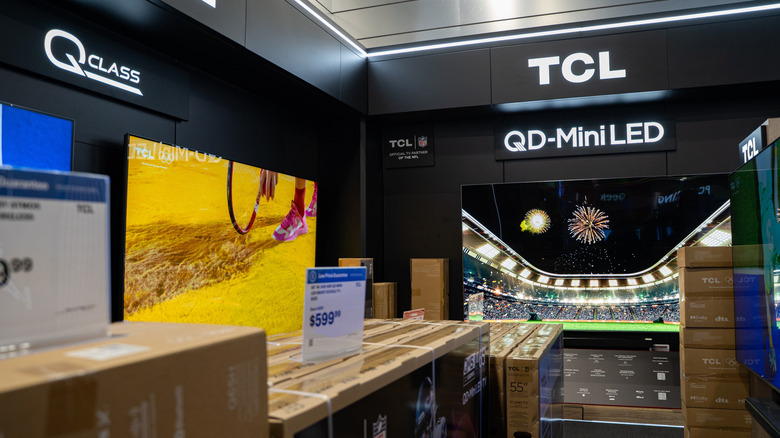
For the consumer, the lawsuit underscores the importance of scrutinizing technical specifications beyond the marketing labels found on store shelves. The distinction between a true Mini LED display with hundreds or thousands of dimming zones and a standard LED display with global dimming is massive in terms of picture quality. Industry analysts suggest that if the court sides with TCL, it may force major manufacturers to be more transparent in their labeling, ensuring that marketing terms are consistently applied to specific technical architectures.
The Role of California’s Unfair Competition Law
The choice of jurisdiction—the Central District of California—is significant. California’s Unfair Competition Law (UCL) is robust and frequently used in cases involving false advertising and deceptive business practices. Under the UCL, a plaintiff must show that the defendant’s conduct was not only unfair or fraudulent but also resulted in a specific economic injury.
TCL’s argument is that its economic injury is direct and measurable: the loss of sales to a competitor who won those sales through misleading information rather than superior product engineering or pricing. The defense will likely argue that "Mini LED" is a broad term that describes a component size rather than a specific performance standard, potentially arguing that even smaller-than-standard LEDs qualify for the label, regardless of the local dimming capabilities.
Looking Ahead: The Burden of Proof
As the litigation proceeds, the court will likely rely heavily on technical testimony from display engineers and market research data. Samsung has not yet provided a detailed public rebuttal beyond standard procedural filings, but the company is expected to mount a rigorous defense, likely centering on its own proprietary definitions of television display technology.
Regardless of the outcome, the lawsuit has already succeeded in drawing a bright line under the importance of technical transparency in the television market. As display technology continues to evolve toward Micro LED and further iterations of OLED, the industry will be forced to grapple with how these terms are used. If the "Mini LED" label is successfully protected from dilution, it could provide a higher degree of clarity for consumers. If, conversely, the court finds that Samsung’s usage was within the bounds of standard industry marketing, it may solidify a new era of "flexible" terminology in consumer tech marketing, where labels are treated more as branding exercises than rigid technical descriptors.
The outcome of this case will be closely monitored by competitors, retailers, and consumer advocacy groups. At its core, this is a fight for the definition of value in the living room, and for the right of companies to compete on the basis of genuine technical innovation rather than the clever use of industry buzzwords. As the legal process unfolds, the electronics industry faces a significant reckoning regarding the ethics of its marketing and the necessity of maintaining consumer trust in an increasingly complex technical landscape.