The rise of pickleball as a cultural and recreational phenomenon provides an unexpected yet highly relevant framework for digital content strategy. Often dismissed by critics as a fleeting trend, the sport has demonstrated remarkable growth, with the Sports & Fitness Industry Association (SFIA) reporting that pickleball has been the fastest-growing sport in the United States for three consecutive years. As of 2024, an estimated 13.6 million Americans participate in the sport, a 50% increase from the previous year. For professional bloggers and content creators, the tactical principles that govern the pickleball court offer a blueprint for sustainable growth, community engagement, and strategic positioning in an increasingly saturated digital marketplace.
A Chronology of Growth: From Bainbridge Island to Global Scale
The history of pickleball serves as a testament to the power of iterative development. Invented in 1965 on Bainbridge Island, Washington, by Joel Pritchard, Bill Bell, and Barney McCallum, the game was originally conceived as a solution to suburban boredom. Using makeshift equipment—ping-pong paddles and a perforated plastic ball—the founders established rules based on simplicity and accessibility.
For the modern blogger, this timeline underscores a vital lesson: success is rarely instantaneous. Much like the transition of pickleball from a backyard hobby to an international sport sanctioned by professional leagues such as Major League Pickleball (MLP), a blog must evolve through stages of foundation, refinement, and scaling. The initial phase—the "backyard" stage—requires the creation of a stable content architecture. The subsequent growth phase mirrors the sport’s professionalization, requiring data-driven adjustments and the cultivation of a consistent audience base.

Strategic Parallels: The Technical Mechanics of Success
The gameplay of pickleball is defined by specific technical zones and maneuvers that correlate directly with content marketing metrics.
The "Dink" as Content Precision
In pickleball, the "dink" is a soft, controlled shot played near the non-volley zone, known colloquially as "the kitchen." Its primary purpose is to reset the pace of the game and force an error from the opponent. In the context of blogging, the dink represents the shift from high-volume, low-value content to precision-based, high-utility information. Search engine optimization (SEO) data suggests that content density and relevance are increasingly prioritized by search algorithms over sheer word count. By simplifying complex topics into digestible, high-value insights, bloggers can control the "pace" of reader engagement, effectively reducing bounce rates and increasing time-on-page metrics.
The "Kitchen" and Audience Boundaries
The "kitchen" rule, which prohibits volleying while standing within seven feet of the net, is designed to prevent unfair advantages through aggressive, short-range attacks. Similarly, bloggers must navigate the boundary between informative content and promotional intrusion. A failure to maintain this distance—often characterized by excessive affiliate links or "hard-sell" tactics—can lead to a decline in reader trust. Strategic positioning requires the creator to provide value that encourages the audience to return voluntarily, rather than forcing a conversion through aggressive pop-ups or intrusive advertising.
Data-Driven Engagement and Community Rallying
Pickleball’s popularity is largely attributed to its low barrier to entry, which fosters a high-engagement, social environment. Industry reports from the Association of Pickleball Professionals (APP) highlight that the sport’s community-centric nature is its greatest asset. For a blog, this translates to the necessity of fostering a two-way dialogue.
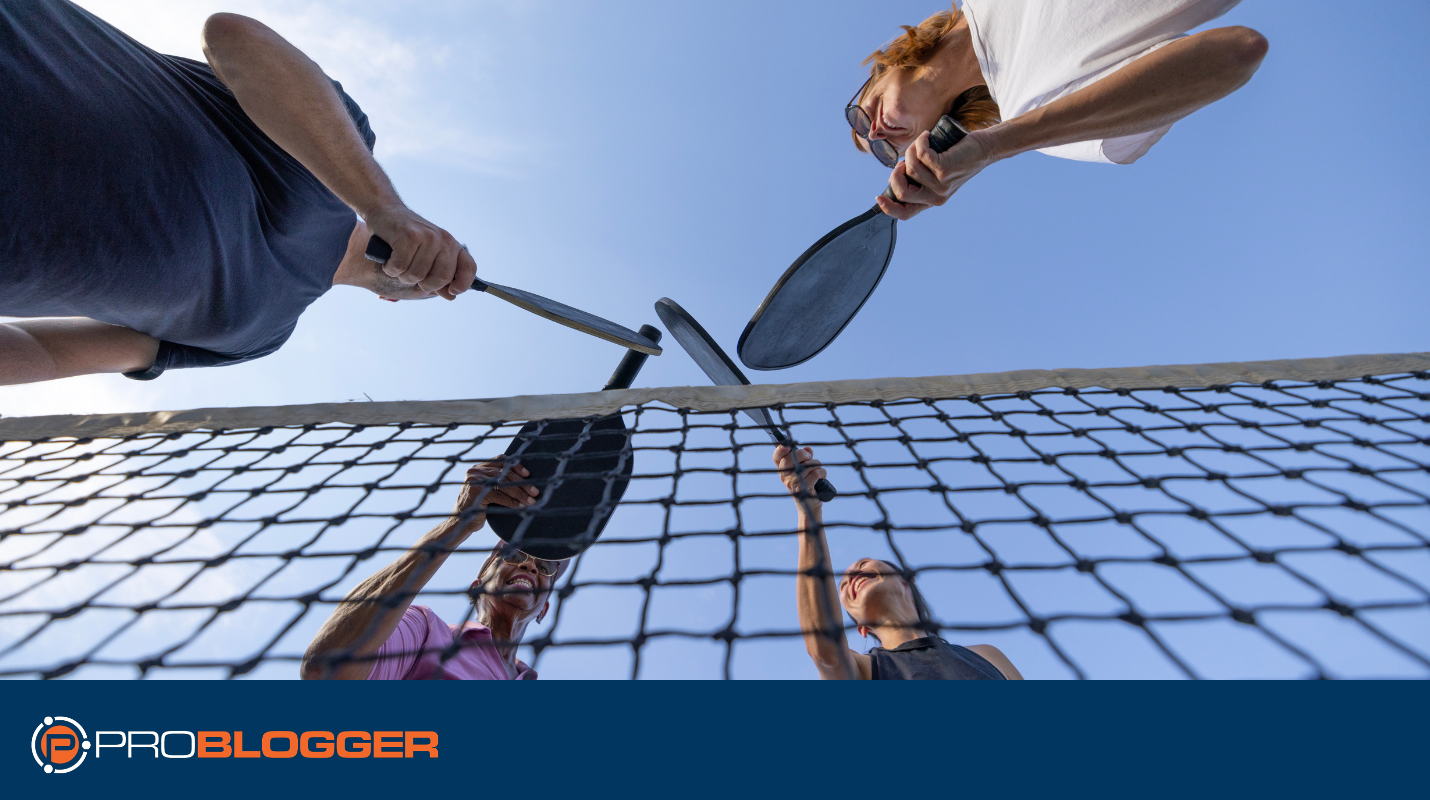
Modern web analytics platforms confirm that content supported by active comment sections, social media threads, and direct engagement yields higher retention rates. A "rally"—the sustained exchange of information between a blogger and their audience—is essential for algorithm favorability. When readers feel their contributions are part of a larger conversation, the likelihood of repeat traffic increases significantly.
Adaptive Strategy in a Volatile Digital Landscape
The agility required to succeed in competitive pickleball is a prerequisite for long-term blogging survival. As the digital landscape undergoes rapid shifts—ranging from the integration of generative artificial intelligence to the constant recalibration of search engine ranking factors—content creators must demonstrate adaptability.
Industry experts note that "whiffs," or missed opportunities in strategy, are inevitable. The most successful creators are those who treat these errors as data points. By conducting A/B testing on headlines, experimenting with different content formats (such as video-integrated posts versus long-form text), and monitoring performance analytics, bloggers can pivot their strategies in real-time. This iterative approach mirrors the way a professional pickleball player adjusts their stance or grip based on the opponent’s serve.
The Role of Positioning and "Serving"
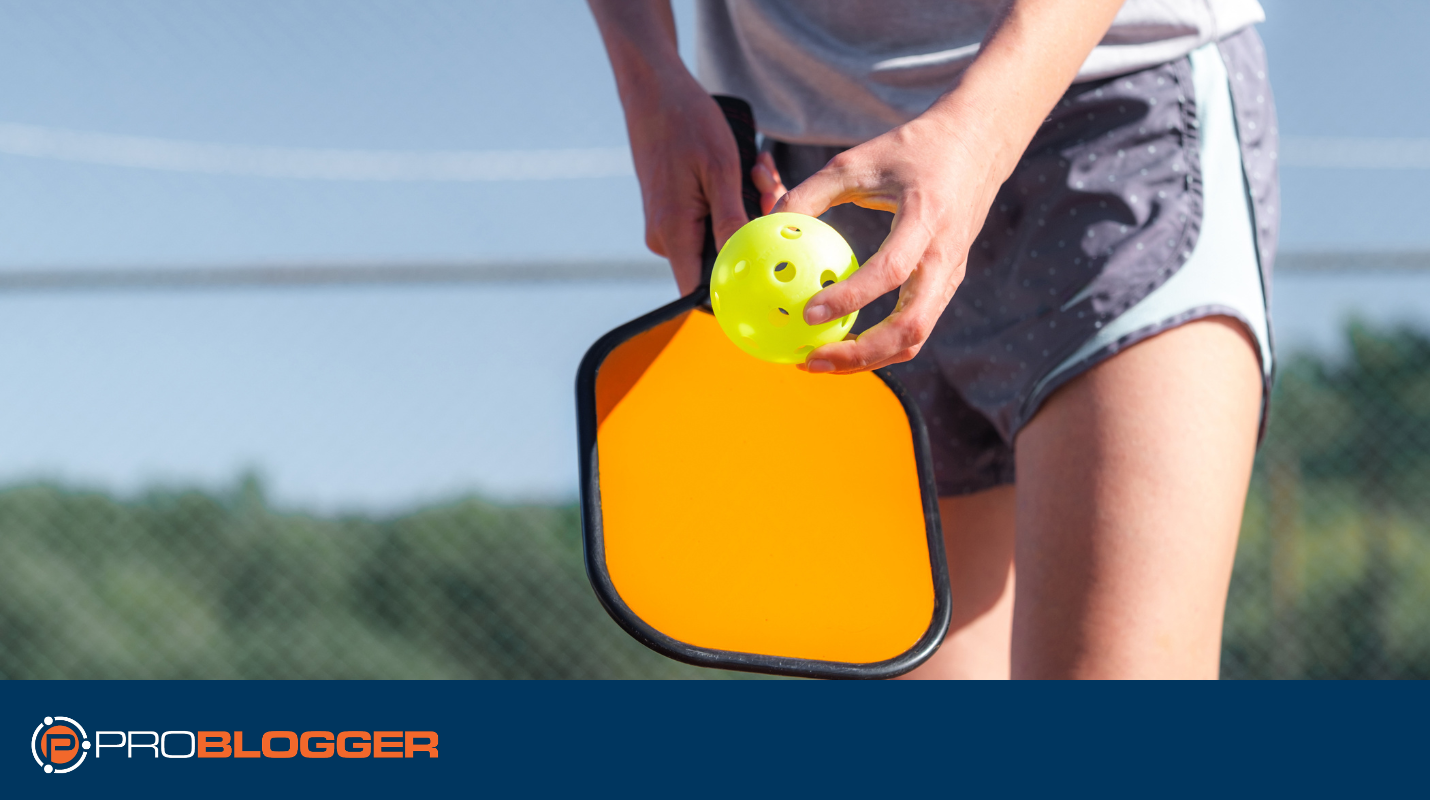
The serve in pickleball is the initiation of the game, setting the stage for the subsequent rally. In digital media, the introduction of a blog post functions as the serve. Data from user experience (UX) researchers indicates that the first 50 words of an article are critical in determining whether a reader continues to scroll. A strong, value-proposition-focused introduction sets the tone for the entire content piece, effectively "serving" the reader the answer they are seeking.
Furthermore, strategic positioning—understanding one’s niche and defining a unique value proposition (UVP)—is what differentiates a blog in a market currently hosting over 600 million active blogs globally. By identifying the specific "court" where one’s content can dominate, creators can avoid the pitfalls of competing for broad, high-difficulty keywords and instead focus on high-intent, long-tail search queries.
Broader Implications and Future Outlook
The intersection of sport and digital strategy is not merely a metaphor but a reflection of the evolving nature of the creator economy. As the lines between entertainment and education continue to blur, the professionalization of blogging requires a move away from sporadic, passion-based projects toward disciplined, system-oriented operations.
The implications for the industry are clear:
- Focus on Accessibility: Simplify content to ensure it is consumable for the widest possible audience.
- Prioritize Community: Shift from broadcasting content to facilitating community interaction.
- Embrace Iteration: Accept that failure is a component of testing new content strategies.
- Maintain Focus: Ensure every piece of content serves the overarching goal of the platform.
Conclusion: Sustaining Momentum
The ascent of pickleball provides a compelling case study for anyone involved in digital content. By combining the discipline of strategic positioning with the accessibility of clear, concise, and engaging communication, bloggers can build platforms that are both resilient and high-performing. Just as the sport has moved from a Washington state island to a global stage, the successful blogger must transition from a solitary writer to a community facilitator. By maintaining focus on the audience’s needs, adapting to technological shifts, and occasionally embracing the "fun" of the craft, content creators can ensure their work remains a relevant and vital part of the digital ecosystem. The game, like the blog, is only as successful as the strategy behind the serve.