
Visual storytelling has become a cornerstone of digital engagement, yet many WordPress users find that the platform’s native media management capabilities fall short of professional expectations. As high-resolution photography and graphic design become essential for user retention, the reliance on third-party gallery plugins has grown significantly. Market data indicates that websites incorporating interactive media galleries experience a 40% increase in average time-on-page metrics compared to those relying on static, vertical image layouts. This transition from basic grid displays to dynamic, responsive, and commerce-enabled gallery interfaces represents a significant shift in how content creators manage their digital assets.

The Evolution of WordPress Media Management
In the early stages of WordPress, content was predominantly text-centric. The built-in media library was designed primarily for singular image insertion rather than sophisticated portfolio curation. As the blogging ecosystem matured into a professional industry—particularly within the culinary, travel, and lifestyle sectors—the need for specialized gallery management became apparent.
Historically, bloggers struggled with "wall of text" syndrome, where long-form content overshadowed high-quality imagery. Between 2015 and 2020, the rise of visual-first social platforms like Instagram forced a paradigm shift in web design. Content creators began demanding the same fluid, grid-based, and masonry-style layouts for their websites that they utilized on social media. This demand catalyzed the development of specialized plugins that prioritize responsive design, lazy loading for improved site performance, and touch-sensitive mobile navigation.

Comparative Analysis of Leading Gallery Solutions
When evaluating the current market for gallery plugins, professional standards require an assessment of four key pillars: performance impact, user interface (UI) complexity, monetization features, and responsive adaptability.

Envira Gallery: The Performance-Centric Standard
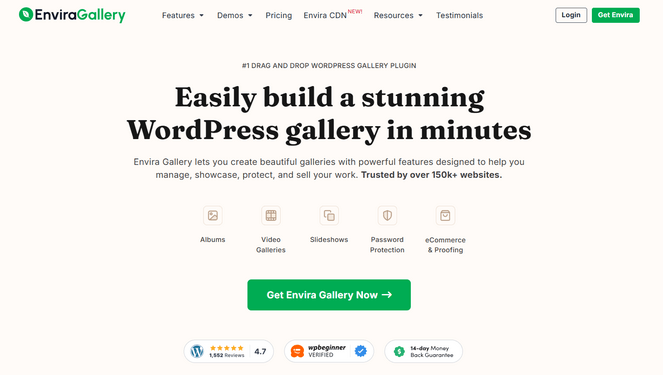
Envira Gallery has established itself as an industry leader by prioritizing site speed. Unlike bloated alternatives, Envira utilizes a modular architecture that only loads necessary scripts, which is crucial for maintaining Core Web Vitals—a significant ranking factor for search engines. Its drag-and-drop builder serves as a bridge for non-technical users, allowing for the rapid deployment of complex masonry or tiled layouts.
NextGEN Gallery: The Professional Photographer’s Utility
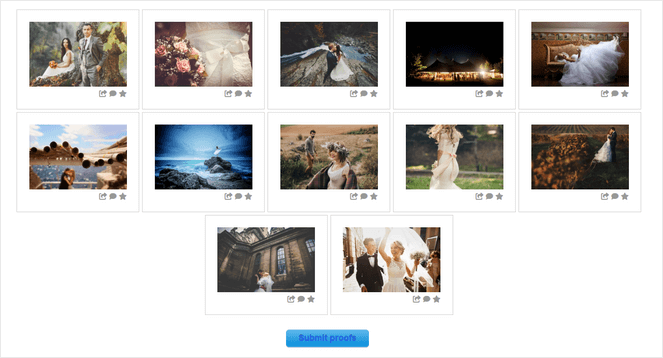
NextGEN Gallery, developed by Imagely, serves a different market segment. Its focus is on the administrative lifecycle of a photograph. By integrating automated print fulfillment, digital asset management, and client proofing portals, it functions more as a business management tool than a simple aesthetic plugin. This plugin is widely regarded as the standard for professional photographers who require integrated e-commerce solutions, including tax calculation and secure payment processing via Stripe and PayPal.
Smash Balloon Instagram Feed Pro: Bridging Social and Web
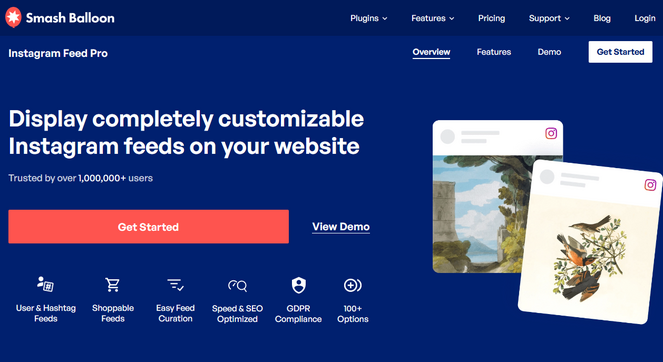
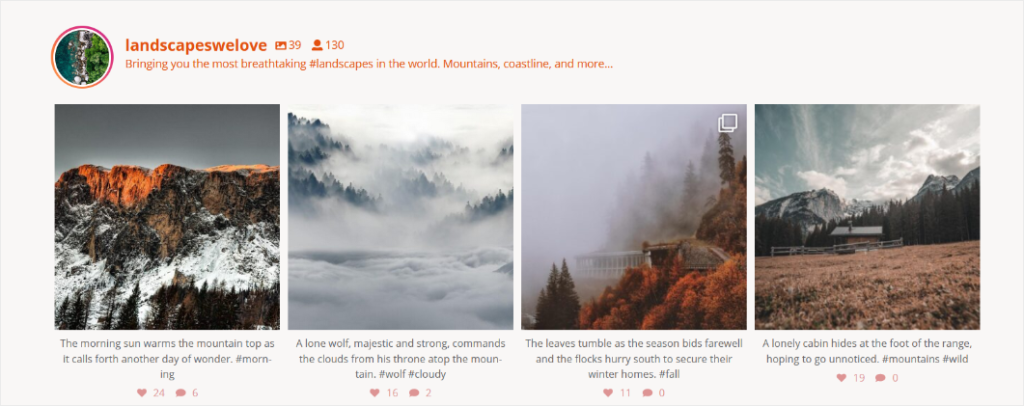
The integration of social feeds into WordPress environments has become a vital SEO strategy for driving cross-platform traffic. Smash Balloon operates by mirroring the visual experience of Instagram directly onto a website. By caching images locally, the plugin avoids the performance degradation often associated with real-time API calls, ensuring that the visual feed does not negatively impact page load speeds.
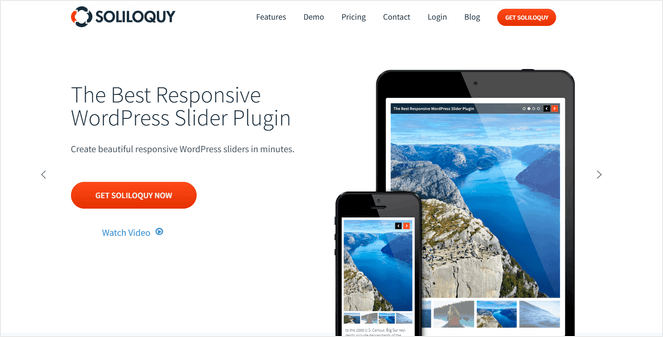
Soliloquy: The Slider Specialist
For websites requiring high-impact hero sections, Soliloquy remains the preferred choice. Its focus on "dynamic" content—pulling image data automatically from existing blog posts or custom post types—reduces the manual labor required to maintain a homepage slider. By utilizing a lightweight codebase, it avoids the common pitfalls of slider plugins that frequently cause "Layout Shift," a metric that negatively affects SEO scores.
Modula, FooGallery, and 10Web: Specialized Niches
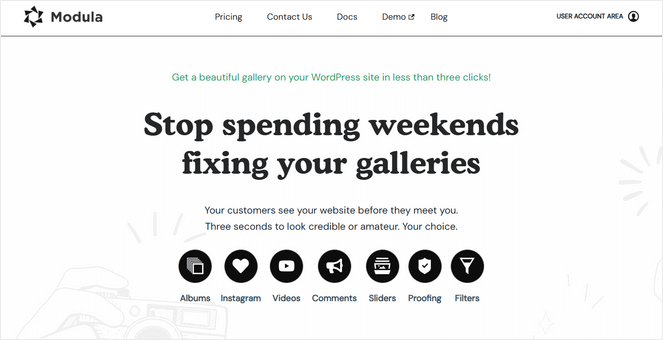
- Modula: Offers unparalleled creative freedom. Its custom grid builder allows users to manipulate the aspect ratio of individual cells within a gallery, a feature favored by graphic designers and creative agencies.
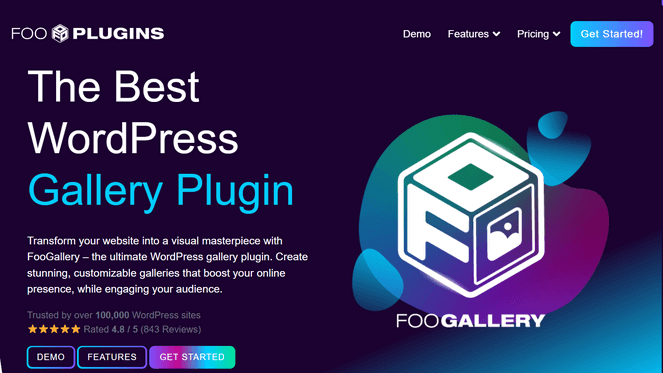
- FooGallery: Distinguished by its real-time live preview editor. This eliminates the "save-and-refresh" cycle, significantly accelerating the workflow for content managers.
- Photo Gallery by 10Web: Recognized for its extensive feature set within a free tier. It is frequently cited as the most viable option for startups and hobbyist bloggers who require professional-grade features—such as watermarking and album organization—without an initial capital investment.
Technical Implications and Site Performance
The implementation of any gallery plugin carries inherent risks to site performance, particularly concerning image weight and server latency. Professional web management requires that any selected plugin supports "Lazy Loading"—a technique where images are only loaded as they enter the user’s viewport.

Data from web performance audits suggest that unoptimized galleries are one of the leading causes of high bounce rates. Plugins that lack robust image compression or CDNs (Content Delivery Networks) can increase page load times by up to 300%. Consequently, the current industry consensus favors plugins that offer native integration with image optimization services or provide built-in resizing tools to generate thumbnails, ensuring that high-resolution originals are not served to mobile devices.
Strategic Selection Criteria
For organizations and individual creators, the decision to install a specific plugin should be dictated by the intended primary function:
- For E-commerce and Professional Portfolios: NextGEN Gallery remains the most viable solution due to its comprehensive print-on-demand and proofing capabilities.
- For General Content Creators: Envira Gallery offers the most balanced performance-to-usability ratio.
- For Social Media Synergy: Smash Balloon is the standard for maintaining an active, synchronized visual brand.
- For Creative Design-Led Projects: Modula provides the granular control necessary for unique, non-standard grid layouts.
Future Trends in Visual Web Design
The future of gallery management in WordPress is trending toward AI-driven curation and automated accessibility. Future iterations of these plugins are expected to include auto-tagging of images based on content recognition, as well as automatic generation of "Alt Text" to ensure compliance with global accessibility standards (WCAG).
Furthermore, as the web moves toward "Headless WordPress" architectures—where the front end is decoupled from the WordPress back end—gallery plugins are adapting to serve images via REST APIs. This evolution ensures that even as website architecture changes, the ability to manage, display, and monetize visual content remains a core competency of the WordPress ecosystem.

Ultimately, the choice of a gallery plugin should be viewed as a long-term infrastructure decision. By selecting a solution that aligns with site-wide performance goals and monetization strategies, bloggers and businesses can ensure that their visual content acts as a driver for growth rather than a technical burden.