
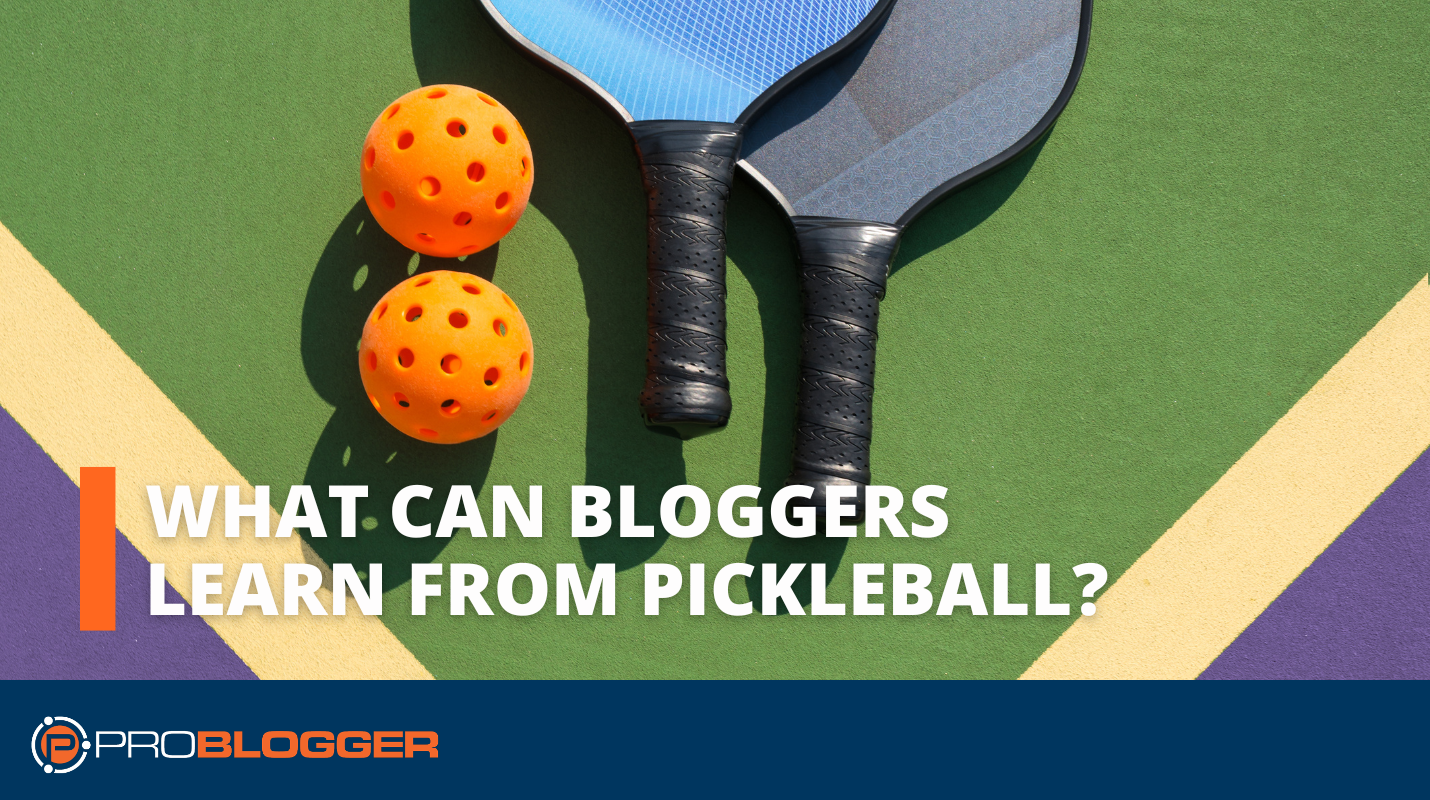
The rapid ascent of pickleball from a niche backyard pastime to a global sporting phenomenon offers a compelling blueprint for digital content creators. Combining elements of tennis, badminton, and table tennis, the sport has seen an unprecedented growth rate, with the Sports & Fitness Industry Association (SFIA) reporting that pickleball has been the fastest-growing sport in the United States for three consecutive years. As of 2024, an estimated 13.6 million players in the U.S. alone participate in the sport, representing a 223.5% increase over the last three years. This meteoric rise provides a multifaceted framework for bloggers and digital entrepreneurs looking to scale their platforms, foster community, and sustain long-term engagement in a volatile media landscape.
A Chronology of Growth: From Bainbridge Island to Global Scale
The origins of pickleball are rooted in a modest 1965 experiment on Bainbridge Island, Washington. Founders Joel Pritchard, Bill Bell, and Barney McCallum developed the game as a solution to their families’ boredom, utilizing a badminton court, ping-pong paddles, and a perforated plastic ball. For two decades, the sport remained a regional curiosity.
It was not until the early 2020s that the sport experienced a paradigm shift. The convergence of post-pandemic outdoor recreation trends and significant capital investment catalyzed its growth. The establishment of professional leagues, such as Major League Pickleball (MLP) and the Professional Pickleball Association (PPA), professionalized the sport, shifting the public perception from a "retirement community hobby" to a competitive, high-stakes discipline. This evolution mirrors the trajectory of successful content hubs: starting with a singular, low-barrier-to-entry concept and systematically layering in infrastructure, authority, and community-driven events.
Strategic Parallels for Digital Content Creators
The operational mechanics of pickleball provide tangible analogies for the challenges faced by modern bloggers. By analyzing these mechanics, content creators can identify areas for tactical improvement.
The Economics of "Dinking" and Content Accessibility
In pickleball, the "dink"—a soft, controlled shot into the opponent’s non-volley zone—is the most fundamental tactical maneuver. It requires precision, patience, and a refusal to overcommit to aggressive, high-risk play. In the blogging ecosystem, this translates to the "art of the digestible." Data from the Nielsen Norman Group suggests that users rarely read web content word-for-word; instead, they scan for value. Bloggers who utilize "dinking" strategies—breaking down complex, jargon-heavy topics into concise, actionable bullet points and clear, scannable layouts—effectively lower the barrier to entry for their audience, resulting in higher retention rates and reduced bounce rates.
Strategic Positioning and the "Kitchen" Rule
The "kitchen," or the non-volley zone, acts as a tactical boundary that forces players to maintain a specific proximity to their opponents. For a digital publisher, this represents the balance between monetization and user experience. Aggressive pop-up ads or excessive affiliate link placement are the equivalent of "volleying" too close to the net—it disrupts the flow and alienates the reader. Successful content strategies require "positioning," where the creator maintains a balanced, non-intrusive relationship with the reader, ensuring that value is delivered before a "sale" or "conversion" attempt is made.
The "Whiff" and Iterative Data Analysis
Professional pickleball players do not abandon the game after a "whiff," or a missed hit; they analyze the error to adjust their stance or swing speed. In the context of content strategy, this is the equivalent of A/B testing and performance analytics. A blog post that fails to generate traffic or engagement is not a failure of the brand, but a data point. By analyzing metrics such as time-on-page, click-through rates (CTR), and referral sources, bloggers can pivot their content strategy, much like a player adjusting their grip after an unforced error.
Community Engagement and the Rally Effect
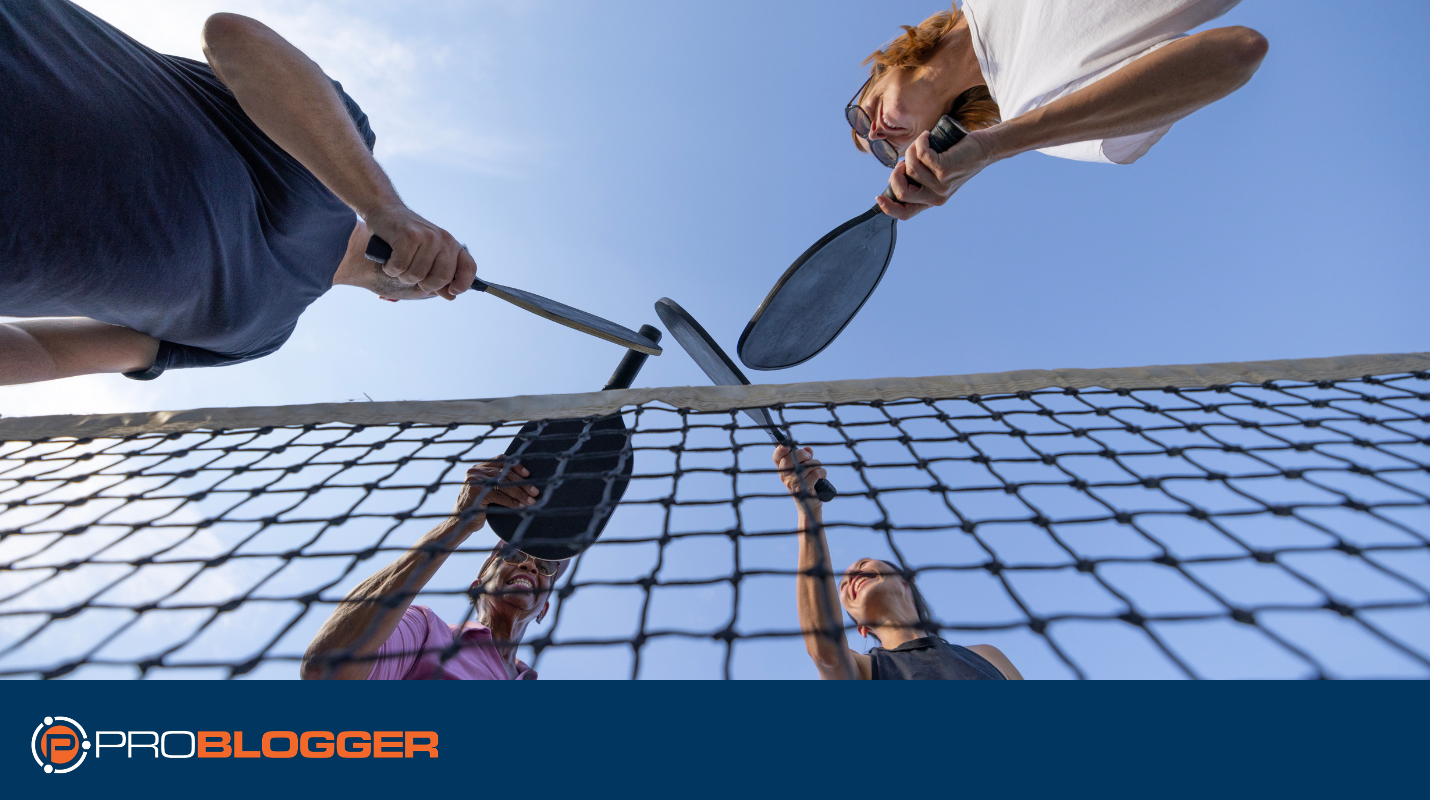
The longevity of a pickleball rally is directly proportional to the coordination and communication between partners. Similarly, the longevity of a blog depends on the strength of its community. According to industry reports from Content Marketing Institute, brands that shift from a "broadcast" model to a "community-building" model experience a 40% higher customer lifetime value.
Bloggers who treat their comment sections, social media channels, and newsletters as "rallies"—actively returning the serve with thoughtful responses, hosting interactive webinars, and fostering user-generated discussions—effectively transform casual readers into brand advocates. This engagement cycle is self-reinforcing; as the community grows, the quality of discourse increases, providing the blogger with richer insights and more organic content ideas.
Adapting to the Changing Digital Landscape
The professionalization of pickleball has necessitated a shift in training methodologies, with players increasingly focusing on strength, conditioning, and data-driven shot selection. The digital media environment is similarly evolving, driven by rapid advancements in search engine algorithms (such as Google’s Helpful Content updates) and the integration of generative AI.
The most successful bloggers are those who treat their platforms as "living" entities that require continuous adaptation. This involves:

- Technological Agility: Transitioning to mobile-first design and improving Core Web Vitals to meet modern SEO standards.
- Trend Synthesis: Monitoring industry-specific shifts and adjusting content pillars to stay relevant to current search intent.
- Diversification: Expanding from text-based content to multimedia formats, such as podcasts or video tutorials, mirroring how pickleball has expanded from public park courts to dedicated professional arenas.
Implications for Future Growth
The intersection of sport and digital strategy is not merely academic; it has practical implications for revenue sustainability. By viewing their blog through the lens of a sport that emphasizes accessibility, community, and strategic iteration, creators can build more resilient platforms.
The data is clear: industries that prioritize inclusivity and user-centric experiences tend to experience the most significant growth. As pickleball continues to disrupt the traditional sporting world, bloggers who adopt this "playful but professional" mindset are better positioned to capture market share. Whether it is through simplifying the user experience, doubling down on community interaction, or maintaining the agility to pivot when a strategy fails, the lessons of the court are surprisingly transferable to the screen.
In conclusion, the growth of pickleball serves as a reminder that even the most straightforward concepts can achieve massive scale through consistent execution and a commitment to the user experience. For the blogger, the path forward involves a blend of technical precision and human-centric engagement. By maintaining a focus on the "ball"—the core value proposition of the content—and positioning their brand to serve the audience effectively, creators can build a sustainable, influential presence that stands the test of time, proving that in the digital age, as in sport, those who remain focused, adaptive, and engaged are the ones who ultimately win the game.