TikTok has officially launched an expansive suite of brand safety resources, highlighted by a dedicated Brand Safety Center website designed to give marketers unprecedented, centralized access to advisory tools, strategic guidance, and technical resources. Unveiled last week at the APAC Responsible Media Forum in Singapore, the rollout marks a significant milestone in TikTok’s ongoing efforts to cultivate a secure, transparent, and predictable advertising ecosystem. As brands increasingly allocate substantial marketing budgets toward short-form video platforms, this latest initiative aims to address longstanding industry concerns regarding content adjacencies, algorithmic volatility, and the ethical use of artificial intelligence in digital marketing.
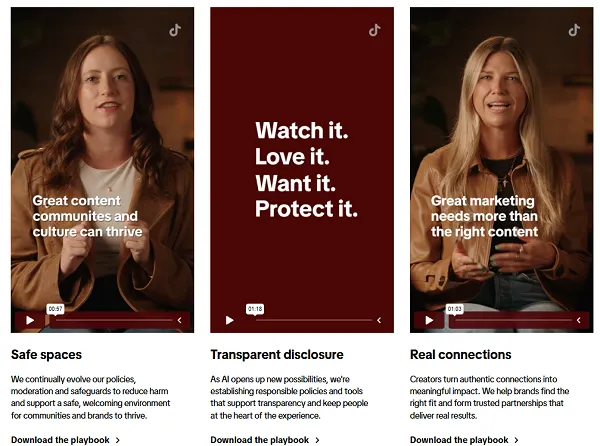
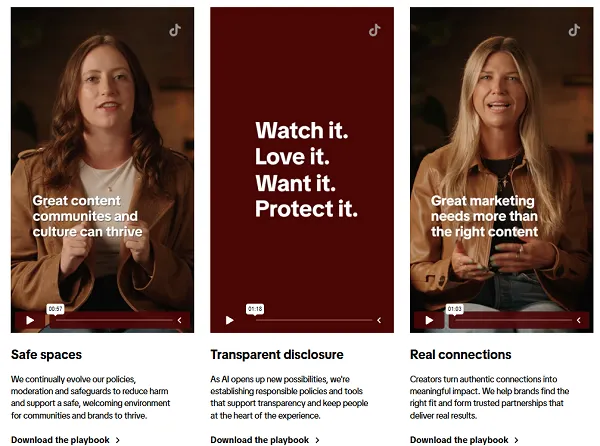
The newly deployed Brand Safety Center serves as a digital headquarters for advertisers navigating the platform. It features an extensive repository of video content produced by TikTok’s internal subject-matter experts. These educational modules delve into critical considerations for modern marketers, ranging from granular targeting methodologies to crisis management and community standards compliance. By distilling complex platform mechanics into accessible, expert-led tutorials, TikTok is attempting to lower the barrier to entry for risk-averse brands that have historically hesitated to invest heavily in viral, trend-driven social media environments.
Alongside the video content, the hub provides direct links to deeply researched documentation, most notably the newly released Brand Protection Playbook and the comprehensive AI Safety Essentials overview. These guides offer actionable frameworks for companies seeking to fortify their digital footprints against reputational hazards. The move comes at a time when digital advertising is undergoing rapid structural transformation, driven largely by the proliferation of generative AI and shifting consumer expectations regarding corporate digital responsibility.
New Brand Protection Tools and Risk Mitigation Capabilities
Beyond educational resources, TikTok has introduced a suite of operational brand protection tools engineered to empower advertisers with proactive risk-identification capabilities. Chief among these additions is a brand perception insights tool seamlessly integrated into the TikTok Business Center. This feature allows organizations to monitor how their brand identity resonates within the platform’s ecosystem, providing qualitative and quantitative feedback on audience sentiment and content context.
To further protect intellectual property and maintain marketplace integrity, TikTok has upgraded its enforcement mechanisms. The platform has streamlined copyright and trademark infringement reporting options, making it significantly easier for legal teams and authorized brand representatives to flag unauthorized uses of their intellectual property. Concurrently, enhanced counterfeit protection measures have been rolled out to safeguard legitimate sellers from illicit knockoffs and fraudulent vendor activity—a critical safeguard for retail and e-commerce brands operating in high-velocity digital marketplaces.
These technical enhancements reflect a mature approach to platform governance. By equipping brands with the diagnostic tools necessary to audit their exposure and swiftly remediate intellectual property violations, TikTok is positioning itself as a reliable, enterprise-grade media channel capable of meeting the stringent compliance demands of Fortune 500 companies and global conglomerates.
Context and Chronology of the APAC Responsible Media Forum
The unveiling of these resources took place against the vibrant backdrop of the APAC Responsible Media Forum, hosted in Singapore. The event gathered industry leaders, regulatory experts, safety advocates, and corporate marketing executives from across the Asia-Pacific region to discuss the future of digital accountability. Singapore has increasingly become a strategic hub for global technology firms establishing regional headquarters, making it a fitting location for announcements that carry profound implications for cross-border digital commerce.
Over the past several years, TikTok has methodically built a foundation of trust through regional stakeholder engagement and iterative policy adjustments. The chronology of these safety initiatives reveals a deliberate, strategic trajectory:
- Early Phase (2020–2021): Initial rollout of basic content moderation guidelines, standard third-party verification partnerships (such as Integral Ad Science and DoubleVerify), and foundational ad-placement controls.
- Expansion Phase (2022–2023): Introduction of inventory filter controls, allowing advertisers to separate their ads from mature or sensitive content, alongside the establishment of regional transparency centers.
- Maturation Phase (2024–Present): Integration of advanced AI governance frameworks, dedicated business center safety diagnostics, and centralized digital hubs like the newly launched Brand Safety Center.
By launching these tools at the APAC Responsible Media Forum, TikTok underscored the strategic importance of the Asia-Pacific market, a region characterized by rapid digital adoption, mobile-first consumer habits, and diverse regulatory environments. At the event, executives shared internal metrics detailing the platform’s multi-layered efforts to protect businesses operating within the region, highlighting rigorous automated moderation systems, human review pipelines, and proactive threat detection protocols designed to suppress malicious actors before they can impact commercial campaigns.
Navigating the Frontier of Artificial Intelligence
Perhaps the most forward-looking aspect of TikTok’s recent announcement is the formalization of its responsible artificial intelligence framework. As generative AI tools become ubiquitous in content creation and campaign execution, advertisers face unprecedented challenges regarding synthetic media, deepfakes, copyright attribution, and brand alignment.
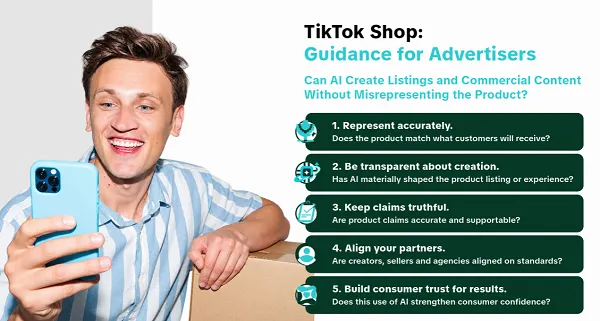
TikTok’s newly published AI Safety Essentials document outlines clear boundaries and best practices for brands utilizing artificial intelligence on the platform. The framework emphasizes transparency, mandating proper disclosure when synthetic or AI-generated media is deployed in commercial contexts. Furthermore, the guidelines establish strict protocols to ensure that AI-driven creative assets do not inadvertently infringe upon third-party rights or violate community guidelines.
Industry analysts have noted that TikTok’s proactive stance on AI safety fills a crucial void in the digital marketing landscape. While regulatory bodies worldwide are still grappling with how to legislate generative technology, major platforms are being forced to self-regulate to maintain advertiser confidence. By establishing transparent rules of engagement for AI, TikTok is providing brands with the legal and operational certainty required to experiment with cutting-edge creative tools without exposing themselves to severe reputational backlash.
Industry Implications and Strategic Analysis
The introduction of the Brand Safety Center and its accompanying tools carries broad implications for the digital advertising ecosystem. For years, social media platforms have faced intense scrutiny regarding brand safety lapses, where high-profile advertisements appeared alongside controversial, inappropriate, or harmful content. This "adjacency risk" has historically resulted in ad boycotts and temporary freezes of marketing spend across various platforms.
TikTok’s strategy represents a shift from reactive damage control to proactive risk management. By decentralizing safety education and embedding diagnostic tools directly into the workflow of everyday marketers through the Business Center, the platform is democratizing digital safety. Advertisers no longer have to rely solely on third-party audits or opaque platform assurances; instead, they possess native instruments to evaluate risk, monitor sentiment, and protect their intellectual property in real time.
Furthermore, these enhancements strengthen TikTok’s competitive position against legacy social media giants like Meta and Google, both of which have invested heavily in their own enterprise safety suites. As corporate marketing departments demand higher standards of accountability, return-on-investment transparency, and brand protection, platforms that fail to provide robust safety infrastructure risk losing valuable enterprise ad dollars.
Ultimately, the expanded measures announced in Singapore provide a much-needed roadmap for brands looking to solidify or expand their presence on TikTok. By bridging the gap between creative freedom and corporate risk management, TikTok is signaling to the global business community that viral culture and brand safety can successfully coexist. As these resources roll out globally, their long-term success will depend on continuous iteration, technological adaptation, and sustained collaboration between platform engineers, brand custodians, and regulatory watchdogs.