Modern digital communication has permanently erased the boundaries between corporate messaging and personal expression, leaving modern enterprises scrambling to maintain brand integrity across thousands of decentralized employee profiles. As social media platforms evolve into primary vectors for both consumer engagement and corporate risk, organizations are increasingly forced to reevaluate how they govern online behavior. The establishment of clear organizational frameworks—namely social media guidelines, formal policies, and style guides—has transitioned from an optional administrative exercise into a critical pillar of corporate risk management, regulatory compliance, and brand preservation.

Understanding the fundamental distinctions among these three governance documents is essential for communication and legal teams alike. While social media guidelines serve as an advisory manual recommending best practices for everyday online interaction, a social media policy functions as a binding legal agreement backed by human resources and disciplinary protocols. Concurrently, a style guide standardizes the linguistic tone, visual assets, and formatting conventions required for official brand channels. Industry experts note that while many organizations attempt to consolidate these varied requirements into a single document, maintaining distinct yet interconnected resources ensures that employees understand both their creative freedoms and their regulatory boundaries.
The financial and reputational stakes associated with digital missteps have never been higher, driven largely by shifting regulatory landscapes and the widespread integration of generative artificial intelligence. According to recent consumer protection data released by federal regulatory bodies, digital platforms continue to represent a primary channel for commercial interaction, exposing unprepared corporations to severe liability. A single unvetted post disclosing proprietary financial data, misstating product efficacy, or failing to include mandatory compensation disclosures can trigger immediate regulatory scrutiny, costly legal reviews, and catastrophic public relations crises. Consequently, comprehensive guidelines remove ambiguity, replacing the common defense of ignorance with clear, actionable standards of conduct.

Regulatory compliance extends far beyond official corporate accounts, placing direct legal responsibilities on individual employees, contractors, and agency partners. Under updated federal endorsement guidelines, individuals who receive financial compensation, complimentary products, or other incentives must explicitly disclose their relationship to the brand within the post itself, rather than relying on brief biographical disclaimers. Furthermore, heavily regulated sectors such as healthcare, financial services, and higher education must navigate complex statutory frameworks including privacy mandates and industry-specific compliance requirements. By embedding these legal realities directly into internal governance documents, enterprises can proactively mitigate exposure to regulatory penalties.
Beyond risk mitigation, well-crafted guidelines act as a powerful catalyst for employee advocacy and brand amplification. Every staff member represents a potential brand ambassador, yet many hesitate to share company milestones due to uncertainty regarding what information is permissible to distribute publicly. Organizations that implement structured frameworks—often supplemented by enterprise-grade advocacy platforms that curate pre-approved content libraries—empower their workforces to engage online with confidence. This structured empowerment not only expands corporate reach organically but also fosters a culture of transparency and professional pride among employees.
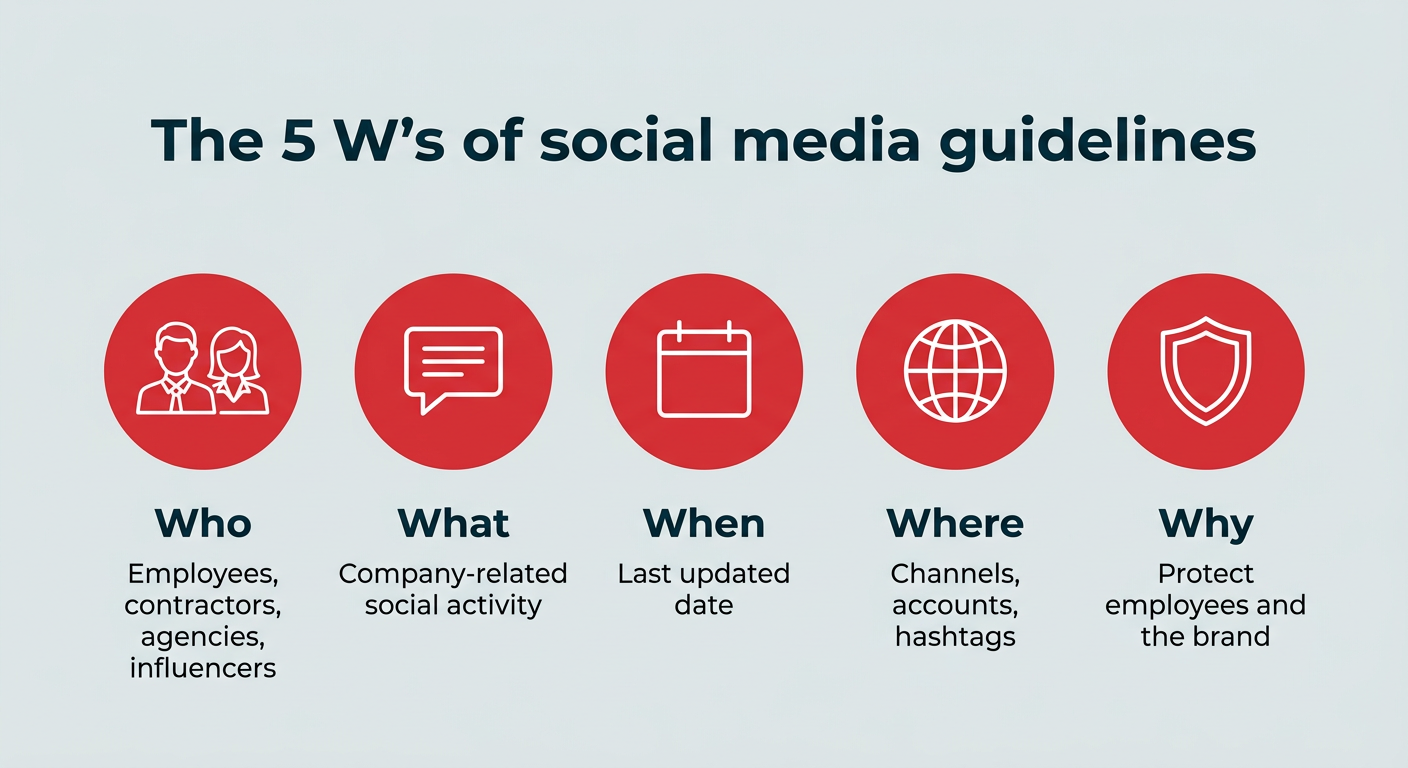
Developing an effective social media framework requires a systematic, multi-departmental approach that typically spans an eight-step implementation lifecycle. The process begins with a comprehensive audit of existing institutional documents, followed by the early assembly of key stakeholders spanning legal, human resources, communications, and information technology security. By identifying primary organizational vulnerabilities prior to drafting, teams can establish precise operational scopes that define precisely how personal and professional activities intersect. Subsequent phases involve drafting core behavioral guardrails, incorporating concrete real-world examples, conducting rigorous legal reviews, publishing the finalized resource across accessible internal portals, and establishing a mandatory annual review cadence.
Real-world implementations across diverse industrial sectors demonstrate the versatility of these governance models. Academic institutions such as McGill University emphasize core principles of accuracy, inclusivity, and respect that govern both faculty and student interactions. Governmental bodies, including the Ontario Public Service, explicitly remind personnel that personal disclaimers do not absolve individuals of professional accountability for public statements. Meanwhile, healthcare networks like the Horizon Health Network maintain concise, single-page overviews focusing heavily on patient privacy and professional standards, contrasting with multinational technology corporations like Intel, which champion plain-language rules centered on personal responsibility and common-sense pause mechanisms.
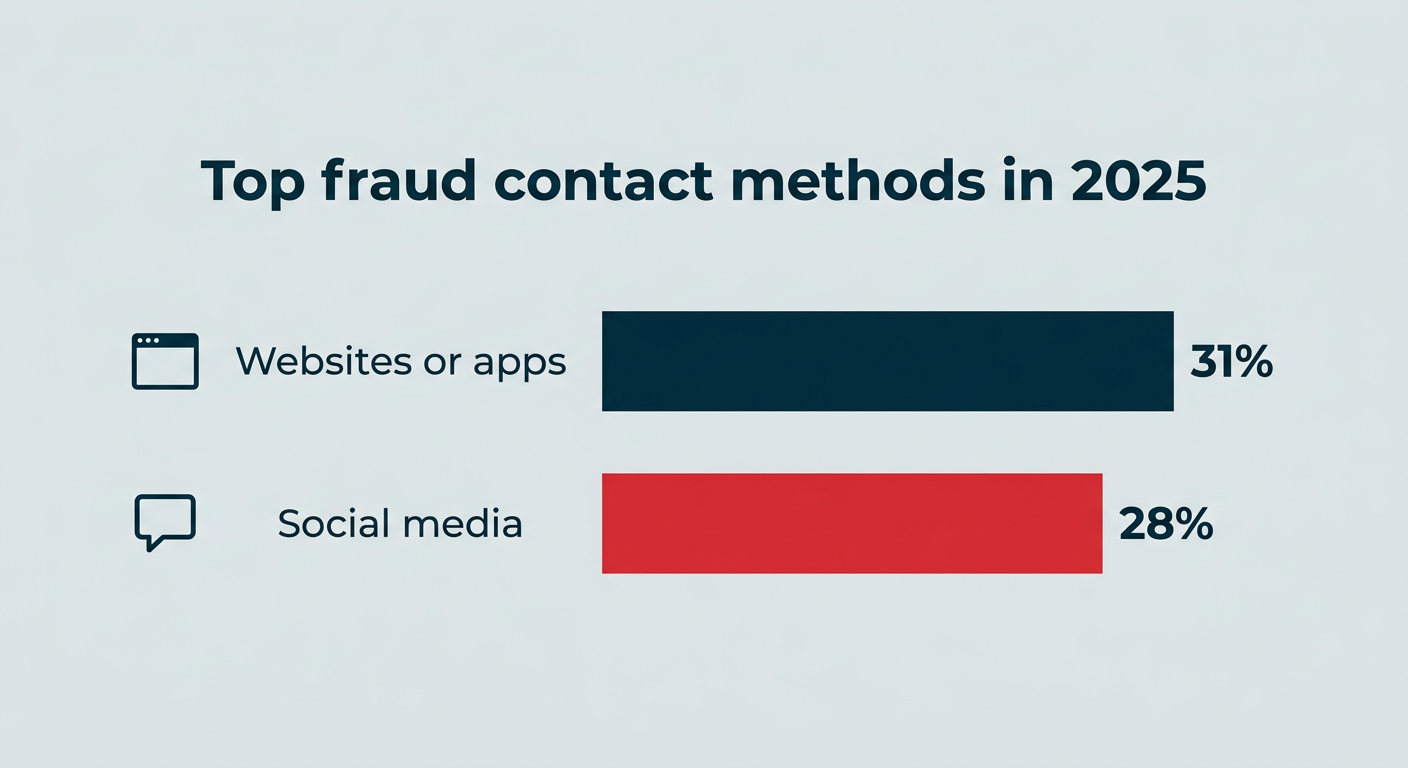
Financial institutions face uniquely stringent regulatory environments governed by strict compliance mandates that classify digital commentary as formal business communications. Organizations such as Vanguard operate under rigorous recordkeeping and pre-approval protocols, reflecting the high stakes inherent in wealth management and consumer finance. Similarly, nonprofit entities like the American Red Cross design their operational directives specifically for field personnel and volunteers navigating high-stress, fast-moving emergency scenarios where factual accuracy and centralized communication channels are paramount.
Ultimately, the successful deployment of social media governance relies entirely on active communication and integration into daily workflows rather than passive document storage on shared corporate drives. Organizations that supplement static PDFs with interactive training sessions, leadership reinforcement, and accessible technological tools consistently achieve higher compliance and engagement rates. As digital platforms continue to evolve alongside emerging technologies like artificial intelligence, maintaining dynamic, regularly updated governance frameworks will remain an indispensable strategy for safeguarding enterprise reputation and fostering authentic digital communities.