While Instagram remains fundamentally rooted in visual media—distinguishing itself from text-first platforms like Facebook, LinkedIn, or X (formerly Twitter)—industry data indicates that textual accompaniments play an indispensable role in digital marketing success. For modern brands and content creators, visual assets capture initial attention, but captions deliver the strategic narrative necessary to drive meaningful audience engagement, build long-term brand equity, and convert passive scrollers into active customers.

As digital marketing continues to mature, understanding the mechanics of an effective Instagram caption is no longer optional for businesses seeking a high return on investment. This comprehensive analysis explores the anatomy of successful Instagram copywriting, the strategic deployment of character limits and hashtags, and advanced formatting techniques designed to maximize algorithmic visibility.
The Strategic Evolution of Instagram Copywriting
In the early years of the platform, Instagram functioned almost exclusively as a digital photo album where brief, emoji-laden phrases sufficed. However, as the platform evolved into a robust commercial ecosystem, the role of the caption expanded significantly. Today, a well-crafted caption serves multiple functions: it adds contextual depth to creative assets, fosters emotional resonance through storytelling, and provides explicit direction via calls to action (CTAs).

Recent internal data and independent social media studies highlight a shifting paradigm in user behavior. While short, punchy captions retain utility for aesthetic or high-impact imagery, longer-form narratives have demonstrated a remarkable ability to stop the scroll. According to a comprehensive engagement experiment conducted by social media management platform Hootsuite, captions ranging between 400 and 705 characters consistently outperformed micro-captions of 65 characters or less in generating total interactions. This indicates that modern audiences are increasingly willing to read substantive text on Instagram, provided the content offers genuine utility, entertainment, or emotional connection.
Core Anatomy of a High-Performing Instagram Caption
Creating a compelling caption requires adherence to specific structural principles designed to combat user fatigue and algorithmic hurdles. Digital marketing strategists generally recommend a multi-tiered approach to caption architecture.

1. The Hook: Starting Strong
With millions of posts flooding user feeds every second, the primary objective of a caption’s opening line is to halt the scroll. This requires placing the core value proposition at the very beginning of the text. When a brand successfully hooks a reader within the first one to two lines, it incentivizes them to click the "more" button, thereby increasing dwell time—a critical metric favored by Instagram’s content distribution algorithm.
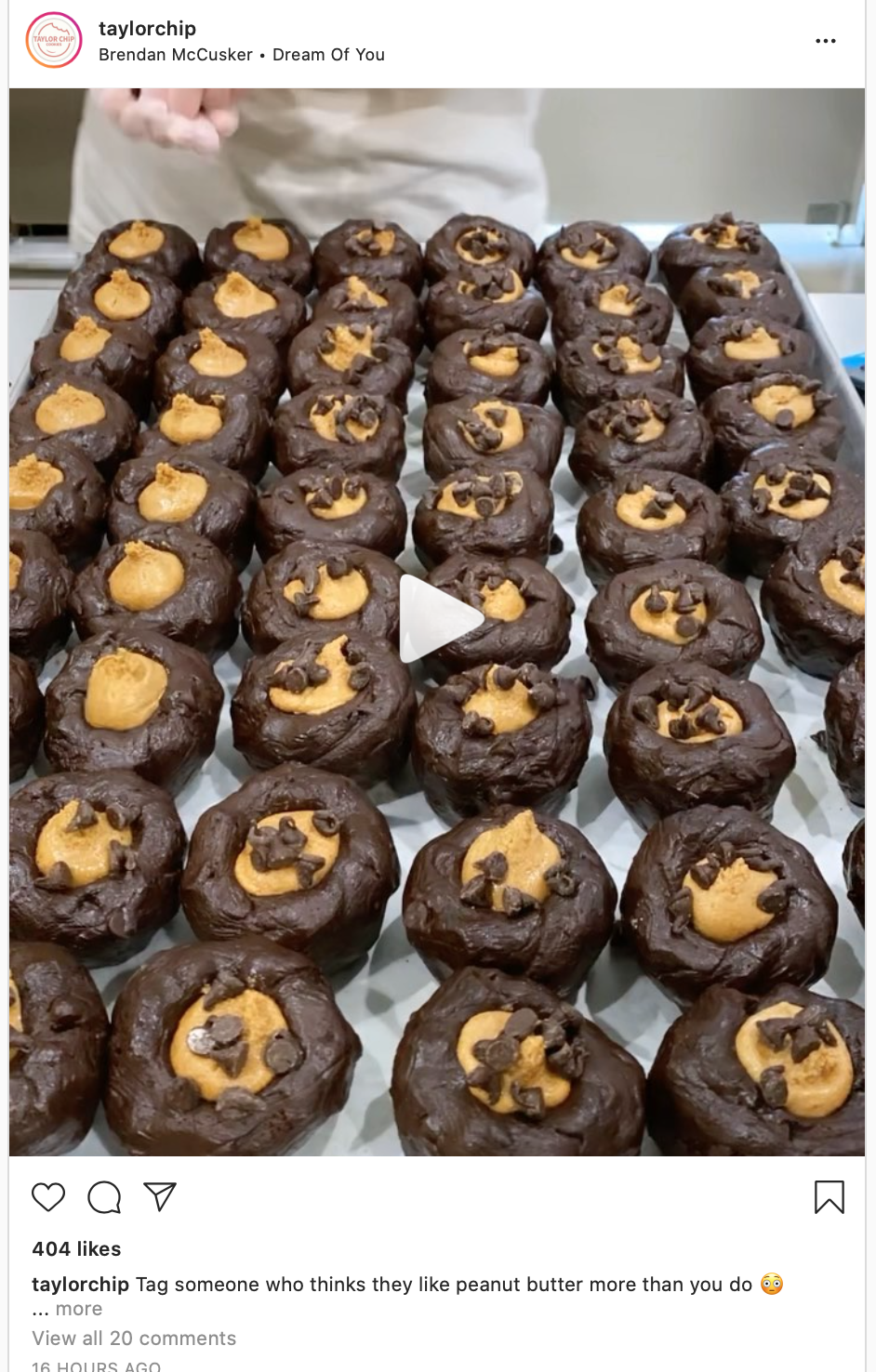
For instance, consumer goods and recipe brands frequently leverage seasonal relevancy to secure attention. Instead of a generic product description, leading direct-to-consumer brands often open with relatable culinary challenges or lifestyle observations, immediately aligning their brand voice with the daily experiences of their target demographic.
2. Mastering Character Limits and Readability
Instagram permits captions up to 2,200 characters in length, accommodating a wide spectrum of content styles from concise announcements to in-depth opinion pieces. However, regardless of length, visual formatting is paramount. Dense blocks of text routinely alienate readers.
Industry best practices dictate the use of strategic spacing, line breaks, and bullet points to organize information logically. A reliable universal template involves:
- A bold, engaging hook on the first line.
- A strategic line break to create white space.
- The body of the text, offering context, storytelling, or educational value.
- A separate section for calls to action and curated hashtags.
3. Strategic Hashtag Integration
Hashtags remain a vital discovery mechanism on Instagram, bridging the gap between a brand’s existing follower base and targeted niche communities. While the platform allows up to 30 hashtags per post, digital marketing analysts advise moderation and diversification to avoid algorithmic penalties associated with spam-like behavior.
Effective hashtag strategies typically combine four distinct categories:
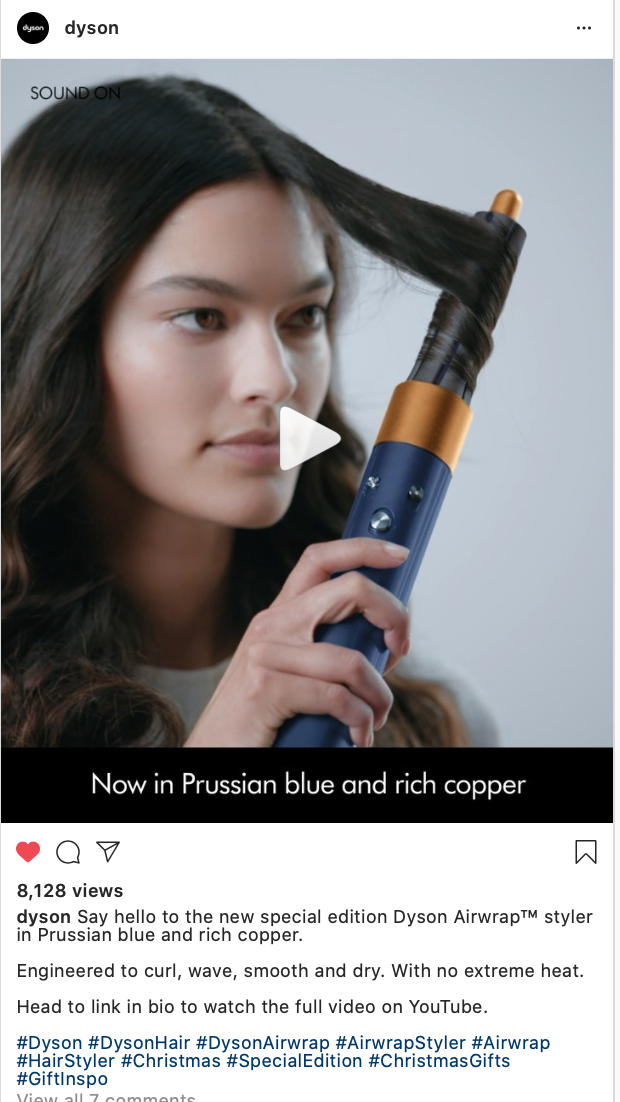
- Branded Hashtags: Unique identifiers specific to a company or campaign (e.g., #DysonHair) to build community and track user-generated content.
- Seasonal or Timely Hashtags: Tags tied to specific holidays, events, or seasons (e.g., #GiftInspo, #FallFashion) to capture trending search traffic.
- Interest-Based Hashtags: Broad or niche category tags that align with user hobbies or industry verticals.
- Location-Based Hashtags: Geographic tags designed to capture localized foot traffic and regional interest.
Driving Conversion Through Optimized Engagement and CTAs
Beyond securing likes and impressions, commercial success on Instagram hinges on moving users beyond the application ecosystem. Because standard feed posts do not support clickable hyperlinks, brands must utilize captions to bridge the gap between social engagement and off-platform conversions, such as website visits, event registrations, or product purchases.
Crafting Actionable Calls to Action (CTAs)
A successful CTA must be unambiguous, friction-free, and mutually beneficial. Whether directing users to the link in a brand’s bio, prompting them to sign up for a seasonal workshop, or encouraging them to register for a webinar, the instructions must leave no room for confusion. High-converting CTAs clearly articulate what the user needs to do, where they need to go, and why it benefits them.

Encouraging Community Interaction
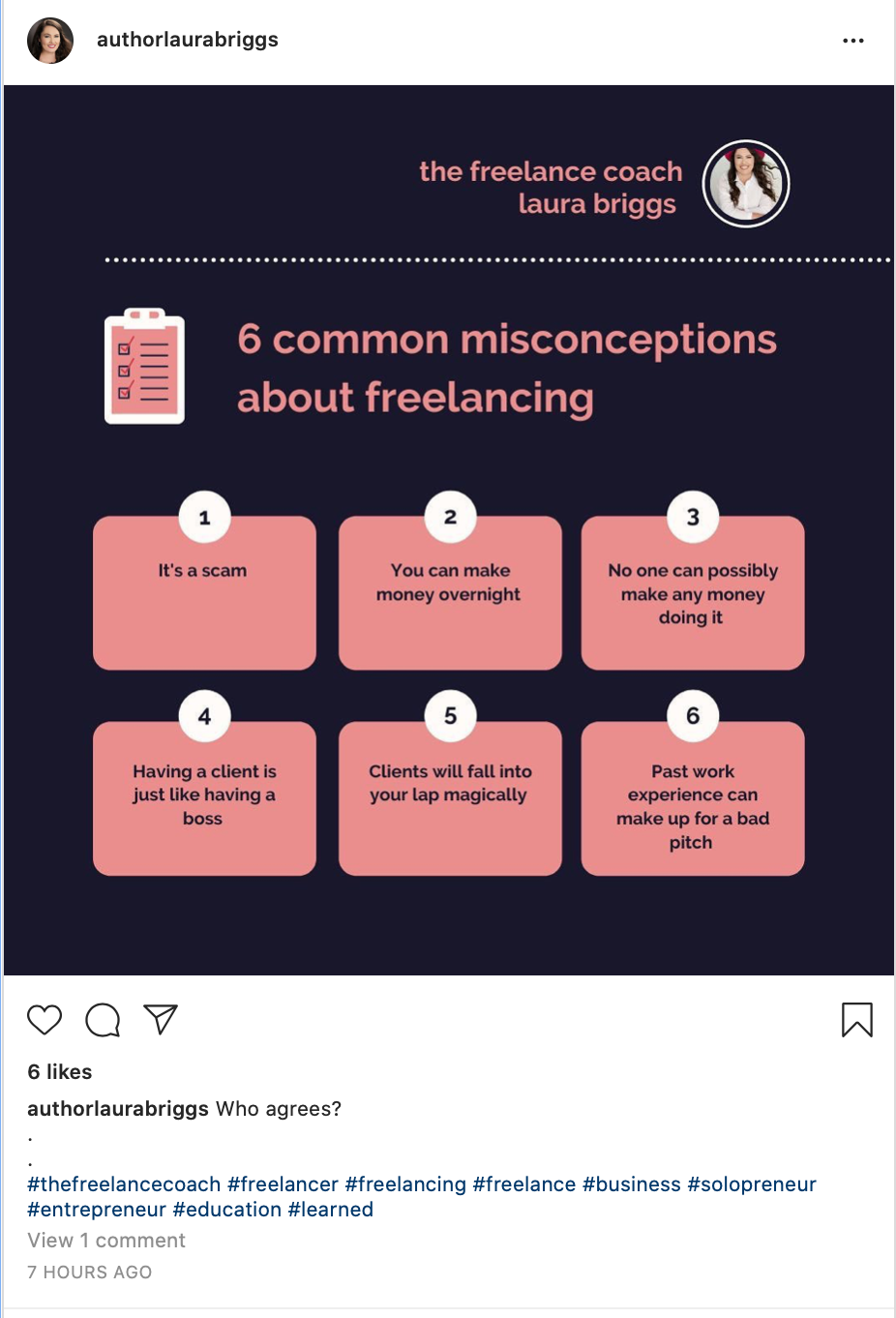
Algorithmic visibility is heavily influenced by the velocity and volume of early engagement. To stimulate comments and shares, brands frequently employ interactive copywriting tactics. Asking direct, low-friction questions—such as "Who agrees?" or prompting users to tag a friend who embodies a specific trait—can exponentially increase comment sections. When executed moderately, these tactics foster a sense of community while signaling algorithmic value to Instagram’s content delivery system.
Technical Optimization: Formatting and Editing Tricks
For brands seeking a competitive aesthetic edge, advanced typographical formatting can differentiate standard content from professional marketing campaigns.

- Altering Fonts: While Instagram’s native interface utilizes a standard typeface, creators frequently employ third-party Unicode text generators (such as IGFonts.io) to introduce bold, italicized, or stylized serif fonts for headings and key phrases. This visual hierarchy helps guide the reader’s eye through longer texts.
- Post-Publication Editing: Recognizing that typographical errors or strategic adjustments are occasionally necessary after a post goes live, Instagram allows seamless caption modification. By navigating to the target post, selecting the three-dot menu icon in the upper right corner, and choosing the "Edit" function, users can update text instantly without sacrificing the post’s existing engagement metrics or view counts.
Future Implications for Digital Marketers
As social commerce continues to integrate more deeply into everyday consumer habits, the strategic importance of Instagram copywriting will only intensify. Algorithms are increasingly sophisticated at interpreting text semantics, meaning that keyword optimization within captions contributes directly to searchability within the platform’s Explore and Reels tabs. Brands that master the balance of compelling visual assets, structured copywriting, and clear conversion pathways will maintain a distinct competitive advantage in the crowded digital marketplace.