
In the fast-paced ecosystem of digital marketing, the call to action (CTA) serves as the critical bridge between passive content consumption and active audience engagement. Whether an organization is running a paid social media campaign, launching an email newsletter, or optimizing a landing page, the phrasing, design, and strategic placement of a CTA often dictate the overall success or failure of the initiative. Industry analysts note that as online users experience growing fatigue from digital advertising—with over 22% of ad-blocker users citing an excess of promotional material—crafting concise, persuasive, and frictionless CTAs has become paramount for brands seeking to capture attention and drive conversions.
Defining the Call to Action and Its Core Mechanics
At its foundational level, a call to action is a text prompt or interactive element designed to direct a target audience toward a specific, measurable objective. This can range from clicking an external link and downloading a whitepaper to submitting contact details or completing an e-commerce purchase. Effective CTAs alleviate decision fatigue by providing clear, unambiguous direction to the user.

While traditional CTAs historically relied on simple, imperative verbs such as "Buy Now" or "Download Now," modern digital strategy incorporates a wider array of psychological triggers. By introducing elements of urgency, value proposition, and emotional resonance, brands can significantly elevate their conversion rates. For instance, SaaS providers frequently leverage terms like "Get Started" or "Start Your Free Trial," whereas non-profit organizations utilize altruistic verbs such as "Donate," "Commit," or "Support."

Anatomy of an Effective CTA: Strategy and Structure

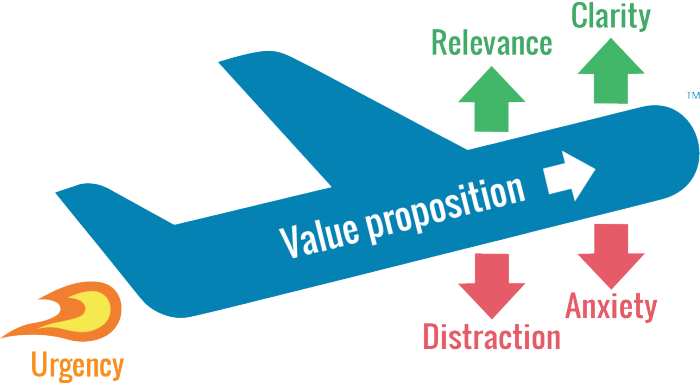
Constructing a high-performing CTA requires careful attention to linguistics, visual hierarchy, and contextual relevance. According to conversion rate optimization frameworks such as the LIFT Model, an optimal CTA balances several key factors: relevance to the user’s intent, absolute clarity in the wording, a distinct sense of urgency, and a compelling value proposition.

Marketing copywriters often break down successful CTA creation into specific grammatical structures. Starting with a strong action verb, followed by an adverb or clear subject, ensures the command is unmistakable even within stringent character limits imposed by ad platforms. Furthermore, experiments in consumer psychology demonstrate that introducing sensory or emotion-driven modifiers—such as "Snuggle up to Headspace" or "Period better" utilized by apparel brand Thinx—can differentiate a brand in crowded markets.

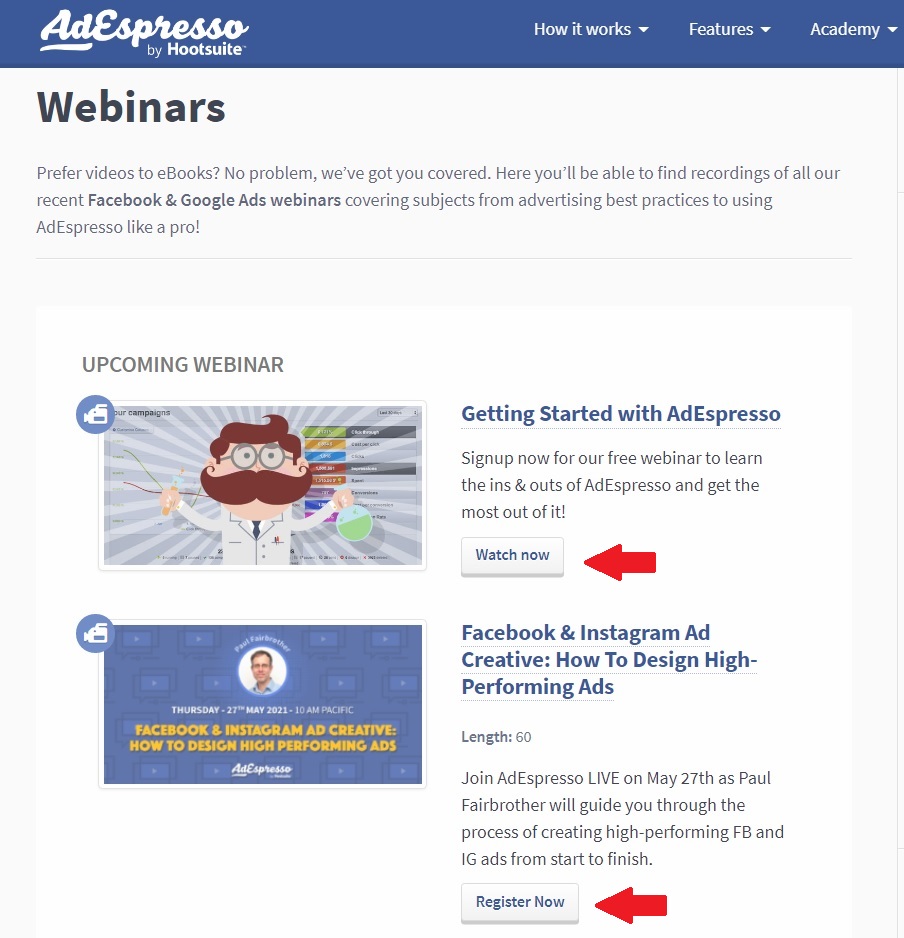
To evaluate effectiveness, digital marketers rely heavily on empirical testing. Split testing (A/B testing) campaigns consistently reveal that minor adjustments to CTA phrasing or design can drastically alter customer acquisition costs. Empirical studies conducted across multiple ad networks indicate that campaigns utilizing optimized, clickable buttons achieve substantially higher conversion volumes at a fraction of the cost compared to campaigns relying solely on plain-text links or missing explicit prompts entirely.

Platform-Specific Best Practices: Social Media, Email, and Web

The implementation of CTAs varies significantly depending on the communication channel. On social media networks like Facebook and Instagram, native interface elements allow marketers to embed prominent, clickable buttons directly beneath ad creatives. Data from platform-specific experiments underscore the financial impact of these design choices; utilizing standard buttons such as "Download" or "Shop Now" has been shown to more than double conversion efficiency while simultaneously halving the cost-per-conversion compared to ads lacking structural buttons.

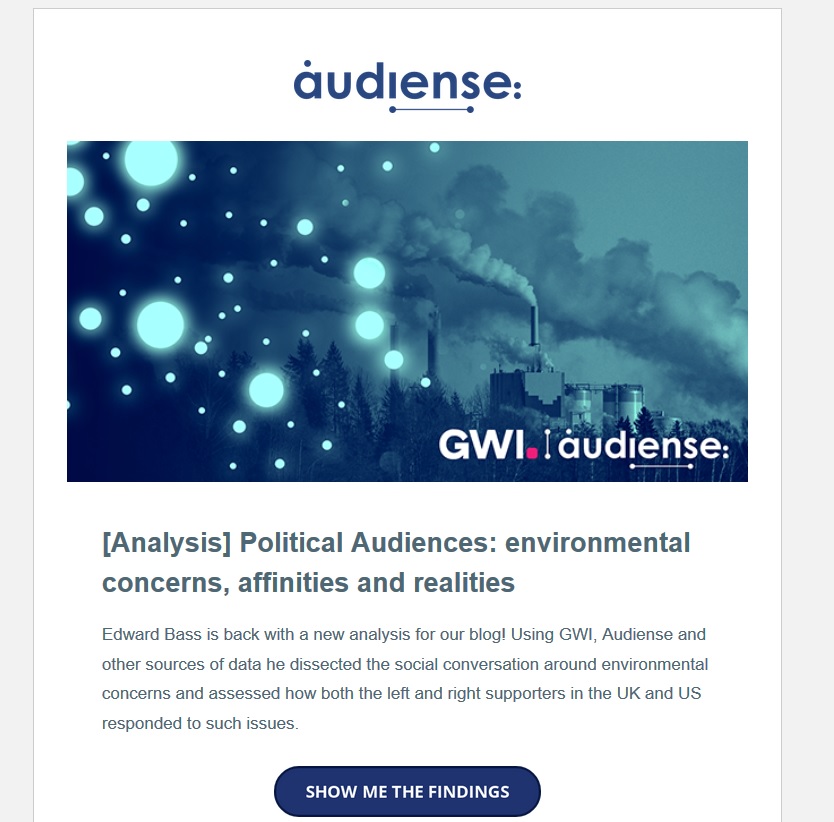
In email marketing, where conversion rates can occasionally reach up to 15% depending on the industry and segmentation, brands frequently deploy a hybrid approach. This includes combining a primary, high-contrast button for the main objective with secondary hyperlinked text to accommodate longer-form newsletters and cater to varied reader behaviors.

Landing pages and corporate websites represent the final frontier of conversion optimization. Best practices dictate that primary conversion elements should be positioned "above the fold"—the portion of a webpage visible without scrolling—accompanied by minimalist design principles that eliminate visual clutter. By stripping away extraneous navigation menus and focusing the user’s attention strictly on the value proposition and the accompanying button, companies like Tim Ferriss, Leadfeeder, and Airbnb have successfully streamlined the user journey.

Implications and Future Outlook for Digital Campaigns
As digital advertising landscapes continue to evolve in response to privacy regulations, shifting consumer behaviors, and technological advancements, the strategic importance of the CTA remains unwavering. The transition from static text links to sophisticated, data-driven button optimization highlights a broader industry shift toward precision marketing.

Brands that invest in rigorous split testing, consumer behavior analysis, and automated campaign optimization are better positioned to navigate rising customer acquisition costs. Ultimately, the meticulous refinement of the call to action is no longer just a tactical copywriting exercise, but a foundational pillar of modern digital business strategy, ensuring that every marketing dollar spent translates into measurable, sustainable growth.