In the modern digital landscape, capturing consumer attention has become increasingly challenging for brands and marketers alike. With over 22% of internet users actively utilizing ad blockers due to perceived advertising saturation, digital campaigns must rely on precision, clarity, and persuasive architecture to drive results. At the center of this conversion strategy lies the call to action, or CTA. Whether presented as a plain-text hyperlink, an in-app prompt, or a brightly colored button, a well-crafted CTA serves as the definitive bridge between passive engagement and measurable consumer action.
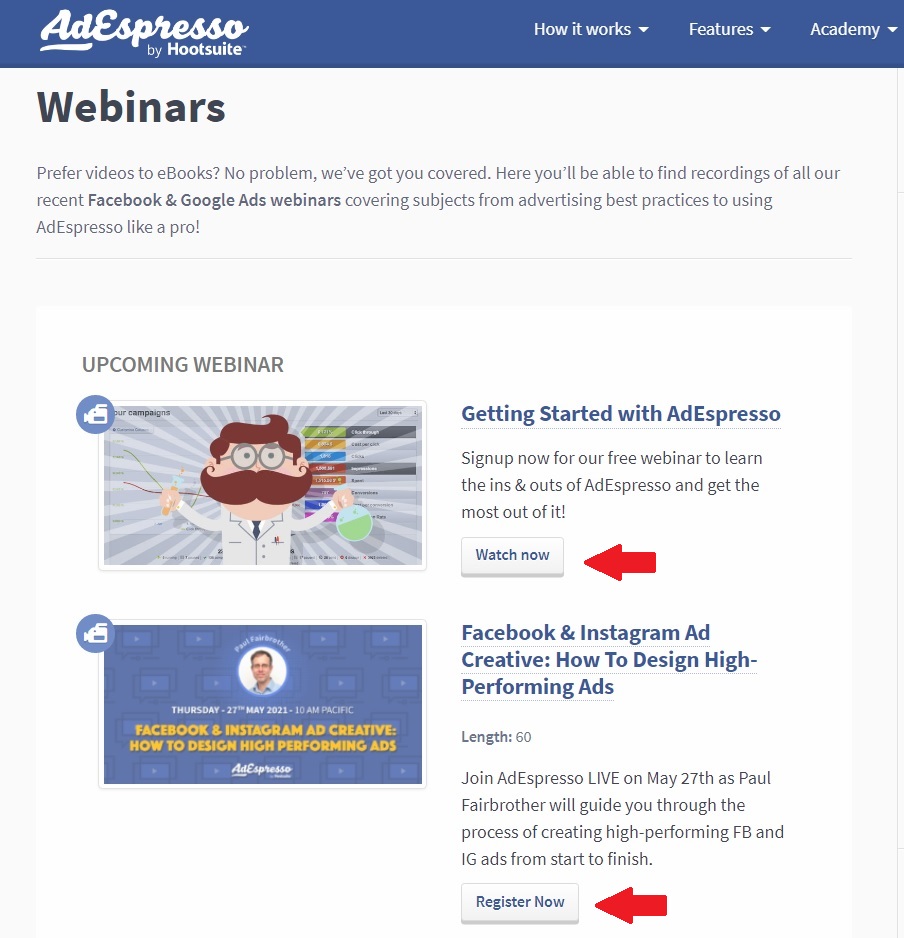
An analysis of modern marketing performance reveals that the linguistic framing and visual placement of a CTA can drastically influence user behavior. Industry data consistently demonstrates that effective CTAs alleviate decision fatigue, provide clear navigational direction, and establish a profound sense of urgency. Consequently, understanding the psychological and structural mechanics of a successful CTA is essential for optimizing return on investment across social media advertising, email marketing, and dedicated landing pages.
Defining the Call to Action and Its Strategic Imperative

A call to action is fundamentally defined as a text or graphical prompt engineered to inspire a target audience to execute a specific, desired behavior. This behavior might encompass clicking a designated link, subscribing to a newsletter, downloading a resource, or completing an e-commerce purchase. While traditional examples often feature concise imperatives such as "Buy Now" or "Download Now," modern digital strategies frequently employ more elaborate, context-driven phrases like "Subscribe today so you will never miss a post."

From a cognitive perspective, consumers navigating high-volume digital environments experience decision fatigue. Without explicit instructions regarding the next step in a user journey, engagement rates decline sharply. By integrating compelling verbs and immediate relevance, marketers can guide users seamlessly through the sales funnel. Furthermore, incorporating psychological triggers—most notably urgency—has been shown to elevate conversion metrics significantly. Whether deploying a primary conversion path or balancing primary and secondary choices, the fundamental objective remains identical: to maintain user engagement and facilitate purposeful interaction.

Anatomy of an Effective CTA: Mechanics and Methodologies

Constructing a high-performing call to action requires careful adherence to linguistic and design principles. Because digital advertisements operate under strict character limitations, brevity and impact are paramount. Effective copywriting typically commences with a strong action verb—such as "buy," "download," or "discover"—followed by targeted adverbs or direct objects that clarify the value proposition.

Marketers often categorize CTA verbs according to specific campaign objectives:

- E-commerce campaigns frequently utilize verbs like "Buy," "Shop," "Order," "Reserve," and "Add to Cart."
- Software-as-a-Service (SaaS) platforms prioritize terms such as "Try," "Get Started," "Subscribe," and "Sign Up."
- Non-profit organizations rely on altruistic prompts including "Donate," "Commit," "Volunteer," and "Support."
- Free resource distributions leverage words like "Download," "Grab," "Claim," and "Unlock."
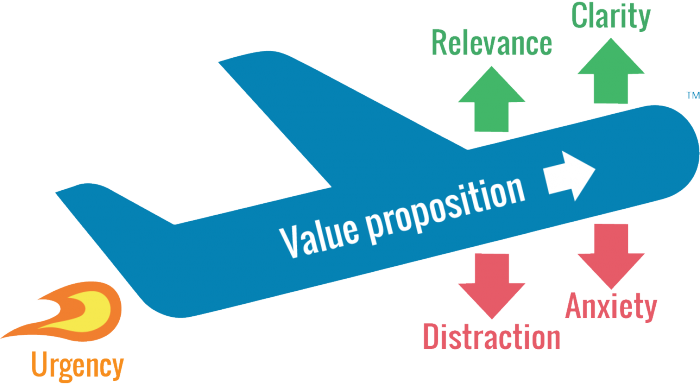
To evaluate the strength of a prospective CTA, marketing professionals frequently reference analytical frameworks such as the LIFT Model, which assesses conversion rate factors including relevance, clarity, urgency, and the overarching value proposition. Aligning these variables ensures that the user immediately grasps why the action matters and what benefit they will receive upon completion. Additionally, evoking sensory or emotional responses through descriptive modifiers can transform standard imperatives into memorable, brand-defining slogans.

The Measurable Impact of Clickable CTA Buttons

While textual and hyperlinked CTAs retain utility in long-form editorial content and newsletters, empirical research highlights the superior conversion power of dedicated, clickable buttons. Digital marketing studies indicate that transitioning from plain-text links to prominent graphical buttons can increase overall conversion rates by significant margins, with some publishing platforms recording surges of up to 83% in article template conversions and 45% improvements in e-commerce interactions.

Platform-specific case studies further validate this phenomenon. Controlled split-testing experiments conducted on paid social media channels demonstrate that campaigns utilizing distinct, optimized CTA buttons yield substantially lower cost-per-acquisition metrics compared to advertisements lacking visual button prompts. Specifically, data shows that optimized button choices can reduce conversion costs by more than half, underscoring the financial implications of rigorous A/B testing and algorithmic campaign optimization.

Industry Best Practices for Implementation
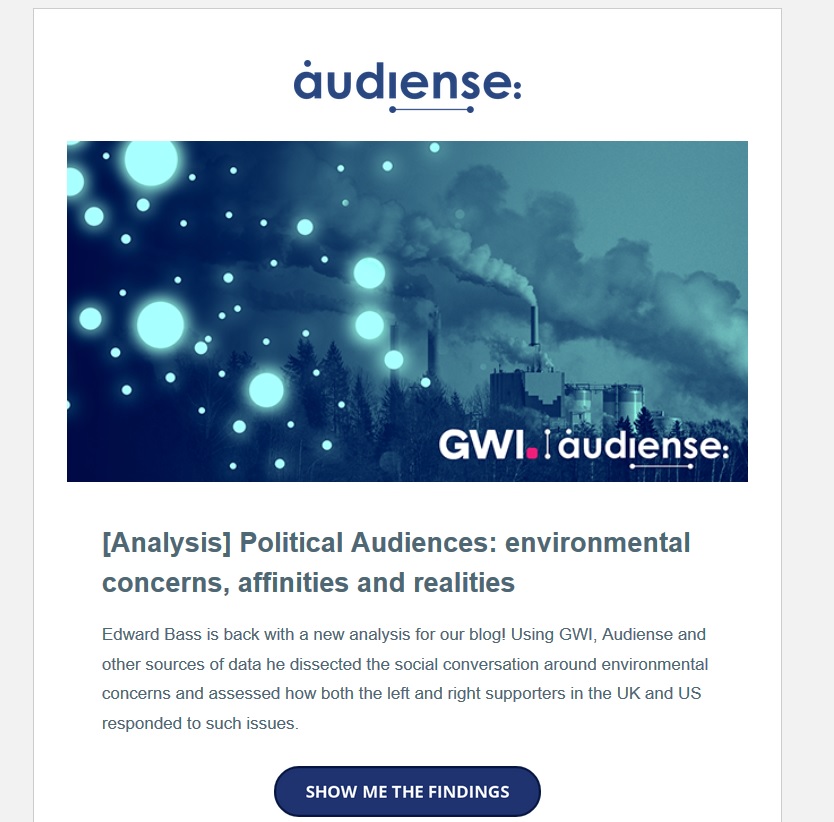
Optimizing conversion pathways across digital ecosystems requires adherence to established design and copywriting standards. On high-traffic destinations such as corporate homepages and dedicated landing pages, CTA buttons must adhere to strict visibility criteria:

- Above the Fold Placement: Critical conversion elements should be immediately visible upon page load without requiring the user to scroll.
- Visual Contrast: Buttons must utilize color schemes that stand out distinctly against the surrounding background architecture.
- Concise Copywriting: Button text should remain brief, action-oriented, and crystal clear regarding the outcome of the click.
- Friction Reduction: Surrounding form fields and administrative requirements should be minimized to encourage immediate submission.
By systematically testing variations in button coloration, microcopy, and page placement using advanced experimentation platforms, organizations can continuously refine their digital infrastructure. Ultimately, mastering the call to action is no longer an optional creative exercise; it is a foundational pillar of modern digital commerce and audience acquisition.