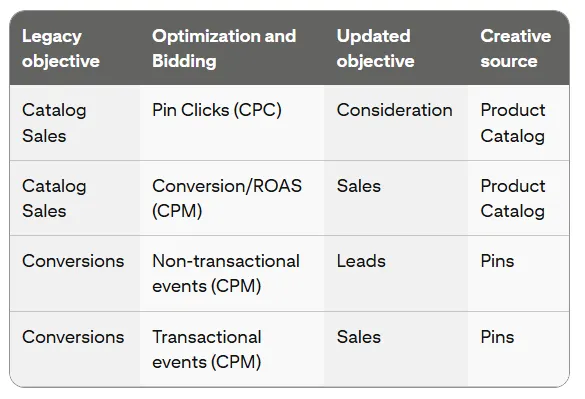
Pinterest has officially announced a comprehensive restructuring of its campaign objectives within Ads Manager, a strategic move designed to simplify the platform’s advertising ecosystem and help brands more intuitively align their marketing strategies with distinct business goals. The updates focus primarily on renaming and clarifying legacy categories such as Conversions and Catalog Sales, dividing them into more precise, outcome-oriented buckets that include Leads, Sales, and Consideration.
The visual-first discovery platform rolled out the documentation to guide digital marketers through the transition, emphasizing that while the terminology is evolving, the core functionality and backend algorithmic delivery remain entirely intact. This adjustment represents the latest effort by major social commerce and digital advertising platforms to lower the barrier to entry for small-and-medium-sized businesses (SMBs) while providing enterprise-level clarity for sophisticated media buyers managing complex, multi-layered funnels.
Understanding the Structural Shift
For digital marketers navigating the Pinterest Ads Manager, the nomenclature has historically relied on technical funnel terminology that occasionally blurred the lines between different types of consumer actions. Under the newly implemented framework, Pinterest has refined these choices to reflect straightforward consumer behaviors.
According to official platform guidelines, the newly designated categories are defined by their specific conversion metrics and desired outcomes:
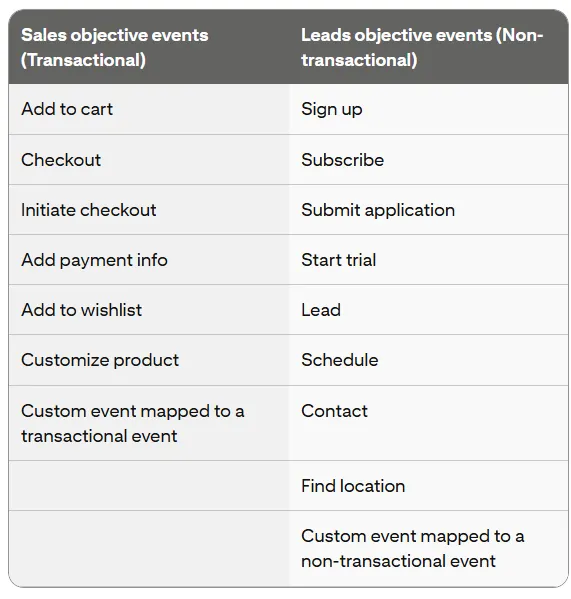
- Leads Campaigns: Tailored specifically to drive non-transactional outcomes. This encompasses actions such as newsletter signups, registration form completions, brochure downloads, and high-intent inquiries.
- Sales Campaigns: Focused strictly on transactional outcomes. This objective is optimized for driving revenue-generating consumer actions, including add-to-cart events, online checkouts, and direct product purchases.
- Consideration: Designed to build brand affinity, deepen audience engagement, and increase overall traffic by encouraging users to explore content, click through to destination websites, or interact with immersive video formats.
By substituting ambiguous technical jargon with explicit business outcomes, Pinterest aims to eliminate the friction that often plagues first-time or casual platform advertisers. In doing so, the company hopes to capture a larger share of performance-marketing budgets that traditionally default to search engines or larger social media giants like Meta and Google.
Background and Context of the Platform Evolution
The advertising landscape has undergone a dramatic transformation over the past five years, driven heavily by changes in data privacy regulations, signal loss across mobile devices, and an industry-wide pivot toward algorithmic attribution. Platforms that bridge the gap between inspiration and commerce—often referred to as social shopping environments—must continuously refine their user interfaces to make monetization as seamless as possible.

Pinterest has long positioned itself as a unique player in the digital ecosystem. Unlike traditional social networks where users connect with friends and family, Pinterest users approach the platform with a distinct intent: they are planning purchases, seeking inspiration for home renovation, fashion, travel, and lifestyle choices, and actively looking for products to buy. Industry data consistently shows that a significant percentage of Pinterest users use the platform specifically for shopping-related decision-making.
However, capitalizing on this high-intent audience historically required a steep learning curve for media buyers accustomed to the standardized structures of competing ad networks. By overhauling its campaign objectives, Pinterest is aligning its Ads Manager more closely with the mental models of modern advertisers, who increasingly demand intuitive campaign architecture that reduces setup time and minimizes configuration errors.
Official Guidelines and Migration Timeline
To ensure a smooth transition for brands, agencies, and independent creators, Pinterest has outlined a clear, phased chronology and provided comprehensive mapping documentation. Advertisers utilizing the platform will not need to scramble to rewrite active campaigns overnight, as the company has implemented a generous grace period to accommodate existing workflows.
The critical milestones for the Ads Manager objective update include:
- Immediate Rollout: The updated naming conventions and restructured objective listings are currently live within the Pinterest Ads Manager interface for global advertisers.
- Coexistence Period: Existing Conversions and Catalog Sales campaigns will remain fully functional, editable, and optimizable through the dashboard. Advertisers can continue to run these legacy setups without interruption.
- April 30, 2027 Expiration: Pinterest has set a firm sunset date for legacy campaigns. Existing Conversions and Catalog Sales campaigns will remain editable until April 30, 2027, after which they will be automatically archived by the system.
This multi-year runway is intended to provide enterprise-level brands and agency partners with ample time to audit existing account structures, update internal Standard Operating Procedures (SOPs), and migrate automated reporting dashboards to the new nomenclature without experiencing operational downtime.
Performance and Technical Continuity
One of the primary concerns for performance marketers whenever an advertising platform alters its interface or objective taxonomy is the potential disruption to machine learning models. Algorithmic delivery systems rely on historical data, conversion volume, and continuous signal feedback to optimize ad delivery and lower cost-per-action (CPA) metrics.
Pinterest has explicitly reassured advertisers that these updates are strictly cosmetic and structural from a delivery standpoint. Advertisers will not experience any algorithmic performance volatility, unexpected delivery drops, or resets in campaign learning phases solely as a result of adopting the new objective names.
Furthermore, campaign ramp times will remain consistent, governed entirely by the creative assets, targeting parameters, and budget allocations selected by the media buyer. The underlying machine learning architecture continues to evaluate user signals in the exact same manner; the only change is the semantic framework through which the advertiser communicates their goals to the system.
Fact-Based Analysis of Broader Implications
The decision by Pinterest to simplify its ad creation workflow carries several strategic implications for the platform’s competitive standing within the digital advertising ecosystem.
First, it reflects a broader industry trend toward user-centric interface design. As platforms like Meta, TikTok, and Amazon Ads aggressively compete for merchant ad dollars, ease of use has become a major differentiator. By making it nearly impossible for an advertiser to misunderstand whether a campaign is optimizing for leads or direct sales, Pinterest reduces campaign setup errors, which in turn leads to better return on ad spend (ROAS) for brands. Satisfied advertisers with positive returns are far more likely to increase their ongoing media commitments.
Second, the structural clarity benefits direct-to-consumer (DTC) brands and lead-generation businesses alike. While Pinterest has historically been celebrated as a visual catalog for e-commerce, the formal elevation of "Leads" as a primary campaign objective underscores the platform’s growing utility for service-based industries, B2B brands, financial services, and real estate entities looking to capture high-intent consumer information.
Finally, the long-term timeline—stretching out to April 2027—demonstrates a mature approach to platform governance. By granting a nearly three-year transition window, Pinterest acknowledges the complex operational hierarchies of large global agencies that manage thousands of accounts concurrently. This reduces friction and prevents the kind of sudden administrative panic that often accompanies platform updates.
As digital advertising continues to mature, success for platforms like Pinterest increasingly hinges on removing unnecessary complexity. By streamlining how goals are defined, categorized, and executed, Pinterest has taken a pragmatic step toward solidifying its position as an essential, high-intent destination for modern performance marketers.