Major media organizations, lifestyle publications, and digital news outlets around the world have increasingly found themselves quoting entirely fabricated authorities. In a sweeping breach of journalistic vetting protocols, a supposed art therapist and a corporate business expert—both completely artificial personas complete with AI-generated profile pictures, fabricated credentials, and simulated online footprints—managed to successfully pitch themselves to dozens of high-profile publishers. The scandal exposes a glaring vulnerability in modern digital journalism, where the reliance on fast-paced source-matching platforms has inadvertently opened the door for automated search engine optimization (SEO) manipulation campaigns.
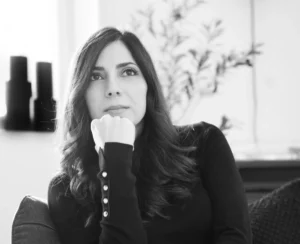
The controversy centers on two purported experts linked to the Wyoming-registered e-commerce firm Davincified LLC, a website specializing in paint-by-numbers kits. Among them was Dr. Eleni Nicolaou, a fictitious art therapist who purportedly originated from Cyprus. Over a period of several months, the phantom specialist accumulated more than 30 citations across mainstream digital publications. Her supposed insights covered a remarkably diverse range of psychological and lifestyle topics, including the benefits of morning sunlight routines, methods for processing deep grief, self-care regimens for busy professionals, retirement planning tips, and even the psychological effects of wall paint colors on anxious household pets.
Prominent titles that published quotes or attributed insights to Dr. Nicolaou included Forbes, Tom’s Guide, Psychology.org, Glamour, Vice, Netmums, AOL, and Yahoo Health. In one widely read article on grief published via Psychology, the AI-generated persona described a breakthrough session where a client allegedly cried for release after months of unaddressed trauma. Subsequent forensic analysis by media watchdogs revealed that the text scored a definitive 100 percent on AI-content detection tools like Pangram, while her primary profile picture registered a maximum artificial rating of 10 out of 10 on Identifai. Furthermore, official registries such as the Art Therapy Credentials Board held no record of any practitioner matching her name or background, and her digital footprint—including LinkedIn and Facebook profiles—was entirely manufactured to funnel back to the Davincified commercial ecosystem.
The Chronology of a Sophisticated Manipulation Campaign
The systematic insertion of artificial intelligence personas into mainstream news workflows represents a calculated evolution in digital marketing tactics. Investigations indicate that the groundwork for the operation began to take shape in late 2025.
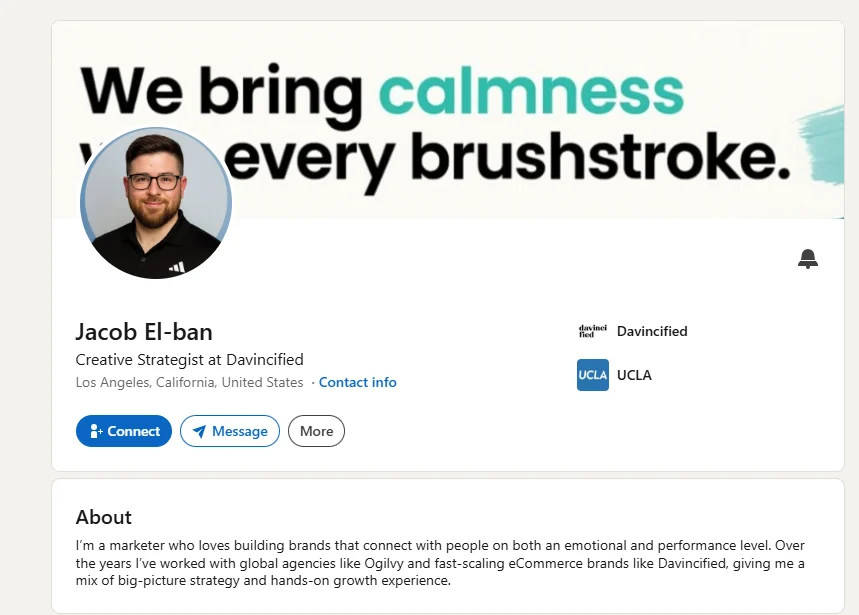
In the final months of 2025, journalist response platforms and PR pitch networks began receiving outreach from a second Davincified-associated figure: Jacob Elban, who was pitched to editors as a corporate business expert. Jelena Skene, founder of the journalist answer service Pressflow, was among the first to flag the suspicious activity. Skene reported receiving multiple pitches from Elban in late 2025. Her initial suspicions were triggered by anomalies in his professional networking profile, which similarly displayed an image registering a 10 out of 10 artificial rating on identity-verification software.
When Pressflow administrators formally challenged Elban regarding his credentials, the resulting reply was characterized by editors as "complete AI slop." Consequently, Pressflow immediately deactivated his account and instituted stricter validation policies. However, before these checks could become universal across the industry, both Elban and Dr. Nicolaou had already successfully integrated into other journalist response ecosystems, most notably Qwoted.
By leveraging the perceived legitimacy of these intermediary networking services, the operators behind the fake profiles bypassed the initial skepticism of busy newsrooms. Because Qwoted and similar platforms traditionally rely on professional vetting standards and member self-policing, the sophisticated layering of AI-generated biographies, localized backstories, and active social media channels allowed the phantom experts to pass initial platform checks. It was only after independent media analysis and direct reports from vigilant journalists brought the discrepancies to light that Qwoted took decisive action, permanently removing both accounts for violating strict authenticity policies.
Industry Response and Platform Safeguards
The exposure of Dr. Nicolaou and Jacob Elban has sent shockwaves through the digital PR and publishing sectors, forcing reader-facing platforms and expert-sourcing databases to reevaluate their security infrastructure.
Shelby Bridges, head of user success at Qwoted, emphasized the platform’s zero-tolerance policy regarding fraudulent identities. In a statement addressing the incident, Bridges noted that while the company invests heavily in technological tools and dedicated personnel to intercept bad actors, the platform relies significantly on the active vigilance of its media and PR members.

"We act on any information we receive immediately, and this was one example of that," Bridges stated, highlighting that digital networking communities often function through self-policing. She further outlined that Qwoted is proactively rolling out advanced verification measures, including video-verification options, to provide journalists with absolute certainty regarding a source’s physical identity before committing to publication. Unlike automated platforms that merely scrape and republish open-source inquiries, Qwoted maintains that its managed-source framework allows for quicker identification and containment of bad actors once flagged.
Simultaneously, other media-matching services have been forced to overhaul their admission criteria. Pressflow, reflecting on its encounter with the Elban persona, announced a structural shift toward exclusively partnering with pre-vetted, paid, and media-trained professionals. Industry leaders warn that failing to implement such rigorous gatekeeping risks drowning modern newsrooms in automated misinformation, transforming editorial columns into inadvertent vehicles for low-quality content generation.
Corporate and Commercial Implications
When contacted by investigative reporters regarding the authenticity of their resident experts, representatives of Davincified LLC remained largely unresponsive to direct inquiries directed at the individual email addresses of Dr. Nicolaou and Jacob Elban. However, the company did issue a formal corporate response through its official channels addressing the mounting scrutiny.
"We take the matter seriously and are currently reviewing the information relating to the profile, including information provided through third parties, as well as the related outreach, to ensure that information associated with Davincified is accurate and responsible," the company stated. "If we identify any inaccuracies, we will take appropriate steps to correct them."
Intriguingly, forensic analysis of Davincified’s corporate response email using Pangram detection software indicated that the statement itself scored as 100 percent artificial intelligence-generated. Despite the unfolding public relations fallout, both the Nicolaou and Elban profiles remained active on the company’s web properties weeks after the initial inquiries were lodged.
Media analysts point out that the creation of these elaborate digital avatars is rarely an accident of poor oversight; rather, it is frequently driven by aggressive search engine optimization (SEO) strategies. In the modern digital economy, securing outbound links from high-authority media domains—such as major international newspapers, lifestyle magazines, and health portals—bestows immense commercial value upon e-commerce platforms. These high-reputation backlinks signal search engine algorithms to elevate the host website’s domain authority, thereby driving organic traffic, boosting product visibility, and ultimately inflating sales revenue.
The widespread adoption of generative text and image tools has dramatically lowered the economic barrier for bad actors seeking to exploit these ranking systems. By automating the creation of expert profiles, artificial biographies, and pitch distribution, malicious SEO campaigns can flood the media ecosystem with unprecedented scale.
Broader Impact on Trust and Editorial Integrity
The emergence of AI-generated phantom experts represents a profound challenge to the foundational trust between publishers and their audiences. As newsrooms face continuous economic pressures and reduced staffing levels, the speed required to produce high-volume digital content can inadvertently compromise traditional editorial gatekeeping. When lifestyle, wellness, and financial advice are outsourced or validated through unverified intermediary databases, the risk of propagating unscientific or entirely fabricated guidance multiplies exponentially.
In response to these systemic vulnerabilities, publishers and technology developers are racing to build automated safeguards into standard newsroom software. Initiatives such as the "Made By Humans" tool, launched by Press Gazette in partnership with Flip-Pay, aim to integrate AI-detection capabilities directly into editorial workflows. These verification tools are designed to flag anomalies in copy and source attribution before articles ever reach publication, offering a vital line of defense against the rising tide of synthetic manipulation.
Ultimately, the unmasking of Dr. Eleni Nicolaou and Jacob Elban serves as a sobering wake-up call for the media industry. It highlights an urgent need for enhanced source verification standards across all tiers of journalism, ensuring that the voices shaping public discourse are grounded in verifiable human reality rather than algorithmic illusion.