Global ecommerce sales are projected to reach $5.5 trillion worldwide, underscoring the rapid, continuous expansion of online retail as an increasingly dominant business model for modern enterprises. Yet, digital commerce is no longer confined to traditional standalone web stores and third-party shopping platforms such as Shopify or WooCommerce. A profound shift is underway as brands increasingly pivot toward selling directly on social media networks, creating a streamlined retail ecosystem known as social commerce.
This transition represents a fundamental evolution in how consumers discover, evaluate, and purchase goods. Rather than treating social media merely as an upper-funnel marketing channel for brand awareness, retailers are turning platforms like Facebook, Instagram, TikTok, and Pinterest into fully transactional point-of-sale environments. Industry analysts note that this direct-to-consumer approach bridges the gap between inspiration and acquisition, offering unprecedented convenience for an increasingly mobile-first consumer base.

Understanding the Mechanics of Social Commerce
Social commerce is defined as the process of buying and selling products or services directly within a social media application. This business model fundamentally alters the consumer journey. Historically, social networks served purely as discovery engines—places where users encountered products visually before navigating away to an external website to complete a transaction. Social commerce eliminates that friction entirely, allowing users to seamlessly complete the entire purchasing funnel without ever leaving the host app.
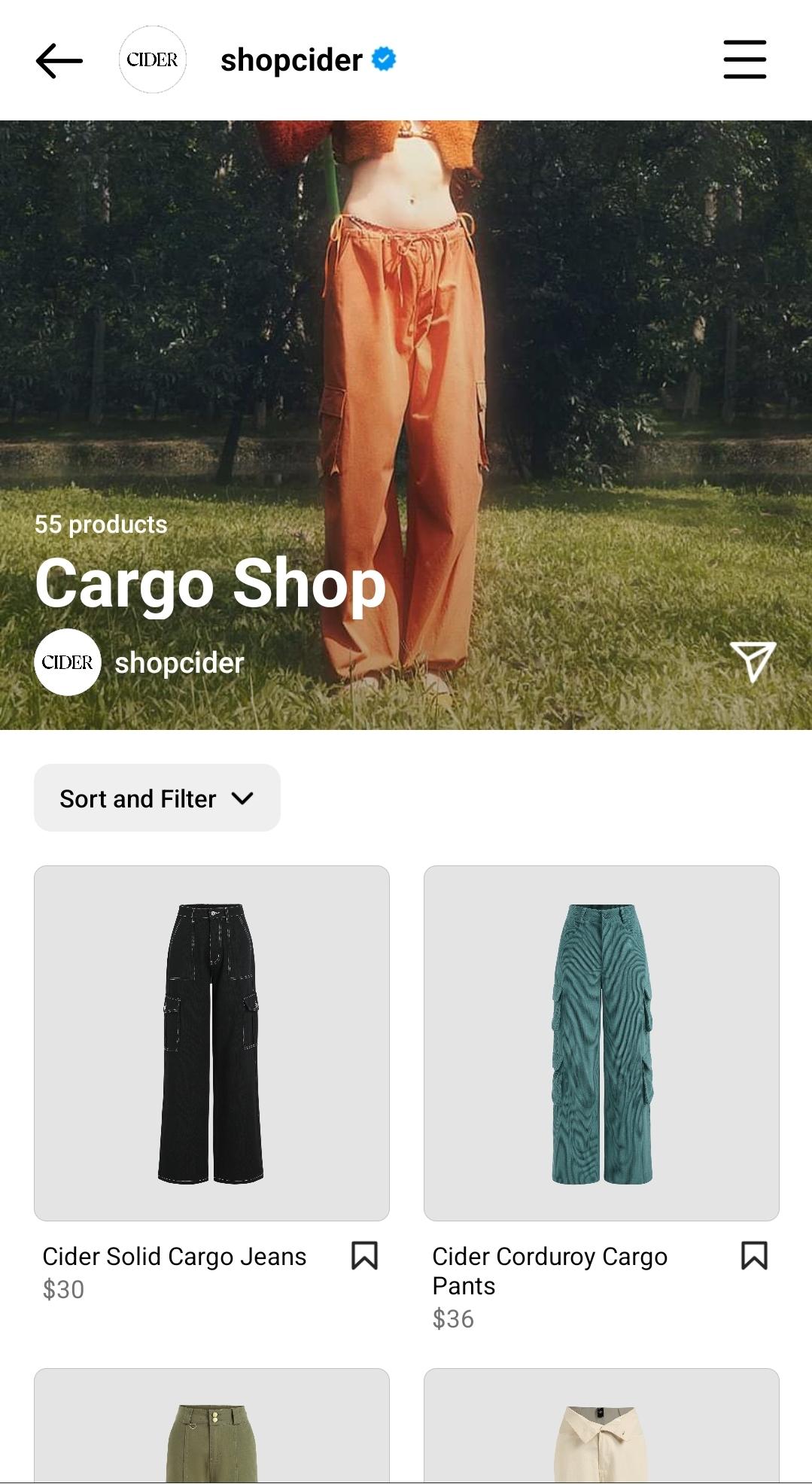
The operational workflow is designed for maximum efficiency. A user scrolling through their Instagram feed might encounter an advertisement for apparel, tap a "Shop Now" button, add the item to a cart, and execute a secure checkout natively within the application. Similarly, on platforms like TikTok, consumers can purchase products featured in short-form videos by favorite creators, paying instantly before returning to their content feeds without interruption.

Crucially, industry experts emphasize the need to distinguish social commerce from related digital marketing terms. Ecommerce remains a broad umbrella term encompassing all online transactions conducted via dedicated web stores or branded apps. Meanwhile, social selling refers specifically to the practice of building interpersonal relationships on social networks to generate sales leads—a distinct methodology focused on networking rather than in-app transactions.
Strategic Advantages Driving the Social Commerce Boom
Retailers are rapidly adopting social commerce infrastructure to capitalize on shifting consumer behaviors and structural retail efficiencies. Market analysts point to five primary drivers behind this acceleration.

First, social commerce fundamentally transforms the shopping experience into an interactive, community-driven event. Unlike traditional static web pages, social platforms enable shoppers to comment on products, consult peers in real-time, share items via direct message, and engage in direct dialogues with brand representatives. This recreates the social dynamics of a physical shopping mall within a digital framework.
Second, demographics heavily favor social-first retail strategies. Data from research firms like Statista indicates that approximately 62% of consumers aged 18 to 34 have completed a purchase influenced directly by branded social media posts or influencer content. For brands targeting Millennials and Generation Z, establishing a native presence on these platforms is no longer optional.
Third, the elimination of transactional friction drastically reduces cart abandonment rates. Traditional ecommerce models require a multi-step journey: viewing an ad, navigating to an external browser, loading a web page, manually inputting shipping and credit card details, and checking out. Each additional step introduces drop-off points where consumers frequently abandon purchases. Social commerce condenses this into a frictionless, native checkout experience.

Fourth, social channels function as organic, real-time focus groups. Brands engaging directly with customers via comments and direct messages gain immediate, actionable feedback regarding product ideation, pricing strategies, and inventory planning. This continuous feedback loop allows agile businesses to iterate rapidly based on direct consumer input.
Fifth, advanced platform algorithms provide access to highly targeted audiences. Social media companies possess vast amounts of behavioral and demographic data, enabling merchants to deploy hyper-targeted advertisements that place products directly in front of consumers actively demonstrating intent to purchase.
An Evolving Landscape: Key Platforms Leading the Charge

Major technology companies have heavily invested in building robust native shopping infrastructures to capture growing digital ad and transaction revenues.
Facebook pioneered early social storefront capabilities through Facebook Shops, a free, highly customizable feature allowing businesses to showcase product catalogs directly on their Facebook Business Pages and sync inventories seamlessly from partner ecommerce platforms. Recognizing the need to manage high volumes of customer inquiries, many brands now integrate conversational AI tools, such as Heyday by Hootsuite, into Facebook Messenger to automate responses regarding shipping status and product availability while routing complex queries to human support agents.
Instagram has similarly positioned itself as a visual storefront, linking business profiles to Facebook backend systems to offer dedicated product detail pages. With the recent introduction of in-chat purchasing capabilities via direct messages, Instagram continues to shorten the distance between consumer inquiry and financial conversion.
Pinterest occupies a unique niche within the social commerce ecosystem. While international users are frequently redirected to external web stores to complete transactions, U.S.-based users can utilize native Product Pins to execute purchases directly within the app. Given that roughly 89% of Pinterest users actively utilize the platform for purchase inspiration and research, its powerful search engine capabilities remain a vital revenue driver for retail brands.
TikTok has redefined viral commerce through phenomena such as the #TikTokMadeMeBuyIt hashtag, which has accumulated billions of views globally. Through TikTok Shop, merchants can leverage shoppable videos, live-stream shopping events, and dedicated in-app product showcases to convert viral engagement into immediate sales volume, cementing the platform’s status as a cultural and commercial powerhouse.
Best Practices and Technological Integration for Retailers

Deploying a social storefront is merely the first step; maximizing profitability requires a strategic, data-driven operational framework. Industry experts recommend several foundational practices for brands entering the social commerce space.
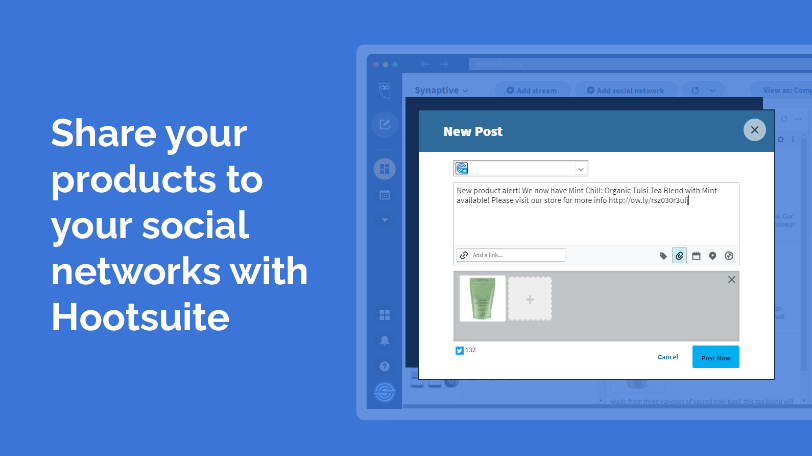
Active social listening is paramount. Retailers must monitor cross-platform sentiment, customer inquiries, and broader industry trends using centralized management dashboards like Hootsuite. Beyond broadcasting promotional material, brands must cultivate authenticity by actively engaging with their communities, answering questions transparently, and humanizing their corporate identity.
Collecting and displaying social proof remains critical to conversion optimization. Studies show that the vast majority of online consumers consult reviews before making purchasing decisions. Brands are advised to actively solicit feedback through automated post-purchase emails or loyalty incentives, subsequently repurposing positive user-generated content, customer review carousels, and live-streaming testimonials across their social channels.

Finally, leveraging automation technology helps bridge the gap between high-volume engagement and efficient customer service. Implementing AI-powered conversational assistants allows businesses to automate up to 80% of routine customer service inquiries, such as tracking orders or checking price points, while simultaneously driving sales through automated back-in-stock and price-drop notifications.
Broader Implications and Future Outlook
The rapid ascent of social commerce marks a structural maturation of the digital economy. As social networks evolve from simple communication tools into comprehensive economic infrastructure, traditional boundaries between media consumption and retail transactions are dissolving entirely.
Economists and retail analysts note that this trend forces traditional brick-and-mortar retailers and legacy ecommerce sites to continuously innovate, prioritizing mobile-first design, lightning-fast checkouts, and deeply personalized customer engagement. As consumer expectations for friction-free digital experiences continue to escalate, social commerce is positioned to transition from an emerging digital marketing tactic into a foundational pillar of global retail strategy over the coming decade.