The quiet disappearance of household staples is not a sudden trend, but rather the cumulative result of decades of technological disruption, architectural evolution, and a fundamental shift in consumer behavior toward minimalism. As households navigate the rising costs of living and the constraints of urban real estate, the necessity of maintaining two distinct categories of belongings—one for daily utility and one for "special occasions"—has evaporated. This transition, which has accelerated significantly since the early 2000s, represents a structural realignment of how families interact with their living spaces and their finances.

The Technological and Structural Drivers of Obsolescence
The decline of various household items can be mapped against three primary drivers: the digitization of services, the rise of "all-in-one" design, and the shrinking footprint of the average modern home.
Data from recent retail analyses suggests that the market for single-purpose appliances has contracted by nearly 40% over the last fifteen years. The fax machine, for instance, was a standard office fixture in the 1990s, with global shipments peaking in the mid-90s before plummeting as email, cloud storage, and secure digital scanning applications became the standard. The device, once retailing for upwards of $300, now occupies significant space in landfills and garage storage, as the requirement for physical transmission has effectively been replaced by PDF attachments.
Similarly, the physical encyclopedia set, once a status symbol and an educational imperative for middle-class families in the 20th century, has seen its market value collapse. Industry reports indicate that, outside of rare or antique editions, the value of complete print sets has fallen to little more than the cost of shipping. The accessibility of high-speed internet and search engines effectively rendered the multi-volume reference library a decorative relic, as information is now updated in real-time rather than annually.

A Chronology of the "Two-Set" Decline
The transition away from redundant household items can be traced through the following phases of domestic management:
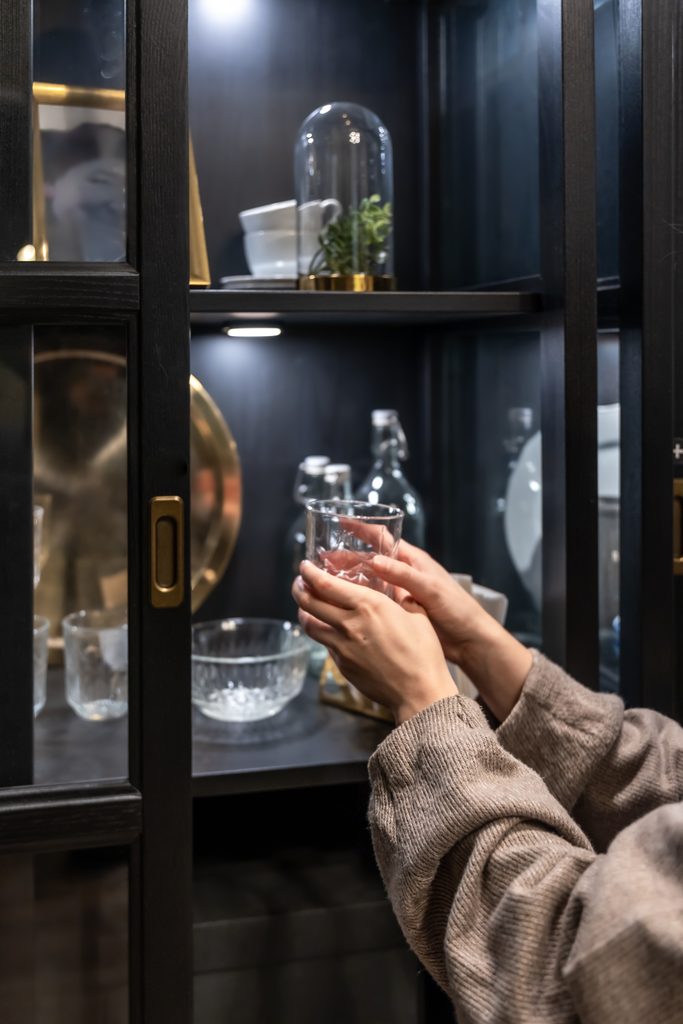
- The 1980s and 1990s (The Era of Abundance): Homes were built with dedicated space for formal dining rooms, wall-mounted hardware, and extensive cabinetry to house specialized equipment like fondue sets, china cabinets, and multiple sets of fine glassware.
- The 2000s (The Digital Pivot): The advent of widespread broadband and mobile communication began the slow erosion of landline infrastructure and physical media collections. Digital photography and streaming services began to diminish the need for physical photo albums and media racks.
- The 2010s to Present (The Minimalist Correction): Economic shifts and the rise of smaller, urban-dense living environments forced a reassessment of square footage. Consumers began to reject the "good vs. everyday" dichotomy, opting for higher-quality items that serve multiple functions, thereby reducing the need for duplicate storage.
The Economic Reality of Household Redundancy
The most significant change in consumer habits is the rejection of the "good" set—a secondary collection of items such as silverware, china, or tablecloths that are reserved for holidays or guests. Sociological observations in the home-organization sector indicate that the maintenance of these collections creates a "storage tax" on homeowners.

Financial analysts note that the practice of buying, cleaning, and storing specialized items that see use only three or four times per year constitutes a significant, if often overlooked, drain on resources. By consolidating into one durable, high-quality set, households save on the opportunity cost of the storage space, the expense of maintenance, and the emotional burden of managing clutter.

The Impact on Interior Design and Architecture
The decline of these items has fundamentally changed the blueprint of the modern home. Real estate trends show that new construction is increasingly prioritizing "great room" layouts over the formal, compartmentalized spaces of the late 20th century.
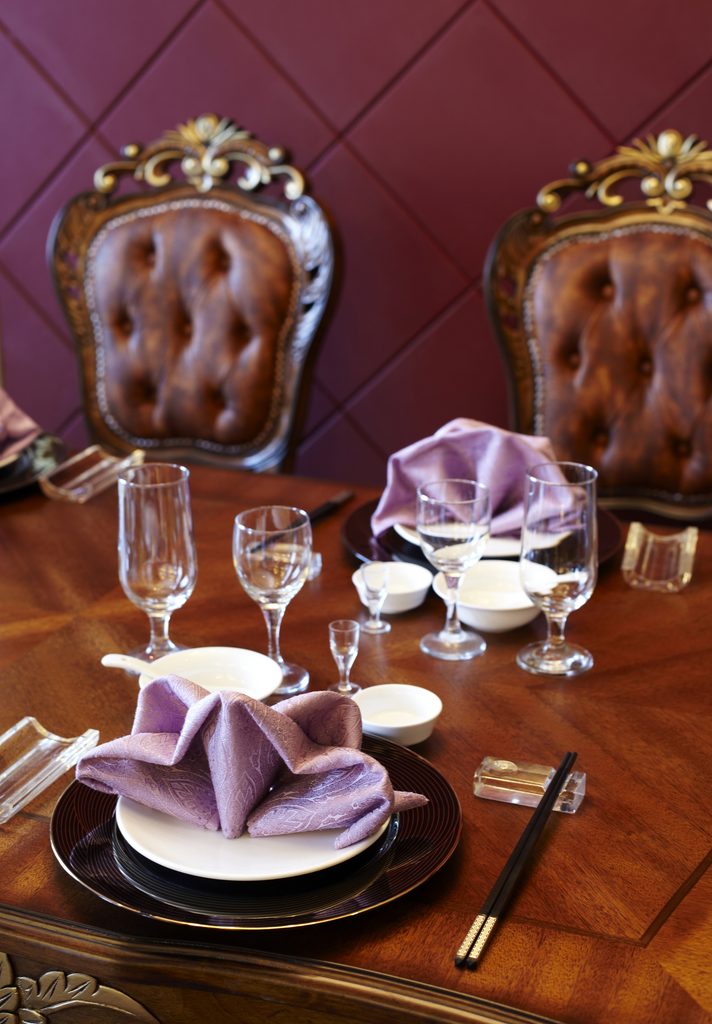
- Dining Spaces: Modern floor plans frequently omit the formal dining room, opting for a single, versatile area that functions for both casual meals and larger gatherings. This has led to a reduced demand for china cabinets and secondary furniture.
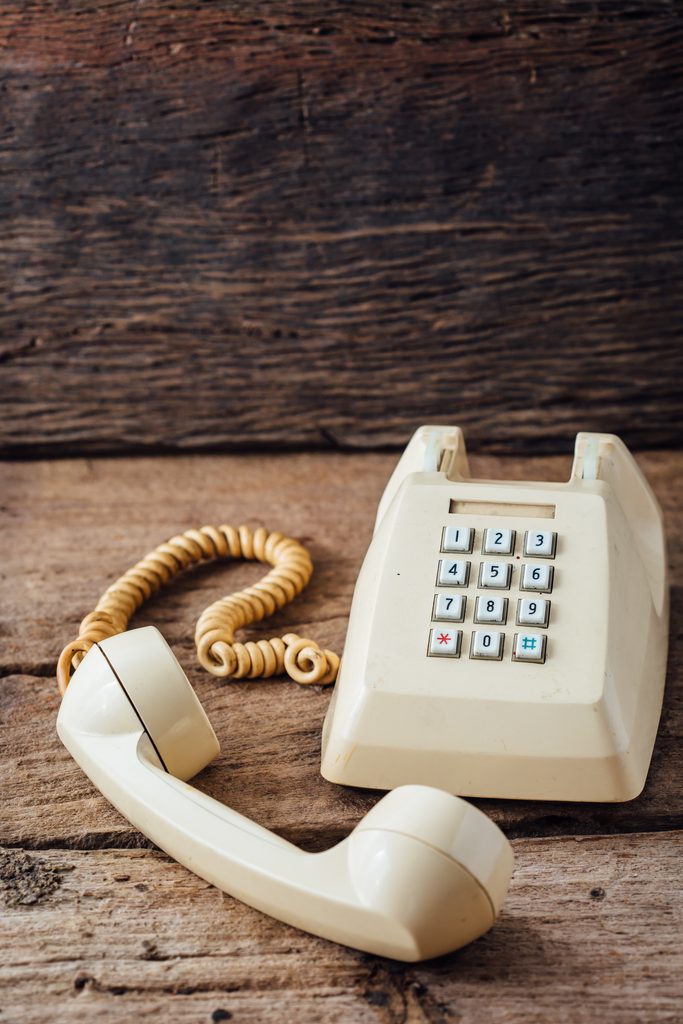
- Infrastructure: Building codes in many regions have evolved to reflect the decline of landline telephony. The installation of multiple phone jacks in every room—a standard requirement thirty years ago—has been abandoned in favor of robust wireless and high-speed data wiring.
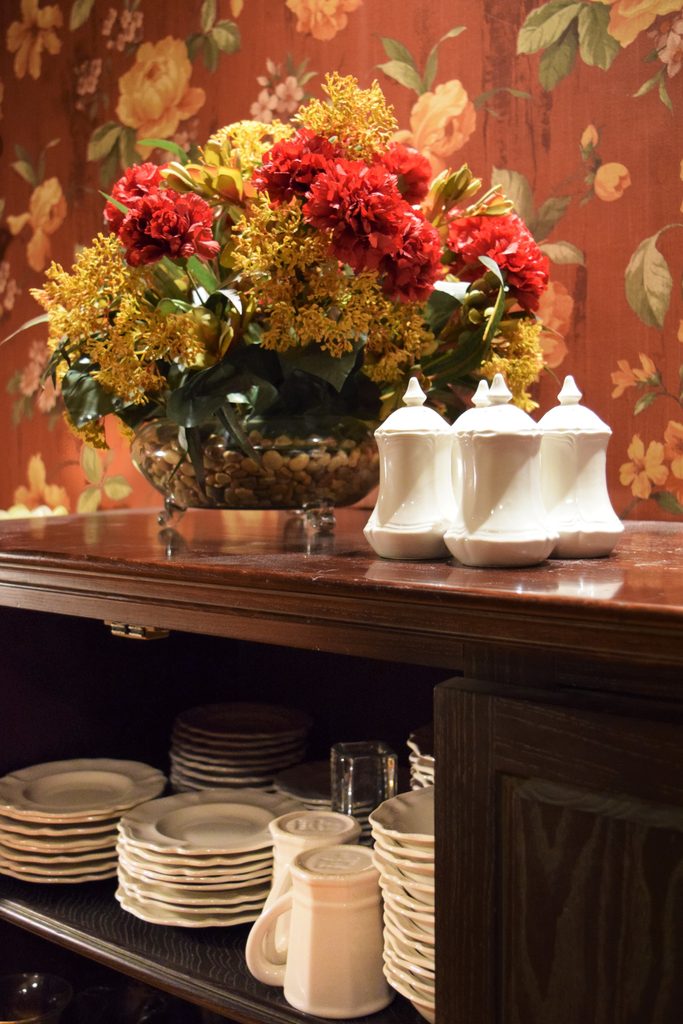
- Renovation Challenges: The removal of outdated decorative elements, such as wallpaper borders—a staple of 1990s interior design—has become a common task for new homeowners. This shift highlights a desire for "clean" visual spaces that are easier to maintain and modernize.
Industry and Retail Perspectives
Retailers have been forced to pivot their inventory strategies to align with these changing needs. The shift is most visible in the kitchenware aisle, where the demand for single-purpose gadgets—such as egg separators or strawberry hullers—has waned in favor of versatile tools that provide higher utility.
Market observers note that the "gift" economy has also shifted. While personalized items like monogrammed robes or stationery were once standard wedding and housewarming gifts, modern gifting trends are trending toward experiences or consumable goods. This aligns with the broader consumer preference for reducing the volume of permanent household inventory.
Implications for Future Consumption
The implications of this shift are far-reaching. As households move away from the "collection" mindset, the secondhand market is becoming saturated with high-quality, lightly used items from previous generations. From crystal glassware to formal silverware, the supply of these items far exceeds the demand, leading to a devaluation of traditional luxury goods.
For the modern consumer, the "less is more" philosophy is not merely an aesthetic choice but a logical response to the economics of space and time. The "good" set of dishes, which once served as a marker of household status, is being replaced by the "versatile" set, which serves as a marker of efficiency.
Conclusion: The New Standard of Utility
The disappearance of these 35 categories of items serves as a mirror for the changing priorities of the modern household. When consumers walk through their homes today, the items that remain are increasingly those that provide daily value. The shift is not a rejection of quality or comfort, but rather a more discerning approach to what is allowed to occupy space.
By removing the "just in case" items that have sat in cabinets for decades, families are finding that they possess more room, more time, and a more streamlined domestic environment. The transition from a "two-set" culture to a "one-set" culture is a definitive marker of the 21st-century lifestyle, one that favors mobility, efficiency, and the intentional selection of goods. As this trend continues, the domestic space will likely become even more optimized, reflecting a society that places a higher premium on utility and sustainability over the accumulation of rarely used possessions.