The digital publishing landscape, once a straightforward domain dominated by self-hosted websites, has fragmented and diversified into a complex ecosystem where content creators must strategically choose their platforms. What was once synonymous with a WordPress blog is now a multi-faceted activity spread across a variety of tools, each serving distinct purposes for content creation, distribution, and audience engagement. This evolution reflects broader shifts in digital consumption, the rise of the creator economy, and the increasing demand for direct communication channels between creators and their audiences.
A Historical Perspective: From Monolith to Myriad
For much of the early 2000s, blogging was a relatively simple endeavor. Individuals and businesses alike established their online presence primarily through platforms like WordPress, either self-hosted or via WordPress.com. This model offered a centralized hub for content, providing complete control over design, functionality, and monetization. The focus was on building a personal domain, attracting traffic through search engine optimization (SEO), and fostering a community through comments. This era laid the groundwork for digital content creation, establishing the blog as a foundational unit of online expression and information sharing.
However, the proliferation of social media platforms and the increasing sophistication of digital tools began to challenge this monolithic structure. The mid-2010s saw the rise of content aggregation sites like Medium, offering easier entry points for writers and built-in distribution networks. Simultaneously, professional networking sites such as LinkedIn began to integrate robust publishing features, transforming into platforms for thought leadership and long-form professional content. The most recent wave, accelerating in the late 2010s and early 2020s, has been the surge of email-first platforms like Substack and beehiiv, capitalizing on the desire for direct audience relationships and subscriber-based monetization. This fragmentation means that "blogging" is no longer a singular activity but rather a strategic integration of diverse channels.
Owned Platforms: The Foundation of Digital Independence
At the core of the digital publishing spectrum lie "owned platforms," representing the traditional model where creators maintain full autonomy over their digital assets. This typically involves a self-hosted website, with WordPress remaining the dominant choice. Powering over 43% of all websites on the internet, WordPress offers unparalleled flexibility through its open-source nature, extensive plugin directory, and vast array of themes.
Advantages and Responsibilities:
The primary advantage of an owned platform is absolute control. Creators dictate the aesthetics, functionality, monetization strategies, and the long-term archiving of their content. This independence protects creators from platform policy changes, algorithmic shifts, or potential shutdowns that can impact third-party services. It also allows for sophisticated branding, e-commerce integration, and advanced analytics. For businesses and long-term personal brands, an owned platform serves as the ultimate digital home base, to which all other online activities can ultimately direct traffic.

However, this autonomy comes with significant responsibilities. Creators are accountable for domain registration, web hosting costs, site setup, ongoing maintenance, security updates, and troubleshooting. The initial investment in time and technical knowledge can be substantial. Furthermore, owned platforms typically lack inherent distribution mechanisms. New sites often start with zero traffic, requiring considerable effort in SEO, content marketing, and external promotion to build an audience organically. Industry data indicates that it can take months, or even years, for new self-hosted blogs to gain significant search engine visibility, making audience acquisition a slow burn without complementary strategies.
Getting Started with Self-Hosted Platforms:
For those embarking on this path, simplicity is key in the initial stages. Selecting a durable domain name and securing reliable hosting (e.g., SiteGround, WP Engine, Kinsta) are foundational steps. Installing WordPress and opting for a clean, efficient theme (such as GeneratePress or Astra) minimizes complexity. A critical, often overlooked, aspect is the early implementation of an email capture system. Building an email list provides a direct communication channel with readers, mitigating reliance on search engines for repeat traffic and fostering a loyal community from the outset. Platforms like MailerLite or ConvertKit offer robust tools for this purpose, proving invaluable even with a nascent audience.
All-in-One Platforms: Streamlined Publishing and Direct Engagement
A significant shift in the content creation landscape has been the rise of "all-in-one platforms," particularly those focused on newsletters and direct subscriber relationships. Substack and beehiiv exemplify this category, offering integrated tools for publishing, email distribution, basic design, and subscriber management, all without the technical overhead of a self-hosted site. These platforms have been instrumental in the growth of the "creator economy," enabling writers to directly monetize their content through paid subscriptions.
Substack vs. beehiiv:
Substack has garnered considerable attention for its user-friendly interface and focus on empowering independent writers and journalists. Its streamlined setup allows creators to launch a newsletter with minimal technical expertise. Substack also offers discovery features, such as leaderboards and recommendations, which can assist new writers in finding an initial audience. The platform has consistently evolved, adding features like drip campaigns and podcast hosting, reflecting a commitment to supporting diverse content formats. Substack typically takes a 10% cut of paid subscriptions, a model that has proven attractive for many seeking direct monetization.
Beehiiv, while also easy to use, offers greater customization and advanced analytics, appealing to creators who view their newsletter as a growing business. Its backend flexibility, including more sophisticated segmentation and monetization options, provides a scalable solution for those looking to optimize their subscriber engagement and revenue. While both platforms effectively serve the core need for newsletter publishing, beehiiv caters to users desiring more granular control over their email marketing strategies.
Advantages and Trade-offs:
The primary draw of these platforms is the significantly lower barrier to entry. Creators can focus almost exclusively on writing, free from concerns about hosting, plugins, or complex integrations. The built-in email functionality and subscriber tools streamline audience management. The direct monetization model through subscriptions offers a clear path to generating income.
However, this convenience comes with trade-offs. Creators operate within the platform’s ecosystem, limiting design customization and functional flexibility. While email lists can typically be exported, the full "setup" – including content formatting, branding, and community features – remains tied to the platform. This dependency means creators are subject to the platform’s terms of service, pricing changes, and strategic direction. Despite these limitations, the newsletter market continues to surge, with platforms like Substack reporting millions of paid subscribers and a growing number of writers earning significant income, underscoring the viability of this model for direct audience connection.
Medium: A Hub for Content Discovery and Community
Medium, often considered an all-in-one platform in its own right, occupies a unique space within the digital publishing ecosystem. Launched in 2012, it aimed to create a space for high-quality writing and thoughtful discourse, offering a clean reading experience and a built-in audience.
Role and Benefits:
Medium allows writers to publish "stories" (articles) that reside on dedicated pages, where readers can follow individual writers and publications. Its primary strength lies in its discovery potential. By being accepted into a large publication on Medium, a writer with a small personal following can instantly reach a vast, engaged audience. This immediate distribution mechanism, combined with Medium’s strong editorial focus, makes it an attractive channel for content amplification and establishing credibility. The platform’s partner program also offers a path to monetization based on reader engagement.
Limitations and Current Standing:
Despite its advantages, Medium’s newsletter functionality and direct audience ownership tools are not as robust as those offered by dedicated email platforms like Substack or beehiiv. While readers can opt-in for email updates from writers, the level of control and analytics over these lists is more limited. Furthermore, while Medium remains a relevant platform, its prominence has somewhat receded from its peak a few years ago. It continues to be a valuable supplemental channel for content creators seeking to expand their reach and test ideas, but it is less frequently recommended as a primary "home base" for those aiming for complete control and direct audience ownership.
Feed-Based Platforms: Amplification and Community Building
Social platforms such as LinkedIn and X (formerly Twitter) have evolved beyond mere social networking sites to become significant arenas for long-form content and thought leadership. They play a distinct role in the modern publishing strategy, serving primarily as amplification channels and community-building tools rather than primary content repositories.
LinkedIn for Professional Thought Leadership:
LinkedIn has transformed into a robust content hub for professionals, allowing users to publish articles, share insights, and engage in industry-specific discussions. LinkedIn Pulse, its publishing platform, enables users to leverage their professional network for immediate distribution. This environment is particularly effective for business leaders, industry experts, and consultants seeking to establish authority, share expertise, and network with peers. Data from LinkedIn consistently shows high engagement rates for well-crafted long-form content, with professionals actively seeking insights from their network.
X for Real-time Engagement and Idea Testing:
X, despite its character limits, has increasingly accommodated longer-form content, particularly through threads and notes. It serves as a dynamic platform for real-time commentary, breaking news analysis, and direct interaction with a broad audience. For writers, X can be an invaluable tool for testing content ideas, gauging public reaction, and building a community around specific topics.
Strategic Use and Challenges:
The key benefit of feed-based platforms is immediate distribution to an existing audience. Content can quickly gain traction if it resonates, leading to rapid visibility. These platforms are excellent for testing ideas, refining arguments, and maintaining a consistent public presence.
However, content on these platforms has a relatively short lifespan. Posts quickly disappear into the feed, and sustained visibility relies heavily on algorithmic promotion and continuous engagement. Unlike owned platforms or email newsletters, there is no "long tail" for content discovery, and building a truly "owned" audience (e.g., via an email list) is challenging directly through these channels. Success on social platforms requires active participation beyond just posting; commenting, replying, and sharing others’ work are crucial for building influence and visibility. For most creators, these platforms function as powerful support systems, driving traffic back to owned platforms or newsletters.
Borrowed Platforms: Leveraging Established Authority
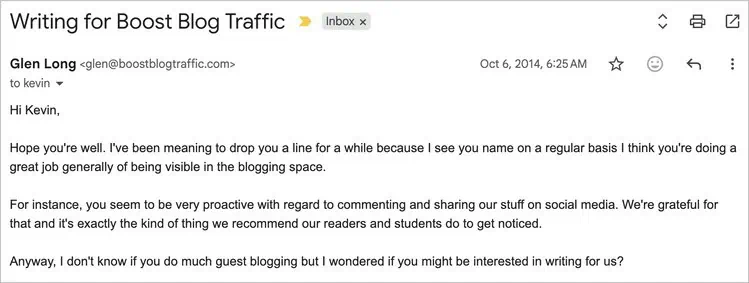
A highly effective, though often less discussed, strategy in modern digital publishing involves "borrowed platforms" – contributing content to established websites or publications. Historically known as guest blogging, this approach remains a potent method for instantly gaining credibility and reaching a pre-existing, engaged audience.
Instant Credibility and Audience Access:
When a writer publishes on a reputable site like Forbes, Business Insider, or a leading industry blog, they immediately benefit from that platform’s established authority and audience trust. This association transforms the writer’s perception from an unknown entity to a recognized subject matter expert. For instance, an individual writer might struggle for years to build a comparable level of trust and reach on their own site. By strategically contributing to authoritative platforms, creators can bypass much of the initial audience-building effort.
The experience of many successful content creators underscores this point. Writing for an established publication can open doors to new opportunities, such as speaking engagements, consulting roles, or even full-time editorial positions. The visibility gained from a single well-placed article can significantly accelerate a creator’s journey towards recognition and influence. This strategy is not merely about traffic generation but primarily about authority building and strategic networking.
Approach and Considerations:
To effectively leverage borrowed platforms, writers should identify sites that align with their expertise and audience. Many reputable sites have clear submission guidelines, though the bar for acceptance is typically high, reflecting their commitment to quality. The content provided must be of exceptional quality, demonstrating expertise and providing genuine value to the host site’s readership.
This strategy is a two-way street: while the writer borrows the platform’s audience, they also borrow its reputation. Therefore, discernment is crucial. Publishing on sites with low editorial standards or questionable credibility can inadvertently damage a writer’s own standing. The effort invested in a strong guest post should be commensurate with the potential reputational and audience benefits derived from the host platform.
Navigating the Modern Publishing Ecosystem: A Strategic Imperative
The contemporary digital publishing landscape demands a sophisticated, multi-platform strategy. The question for content creators is no longer "Which platform should I use?" but rather, "How do these different platforms work together to achieve my content and business objectives?"
Key Strategic Considerations:
- Define Your Home Base: For long-term brand building, intellectual property ownership, and maximum monetization flexibility, an owned platform (like a self-hosted WordPress site) often remains the ideal home base. This is where your core content resides and where you maintain ultimate control.
- Cultivate Direct Relationships: Platforms like Substack and beehiiv are essential for building a direct, engaged audience through email. This direct channel is invaluable for fostering loyalty, receiving feedback, and implementing subscription-based monetization, independent of algorithmic changes.
- Amplify and Discover: Utilize platforms like Medium, LinkedIn, and X for content amplification, audience discovery, and community engagement. These channels can drive new readers to your home base or newsletter, test content ideas, and establish thought leadership.
- Leverage External Authority: Strategically contribute to reputable borrowed platforms to gain instant credibility, access new audiences, and accelerate your authority in your niche.
- Content Repurposing and Integration: Develop a strategy for repurposing content across different platforms. An article on your owned blog could be summarized for LinkedIn, broken into a thread for X, and form the basis of a newsletter edition. Ensure all external content points back to your primary platforms, whether it’s your website or your email list.
- Prioritize Audience Ownership: Regardless of where content is initially published, always prioritize capturing email addresses. An email list represents a direct, owned communication channel, safeguarding against the volatility of third-party platforms.
Conclusion: The Future of Content is Diversified
Blogging, in its traditional sense, has not died; it has simply evolved and diversified. What was once a singular activity has matured into a strategic ecosystem requiring content creators to understand the unique strengths and roles of various platforms. The modern digital publisher must be an architect, building a coherent strategy that integrates owned assets, direct communication channels, social amplification, and external credibility. By answering the questions of "Where should this live?", "Where should I share it?", and "How do these pieces work together?", creators can effectively navigate this dynamic landscape, build resilient audiences, and achieve their publishing goals in the digital age. The evolution continues, and adaptability remains the most crucial asset for any content creator.