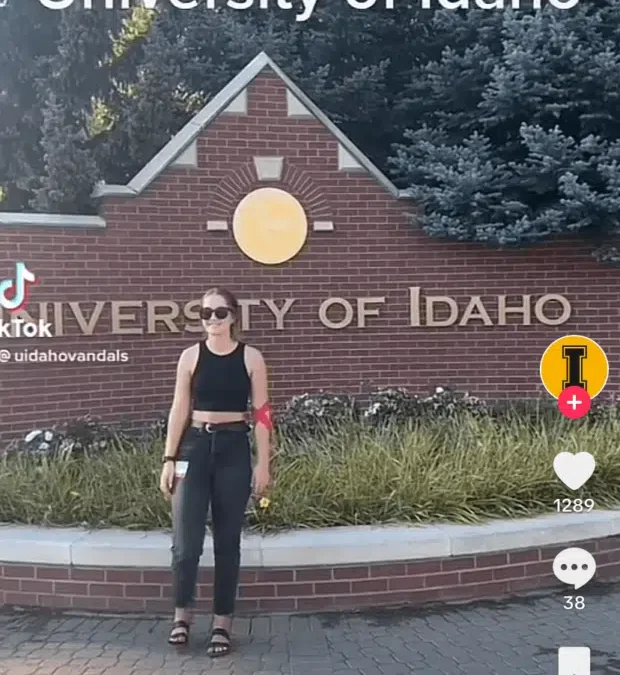
The integration of digital communication networks into modern academic institutions has transformed from a casual experiment into a sophisticated institutional strategy. Platforms such as YouTube, Instagram, TikTok, LinkedIn, Facebook, and X (formerly Twitter) now serve dual purposes across the educational landscape. They function both as dynamic instructional tools within the physical and virtual classroom and as vital institutional channels for student recruitment, emergency communication, and alumni relations. With research from the Pew Research Center indicating that approximately nine in ten teenagers in the United States actively utilize YouTube—accompanied by substantial majorities on platforms like TikTok and Instagram—schools and universities increasingly recognize that meeting students within their daily digital environments is essential for effective communication.

The evolution of digital media in academia traces back to the early 2000s, when educators first began experimenting with asynchronous discussion boards and basic blogging tools to supplement face-to-face instruction. As web-based applications matured into visually driven, algorithm-heavy social ecosystems over the subsequent two decades, educational administrators faced a paradigm shift. Institutions transitioned from viewing consumer platforms as mere distractions to recognizing them as powerful vectors for community building and global collaboration. By the mid-2020s, higher education marketing teams and K-12 school districts alike had integrated structured social media management systems into their daily operations, reflecting a broader cultural shift toward digitized learning ecosystems.
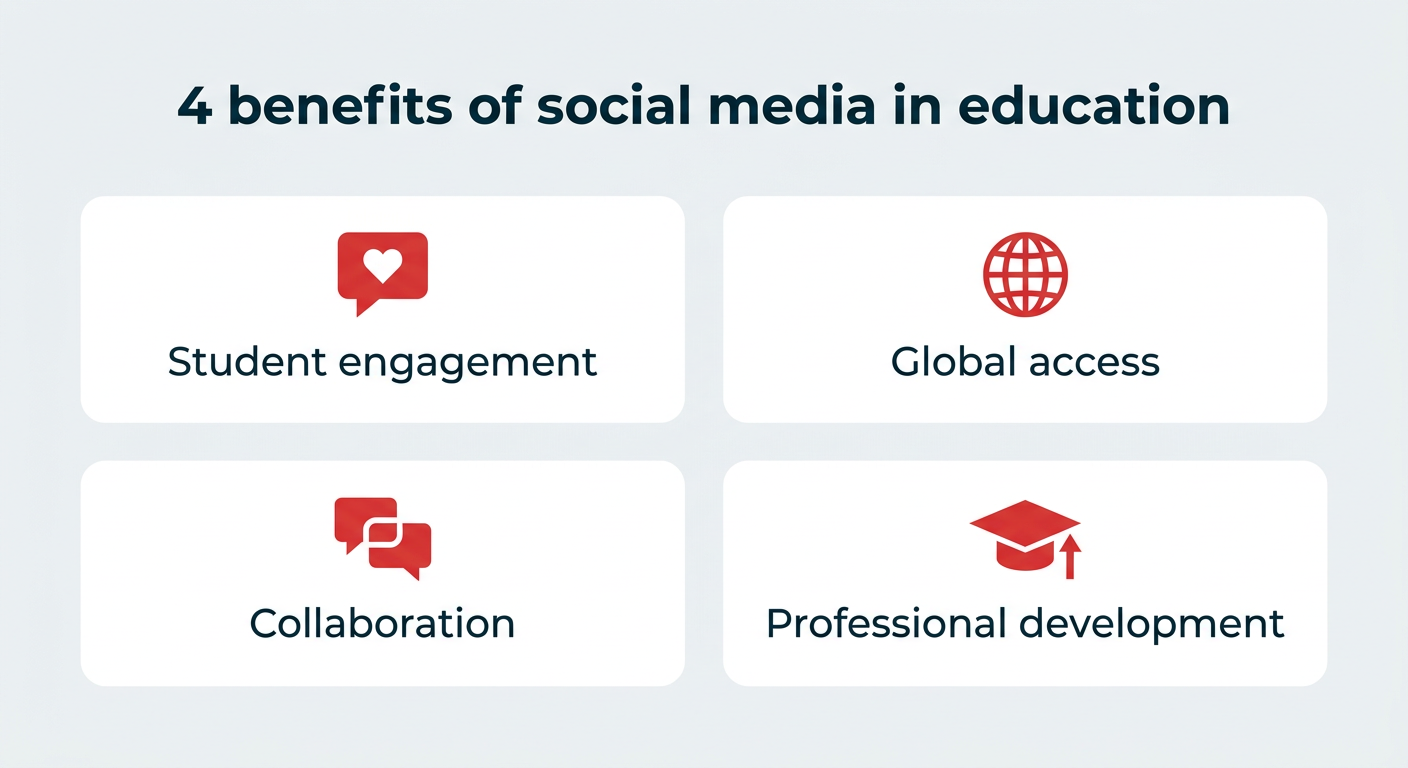
Classroom integration typically centers on interactive assignments, livestreamed lectures, and peer-to-peer collaboration, while institutional communications focus on public relations, enrollment marketing, and crisis management. This dual approach addresses the reality of contemporary youth media consumption. Industry data shows that U.S. teens spend well over an hour per day on TikTok alone, making these platforms high-impact spaces for delivering educational content and institutional updates. Proponents argue that utilizing these mediums bridges the gap between formal schooling and the digital realities of the modern student body, fostering deeper levels of participation and curiosity.
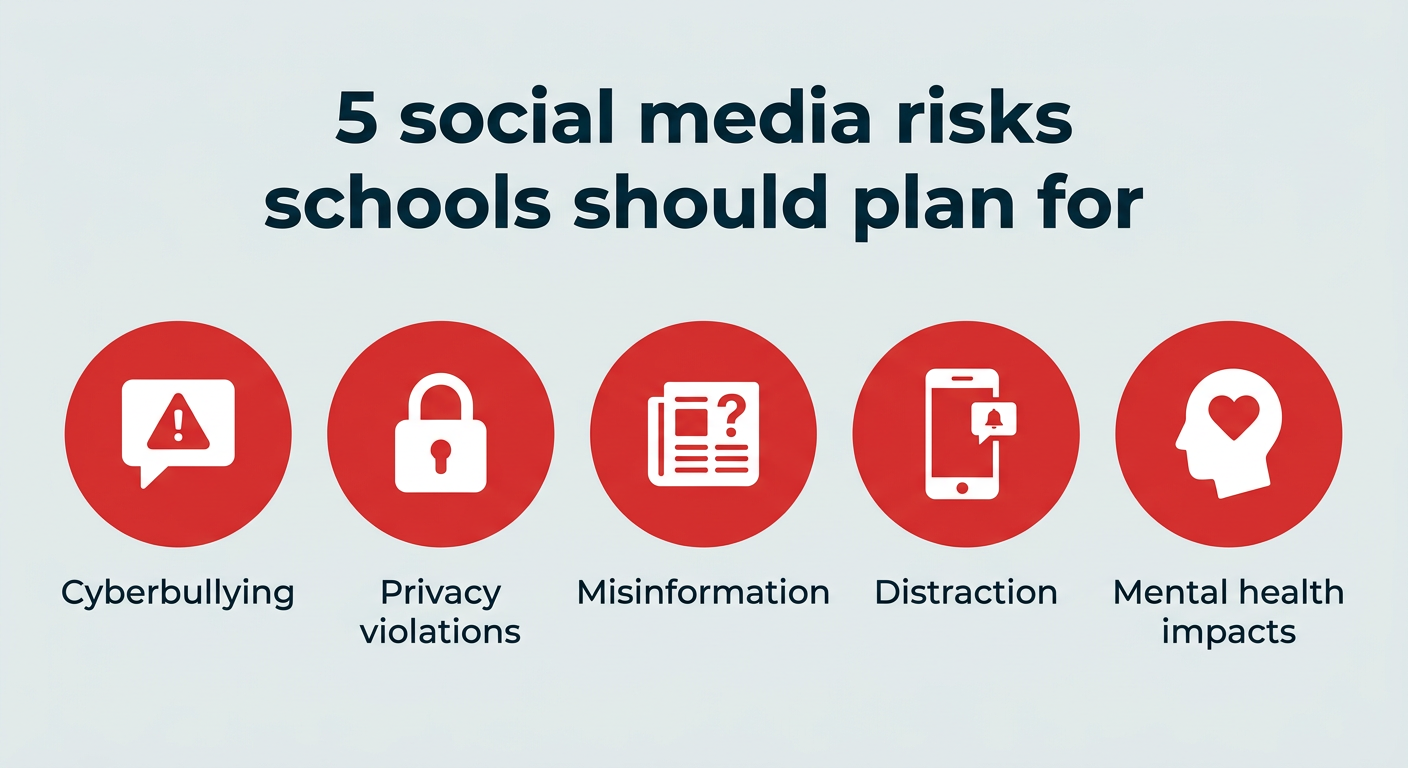
Despite these advantages, the deployment of social media in academic settings introduces notable challenges, ranging from pedagogical hurdles to complex legal compliance issues. Mental health considerations remain at the forefront of administrative discussions. Advisory reports issued by the U.S. Surgeon General and the American Psychological Association have highlighted the complex relationship between heavy digital consumption and adolescent well-being. While these advisory bodies note that digital platforms are not inherently detrimental, they emphasize that outcomes depend heavily on the nature of the content, user vulnerabilities, and time management. Consequently, modern educational strategies emphasize digital literacy and intentional usage rather than outright prohibitions.
Privacy, misinformation, and cyberbullying represent additional operational risks. Legal frameworks impose strict boundaries on how institutions handle student data. In the United States, three foundational federal regulations dictate compliance requirements for educational entities. The Family Educational Rights and Privacy Act (FERPA) mandates that schools receiving funding from the U.S. Department of Education must obtain written consent before disclosing personally identifiable information from education records, including images or details published on social media. Meanwhile, the Children’s Online Privacy Protection Act (COPPA) governs the collection of personal data from children under the age of 13, requiring verifiable parental consent for online platforms directed at younger demographics. Additionally, the Children’s Internet Protection Act (CIPA) obligates schools and libraries receiving specific federal discounts to maintain rigorous internet safety policies, including content filtering mechanisms and digital citizenship education. Institutions operating outside the United States must similarly navigate regional equivalents, such as the General Data Protection Regulation (GDPR) in the European Union and the United Kingdom, or the Personal Information Protection and Electronic Documents Act (PIPEDA) in Canada.

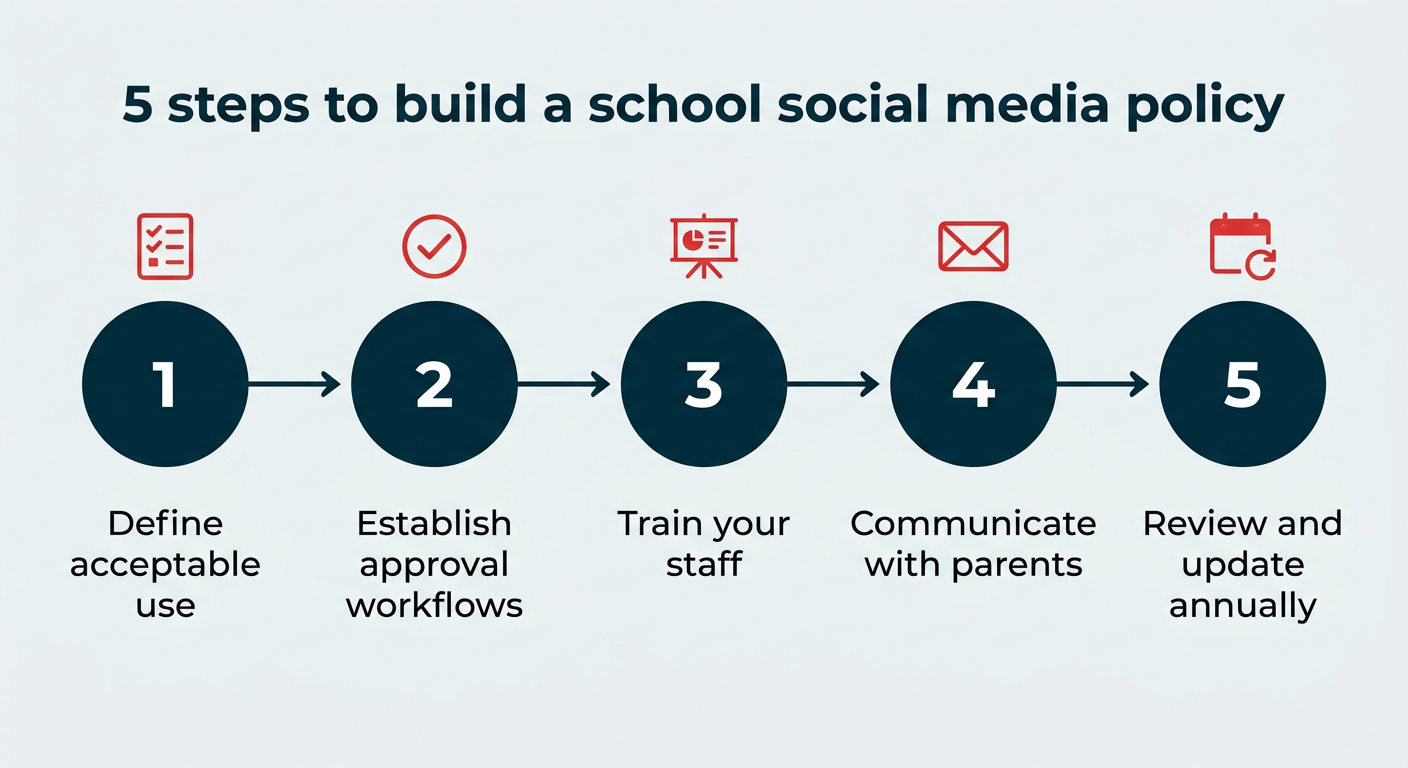
To mitigate legal exposure and operational friction, educational institutions are increasingly adopting comprehensive internal policies. Establishing a robust social media framework involves a systematic, five-step process: defining clear objectives for both academic and administrative accounts, designating authorized personnel responsible for publishing content, instituting a multi-tier review workflow for pre-approval, establishing protocol guidelines for crisis communications and community moderation, and scheduling regular compliance audits. These written guidelines ensure that faculty members and communication teams can harness digital tools safely while protecting student privacy rights.

Practical applications within the classroom and campus administration have expanded to encompass ten primary operational areas. First, enrollment management teams leverage targeted social media campaigns—such as short-form video previews on Instagram Reels and TikTok—to attract prospective students and showcase campus culture. Second, virtual communities created through private Facebook groups or specialized Slack channels help incoming freshmen and remote learners establish peer connections before stepping onto campus. Third, communications departments utilize real-time feeds on platforms like X to broadcast urgent alerts and operational updates, bypassing clunky internal portals that often suffer from slow load times.

Fourth, institutions deploy livestreaming technologies on YouTube and Facebook to broadcast lectures and virtual open houses. This approach enhances accessibility for students managing scheduling conflicts, illnesses, or geographical barriers, while also allowing introverted learners to ask questions via moderated chat functions. Fifth, educators prioritize digital literacy programs to equip students with the critical thinking skills necessary to evaluate unverified claims, combat misinformation, and understand the permanent nature of digital footprints. Sixth, institutions encourage user-generated content by inviting students to share class-related projects under designated hashtags, frequently reposting exceptional work to foster institutional pride and peer recognition.

Seventh, instructors blend active and passive learning strategies, tasking students with producing photo or video essays on platforms like Instagram and YouTube to demonstrate comprehension. Eighth, career services and academic departments utilize professional networks like LinkedIn to teach networking and thought leadership skills, encouraging students to connect with industry experts and participate in professional development workshops. Ninth, educators leverage concise formats to stimulate critical thinking and debate through structured weekly prompts, requiring students to defend arguments within strict character limits while evaluating competing news sources. Finally, universities and schools celebrate alumni achievements and post-graduate milestones through targeted spotlights, reinforcing institutional reputation and maintaining lifelong engagement with former graduates.

Industry benchmarks compiled by digital management platforms provide context for evaluating the performance of institutional social media accounts. Data from educational sector analyses indicate that schools tend to post most frequently on X, averaging approximately ten updates per week, whereas engagement rates vary across networks based on content type and audience demographics. Follower growth rates frequently peak on short-form video applications like TikTok, where educational entities often experience higher weekly follower gains compared to legacy text-based networks. Marketing and communications teams utilize these performance metrics to refine posting schedules, optimize content formats, and measure return on investment through web referral traffic and enrollment inquiries.
To manage the administrative complexity of multi-channel publishing, modern educational institutions frequently adopt centralized management software. Enterprise platforms allow communications teams to schedule content in advance, monitor real-time conversations through integrated social listening tools, and analyze audience sentiment to prevent potential public relations issues before they escalate. Furthermore, specialized higher education programs offer academic institutions free access to certified courseware and digital training modules, ensuring that both faculty members and students remain well-versed in industry standards.

As the intersection of technology and pedagogy continues to mature, the deliberate and regulated use of digital platforms remains a defining characteristic of forward-thinking educational institutions. By balancing innovative instructional strategies with rigorous compliance protocols, privacy safeguards, and comprehensive digital literacy training, schools can successfully harness the reach of social media to enrich the student experience and foster connected academic communities.