After an extensive data-driven audit of over 4.8 million posts processed through the Buffer platform, researchers have identified a significant shift in professional social media consumption patterns. While previous years were defined by engagement metrics heavily concentrated within traditional nine-to-five office hours, the 2026 landscape reveals that the most effective windows for LinkedIn interaction have migrated into the late afternoon and evening. This study, led by data scientist Julian Winternheimer, indicates that the optimal time to reach a professional audience on LinkedIn is now between 3 p.m. and 8 p.m. on weekdays, with Wednesday at 4 p.m. standing out as the single most effective slot for driving engagement.
The Evolution of Professional Social Media Consumption
The behavioral shift documented in 2026 marks a departure from the 2025 data, which saw engagement levels drop off precipitously after 5 p.m. In the current digital ecosystem, the professional audience appears to be utilizing LinkedIn as a post-work resource. This change mirrors trends observed on consumer-focused platforms like Instagram and TikTok, where high-engagement periods have historically been skewed toward leisure hours.
Analysts suggest that this transition represents a change in how professionals interact with thought leadership and industry networking. Rather than passive scrolling during a brief work break, users are increasingly engaging with content after closing their laptops for the day. This "after-hours" behavior suggests a more intentional approach to professional development, as users dedicate time in the evening to research, networking, and industry analysis.
Chronology and Data Breakdown
The data analysis, spanning a two-year observation period, reveals that the "Golden Hour" of the morning—once considered the prime time for catching professionals before their first meetings—has lost its dominance.
Weekly Engagement Trends:
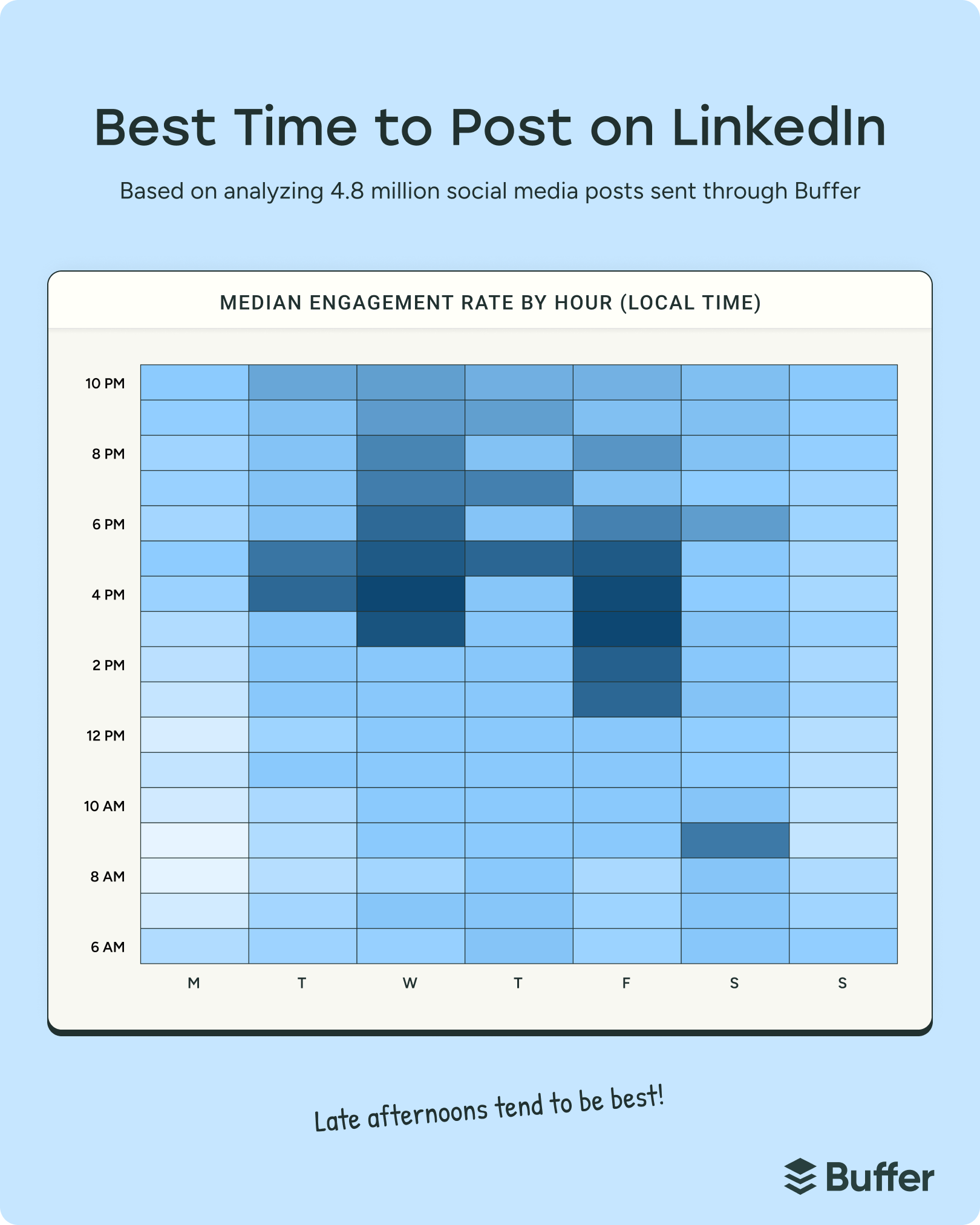
- Monday: Engagement remains modest as users navigate the transition back into the work week. The most effective posting window is 10 p.m., suggesting that users often catch up on industry news late in the evening.
- Tuesday: Performance begins to climb, with 4 p.m. emerging as a key window for engagement.
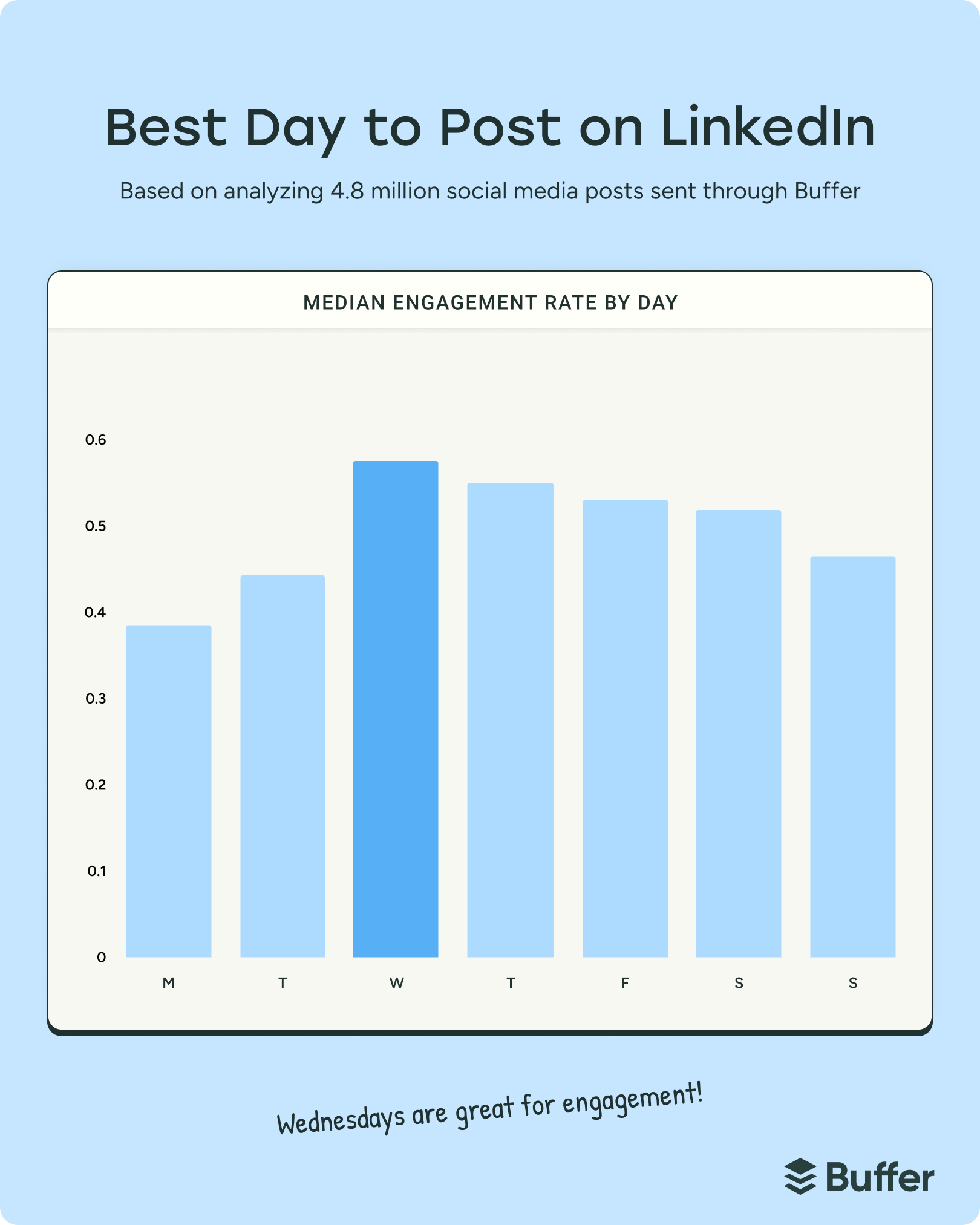
- Wednesday: Recognized as the peak day for interaction, Wednesday at 4 p.m. serves as the benchmark for optimal visibility.
- Thursday: The late-afternoon momentum continues, with 5 p.m. identified as the most effective time.
- Friday: Despite the start of the weekend, 3 p.m. remains a high-engagement period as professionals prepare for the close of the business week.
- Weekends: While total platform activity is lower, Saturday at 9 a.m. and Sunday at 10 p.m. represent the only viable windows for those who must maintain a weekend presence.
The researchers emphasize that these times are normalized to local time zones. This eliminates the need for complex conversions, as the data reflects the local behavior of the user base in the region being targeted.
Implications for Content Strategy
The shift toward evening engagement poses a strategic challenge for social media managers who have historically relied on morning scheduling. Organizations that maintain a rigid "morning-only" posting cadence may be missing out on substantial reach. The data suggests that high-quality, long-form, or complex professional content may perform better when published in these late-day windows, as the audience is no longer distracted by immediate urgent tasks.
Furthermore, the data highlights that timing is not an isolated variable. While posting at 4 p.m. on a Wednesday provides a structural advantage, the underlying quality of the content remains the primary driver of engagement. The LinkedIn algorithm, which prioritizes reactions, comments, and meaningful discussions, is designed to elevate content that sparks genuine interaction. Consequently, the optimal posting time should be viewed as a multiplier for a robust content strategy rather than a substitute for it.
Expert Perspectives on Platform Dynamics
While some historical research has positioned Tuesday as the most active day for LinkedIn, the 2026 data indicates a mid-to-late-week surge. This discrepancy highlights the necessity for brands to conduct their own internal audits. Because every industry has unique audience personas—ranging from shift-working healthcare professionals to nine-to-five corporate executives—the "best" time is ultimately relative to the specific audience segment.
Industry experts note that the "Golden Hour" of a post—the initial window after publication—is critical. Engaging with the first wave of comments can trigger the algorithm to favor the post, extending its reach significantly. By aligning publication with the peak activity hours of 3 p.m. to 8 p.m., creators can ensure that their most important content is live when their audience is most likely to be present and available to interact.
Practical Application for Social Media Managers
To leverage these findings, content managers are encouraged to move away from ad-hoc posting and toward data-backed scheduling. Modern tools now allow for the automation of posting schedules that align with these high-engagement windows.
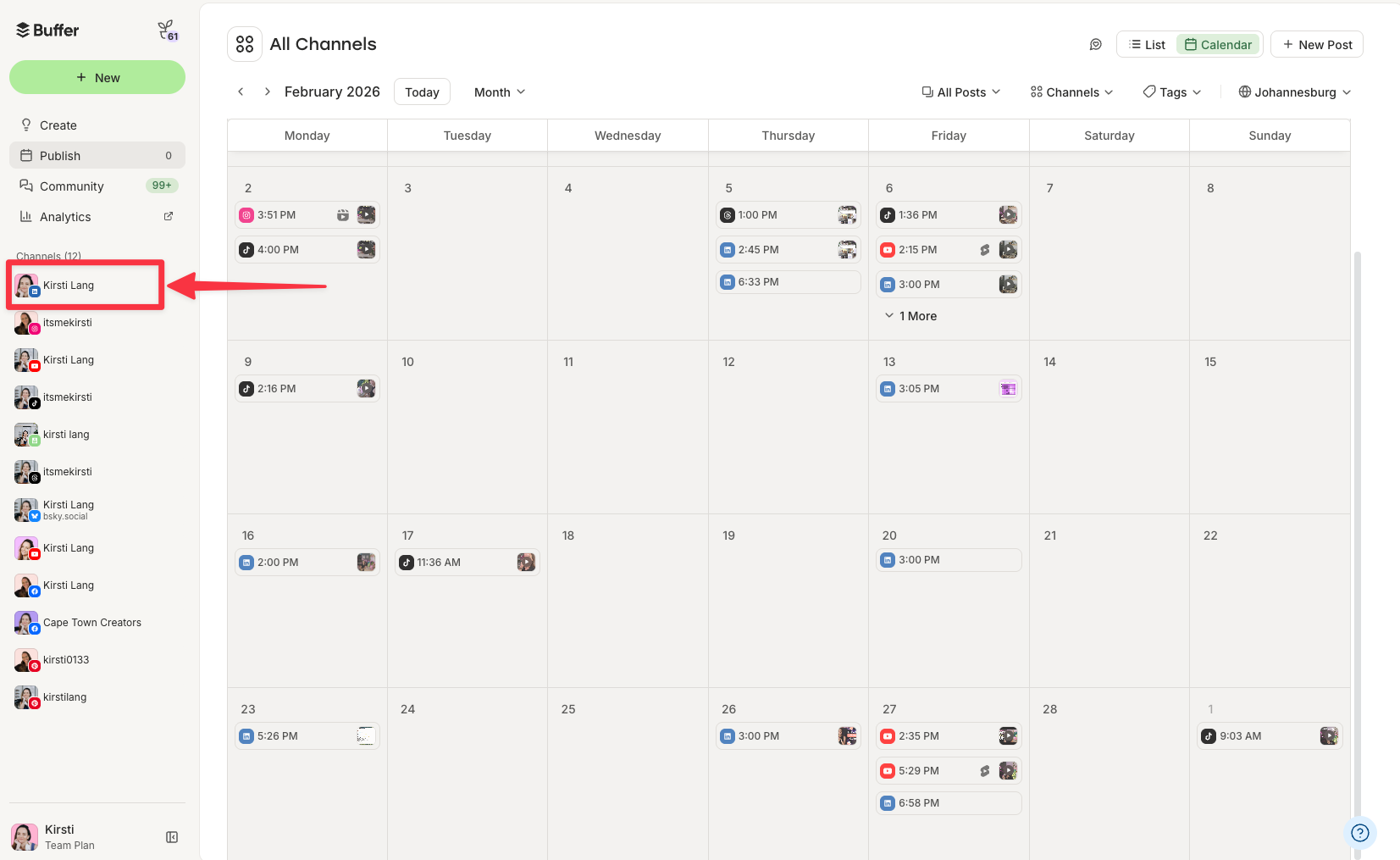
For teams aiming to optimize their LinkedIn presence, the following protocol is recommended:
- Baseline Testing: Use the 3 p.m. to 8 p.m. window for the next four weeks to establish a baseline for your specific brand or personal profile.
- Platform Analytics: While LinkedIn’s native analytics are limited regarding specific timestamps, third-party management tools can provide granular data on which specific hours yield the highest interaction rates.
- Content Format Diversification: The data suggests that carousel posts—often referred to as "document" posts—are currently outperforming text-only updates by a significant margin. Combining this high-performing format with the identified peak time slots is likely to yield the highest ROI.
The Role of Consistency
One of the most critical takeaways from the 2026 research is that frequency and consistency remain the bedrock of success. While targeting the 4 p.m. Wednesday slot is an excellent strategy for high-value announcements, a sporadic posting schedule will not achieve the same results as a consistent, sustainable cadence of two to five posts per week.
As the digital landscape evolves, the definition of a "professional" audience is clearly broadening to include those who seek growth and information well beyond the traditional business day. The 2026 data serves as a reminder that as user behavior shifts, communication strategies must remain agile. By observing the late-afternoon surge, organizations can better position themselves to meet their audience where they are—whether that is in the office or winding down for the evening.
Ultimately, the data suggests that while the "where" and "what" of LinkedIn remain important, the "when" has undergone a fundamental transformation that rewards those who are willing to adapt their schedules to match the real-time habits of the modern professional.