Managing a modern digital presence across multiple social media platforms has evolved from a simple task into a complex logistical operation. As of 2026, content creators, small business owners, and large-scale enterprises are tasked with juggling multi-channel content calendars, real-time community engagement, granular performance analytics, and the ever-changing algorithms of platforms like Instagram, TikTok, LinkedIn, and X. For many, the manual process of logging into separate accounts to publish and monitor content has become an unsustainable drain on productivity. Consequently, the adoption of professional-grade social media management (SMM) software has shifted from a luxury to a fundamental requirement for maintaining a competitive digital footprint.

The industry landscape is currently defined by a bifurcation between lightweight, user-friendly tools designed for individual creators and robust, enterprise-level suites that incorporate artificial intelligence, deep social listening, and customer relationship management (CRM) integrations. This report evaluates the current SMM market, identifying 11 leading platforms and providing a framework for selection based on organizational needs, budgetary constraints, and technical requirements.

The Evolution of Social Media Management Technology
The transition toward centralized management dashboards began in the early 2010s, but the technological capabilities of these platforms have accelerated significantly since 2023. Modern SMM tools now function as the "operating system" for a brand’s online identity. They are no longer limited to basic post scheduling; current iterations include AI-driven content generation, cross-platform unified inboxes for direct messages and comments, and advanced data visualization that translates engagement into measurable business ROI.

For a creator, the primary goal is often time management—automating the repetitive aspects of content distribution to focus on creative output. For an enterprise, the focus is on brand governance, risk mitigation through approval workflows, and data-driven insights that inform global marketing strategies.

Comparative Analysis of Leading Management Tools
To assist organizations in navigating this saturated market, the following table summarizes the 11 most prominent solutions currently available, categorized by their primary use cases and pricing structures as of August 2026.

| Tool | Best For | Standout Feature | Free Plan | Starting Price |
|---|---|---|---|---|
| Buffer | Creators/Small Business | Per-channel pricing | Yes | $6/mo per channel |
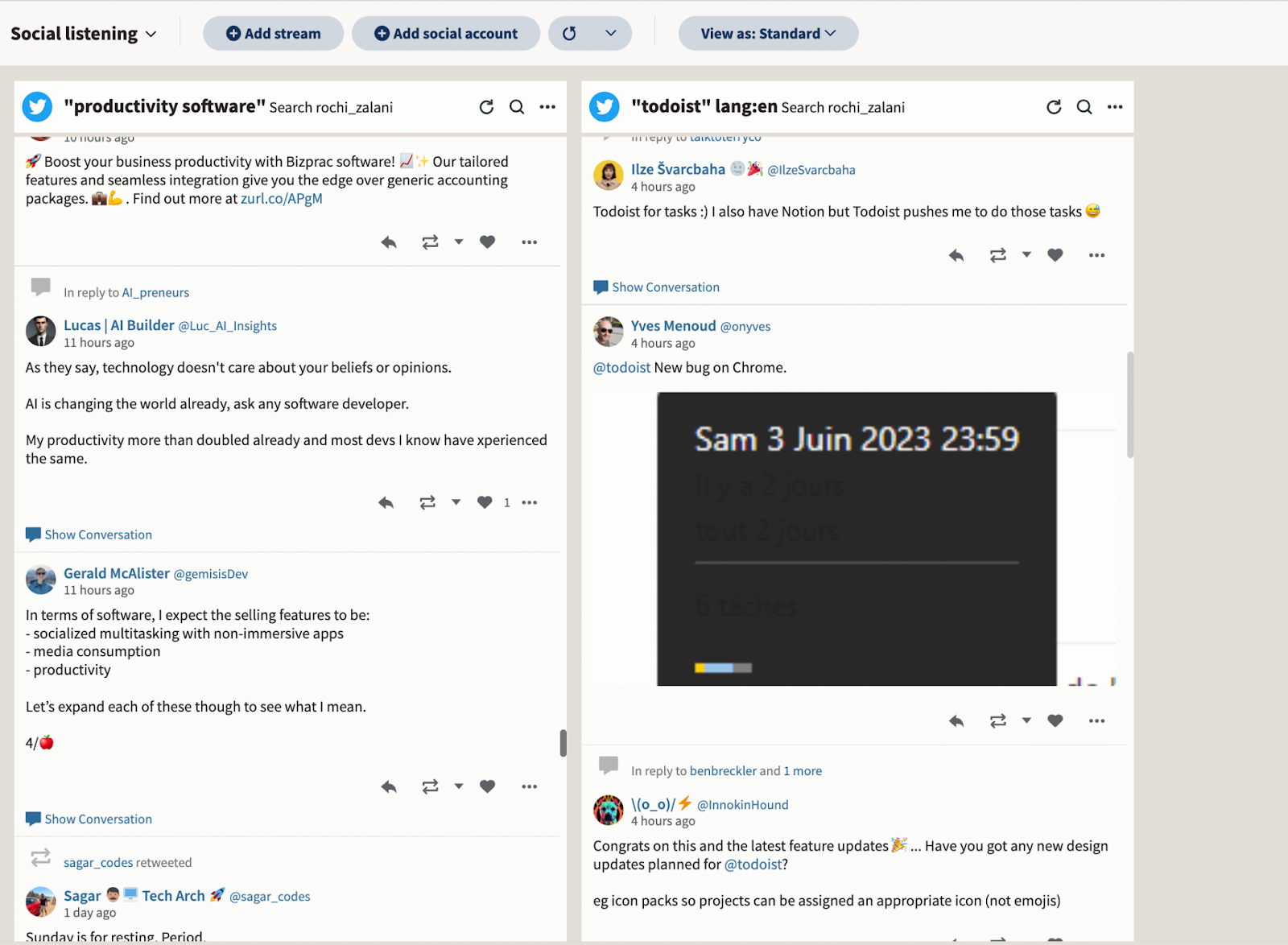
| Hootsuite | Large Teams | Talkwalker-powered listening | No | $199/mo |
| Tailwind | Pinterest Strategies | One-click pin design | Yes | $29.99/mo |
| SocialPilot | Agencies | White-label dashboards | No | $30/mo |
| Zoho Social | Existing Zoho Users | CRM/Desk integration | Yes | $15/mo |
| Sprout Social | Influencer Marketing | Employee advocacy | No | $199/mo |
| Oktopost | B2B Buyer Tracking | Revenue attribution | No | Contact sales |
| Later | Influencer Campaigns | Creator discovery | No | $25/mo |
| Socialinsider | Analytics/Benchmarking | Competitor KPI comparison | No | $99/mo |
| Manychat | DM Automation | 24/7 chat workflows | Yes | $15/mo |
| Sprinklr | Global Enterprises | Persona-based AI | No | Contact sales |
Deep Dive: Categorical Requirements for Modern Brands
The Rise of AI-Integrated Workflows
A significant trend observed in 2026 is the integration of AI agents within management dashboards. These tools do more than suggest captions; they now provide sentiment analysis on incoming comments and can suggest content pivots based on historical engagement data. Platforms like Buffer and Sprout Social have aggressively integrated these features to reduce the "blank page" syndrome that often stalls content production.
B2B Revenue Attribution
For B2B organizations, the demand for "social ROI" has reached an all-time high. Oktopost has distinguished itself by focusing on the buyer journey rather than vanity metrics. By tagging every social post to a specific marketing campaign and appending UTM parameters automatically, the platform allows marketers to trace a lead directly from a LinkedIn post to a closed deal in their CRM. This level of granularity is increasingly standard for companies with long sales cycles.

Agency-Client Transparency
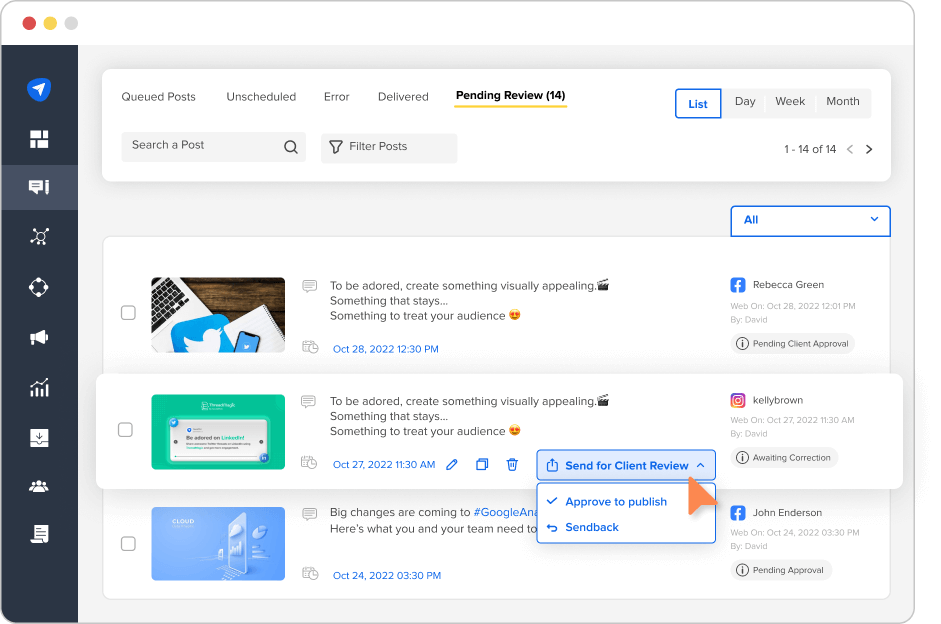
Agencies operating in 2026 face higher client demands for transparency. SocialPilot addresses this by offering white-label dashboards. This allows agencies to provide their clients with a professional, branded interface where they can approve content without needing to sign up for a third-party service. This reduction in friction is vital for scaling agency operations.
Strategic Selection Framework: Five Key Considerations
Choosing an SMM tool requires a rigorous audit of current and future operational needs. Based on market analysis, the following five criteria should guide the decision-making process:
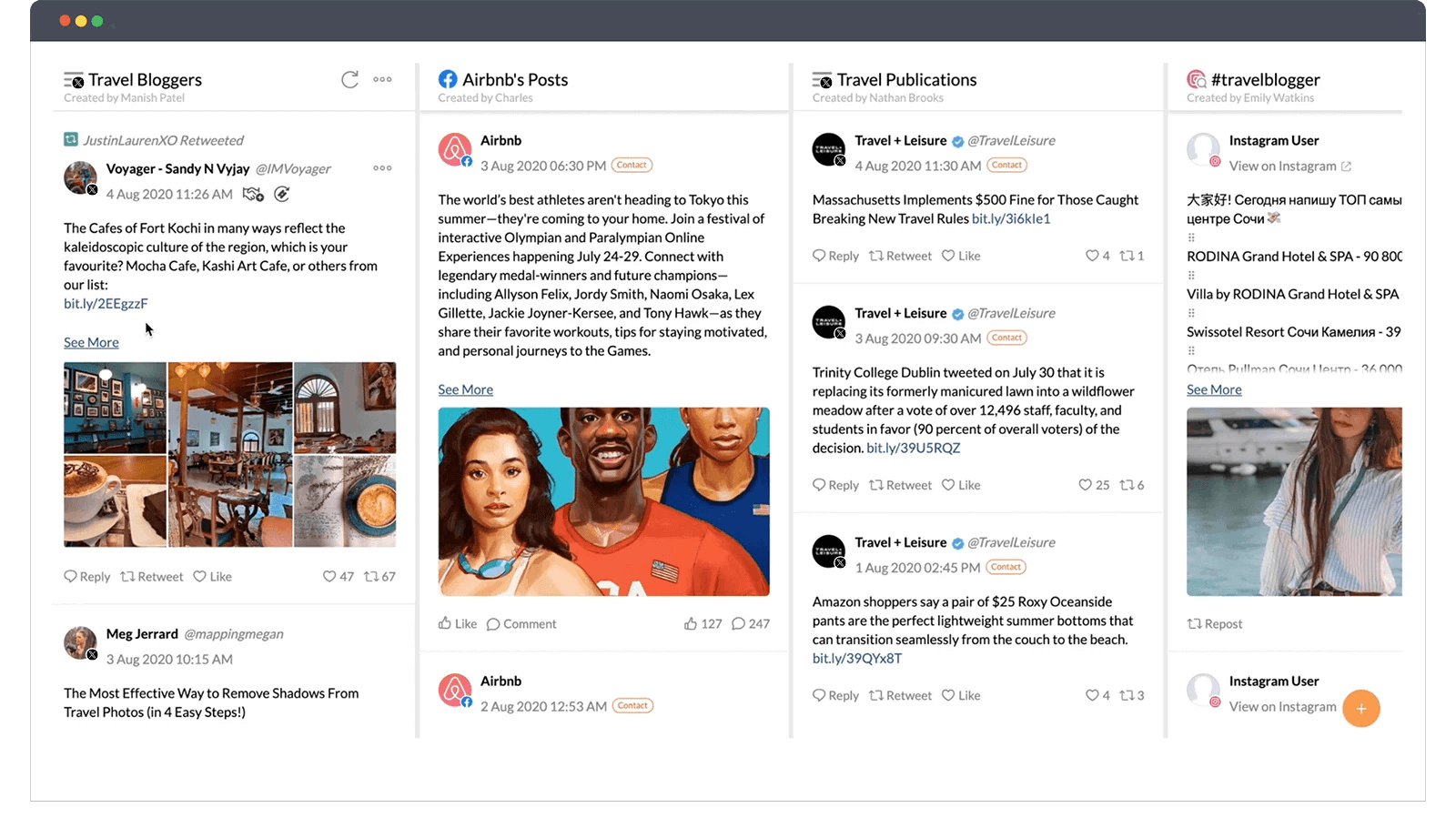
- Network Compatibility: It is not enough to support the "Big Four." A forward-thinking tool must integrate with emerging or niche platforms such as Bluesky, Substack Notes, or specialized messaging apps. Future-proofing your strategy involves ensuring that your management dashboard can adapt as quickly as your audience shifts their attention.
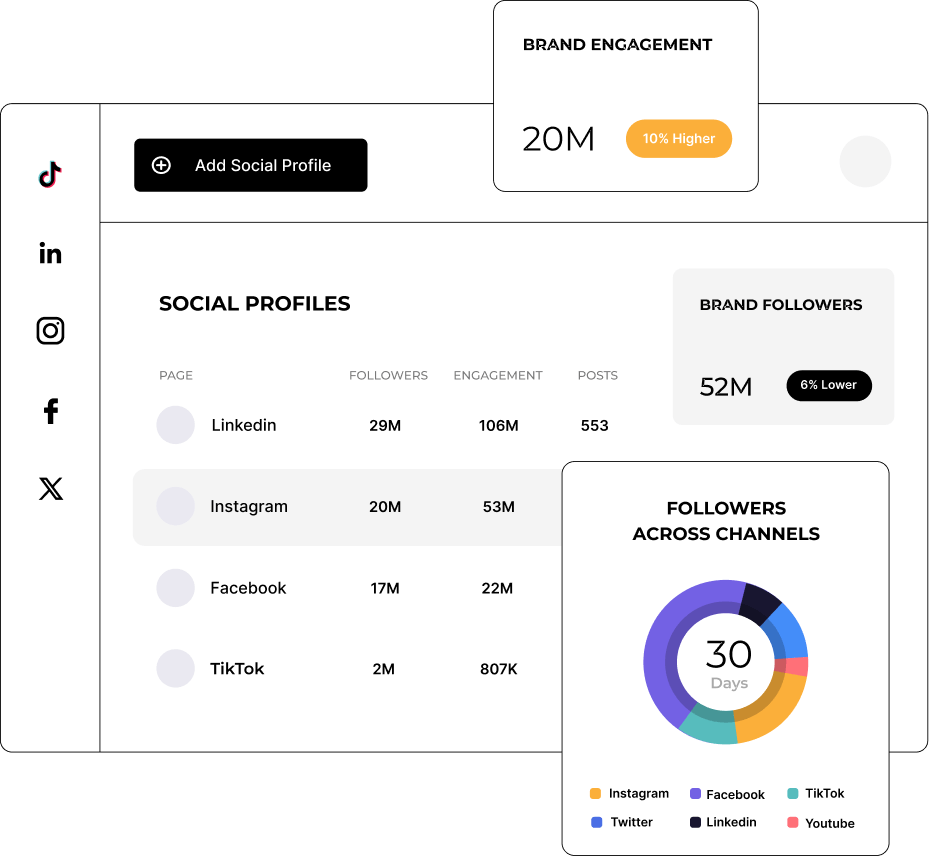
- Reporting Depth vs. Vanity Metrics: Organizations must distinguish between engagement and impact. High-tier tools offer deep analytics, such as audience growth trends, peak activity times, and sentiment analysis. If a tool only reports on "likes" and "shares," it may be insufficient for a business needing to prove financial value to stakeholders.
- Collaboration and Governance: For teams larger than two people, granular permission settings are essential. The ability to restrict access, enforce multi-layer approval workflows, and maintain a shared media library ensures that brand voice remains consistent and that legal risks (such as unauthorized or erroneous posts) are mitigated.
- Scalable Pricing Models: Many organizations fall into the trap of choosing a tool based on current pricing, only to find that scaling their account count or adding team members makes the tool cost-prohibitive within 18 months. It is critical to calculate the "total cost of ownership" at scale.
- Specialized Ecosystems: If a business is already deeply embedded in a specific ecosystem (e.g., Zoho or Salesforce), utilizing an SMM tool that offers native integration with that ecosystem can save hundreds of hours in manual data entry and lead management.
The Impact of Automation on Social Consistency
Perhaps the most significant benefit of these tools is their contribution to content consistency. Data consistently shows that algorithms favor accounts that post regularly and engage with their audience promptly. By automating the scheduling process, brands can ensure a steady cadence of content even during off-hours.

Furthermore, the introduction of automated DM and comment workflows, such as those provided by Manychat, has transformed the social inbox. By deploying 24/7 automated responses to common queries, businesses can move leads through the sales funnel faster than would be possible through human interaction alone. However, experts warn that automation should never entirely replace human engagement. The most effective strategies use automation to handle routine tasks, allowing human teams to focus on building genuine, high-touch relationships with their most valuable followers.

Conclusion and Future Outlook
The social media management market is currently characterized by a surplus of options, which can be overwhelming for decision-makers. However, the core of the selection process remains the same: the best tool is the one that minimizes friction.

For the solo creator, this means a low-cost, intuitive interface like Buffer. For the enterprise, it means a robust, secure, and data-rich platform like Sprinklr. As we look toward the remainder of 2026 and into 2027, the industry is expected to lean further into "conversational commerce" and "social search" optimization. Brands that invest in the right management infrastructure today will be best positioned to capitalize on these shifts, turning their social media channels into powerful engines for growth, community, and revenue.
Before committing to any long-term contract, organizations should leverage the free trials typically offered by these providers. Testing a platform with your actual team, using your specific content workflows, remains the only definitive way to determine whether a tool is a true asset or an additional layer of administrative complexity. By prioritizing integration, scalability, and reporting depth, businesses can transform their social media presence from a daily struggle into a streamlined, high-performing strategic advantage.