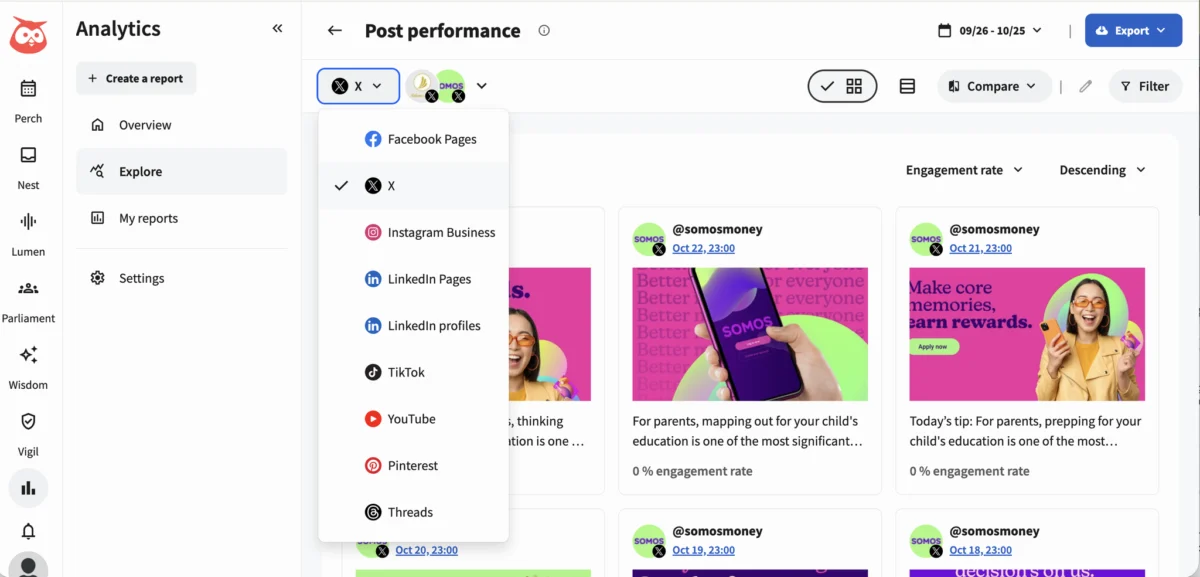
In the fast-paced ecosystem of modern digital marketing, keeping pace with multiple social media networks has evolved from a routine administrative task into a complex enterprise challenge. With United States social network ad spending projected to exceed $121 billion, organizations can no longer afford the inefficiencies of managing disparate campaigns through native platform interfaces. A social media dashboard has thus emerged as an indispensable operational hub, centralizing key performance indicators from networks like Instagram, LinkedIn, Facebook, TikTok, and X into a single, cohesive interface designed for streamlined tracking, analysis, and executive reporting.

The Evolution and Structural Utility of Unified Analytics
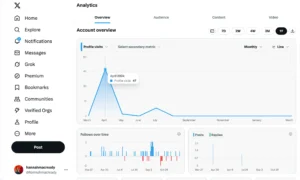
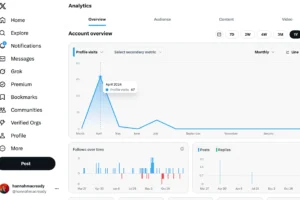
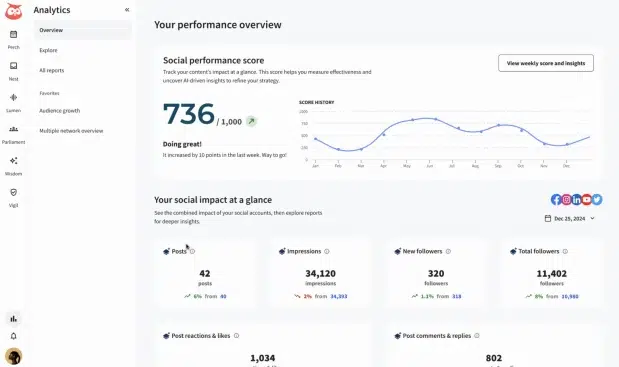
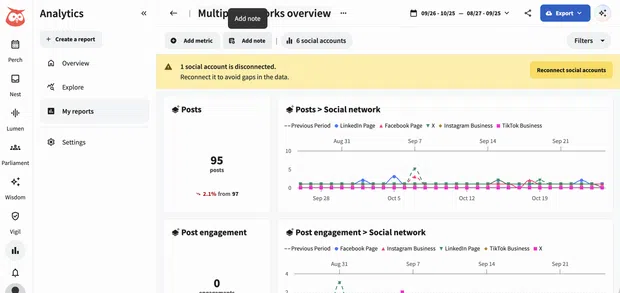
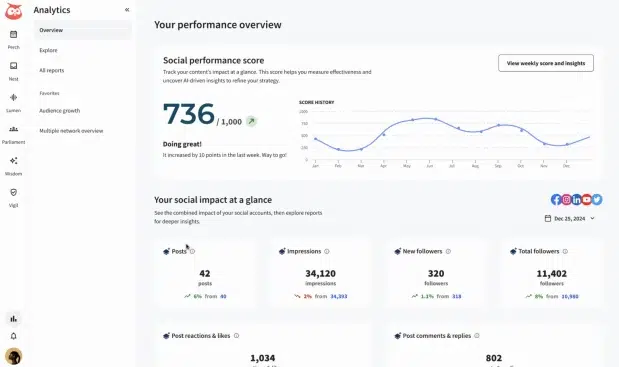
Historically, marketing teams spent hours manually compiling data from native platform analytics tools to construct monthly reports. This fragmented approach not only drained valuable human capital but frequently resulted in delayed strategic pivots. Modern social media dashboards resolve this operational friction by offering real-time or near-real-time data visualization through customizable charts, graphs, and structured tables.
Enterprise marketing departments, multi-client agencies, and scaling social media operations rely heavily on these integrated systems. Because the reporting burden scales exponentially with every new account, campaign, and geographic market, centralized dashboards provide a single source of truth. They allow teams to evaluate performance against historical data, contextualize results within broader business goals, and present clear metrics to leadership—particularly vital at a time when Chief Marketing Officers operate under tight budgetary constraints, with marketing budgets flatlining at roughly 7.8 percent of company revenue.

Categorizing Dashboards by Operational Intent
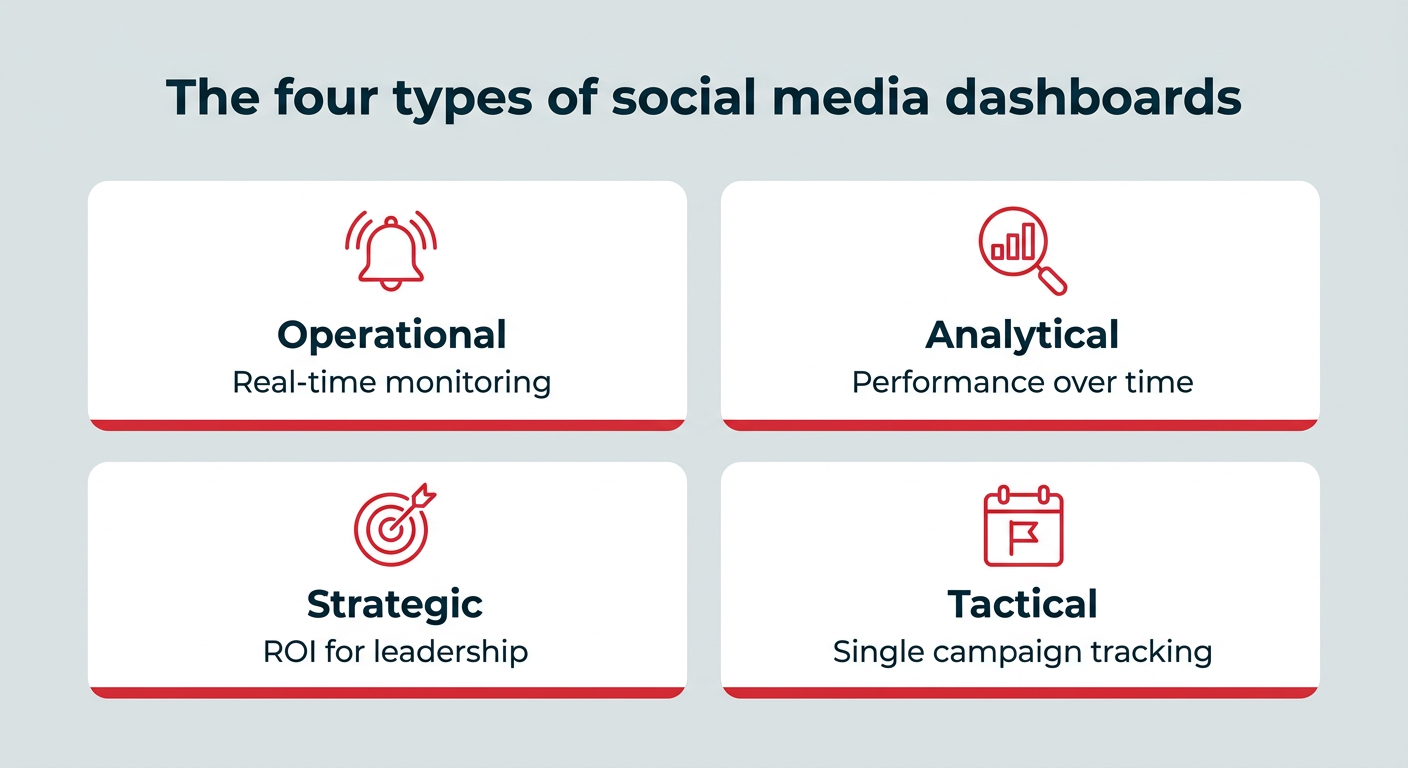
To prevent information overload and metric clutter, industry professionals classify social media dashboards into four distinct categories based on organizational utility: operational, analytical, strategic, and tactical.
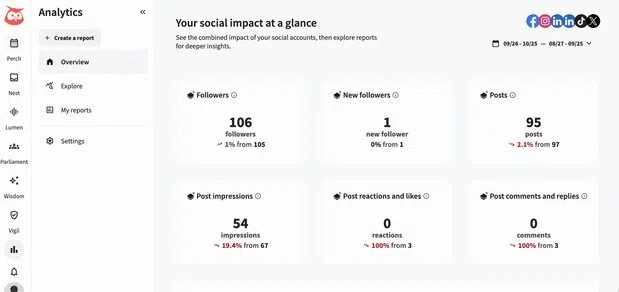
Operational dashboards are primarily utilized by social media coordinators and community care teams to monitor live activity, handle incoming customer inquiries, and gauge immediate response requirements. Analytical dashboards serve social media managers and data analysts by evaluating content performance and audience growth trends over extended periods. Strategic dashboards target executive leadership, including Chief Marketing Officers and Vice Presidents of Marketing, focusing heavily on return on investment and high-level progress toward corporate milestones. Finally, tactical dashboards provide campaign managers and paid social specialists with granular tools to track specific marketing initiatives from launch to conclusion.
Mapping Metrics to Strategic Goals
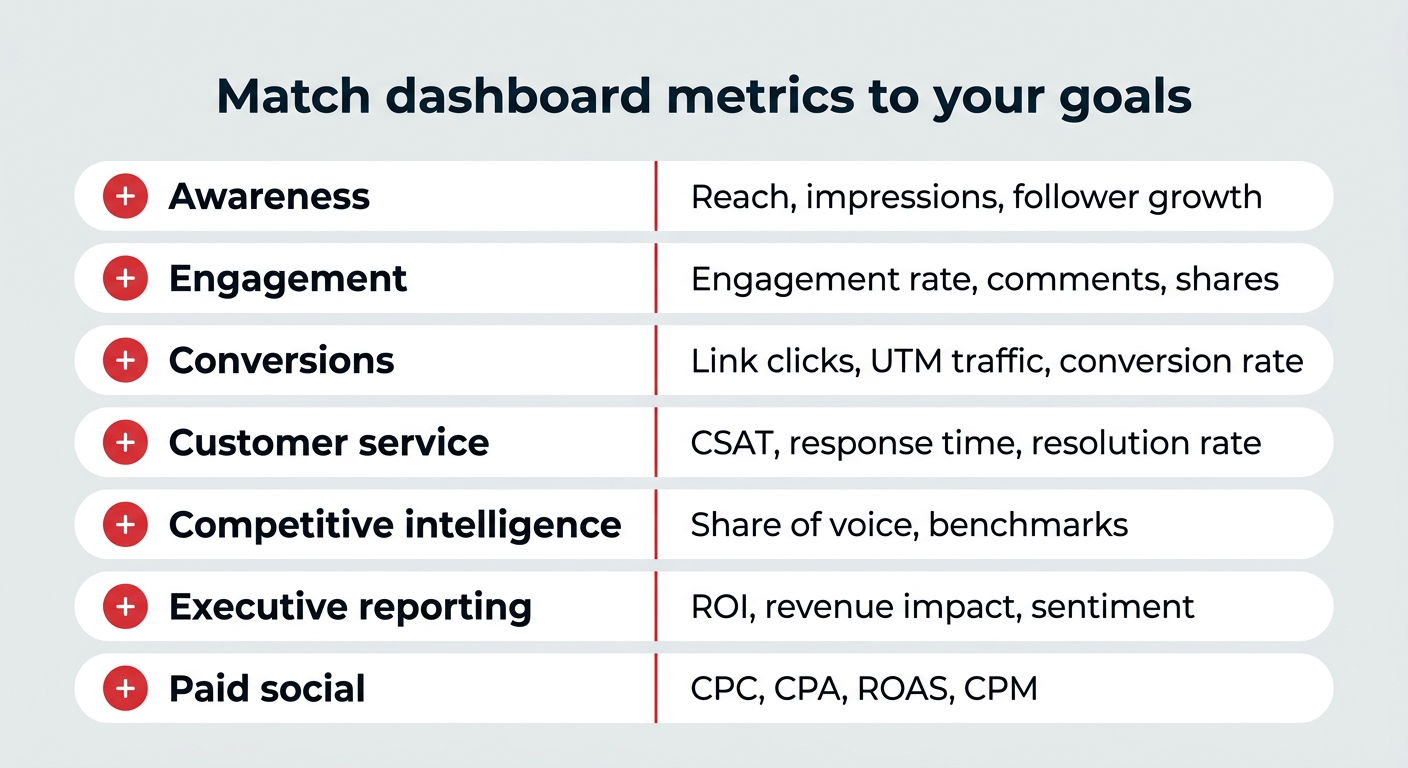
A dashboard is only as effective as the metrics it highlights. Marketing leaders emphasize that tracking every available data point often obscures meaningful insights. Consequently, successful measurement frameworks align specific metrics directly with defined organizational objectives.
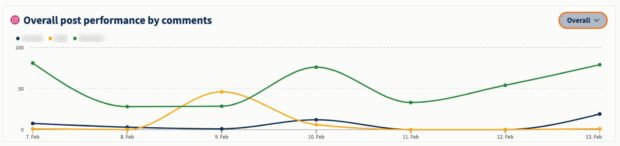
For brand awareness initiatives, teams typically track reach, total impressions, and follower growth trajectories. When the primary objective shifts to audience engagement, the focus moves to engagement rates, likes, comments, shares, and saves. Conversion-focused campaigns rely on link clicks, UTM-tracked web traffic, and overall conversion rates. Meanwhile, social customer service frameworks prioritize Customer Satisfaction scores, average response times, and resolution rates.

Furthermore, competitive intelligence dashboards evaluate share of voice, competitor engagement, and industry benchmarks, while paid social dashboards analyze cost-per-click, cost-per-acquisition, return on ad spend, and cost-per-mille. Integrating these metrics into a centralized reporting framework ensures that leadership receives a holistic view of how social media efforts directly impact revenue, lead generation, and brand equity.
Comparative Analysis of Dashboard Tools
Selecting the appropriate dashboard tool depends heavily on organizational scale, platform volume, and whether a team requires publishing and community management capabilities integrated alongside analytics.
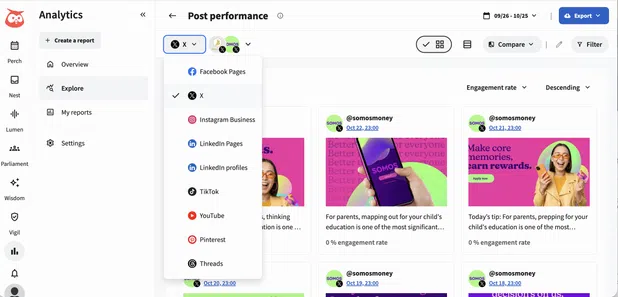
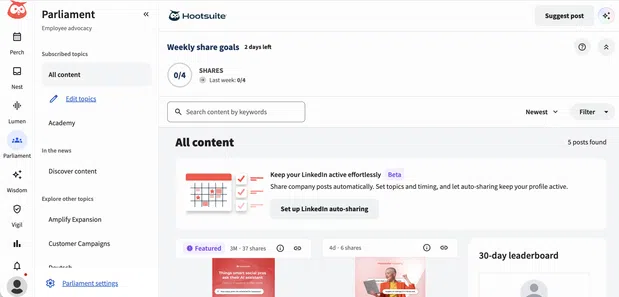
Enterprise-grade solutions such as Hootsuite Social OS combine cross-platform publishing, real-time social listening, customer care workflows, and advanced analytics into a unified environment. These platforms utilize artificial intelligence to surface hidden consumer trends, automate sentiment analysis, and simplify executive reporting.
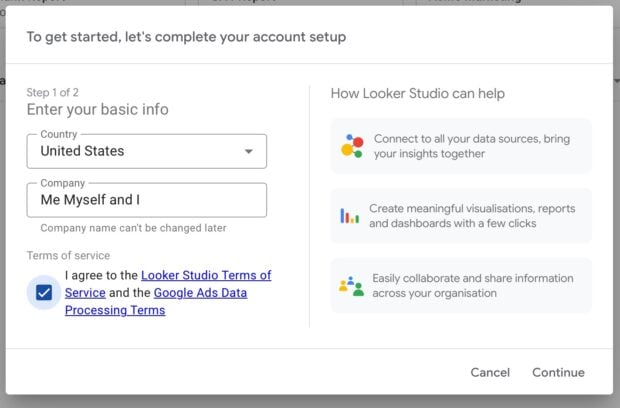
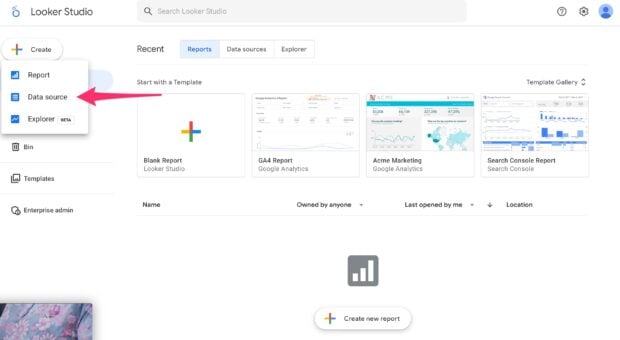
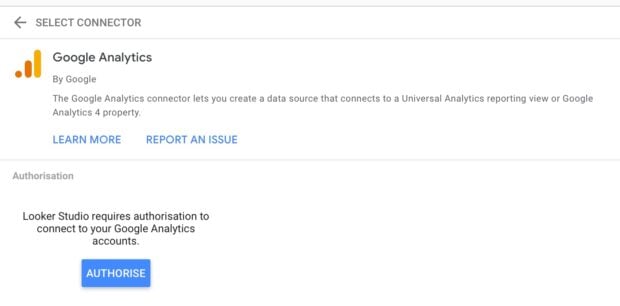
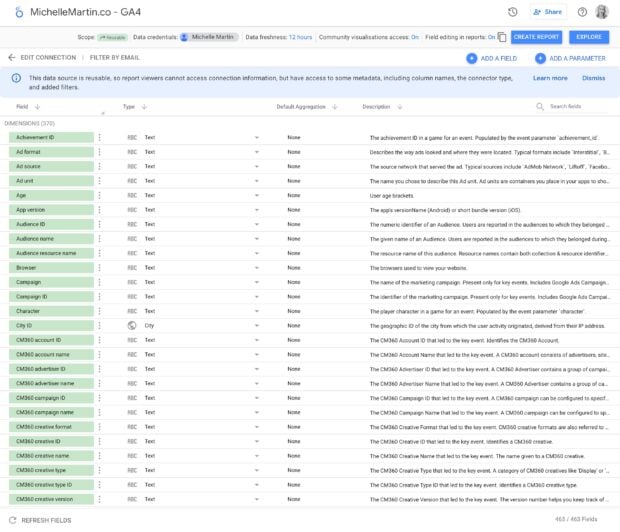
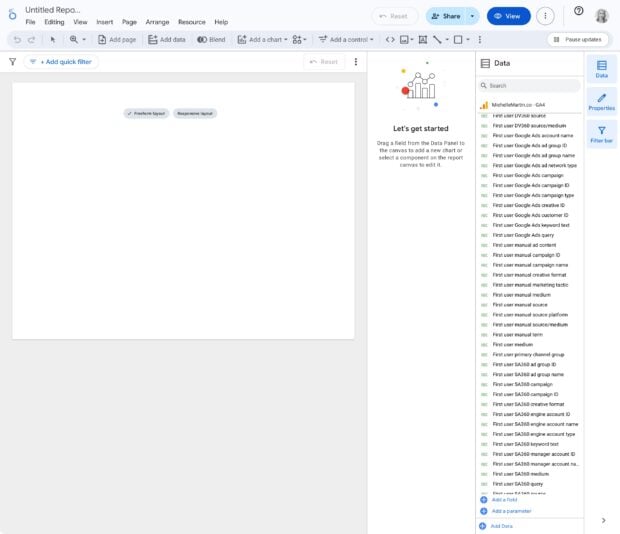
Conversely, budget-conscious organizations or technical teams frequently turn to free, customizable options like Google Looker Studio. While Looker Studio permits the construction of tailored reports connected to Google Analytics and various data connectors, it demands significant manual setup, custom metric configuration, and ongoing maintenance to keep pace with changing platform application programming interfaces.
Other notable specialized reporting tools include Klipfolio, Databox, DashThis, and Whatagraph. These platforms cater primarily to marketing analysts and agencies seeking granular control over metric formulas, automated white-labeled client reporting, and multi-channel marketing visualization.
Broader Industry Implications and Future Outlook
As global social media advertising expenditure marches toward projected milestones approaching $530 billion by 2030, the demand for sophisticated attribution and measurement will only intensify. The integration of artificial intelligence and machine learning into analytics dashboards represents the next frontier for digital marketers. AI-powered insights can now automatically detect anomalies, predict campaign performance trajectories, and synthesize millions of public conversations into actionable summaries.
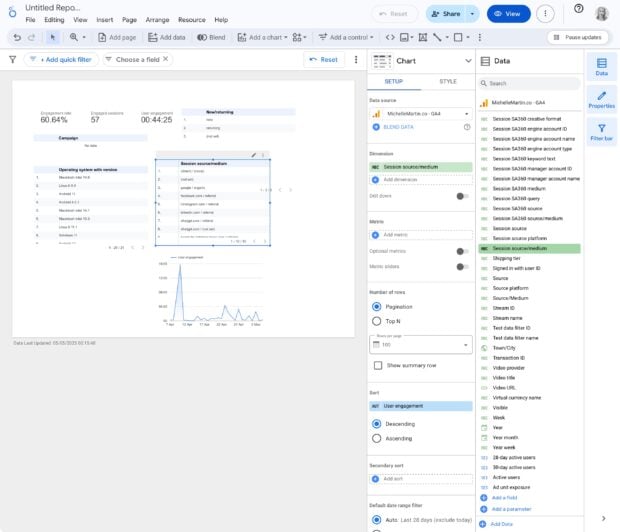
Ultimately, whether an enterprise deploys a connected suite like Hootsuite Social OS or constructs a bespoke environment via Looker Studio, the core objective remains unchanged. Effective social media dashboards eliminate data silos, empower rapid decision-making, and bridge the communication gap between creative marketing teams and executive leadership. By transforming raw digital interactions into clear, business-driven outcomes, modern analytics dashboards cement social media’s role as a primary driver of enterprise growth and customer trust.