The modern home is undergoing a structural transformation, shedding legacy items that once served as cornerstones of daily life. This quiet shift is not the result of a single coordinated movement but rather a long-term convergence of technological advancement, changing architectural trends, and a fundamental realignment of consumer values. Items that were once considered essential—from bulky hardware to specialized dining sets—are vanishing from shopping lists as households pivot toward minimalism, multi-functionality, and digital integration. This article examines the 35 specific items that have effectively been phased out of the average home, the factors driving their obsolescence, and the broader economic implications of this transition.

The Technological Displacement of Domestic Hardware
The most rapid decline in household inventory is found in the category of communication and information storage. For decades, the fax machine was a fixture in both home offices and small business settings. As of 2026, industry reports indicate that physical fax machines have seen a 92% decline in new unit sales compared to the peak years of the late 1990s. The transition to cloud-based document management, secure email attachments, and mobile scanning applications has rendered the hardware obsolete.
Similarly, the physical phone book, once a ubiquitous presence on every kitchen counter or hallway table, has been almost entirely replaced by search engine indices. Local telecommunications providers ceased mass-distribution of physical directories in most jurisdictions by the early 2020s, citing both environmental sustainability goals and the near-zero utilization rate among consumers under the age of 50.
This technological pruning extends to media storage as well. The rise of streaming services has decimated the market for physical media racks. Market analysts note that furniture manufacturers have largely pivoted away from specialized storage units for CDs and DVDs, as the average household now relies on digital libraries. What was once a high-volume category in home organization retail is now a niche interest, with remaining units often repurposed for decorative use or discarded during home decluttering cycles.
Architectural Shifts and the Decline of Formal Space
The physical layout of the American home has evolved to prioritize open-concept living, which has directly impacted the utility of formal furniture. The traditional "formal dining room," once a staple of suburban architecture, is increasingly absent in new construction blueprints. Builders and architects report that modern floor plans now prioritize large, multi-use kitchen-dining hybrids, often consolidating space that was previously dedicated to formal dining sets and their accompanying china cabinets.
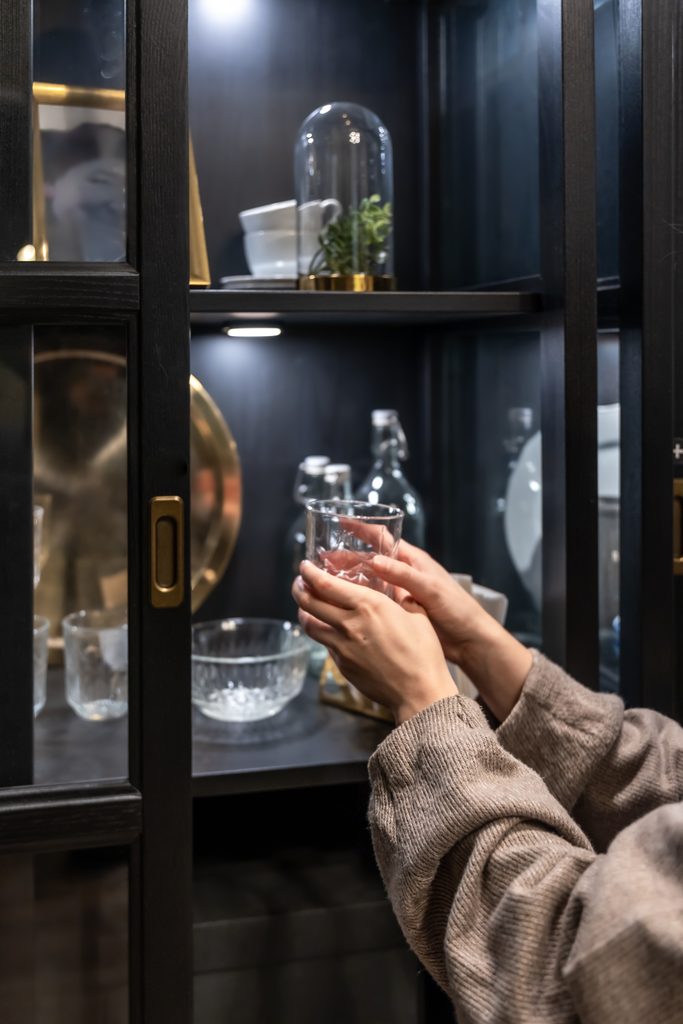
The curio cabinet serves as a poignant example of this transition. Once a symbol of status and a display case for heirloom dishware, these pieces have seen a precipitous decline in demand. The secondary market for antique furniture reflects this trend; auction data suggests that the resale value of traditional mahogany or glass-front china cabinets has dropped significantly, often selling for less than the cost of transportation. This reflects a broader societal move away from the accumulation of ornamental goods and toward "experience-based" home environments.

The Evolution of Culinary Habits
The kitchen has arguably seen the most significant churn in inventory. Single-purpose gadgets, such as dedicated avocado slicers, egg separators, and strawberry hullers, have become synonymous with the "novelty purchase" cycle. Data from consumer goods retailers indicates that while these items see high sales volume during peak holiday gift seasons, their post-purchase utilization rate drops below 10% within the first six months.

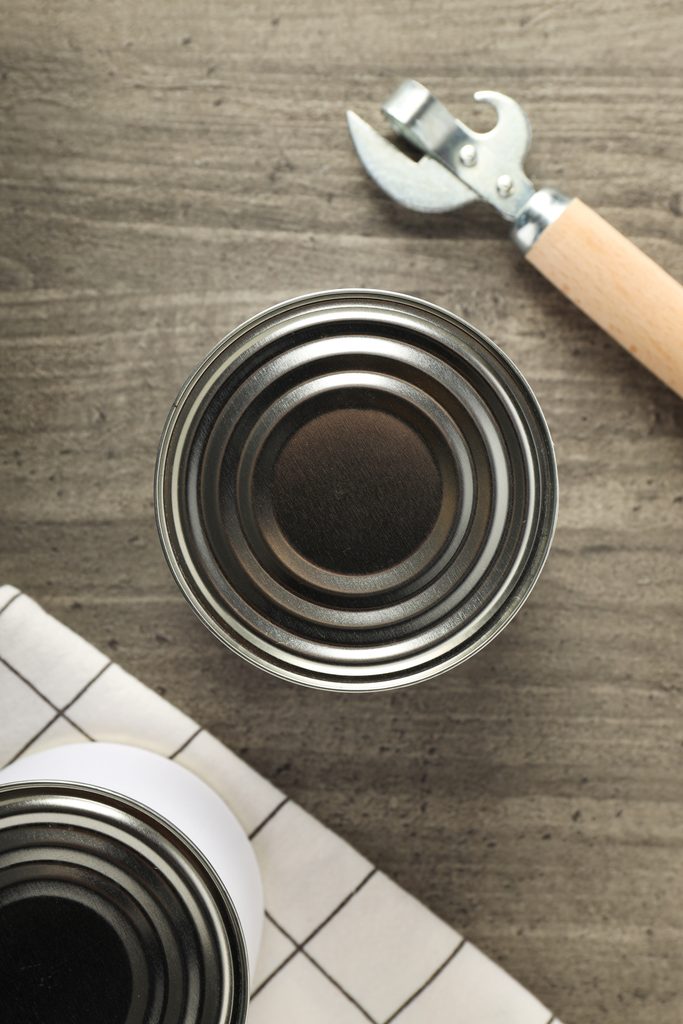
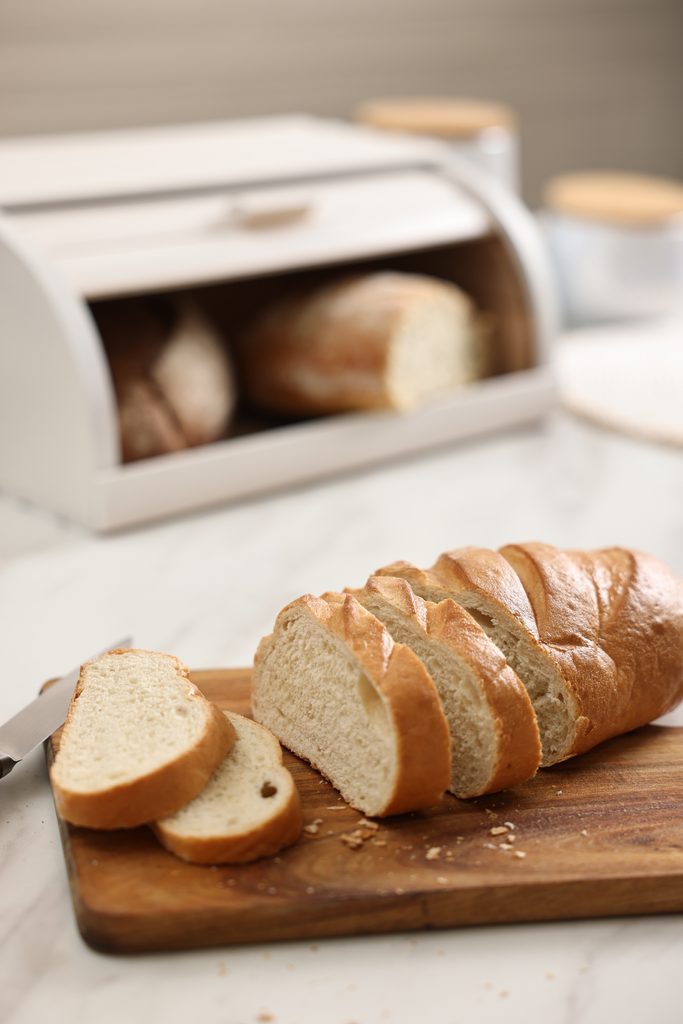
More substantial kitchen staples have also seen a decline. The wall-mounted can opener, once a permanent fixture of 20th-century kitchens, has been replaced by efficient, compact, and often more sanitary handheld alternatives. Bread machines, which experienced a surge in popularity during the late 2010s, are now frequently found in the "gently used" section of secondhand marketplaces. The shift toward convenience and the availability of artisanal, store-bought options has reduced the necessity for such large-footprint, single-purpose appliances.
The "Good" vs. "Everyday" Dichotomy
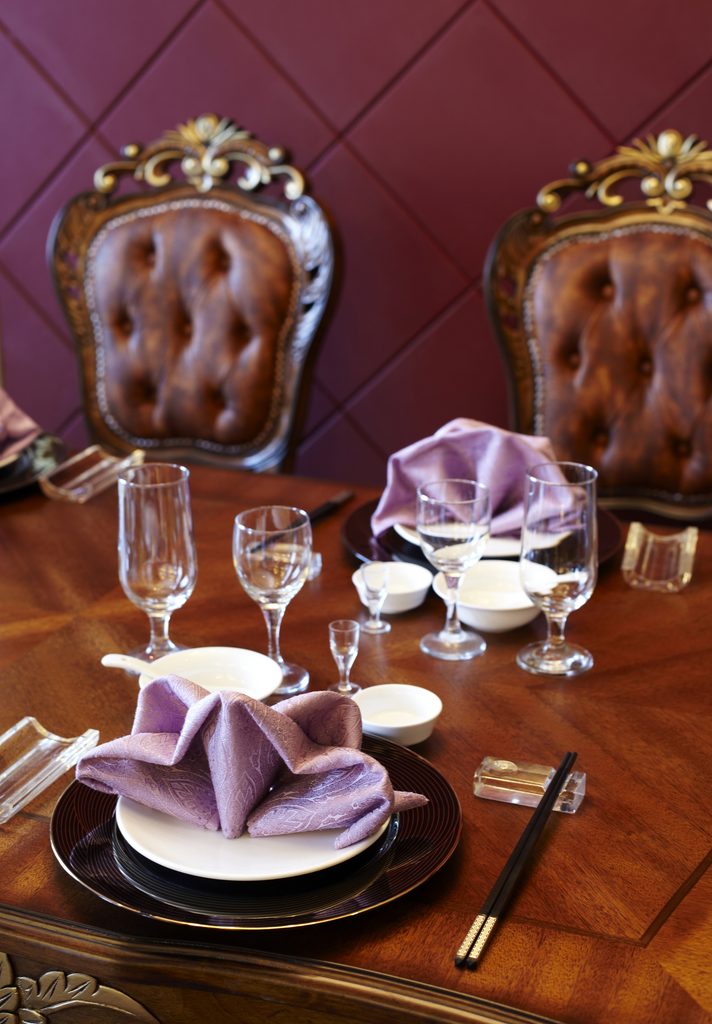
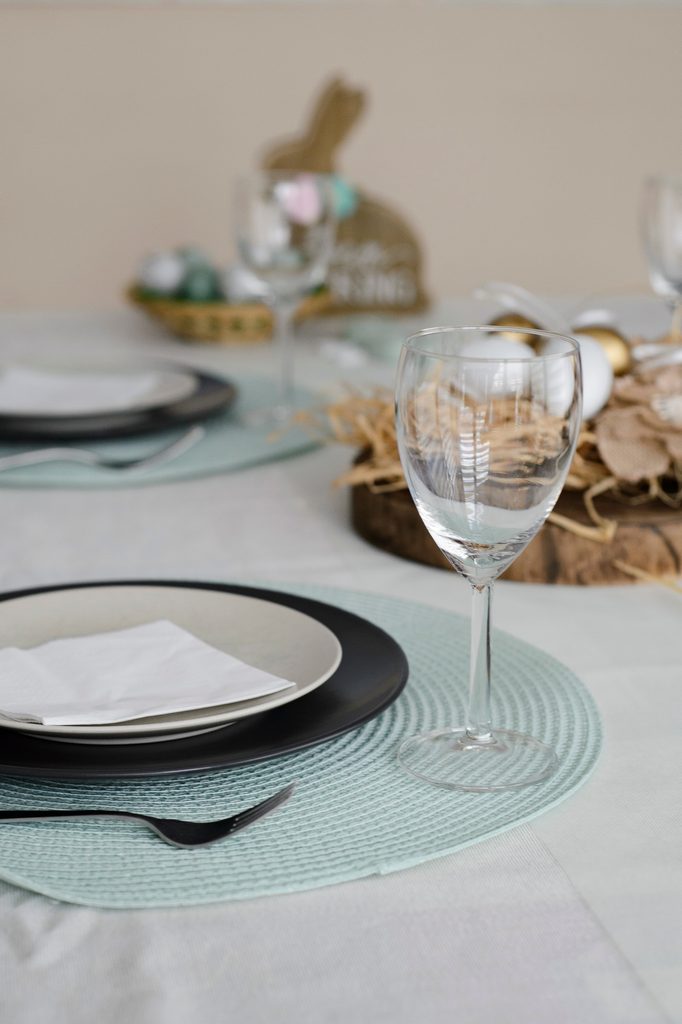
Perhaps the most significant psychological shift in household management is the rejection of the "for good" category. Historically, middle-class households maintained a secondary set of items—silverware, tablecloths, placemats, and even guest towels—reserved exclusively for special occasions or visitors. This practice has been largely abandoned in favor of high-quality, versatile sets that serve both everyday and formal needs.
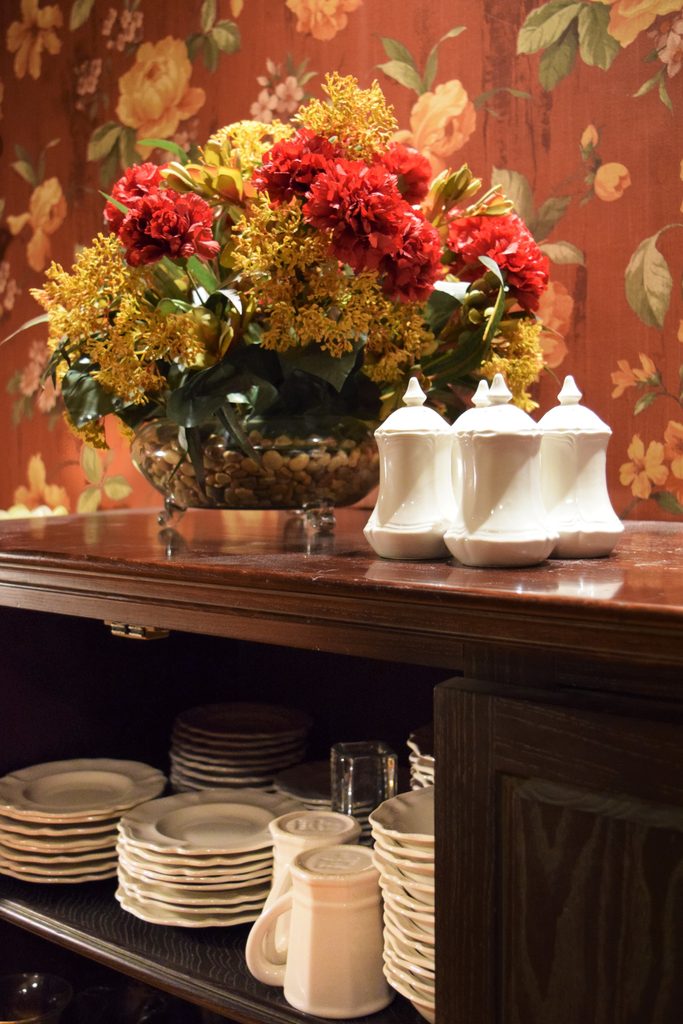
Financial analysts specializing in household spending note that this consolidation is a response to both space constraints and economic pragmatism. By investing in one high-quality set of dishware that is both dishwasher-safe and aesthetically neutral, households eliminate the "storage tax" imposed by redundant items. This shift is not merely a minimalist aesthetic choice; it is a financial strategy that reduces the long-term cost of ownership, replacement, and cleaning.
Chronology of the Decline
- 1990s: The peak era for "formal" household inventory. High demand for encyclopedia sets, wall-mounted hardware, and dedicated media storage.
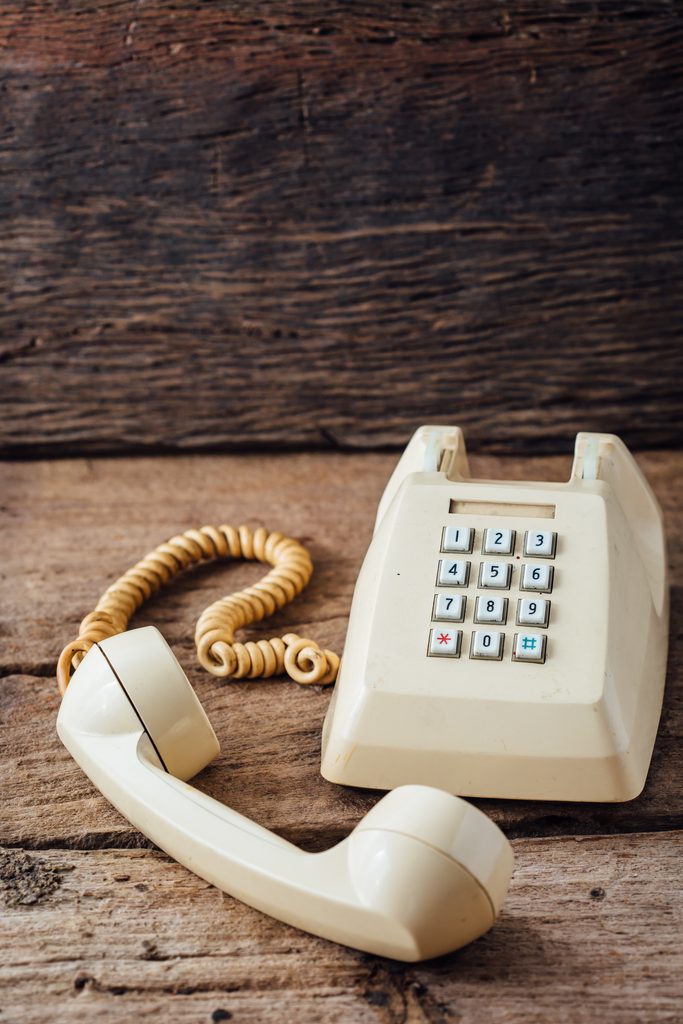
- 2005–2010: The onset of the digital transition. Internet search engines begin to replace reference books; mobile phone adoption accelerates the decline of the landline.
- 2010–2020: The rise of minimalism and the decline of the "formal room." The shift toward open-concept architecture renders bulky dining furniture and curio cabinets less desirable.
- 2020–2026: The post-pandemic acceleration of decluttering. Households re-evaluate inventory during periods of remote work, leading to a massive surge in the donation and resale of non-essential "specialty" items.
Economic and Environmental Implications
The removal of these 35 categories from the average home has had a ripple effect on the manufacturing and retail sectors. Companies that previously relied on the "gift-giving" cycle of specialized housewares have had to adapt, with many pivoting toward sustainable, multi-use products.
Furthermore, the environmental impact of this shift is notable. The reduction in mass-produced, low-utility goods reduces the volume of domestic waste sent to landfills. While the secondhand market has seen a temporary surge in the supply of these items, the long-term trend points toward a leaner, more deliberate approach to consumer purchasing.
Expert Analysis and Future Outlook
Sociologists studying domestic behavior suggest that the current trend represents a shift toward "intentional consumption." When individuals were asked to explain the removal of items such as formal guest towels or monogrammed stationery, the primary justification was not cost, but "cognitive load." Maintaining items that are rarely used, but require cleaning, dusting, or organizing, contributes to a sense of domestic clutter that many find incompatible with modern living.
The implications for the future of the home industry are clear: manufacturers must prioritize versatility and durability over novelty. As homes become smaller and more expensive per square foot, the "value" of an item is no longer measured by its aesthetic appeal alone, but by its ability to perform multiple, frequent tasks.
In conclusion, the disappearance of these 35 items marks a transition from a consumer culture built on "readiness for the hypothetical event" to one focused on "utility for the current moment." As households continue to streamline their inventories, the focus remains on the elimination of the redundant, leaving behind a more functional, efficient, and intentional living space. The question for the modern consumer is no longer "what might I need one day?" but rather "does this item justify the space it occupies today?" This mindset is arguably the most significant change in domestic life over the last quarter-century, representing a permanent evolution in how we define a well-equipped home.