Meta Bans Harassment Content Captured with Smart Glasses as Taco Bell and Sony Execute Strategic Public Relations Pivots

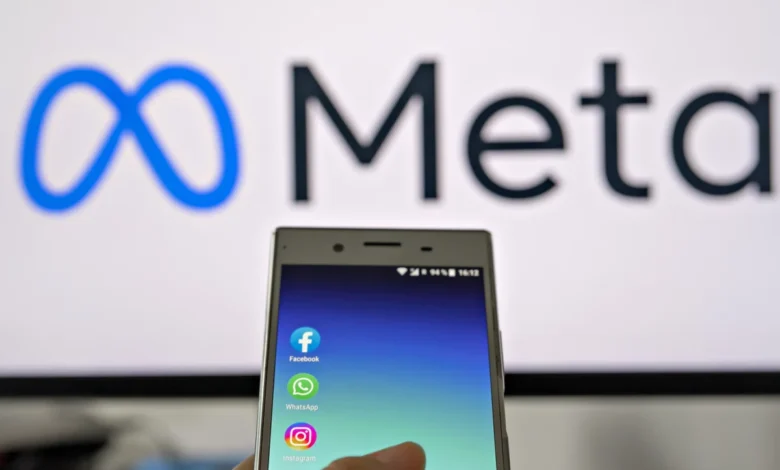
Meta Platforms Inc. has officially updated its content moderation policies to prohibit the distribution of video footage captured via smart glasses that depicts the harassment of individuals in public spaces. This move, primarily affecting the Instagram platform, follows a surge in "pickup artist" and "prank" content where creators use the discreet recording capabilities of wearable technology to film non-consensual or aggressive interactions, particularly targeting women. Instagram head Adam Mosseri confirmed the policy shift, noting that the company will proactively remove content that takes advantage of or harasses people in public settings. The enforcement has already resulted in the deactivation of several high-profile accounts, including two creators with follower counts exceeding one million, for violating Meta’s community standards regarding troubling content originating from its hardware products.
The Evolution of Wearable Privacy Concerns and Meta’s Regulatory Response
The integration of cameras into everyday eyewear, such as the Ray-Ban Meta smart glasses, has long been a point of contention for privacy advocates. While the devices feature a small LED light to signal when recording is active, critics argue that the indicator is easily obscured or ignored in crowded public environments. The recent crackdown by Instagram represents a significant admission by Meta that its hardware is being utilized for "surreptitious" filming, a practice that bypasses traditional social norms regarding consent.
Adam Mosseri addressed the issue via a social media broadcast, stating that the platform aims to combat the weaponization of its technology. "If you’re posting content that is taking advantage of people and harassing them, like a lot of these pickup line kind of videos that we’ve heard of and seen, then we’re going to take the content down," Mosseri remarked. This policy update aligns with broader efforts to curb "creepshots" and non-consensual recordings, which are already detailed in Meta’s Community Standards. However, the specific targeting of smart-glass footage suggests a new tier of enforcement designed to protect the reputation of Meta’s hardware ecosystem.
From a crisis management perspective, industry analysts suggest that Meta’s response is a reactive measure to prevent the "Glasshole" stigma that plagued Google Glass a decade ago. By deactivating major accounts that popularized this genre of content, Meta is attempting to set a precedent for "wholesome" usage. Nonetheless, the removal of Mosseri’s original announcement story shortly after its posting has led some observers to question the permanence and transparency of this new directive, suggesting the company may still be refining its long-term enforcement strategy.
Taco Bell Navigates Cyclospora Outbreak with Multi-Channel Communication Strategy
Simultaneously, the fast-food industry is grappling with a significant health crisis as the Centers for Disease Control and Prevention (CDC) identified Taco Bell as a potential link in a recent cyclospora outbreak. Cyclospora cayetanensis, a microscopic parasite typically transmitted through contaminated fresh produce, has led to a multi-state investigation. In response, Taco Bell has launched an aggressive, multi-pronged public relations campaign to reassure consumers and mitigate brand damage.
The restaurant chain’s strategy involves tailoring its messaging across different platforms to reach diverse demographics. On its official corporate website, Taco Bell issued a formal press release detailing the immediate removal of all affected lettuce supplied by Taylor Farms. The statement emphasized a collaborative approach to food safety: "We believe public health is a shared responsibility among restaurants, their suppliers, and authorities, and we are proud to have consistently acted quickly and proactively to protect our guests."
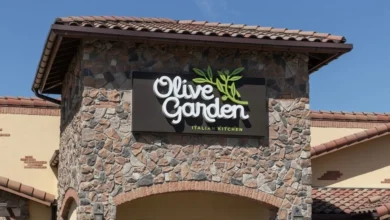
In contrast, the company’s Instagram presence adopted a more colloquial and supportive tone, utilizing the caption: "You always got us. We always got you. See you in the drive-thru." This "fan-first" approach aims to maintain brand loyalty among younger consumers who value authenticity and emotional connection. The strategy culminated in a LinkedIn post by CEO Sean Tresvant, who addressed the "Taco Bell fan" community directly. Tresvant’s message was characterized by humility and a commitment to improvement, stating, "We aren’t entitled to your loyalty. We earn it one meal at a time." By utilizing three distinct voices—formal, playful, and earnest—Taco Bell is attempting to control the narrative across the professional, consumer, and corporate sectors.
Chronology of the Cyclospora Investigation and Supply Chain Response
The timeline of the Taco Bell incident highlights the speed at which modern food supply chains must react to biological threats:
- Initial Detection: Public health officials in several states reported a spike in cyclosporiasis cases, characterized by gastrointestinal distress.
- Source Identification: The CDC and FDA conducted traceback investigations, narrowing the source to fresh lettuce distributed to specific commercial outlets.
- Corporate Action: Upon being named in the investigation, Taco Bell preemptively severed ties with the specific batches from Taylor Farms, a major produce supplier that has faced similar scrutiny in previous years.
- Public Notification: Taco Bell synchronized its digital announcements across web and social platforms within 24 hours of the CDC’s public update.
This rapid response is a byproduct of modern food safety protocols where "traceability" is a key metric. For Taco Bell, the challenge lies not just in the logistics of removing produce, but in the psychological task of convincing the public that the "drive-thru" remains a safe environment.
Sony Pictures and the Restoration of the Cinerama Dome: A Bet on Physical Cinema
While tech and food sectors manage crises, the entertainment industry is seeing a major investment in physical infrastructure. Sony Pictures Entertainment has announced the acquisition and planned 2028 reopening of Hollywood’s iconic Cinerama Dome. The theater, a geodesic landmark that has been dark since the pandemic-induced closure of Pacific Theatres and ArcLight Cinemas in 2021, represents a strategic move by Sony to champion the theatrical experience in an era dominated by streaming.
Tom Rothman, CEO of Sony Pictures Entertainment’s Motion Picture Group, framed the investment as a soul-deep commitment to the medium. "We’re bringing the Dome back, baby," Rothman stated. The renovation plan includes a meticulous preservation of the theater’s historic legacy, ensuring that the "Cinerama" branding and unique architectural exterior remain intact.
This move is significant within the context of the "Paramount Decrees," which historically prevented movie studios from owning theaters to avoid antitrust violations. Since the expiration of these decrees, studios have cautiously explored theater ownership. Sony’s investment is less about a massive roll-out of a theater chain and more about "brand haloing"—using a prestigious physical location to elevate the status of its film releases. By reopening the venue in 2028, coinciding with the Los Angeles Summer Olympics, Sony is positioning itself at the center of a global cultural moment.
The Dilution of Celebrity Branding: The Case of Tom Brady
The final pillar of current market shifts involves the personal brand management of NFL legend Tom Brady. Since his retirement, Brady has transitioned into a ubiquitous media personality, appearing in a flurry of advertisements and public stunts. Marketing experts are now questioning whether this high-frequency exposure is eroding the "mystique" that defined his playing career.
Brady’s recent portfolio includes a partnership with Gopuff to launch "Good Nut" coconut water, an ad campaign for Pizza Hut, and a highly publicized "slap" involving YouTuber Logan Paul at Fanatics Fest. Critics argue that these moves contradict the disciplined, health-conscious "TB12" image Brady cultivated for decades. The "scarcity principle" in branding suggests that a high-value asset becomes less valuable the more common it becomes.
Industry analysts point to the "Daniel Day-Lewis on Love Island" comparison as a cautionary tale of brand misalignment. When a figure known for elite focus and discipline pivots to "chasing" attention through disparate and sometimes low-brow partnerships, the core brand identity can become fractured. For professional communicators, the Brady case serves as a reminder that brand integrity requires as much discipline as athletic performance.
Broader Implications and Strategic Analysis
The convergence of these four stories—Meta’s policy shift, Taco Bell’s crisis management, Sony’s physical investment, and Brady’s brand evolution—highlights a broader trend in the 2024-2026 economic landscape: the struggle for authenticity and safety in a digital-first world.
Meta’s crackdown on smart-glass harassment reflects a growing societal demand for digital ethics and the "right to be left alone" in public. As wearable technology becomes more seamless, the burden of regulation is shifting from the user to the platform. Taco Bell’s multi-channel response demonstrates that in the age of viral news, a single press release is no longer sufficient; brands must speak to different audiences in their preferred "languages."
Sony’s restoration of the Cinerama Dome suggests that physical "destination" experiences are becoming more valuable as digital content becomes commoditized. Finally, Tom Brady’s branding struggles illustrate that even the most successful individuals must balance the desire for post-career relevance with the preservation of their legacy.
As these situations evolve, the common thread remains the importance of strategic communication and scenario planning. Whether managing a parasitic outbreak, a privacy scandal, or a legacy restoration, the ability to anticipate public reaction and align corporate actions with stated values remains the cornerstone of modern institutional success.