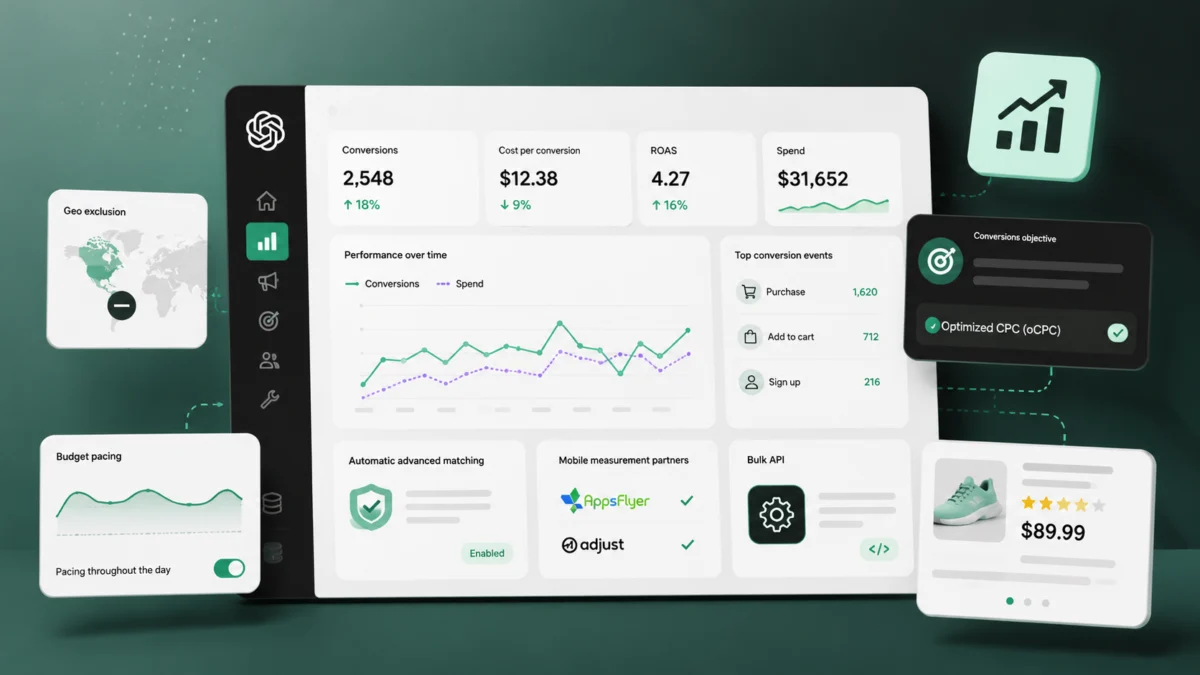
ChatGPT Ads, the burgeoning advertising arm leveraging OpenAI’s formidable artificial intelligence capabilities, has rolled out a significant update to its advertiser tools, marking a pivotal moment in its journey to become a dominant force in the digital advertising landscape. This latest release, focused intently on smarter bidding mechanisms, enhanced measurement protocols, sophisticated budget pacing, and streamlined campaign management, underscores the platform’s strategic evolution towards meeting the rigorous demands of performance marketers. Far from incremental adjustments, these enhancements collectively position ChatGPT Ads as a serious contender, bridging the gap between an emerging platform and the established, feature-rich ecosystems offered by industry titans like Google Ads and Meta Ads.
The update introduces a robust suite of new functionalities designed to empower advertisers with greater control, efficiency, and insight into their campaigns. Central to these improvements is the emphasis on conversion optimization and automation, functionalities that have become non-negotiable for marketers striving for measurable business outcomes in an increasingly competitive digital arena. This move signals a clear intent from ChatGPT Ads to move beyond basic ad delivery, offering a sophisticated infrastructure that caters to the nuanced needs of large-scale advertisers and agencies.
The Strategic Imperative: Maturing an AI-Powered Ad Platform
The digital advertising industry has witnessed a paradigm shift with the advent of artificial intelligence, and ChatGPT’s entry into this domain was, for many, an anticipated development. OpenAI, initially focused on advancing AI for public good, quickly recognized the immense potential for monetization through its widely adopted conversational AI models. The vast user base interacting with ChatGPT daily presented an unparalleled opportunity for highly contextualized and personalized advertising experiences, provided the underlying ad platform could match the sophistication of its AI core.
The journey of ChatGPT Ads can be traced back to the initial murmurs and speculative discussions that emerged shortly after ChatGPT’s public launch in late 2022. The platform’s unprecedented user acquisition rates immediately sparked conversations about how OpenAI might leverage this reach for revenue generation beyond subscription models. By mid-2024, credible reports and soft launches began to confirm the existence of "ChatGPT Ads," albeit in a nascent form, likely offering basic targeting and bidding options. The subsequent period, leading up to this significant July 2026 update, has evidently been dedicated to meticulously building out the foundational infrastructure required for a truly competitive advertising ecosystem. This chronology reflects a deliberate strategy to not just introduce an ad platform, but to develop one that can genuinely challenge existing giants by offering a compelling alternative rooted in cutting-edge AI.
A Deep Dive into the New Capabilities
The comprehensive nature of this update addresses several critical areas that performance marketers have consistently highlighted as essential for success.
1. Smarter Bidding and Conversion Optimization:
At the forefront of the new capabilities is the introduction of advanced, AI-driven bidding strategies focused on conversion optimization. Unlike rudimentary bidding models that might target clicks or impressions, these new tools allow advertisers to optimize directly towards specific business outcomes, such as purchases, sign-ups, app installs, or lead generations.
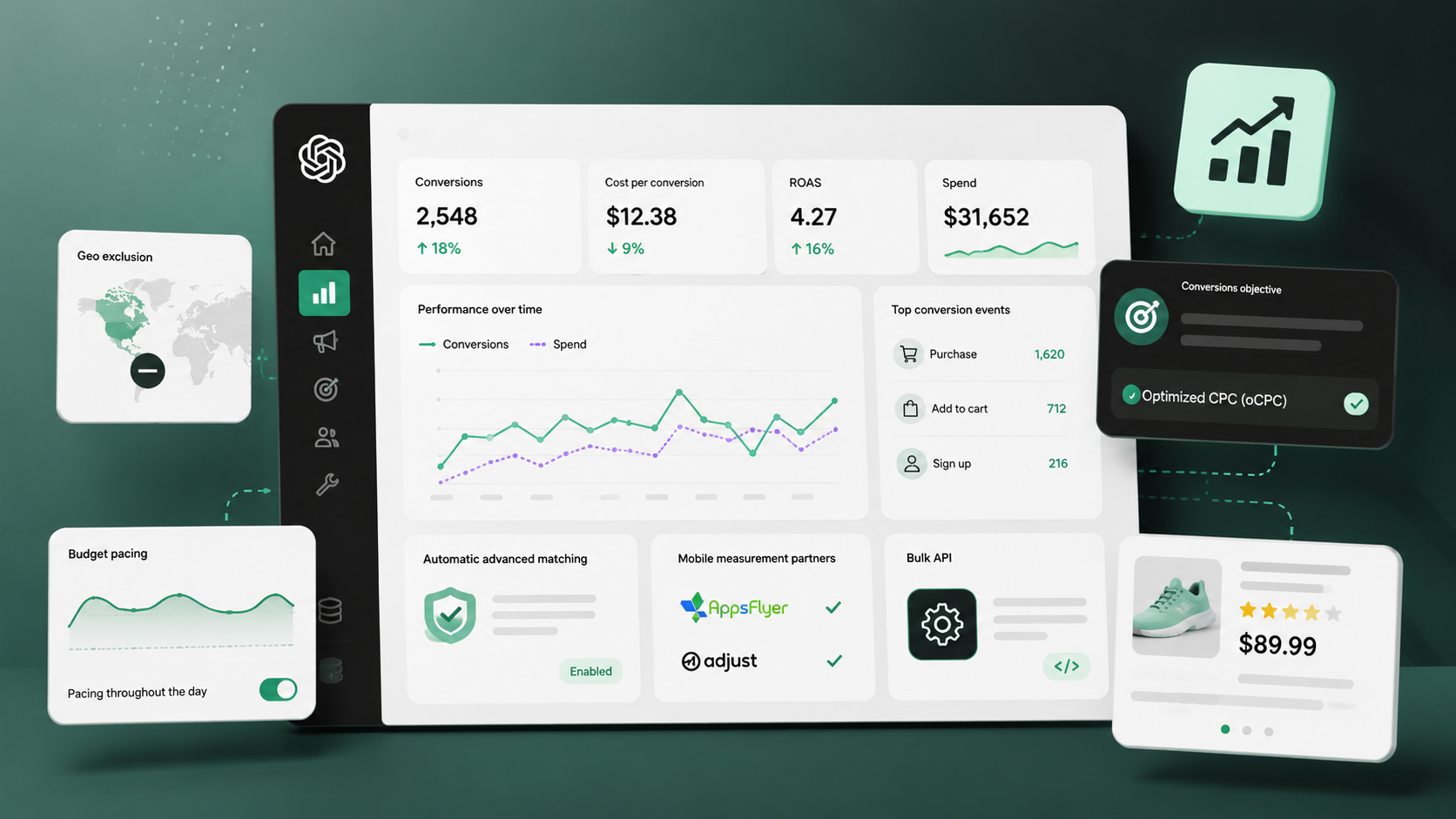
- Predictive Analytics: Leveraging ChatGPT’s deep learning capabilities, the platform can now analyze vast datasets to predict user behavior and bid more intelligently in real-time auctions. This means identifying users most likely to convert and adjusting bids accordingly, maximizing return on ad spend (ROAS).
- Goal-Oriented Strategies: Advertisers can now define their conversion goals more precisely, and the AI will automatically manage bids to achieve these goals within specified budget constraints. This shifts the focus from managing bids manually to defining strategic objectives, allowing the AI to handle the tactical execution. This mirrors successful strategies employed by Google Ads’ Smart Bidding and Meta Ads’ Value Optimization, indicating ChatGPT Ads’ commitment to parity and innovation.
2. Improved Measurement and Attribution:
Accurate measurement is the bedrock of performance marketing. The update brings significant enhancements to how advertisers can track, analyze, and attribute conversions.
- AppsFlyer and Adjust Integrations: For mobile app advertisers, these integrations are a game-changer. AppsFlyer and Adjust are industry-leading mobile measurement partners (MMPs) that provide granular data on app installs, in-app events, user engagement, and lifetime value (LTV). By integrating directly with these platforms, ChatGPT Ads now offers a far more practical and comprehensive solution for tracking mobile app campaign performance, allowing advertisers to see the full impact of their ad spend within the app ecosystem.
- Enhanced Attribution Models: Moving beyond simplistic last-click attribution, the platform now supports more sophisticated models, including multi-touch and data-driven attribution. This allows marketers to gain a more holistic understanding of the customer journey, recognizing the contribution of various touchpoints across the funnel. This is particularly crucial in complex conversion paths where multiple interactions with an ad or content might precede a final conversion.
- Advanced Matching: This feature enhances the accuracy of conversion tracking by allowing advertisers to pass more robust first-party data (e.g., hashed email addresses, phone numbers) back to the platform. This improves the match rate between ad clicks/impressions and actual conversions, especially in a privacy-centric environment where third-party cookies are being phased out. Advanced matching is vital for optimizing campaigns based on real user actions and building more precise audience segments.
3. Budget Pacing and Campaign Management:
Scalability and efficiency are paramount for advertisers managing large, complex campaigns. The new tools significantly enhance these aspects.
- Average Daily Budgets: This functionality provides advertisers with greater flexibility and control over their spending. Instead of rigid daily limits, average daily budgets allow the platform to spend slightly more on days with higher conversion potential and less on others, ensuring optimal budget utilization over a specified period (e.g., a month). This dynamic pacing helps prevent under-delivery on high-performing days and avoids overspending on less effective days.
- Bulk API Support: This is a critical addition for agencies and large advertisers. An Application Programming Interface (API) allows external software to communicate directly with the ChatGPT Ads platform. Bulk API support enables advertisers to manage multiple campaigns, ad groups, ads, and keywords programmatically and at scale. This facilitates automation of campaign creation, updates, reporting, and optimization, drastically reducing manual effort and improving efficiency, much like the APIs offered by Google and Meta.
- Geo Exclusions: A fundamental yet essential targeting capability, geo exclusions allow advertisers to precisely define geographical areas where their ads should not be shown. This ensures that ad spend is not wasted on irrelevant audiences or regions, improving campaign efficiency and targeting accuracy.
- Comprehensive Campaign Management Tools: Beyond the specific features, the overall suite of tools aims to provide a more intuitive and powerful interface for managing campaigns from creation to optimization, streamlining workflows and enhancing user experience.
Supporting Data and the Broader Market Context
The timing of this comprehensive update aligns with several overarching trends in the digital advertising industry. The global digital advertising market, valued at over $600 billion in 2023, is projected to exceed $1 trillion by 2027, according to various market research reports. This explosive growth is fueled by increasing internet penetration, mobile device usage, and the continuous shift of advertising budgets from traditional to digital channels.
Within this landscape, the role of AI has become indispensable. A recent Gartner survey indicated that over 75% of marketing leaders plan to increase their investment in AI technologies over the next two years. Marketers are increasingly relying on AI for tasks ranging from audience segmentation and content creation to bid management and performance optimization, citing benefits such as improved ROI, increased efficiency, and enhanced personalization.
ChatGPT Ads’ focus on "smarter bidding" and "improved measurement" directly addresses the core demands of performance marketers who are constantly seeking to maximize their ad spend. Data from eMarketer consistently shows that conversion tracking and attribution remain top challenges for advertisers, underscoring the value of robust integrations like AppsFlyer and Adjust. Furthermore, the push towards first-party data strategies, exemplified by "advanced matching," is a direct response to the industry’s pivot away from third-party cookies and heightened data privacy regulations.
Industry Reactions and Competitive Landscape
The unveiling of these advanced tools by ChatGPT Ads is expected to elicit significant reactions across the digital advertising ecosystem.
Industry Analysts: "This is not just an update; it’s a statement," remarked Dr. Evelyn Reed, a leading analyst in ad technology. "ChatGPT Ads is clearly signaling its intent to move beyond novelty and compete head-on with established platforms. Their strategic emphasis on core performance marketing functionalities—conversion optimization, robust measurement, and scalability—demonstrates a sophisticated understanding of advertiser needs. This move could significantly alter the competitive dynamics, especially as AI becomes even more central to advertising effectiveness."

Advertiser Perspective: Initial reactions from beta testers and early adopters have been largely positive. "The AppsFlyer integration is a game-changer for our mobile app campaigns on ChatGPT Ads," stated Sarah Chen, Head of Performance Marketing at a prominent e-commerce firm. "We can now get a unified view of our user acquisition costs and in-app revenue, allowing us to optimize our spend far more effectively. The bulk API support also means our team can automate many repetitive tasks, freeing us up for more strategic work." This sentiment underscores the practical benefits these new tools deliver to daily operations.
Competitive Response: While Google Ads and Meta Ads currently dominate the digital advertising market with their vast reach, sophisticated tools, and immense data reserves, the rise of ChatGPT Ads presents a new challenge. Competitors are likely to monitor ChatGPT Ads’ trajectory closely. We can anticipate accelerated innovation in their own AI-driven features, further refinement of their attribution models, and potentially renewed emphasis on their unique selling propositions, such as Google’s search intent data or Meta’s extensive social graph. The long-term implication is a more competitive and innovative market, ultimately benefiting advertisers with better tools and potentially more diverse audience reach.
Broader Impact and Implications
The maturation of ChatGPT Ads carries significant implications for various stakeholders:
For Performance Marketers: The platform offers a compelling new channel to reach audiences, potentially leveraging ChatGPT’s unique conversational insights for targeting and ad creation. However, it also means a steeper learning curve and the need to integrate yet another complex platform into their tech stack. Marketers will need to develop new strategies tailored to ChatGPT Ads’ unique environment while simultaneously ensuring seamless integration with their existing marketing efforts. The demand for AI-savvy marketing professionals is set to intensify.
For the Digital Advertising Ecosystem: Increased competition fosters innovation. ChatGPT Ads’ aggressive development could push other platforms to innovate faster, leading to more advanced tools and better value for advertisers across the board. It also opens up possibilities for novel ad formats, potentially integrating conversational AI directly into ads, leading to highly interactive and personalized user experiences.
Data Privacy and Ethical AI: As ChatGPT Ads scales, the importance of robust data privacy frameworks and ethical AI practices will become even more critical. The platform must navigate the complexities of user data collection, utilization, and transparency, especially given heightened global regulations like GDPR and CCPA. Advertisers will also need assurances that their data and user insights are handled responsibly and securely.
Future Outlook: This update is likely just another step in a continuous evolutionary process. Future developments could include deeper integration with other OpenAI products, expansion into new ad formats (e.g., video, audio, augmented reality), and further enhancements in hyper-personalization powered by advanced AI models. The platform’s ability to interpret nuanced language and user intent could unlock unprecedented levels of ad relevance and engagement.
In conclusion, the latest update from ChatGPT Ads is a watershed moment, signaling its transformation from an experimental platform into a serious contender engineered for performance marketers. By systematically addressing core needs related to optimization, measurement, automation, and scalability, ChatGPT Ads is not merely adding features; it is laying the groundwork for a future where AI-driven advertising platforms play an increasingly central role in shaping the digital economy. This evolution promises to drive innovation, intensify competition, and ultimately empower advertisers with more sophisticated tools to achieve their business objectives.