The modern Halloween experience is increasingly defined by a rising cost of participation, with the average retail price for a bag of premium fun-size candy now fluctuating between $5 and $10 depending on regional supply chains and retailer markup. For the average household, this expenditure offers a fleeting return on investment, as a single bag is often consumed within minutes at a social gathering. However, data from consumer spending reports suggests that by pivoting toward pantry-based preparation and strategic ingredient sourcing, hosts can significantly increase their per-capita serving capacity while maintaining or reducing total party expenditure. By leveraging staples found in most kitchens—combined with discount-aisle additions—it is possible to host a comprehensive event for approximately $30, a figure that covers drinks, dinner, and dessert.
The Economic Shift in Holiday Hosting
The transition from pre-packaged commercial treats to homemade culinary alternatives reflects a broader trend in consumer behavior known as the "homemade economy." With inflation impacting grocery staples, families are increasingly evaluating the "cost-per-serving" of holiday entertainment. While pre-packaged candies provide convenience, their price-per-ounce has trended upward over the last five years. In contrast, bulk staples—such as flour, sugar, seasonal produce, and shelf-stable snacks like pretzels—offer significantly higher volume for the same price point.

Retail analysts note that the week immediately following October 31 presents a unique fiscal opportunity for the following year. Clearance pricing on seasonal baking supplies, non-perishable decorations, and candy allows for an optimized inventory strategy. By utilizing a "buy-ahead" approach, savvy hosts can reduce their future holiday overhead by as much as 40 percent.
Culinary Strategies: From Ingredients to Value
The following list outlines 17 high-yield, low-cost culinary projects, ranked by their total value and utility for large gatherings. Each project is designed to maximize the "theatrical" aspect of the holiday while minimizing financial strain.
1. Witches’ Brew Punch
The most efficient method for hydrating a large group remains the classic punch bowl. By combining lime sherbet, lemon-lime soda, and pineapple juice, hosts can create a highly aesthetic, foaming beverage for approximately $8 to $12. This batch yields roughly 40 servings. The primary advantage is the "theatrical" reaction of the sherbet, which creates a foam that functions as a visual centerpiece. For maximum impact, the addition of dry ice—if handled with strict safety protocols—can simulate a cauldron effect, providing significant value for minimal financial investment.
2. Mini Mummy Pizzas
Moving away from expensive delivery options, English muffin pizzas provide a savory, filling alternative for the "kids’ table." By utilizing string cheese cut into thin, horizontal strips to mimic bandages and olive slices for eyes, these items offer a thematic appeal that matches higher-priced commercial alternatives. The estimated cost for 12 mini pizzas is between $6 and $8. This shift replaces the "takeout tax," a significant drain on event budgets that often goes uncalculated by organizers.
3. The Caramel Apple Paradox
It is essential to acknowledge the risks of certain traditional projects. While often perceived as a budget-friendly option, caramel apples are frequently the least efficient item on the list. The requirement for fresh apples, high-quality caramel, and specialized toppings often pushes the cost per unit to $1 or more. Furthermore, the rate of failure—often caused by the waxy surface of commercial apples causing the caramel to slide—represents a hidden cost. For those seeking the aesthetic of the treat without the financial risk, slicing the apples into rounds and drizzling the caramel over them is a more reliable and cost-effective alternative.
4. Savory Mummy Hot Dogs
Crescent roll dough and standard hot dogs are the primary ingredients for this high-traffic appetizer. By wrapping the hot dogs in thin strips of dough and adding mustard "eyes," organizers can create a substantial savory dish for under $9. This item serves a dual purpose as a dinner component, effectively reducing the need for additional catering.
5. Pumpkin Patch Brownies
Boxed brownie mixes remain a staple of the cost-conscious host. By utilizing the mix as a base and focusing the budget on "decorating" elements—such as cookie crumbles for soil and candy pumpkins—hosts can achieve a professional aesthetic at a fraction of the cost of bakery-bought goods. This strategy allows the baker to prioritize labor on the visual presentation, which is the element most guests notice.
Frugal Implementation and Inventory Management
A recurring theme across these projects is the consolidation of shopping lists. Ingredients such as candy melting wafers, candy eyeballs, mini marshmallows, and chocolate chips are interchangeable across multiple recipes. By purchasing these items in bulk, the total cost per individual project decreases substantially.

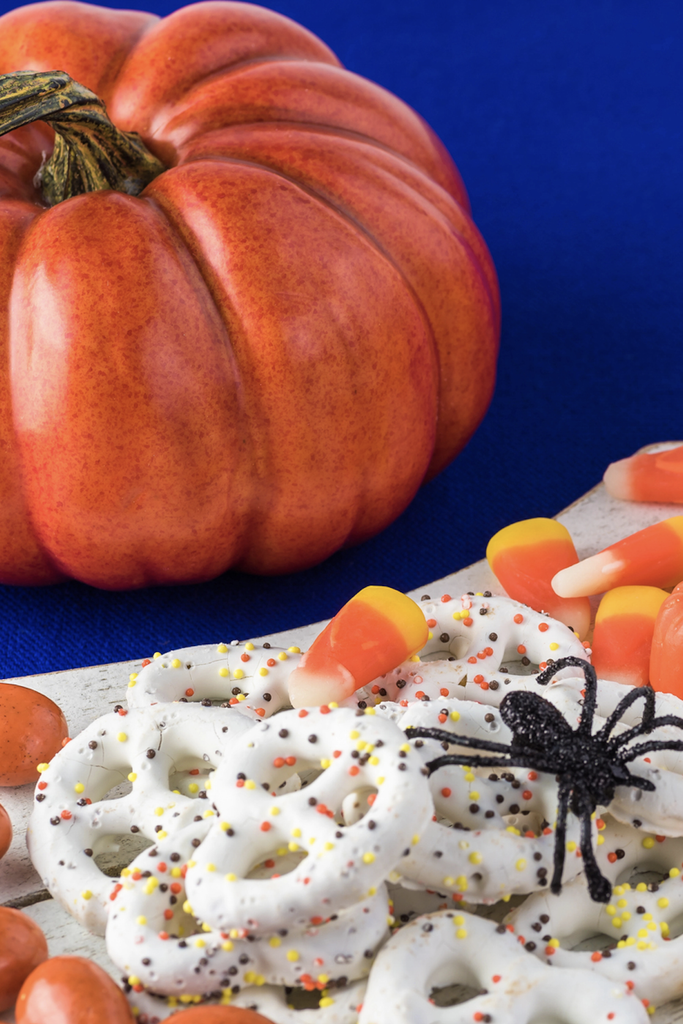
Professional event planners emphasize that the "theatre" of the event—the way food is presented—is often more memorable than the inherent value of the ingredients. For example, using cellophane bags and ribbons to turn standard pretzel rods into "wands" can elevate a low-cost snack into a high-value party favor, often costing less per unit than store-bought options.
Broader Implications of Holiday Frugality
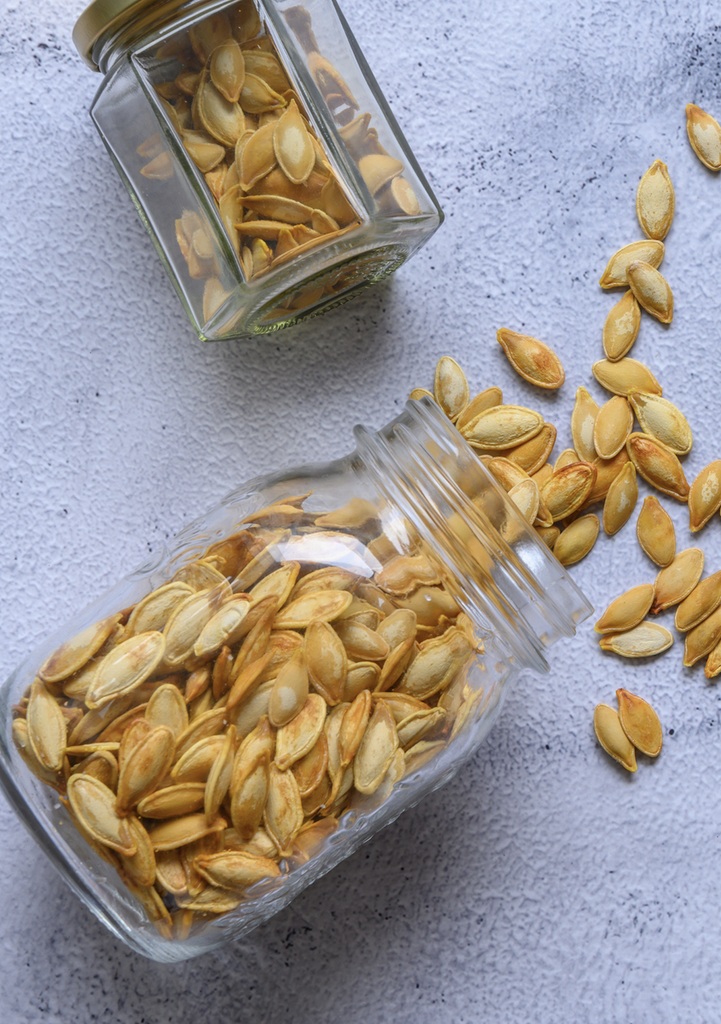
The shift toward DIY holiday catering carries long-term implications for household financial health. Small, repeated expenditures—such as buying individual packages of candy or opting for prepared foods—can lead to "money leaks" that aggregate into significant annual losses. By re-adopting traditional practices, such as roasting seeds from carved pumpkins or making popcorn balls from loose kernels, households can reclaim control over their holiday budgets.
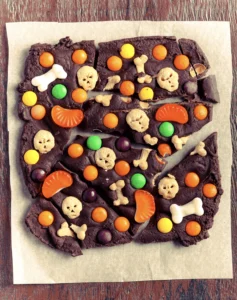
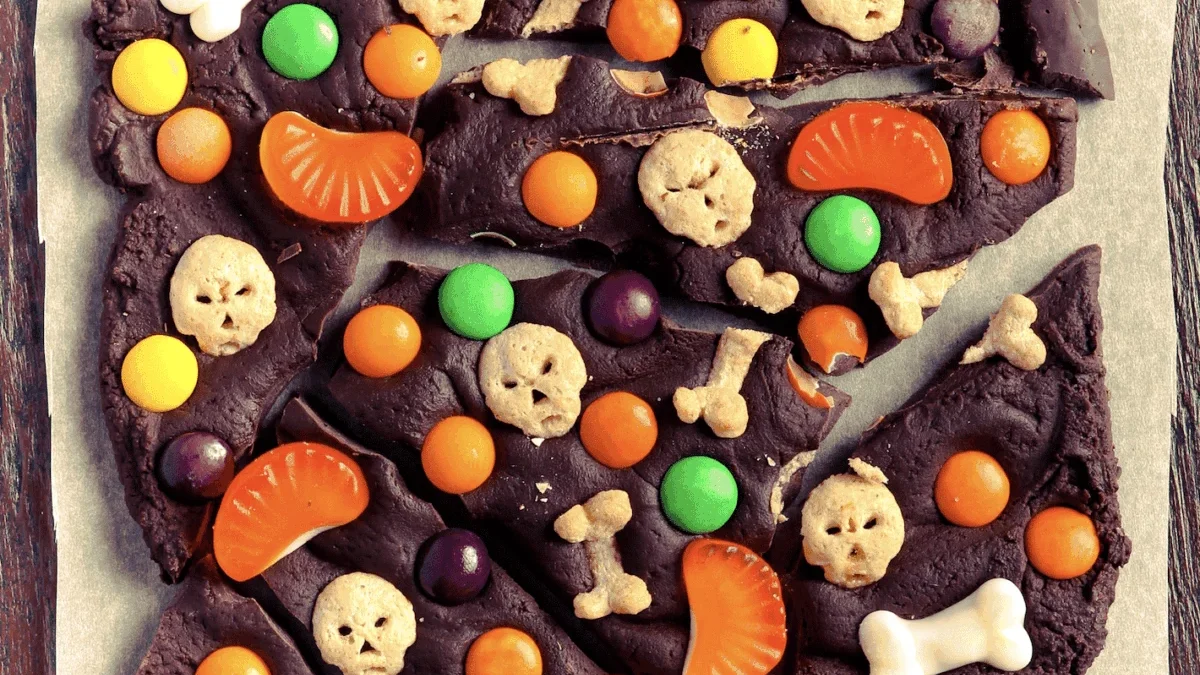
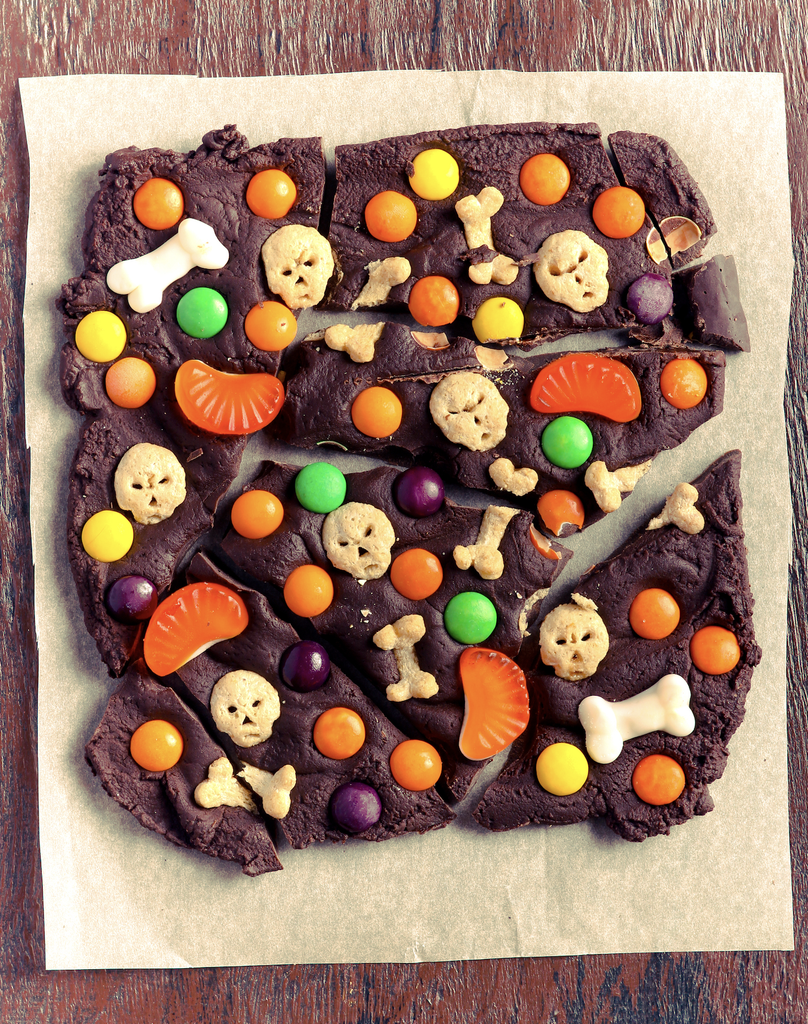
Furthermore, these practices align with broader efforts to reduce food waste. Using leftover ingredients from one project to form the base of another, such as using leftover candy for "Monster Bark," ensures that the total output of a shopping trip is fully utilized.

Conclusion: The Value of Tradition
The goal of these fiscal strategies is not to diminish the quality of the celebration, but rather to ensure that the resources are directed toward the most impactful elements. By comparing the cost of a single bag of fun-size candy to the volume of food generated by a batch of homemade punch or pizzas, the economic benefits become clear. As historical data on holiday traditions indicates, the memories that persist in children—and the successful events that satisfy guests—are rarely tied to the price of the ingredients used. Rather, they are tied to the thoughtfulness of the presentation and the intentionality behind the preparation. By prioritizing efficiency and creativity, organizers can maintain the festive spirit of Halloween while adhering to a sustainable, long-term financial strategy.