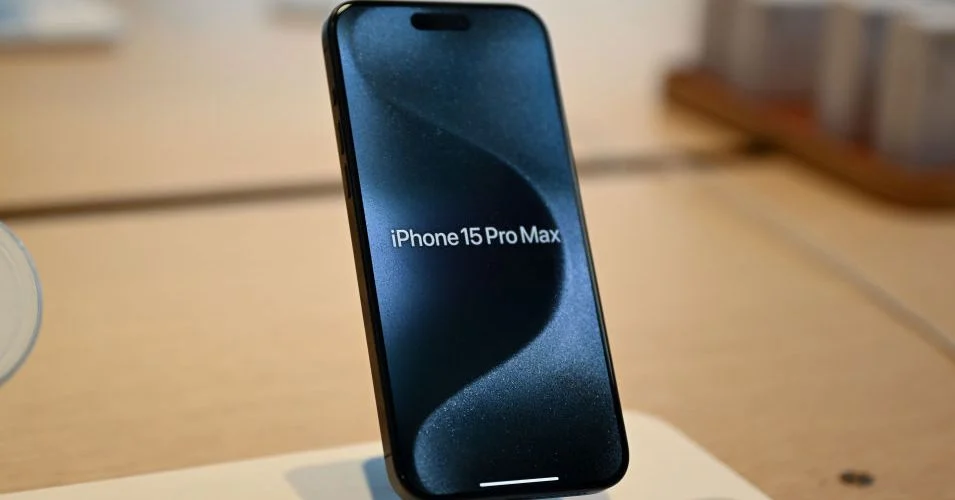
The technology sector has long navigated the delicate boundary between visionary marketing and actionable product delivery, a tension that recently culminated in a significant legal resolution for one of the world’s most valuable companies. Apple Inc. agreed to a $250 million settlement to resolve a class-action lawsuit filed by consumers who alleged the tech giant overhyped its Apple Intelligence ecosystem, specifically the heavily delayed rollout of its next-generation Siri voice assistant.
While the Cupertino-based company maintains that it did not engage in any wrongdoing or deceptive business practices, the financial agreement opens a window of compensation for millions of American consumers. Although the revamped Siri AI software has finally arrived on newer hardware via iOS 27, eligible customers who purchased specific iPhone models during a defined marketing window retain the legal right to claim cash back. This comprehensive guide outlines the background of the litigation, the precise eligibility criteria, the mechanics of filing a claim, and the broader implications this settlement holds for the consumer electronics and artificial intelligence industries.
Background and Genesis of the Dispute
The roots of the legal conflict trace back to Apple’s aggressive marketing campaign surrounding the integration of generative artificial intelligence into its product lineup. Under the banner of Apple Intelligence, the company promised a paradigm shift in how users interacted with their mobile devices. Central to this pitch was a fundamentally overhauled Siri assistant, powered by advanced on-device and cloud-based large language models designed to execute complex, multi-step tasks within applications, understand personal context on-screen, and offer conversational fluidity previously unavailable in virtual assistants.
For consumers upgrading to the iPhone 15 and iPhone 16 product families, these advanced AI capabilities were marketed as primary selling points. However, development roadblocks, algorithmic refinement challenges, and stringent privacy infrastructure requirements led to repeated delays. Months after the devices hit store shelves, users found themselves operating hardware marketed for artificial intelligence capabilities that remained absent or severely limited.
Frustrated by the discrepancy between promotional promises and functional reality, consumers initiated class-action litigation. The plaintiffs argued that Apple utilized illusory software features to drive hardware upgrades during specific sales cycles, inducing consumers to purchase premium devices under false pretenses. The litigation gathered momentum, eventually culminating in negotiations that resulted in the $250 million settlement agreement finalized in May.
Chronology of Key Events
Understanding the trajectory of the Apple Intelligence controversy requires a chronological examination of product announcements, regulatory scrutiny, release schedules, and legal milestones:
- June 2024: Apple officially unveils Apple Intelligence at its Worldwide Developers Conference (WWDC), showcasing advanced Siri capabilities, contextual awareness, and deep integration across iOS. The marketing campaign immediately targets prospective buyers of upcoming hardware releases.
- September 2024 through March 2025: Apple releases the iPhone 15 Pro, iPhone 15 Pro Max, and the iPhone 16 lineup. The promotional material heavily emphasizes future-proof AI readiness, though the most advanced Siri features are notably absent from initial software builds.
- Late 2024 to Early 2025: Delays accumulate. Consumers and industry analysts note that promised Siri integrations are missing from public beta builds, leading to mounting consumer dissatisfaction and the eventual filing of class-action lawsuits alleging deceptive trade practices.
- May 2025: Following extensive mediation, Apple agrees to a $250 million class-action settlement to resolve claims over overhyped AI features, explicitly denying any liability or wrongdoing as part of the agreement.
- Summer 2025: Apple rolls out iOS 27, finally delivering the revamped, fully functional Siri AI voice assistant to owners of compatible newer iPhones.
- December 21, 2025: The hard administrative deadline for eligible class members to submit their digital or paper claims for financial compensation.
Eligibility Criteria and Compensation Structure
Not every Apple customer qualifies for financial remediation under the terms of the $250 million settlement. The parameters established by the legal agreement strictly define who is eligible to participate and how much they may potentially receive.
To qualify for a cash payout, consumers must meet the following baseline criteria:
- Geographic Scope: The claimant must reside within the United States.
- Purchase Window: The eligible device must have been purchased between June 10, 2024, and March 29, 2025.
- Device Specification: The purchase must involve specific iPhone 15 or iPhone 16 models bought directly from Apple or authorized channels covered by the class parameters.
Qualified claimants may receive up to $95 per eligible device. The final payout amount per individual may fluctuate depending on the total number of valid claims submitted and approved by the settlement administrator before the distribution phase.
As part of the administrative requirement to validate a claim, participants must attest to the core grievance of the lawsuit. Specifically, claimants are required to sign a formal statement confirming that they purchased the device with the expectation of receiving the advertised Siri Apple Intelligence features immediately or within a reasonable timeframe, but did not receive them during the specified window.
Official Responses and Corporate Stance
In corporate governance and legal defense, settlements rarely come accompanied by admissions of liability. Apple’s handling of the class-action resolution follows this established playbook. While agreeing to part with a quarter of a billion dollars to clear the legal docket, the tech giant steadfastly maintains its innocence regarding any intentional misrepresentation.
In an official statement released following the May settlement agreement, an Apple spokesperson articulated the company’s rationale for resolving the litigation: "We resolved this matter to stay focused on doing what we do best, delivering the most innovative products and services to our users."
Legal analysts note that for a corporation of Apple’s financial magnitude, a $250 million settlement is a calculated business expenditure designed to preempt prolonged, brand-damaging discovery processes, negative courtroom optics, and protracted appeals. By neutralizing the litigation, Apple effectively cleared the runway for the deployment of iOS 27 and the commercial normalization of Apple Intelligence without the persistent shadow of an active federal class-action trial.
How to File a Claim: Step-by-Step Instructions
For consumers who meet the geographic, temporal, and hardware criteria, the window to secure compensation remains open until the final administrative deadline on December 21. The claims process has been digitized to streamline submissions, though users must follow specific protocols to ensure their reimbursement is processed successfully.
- Access the Official Portal: Navigate to the dedicated settlement website hosted at smartphoneaisettlement.com. Avoid third-party links or unverified submission portals to protect personal and financial data.
- Initiate the Claim: Locate and click the prominent blue button labeled "File A Claim," typically positioned in the top-right corner of the landing page.
- Enter Identifiers (If Applicable): The system will initially prompt you to enter a Claim ID and PIN if you received a physical or digital notice containing these credentials. However, having a pre-assigned ID is not mandatory; users can proceed without one.
- Provide Device Information: On the final verification page, you will be required to input specific hardware data to authenticate your purchase. You must provide either your iPhone’s unique serial number or your primary Apple Account ID.
- Locating Your Serial Number: If you are unsure where to find your device’s serial number, open the Settings application on your iPhone, navigate to the General tab, and select About. The serial number will appear as an alphanumeric string near the top of the display.
- Select Payment Method: Claimants can choose their preferred disbursement channel for the settlement funds. Available options include digital transfer services such as PayPal and Venmo, direct electronic bank transfers, or traditional paper checks sent via postal mail.
- Multiple Devices: Consumers who upgraded multiple lines or purchased more than one eligible device during the promotional window must submit a separate, individual claim form for every qualifying unit.
- Finalize and Submit: Review all entered information, sign the mandatory attestation regarding the unfulfilled Siri features, and complete the submission before the December 21 cutoff date.
Broader Industry Implications and Future Outlook
Beyond the immediate financial transfer from Apple to its consumer base, the $250 million settlement serves as a watershed moment for the consumer technology landscape, particularly regarding the marketing of artificial intelligence.
For years, the technology sector has operated in a hyper-competitive race to claim AI supremacy. Terms like "agentic AI," "predictive intelligence," and "autonomous assistance" have frequently appeared in marketing collateral long before the underlying neural networks and software frameworks were fully stabilized for consumer deployment. This practice, often colloquially termed "vaporware marketing" or forward-looking promotional positioning, has historically faced little regulatory or legal pushback.
The Apple Intelligence settlement establishes a powerful legal precedent. It signals that class-action attorneys and federal regulators are increasingly willing to scrutinize the gap between software marketing promises and hardware delivery schedules. When multi-thousand-dollar hardware purchases are explicitly contingent upon software features that remain unreleased, companies expose themselves to substantial financial liability under consumer protection statutes.
Furthermore, the case highlights the unique challenges of tying hardware sales cycles to rapid software development timelines. Hardware manufacturing pipelines—spanning silicon fabrication, supply chain logistics, and device assembly—operate on rigid, multi-year schedules. Conversely, artificial intelligence research and software engineering are iterative, unpredictable disciplines subject to unforeseen algorithmic bottlenecks and stringent regulatory compliance hurdles, particularly regarding data privacy in international markets.
As artificial intelligence continues to permeate every facet of consumer electronics, the lessons of the Apple Intelligence lawsuit will likely resonate across Silicon Valley and global tech hubs. Manufacturers will face mounting pressure to adopt more transparent communication strategies, clearly delineate between current capabilities and roadmap goals during product launches, and manage consumer expectations more prudently.
For the everyday consumer, the settlement offers a tangible reminder of the power of collective legal recourse in holding dominant technology conglomerates accountable. While iOS 27 has ultimately brought the envisioned Siri AI features to fruition, the $250 million payout ensures that those who financed the early, unfulfilled promises of the Apple Intelligence era are afforded a measure of financial restitution. Eligible users have until December 21 to complete their submissions and claim their share of the settlement before the administrative window permanently closes.