In today’s fiercely competitive digital landscape, Search Engine Optimization (SEO) has transcended from a specialized tactic to an indispensable pillar of business growth, particularly for small and medium-sized enterprises (SMBs). With 50% of small businesses identifying their website, blog, and SEO as their most leveraged marketing channel, according to HubSpot’s State of Marketing report, the imperative to maintain a strong organic search presence is non-negotiable. However, for SMBs operating with constrained budgets and limited technical resources, selecting the appropriate SEO tools presents a unique challenge: finding a comprehensive tech stack that delivers competitive edge without financial strain. This article explores the strategic considerations, foundational tools, and advanced solutions available to small businesses, charting a course for sustainable digital success in an evolving search environment.
The Strategic Imperative of Organic Search for SMBs
The digital economy has fundamentally reshaped consumer behavior. A staggering 93% of online experiences begin with a search engine, making visibility on platforms like Google paramount. For small businesses, organic search traffic often represents the most cost-effective and highest-converting channel for customer acquisition. Unlike paid advertising, which ceases to deliver results once the budget is exhausted, a well-executed SEO strategy builds enduring digital assets that continue to attract traffic and leads over time. This long-term ROI is particularly attractive to SMBs, who need to maximize every marketing dollar. Industry data further underscores this, with global SEO spending projected to reach over $100 billion annually, a significant portion of which is driven by smaller entities striving to carve out their niche.

Building a Goal-Oriented SEO Tech Stack
The journey to an effective SEO tech stack begins not with tools, but with clearly defined business objectives. A one-size-fits-all approach is ineffective; instead, small business leaders and their marketing teams must align tool selection with specific growth goals, current capabilities, and budgetary realities. This requires a structured framework for evaluation.
Key Criteria for Tool Selection:
-
Growth Goals Alignment: The immediate priorities of a business dictate the initial tool focus. A startup launching its first website will prioritize auditing and foundational technical SEO, while an established e-commerce business might focus on conversion optimization through keyword research and content refinement. Businesses aiming for local dominance will invest in specialized local SEO solutions, and those needing to demonstrate ROI to stakeholders will prioritize robust analytics and reporting.
-
Tool Category Match and Consolidation: SEO encompasses several critical domains: on-page optimization, technical SEO, backlinking, keyword research, rank tracking, local SEO, and analytics. Ideally, SMBs seek tools that offer multi-functional capabilities to minimize costs and complexity. An all-in-one platform can often be more cost-effective than subscribing to numerous single-purpose tools, especially in the early stages.
-
Ease of Use and Integration: The most powerful tool is useless if the team cannot or will not use it. User-friendly interfaces, clear onboarding processes, and seamless integration with existing marketing and CRM platforms (like HubSpot or WordPress) are crucial. Tools that provide actionable recommendations rather than raw data are particularly valuable for teams with limited SEO expertise.
-
Budgetary Considerations and Scalability: Budget is often the primary gatekeeper. While many premium tools offer free trials or limited free versions, understanding when to transition to a paid plan is vital. This transition is typically triggered by limitations in data depth, automation needs, the requirement for competitor insights, or the management of multiple domains. The ideal solution scales with the business, avoiding the need for disruptive and costly platform migrations as the company grows.
The Foundational Layer: Essential Free SEO Tools
For small businesses embarking on their SEO journey, a suite of free, Google-provided tools offers an invaluable starting point, providing critical insights without any financial outlay. These tools form the bedrock of any robust SEO strategy.
- Google Search Console (GSC): This indispensable tool provides first-party data directly from Google on how a website performs in search. It reveals indexing status, crawl errors, search queries driving traffic, average position, and core web vitals. For rank tracking, its "Average Position" metric, though an aggregate, offers a reliable indicator of keyword performance over time.
- Google Analytics 4 (GA4): The industry standard for website analytics, GA4 tracks user behavior, traffic sources, engagement metrics, and conversion paths. It allows businesses to understand how users interact with their site, segment organic traffic, and identify top-performing content. Crucially, GA4 integrates with GSC, providing a holistic view of search performance and user engagement.
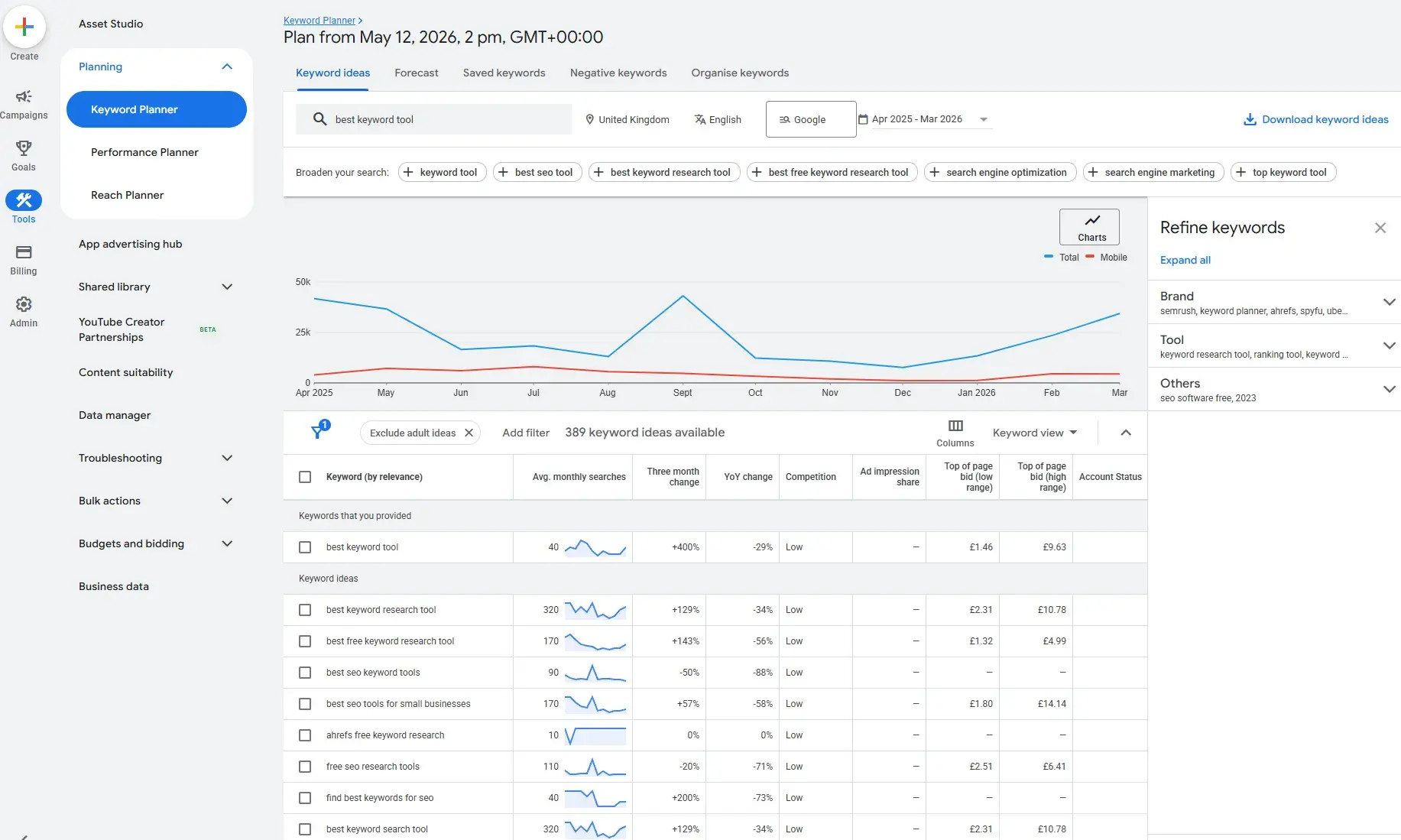
- Google Keyword Planner: Housed within Google Ads, this tool offers keyword ideas, search volume ranges, and competition data. While designed for paid search, its keyword insights are directly transferable to SEO content strategy. Its free access (after setting up a paused ad campaign) makes it a popular initial choice for keyword research.
- Looker Studio (formerly Google Data Studio): A free data visualization tool, Looker Studio enables businesses to create custom, shareable dashboards by pulling data from GSC, GA4, and other sources. This transforms raw data into easily digestible reports for stakeholders, a critical function for small teams needing to demonstrate value.
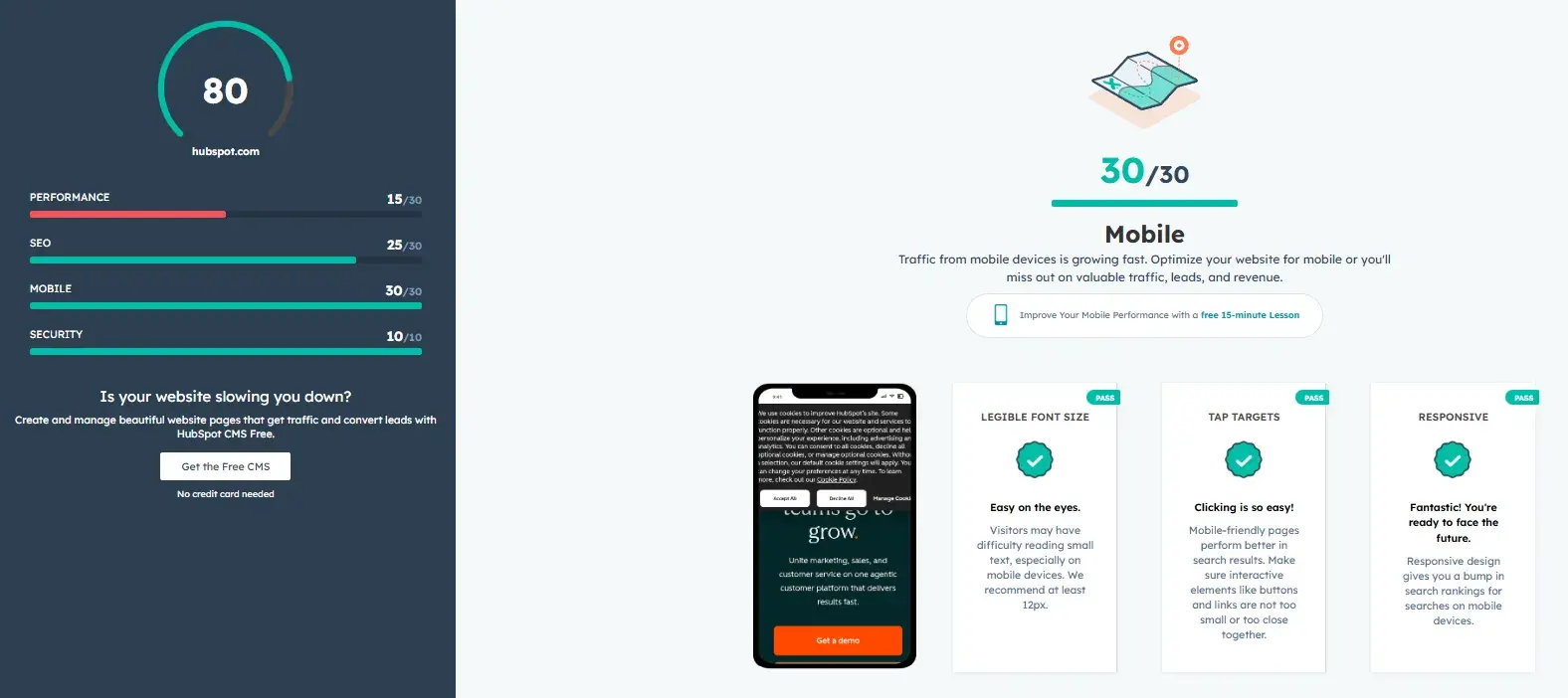
- HubSpot Website Grader: Offering a quick, jargon-free technical audit, this tool provides an initial snapshot of a website’s performance, SEO, mobile readiness, and security. It offers actionable recommendations, making it an excellent entry point for identifying foundational technical issues.
When Free Tools Reach Their Limits: The Upgrade Threshold
While free tools are excellent for initial setup and basic monitoring, small businesses inevitably reach a point where their limitations impede further growth. Common indicators that it’s time to upgrade to paid solutions include:
- Need for Deeper Data: Free tools often provide aggregated or sampled data, lacking the granularity for advanced analysis (e.g., precise daily keyword positions, extensive competitor backlink profiles, detailed historical data).
- Scaling Operations: Managing SEO across multiple websites, product lines, or geographic locations quickly overwhelms manual processes and free tool limits.
- Competitive Intelligence: To truly outmaneuver competitors, businesses need insights into their keyword strategies, backlink profiles, and content performance – data typically unavailable in free versions.
- Automation and Workflow Efficiency: As tasks become repetitive, paid tools offer automation for reporting, audits, and content optimization, freeing up valuable team time.
- Guided Recommendations and Expertise: Teams lacking deep SEO expertise benefit from paid tools that offer AI-driven suggestions, guided workflows, and plain-language explanations of complex issues.
- Attribution and ROI Proof: Connecting SEO efforts directly to leads, pipeline, and revenue requires sophisticated analytics and CRM integration, features often found in comprehensive paid platforms.
In-Depth Analysis of Essential SEO Software Categories
1. Keyword Research Tools:
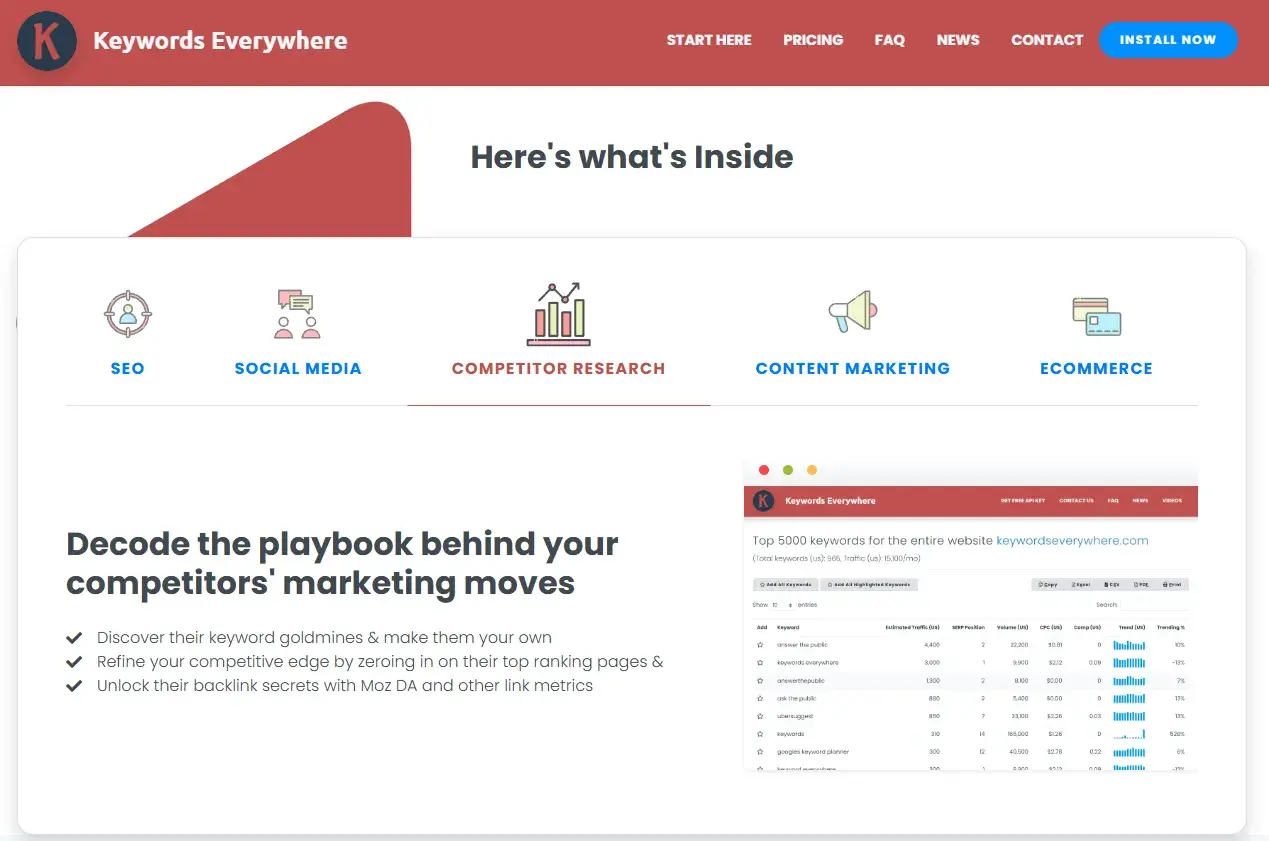
- Keywords Everywhere: A lightweight browser extension (paid, starting at $7/month) that provides instant keyword insights directly within Google SERPs. Ideal for quick topic discovery and on-the-fly analysis. Its affordability makes it a worthwhile immediate investment for active SEO users.
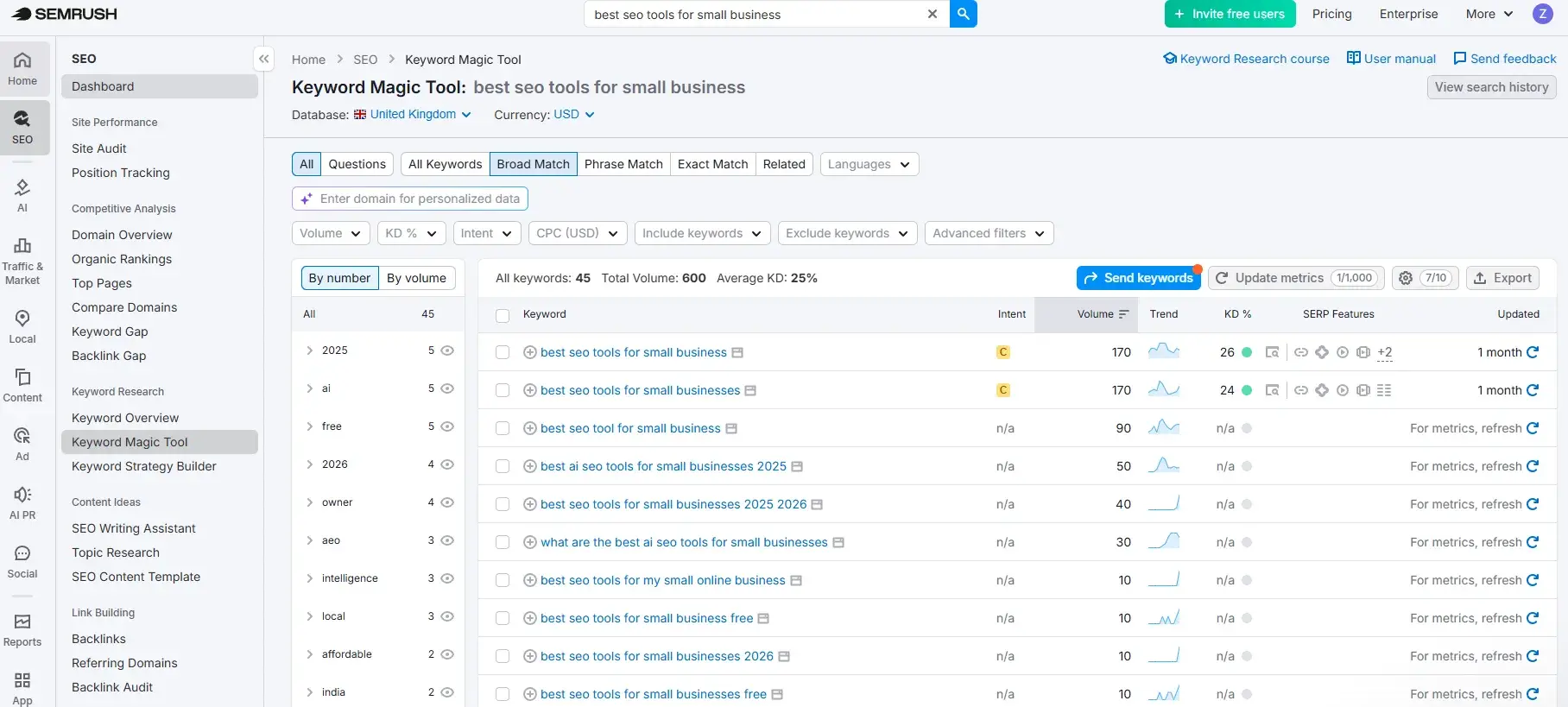
- Semrush: A comprehensive all-in-one platform (free version, paid plans from $139/month). Its Keyword Magic Tool boasts a database of over 25 billion keywords, offering advanced filtering by intent, type, and competitor analysis. Semrush is suited for businesses ready to build sophisticated content strategies and conduct deep competitive research across multiple SEO pillars.
2. Technical SEO and Site Audit Tools:
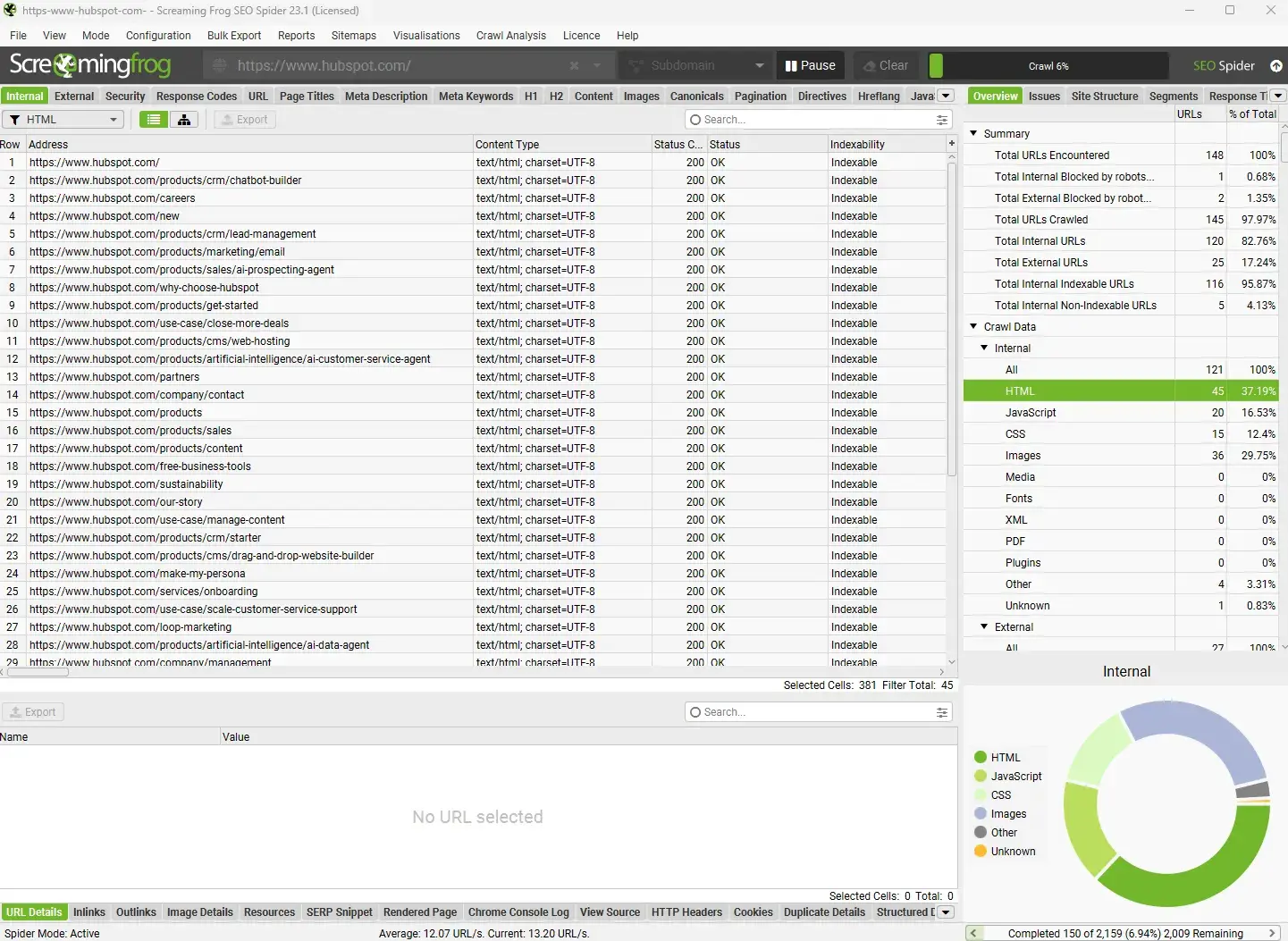
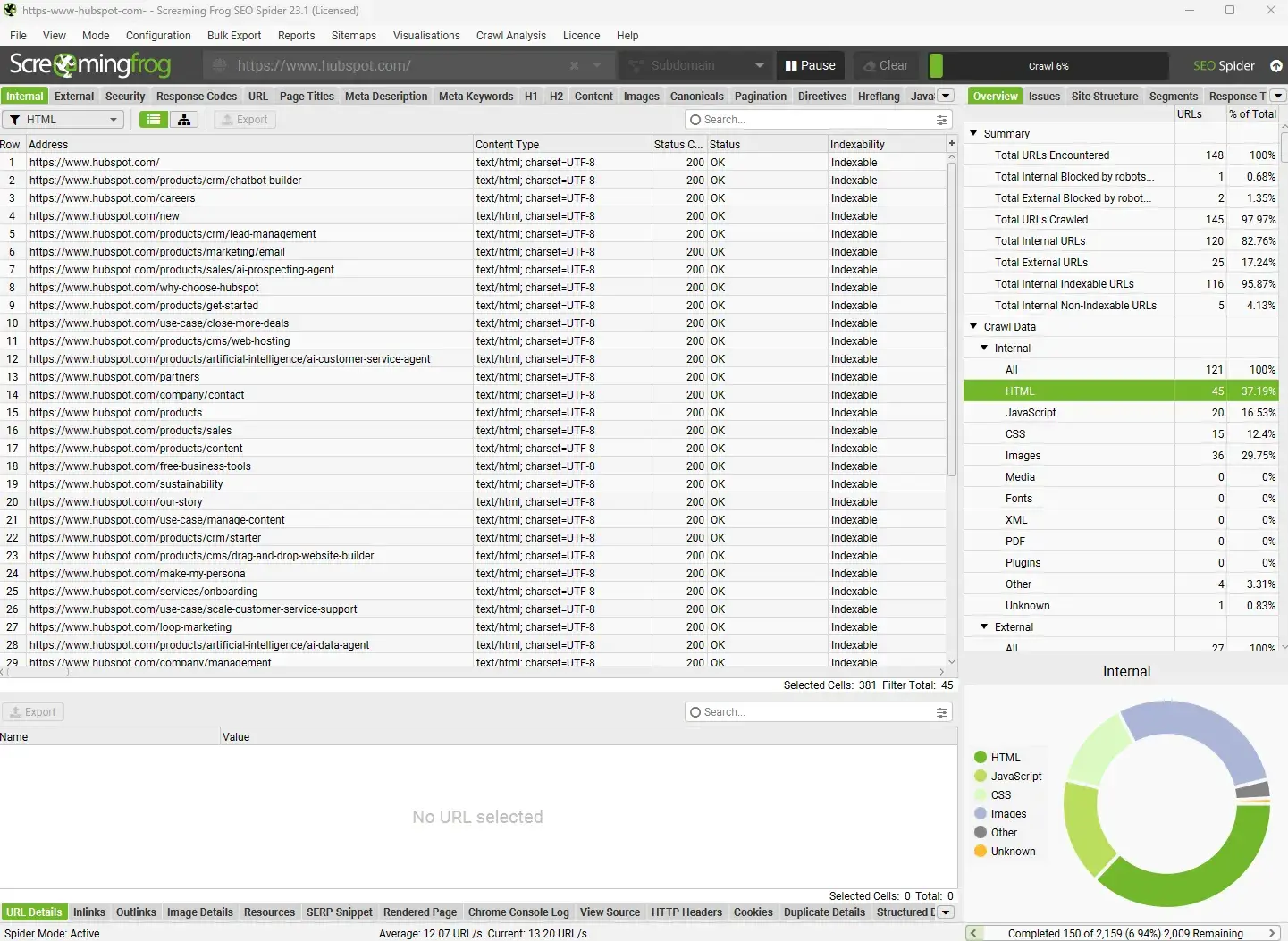
- Screaming Frog SEO Spider: A desktop-based crawler (free for up to 500 URLs, paid at $279/year) that provides a detailed technical picture of a site, including broken links, redirects, meta issues, and structured data. Highly technical, it’s best for teams comfortable with structured data and integrating with GSC/GA4 APIs for holistic analysis.
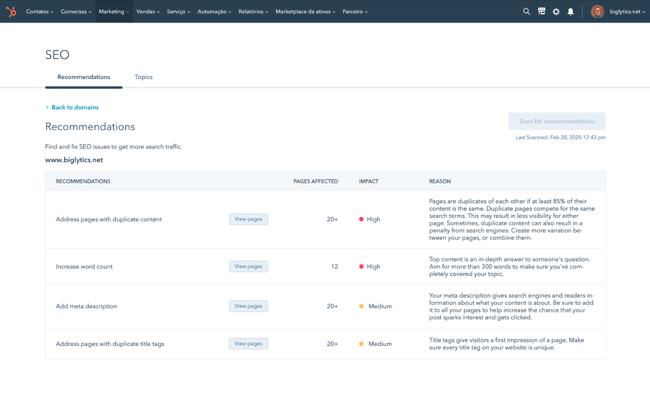
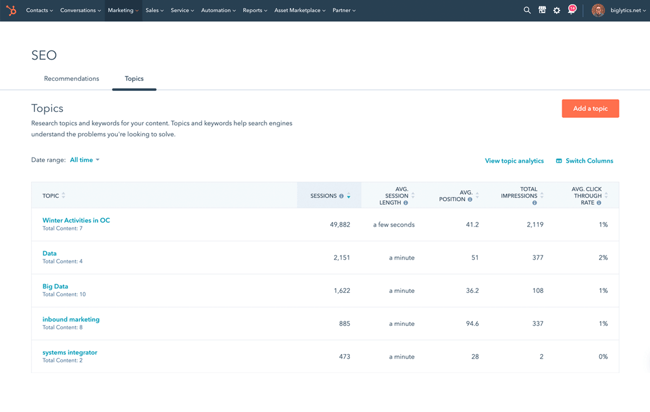
- HubSpot SEO Recommendations: Integrated within Marketing Hub (available on free and paid plans), this tool surfaces technical recommendations alongside actionable insights, issue severity, and estimated impact. Its integration within the CMS means recommendations update dynamically, and its plain-English guidance is ideal for teams without deep technical SEO expertise, helping them focus on meaningful improvements.
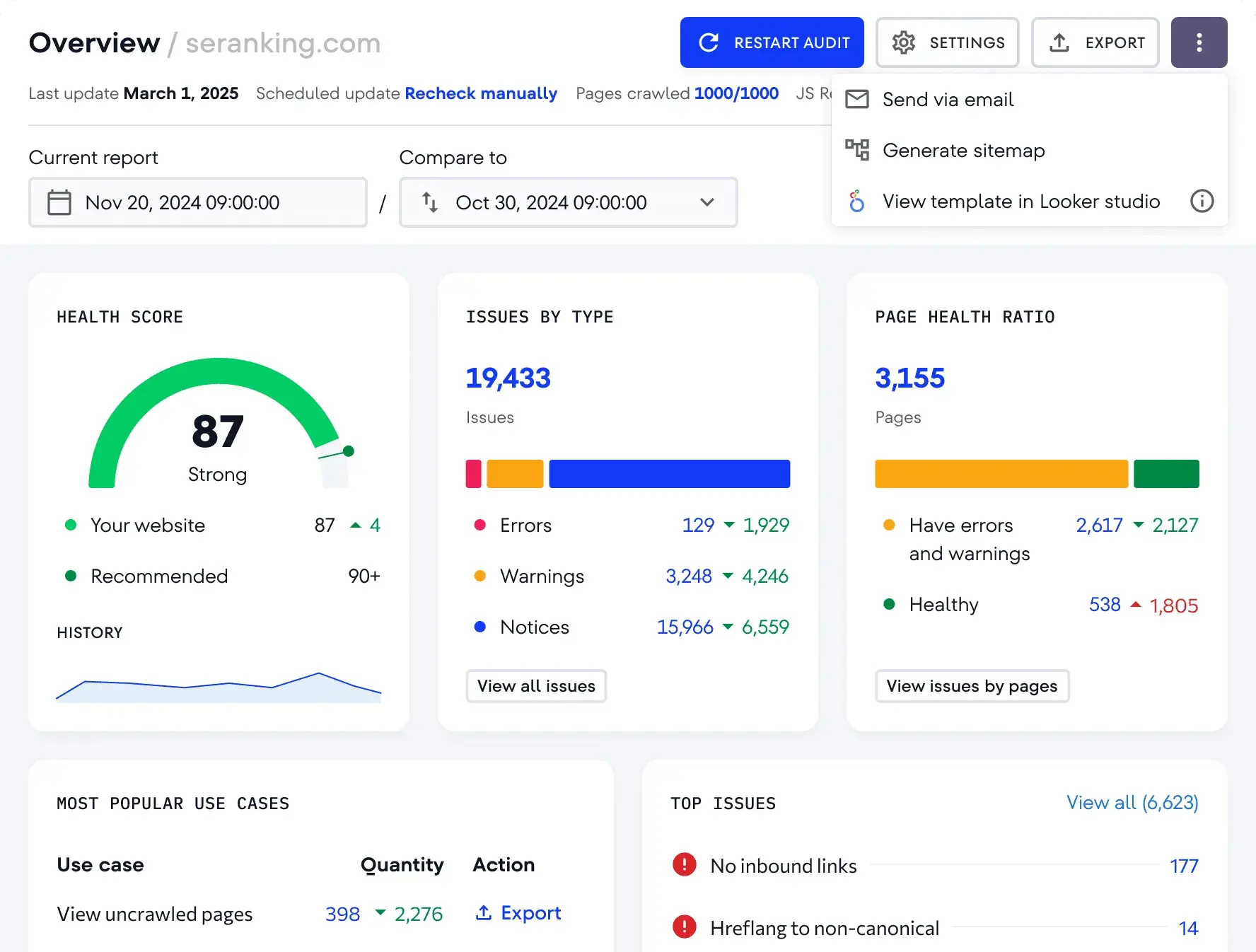
- SE Ranking: An affordable all-in-one platform (plans from $103/month) that offers a robust site audit tool, scoring websites and grouping issues by severity. It’s a strong choice for lean teams needing comprehensive capabilities without the premium price tag of some competitors.
3. Content Optimization and On-Page Tools:
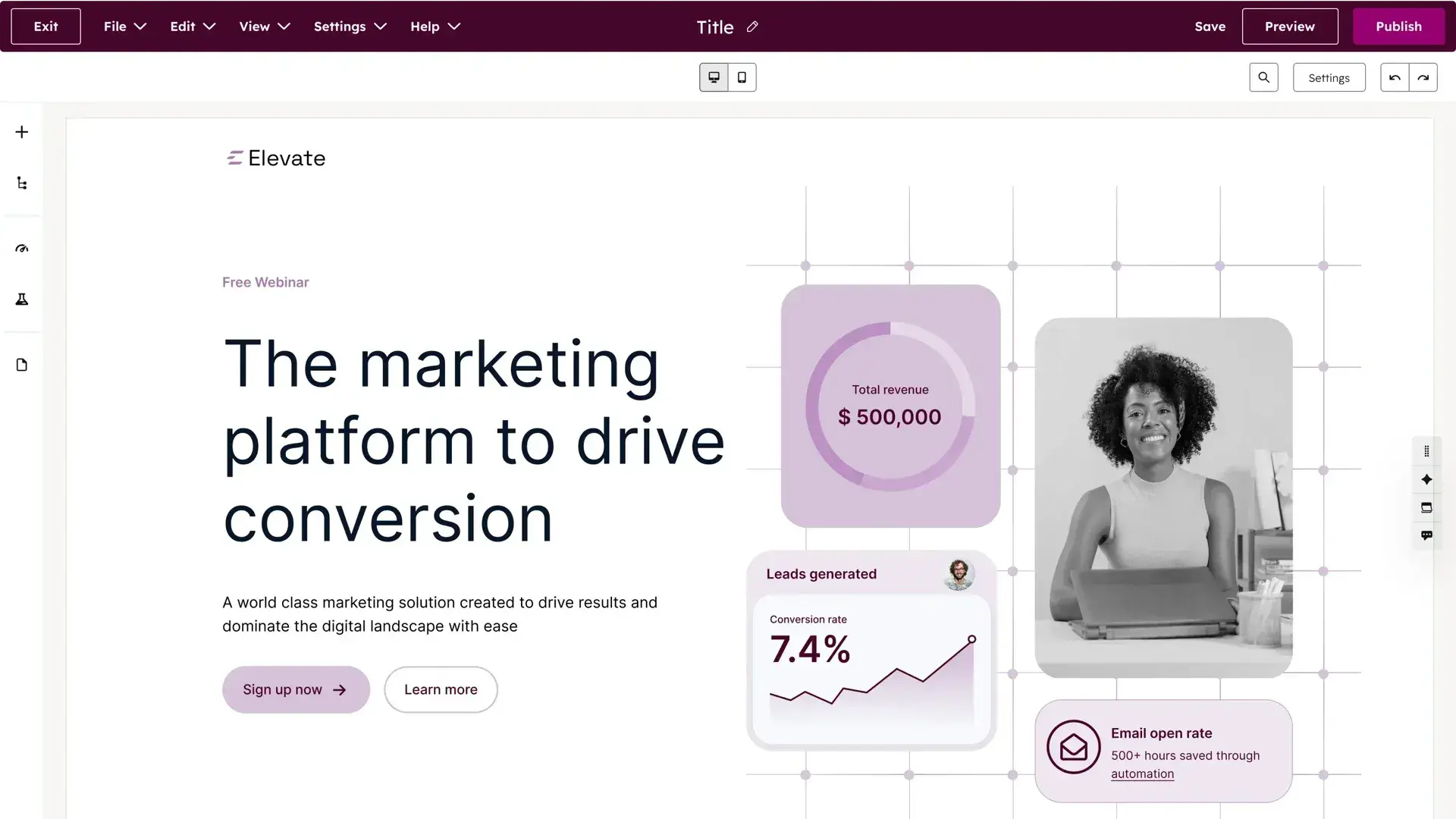
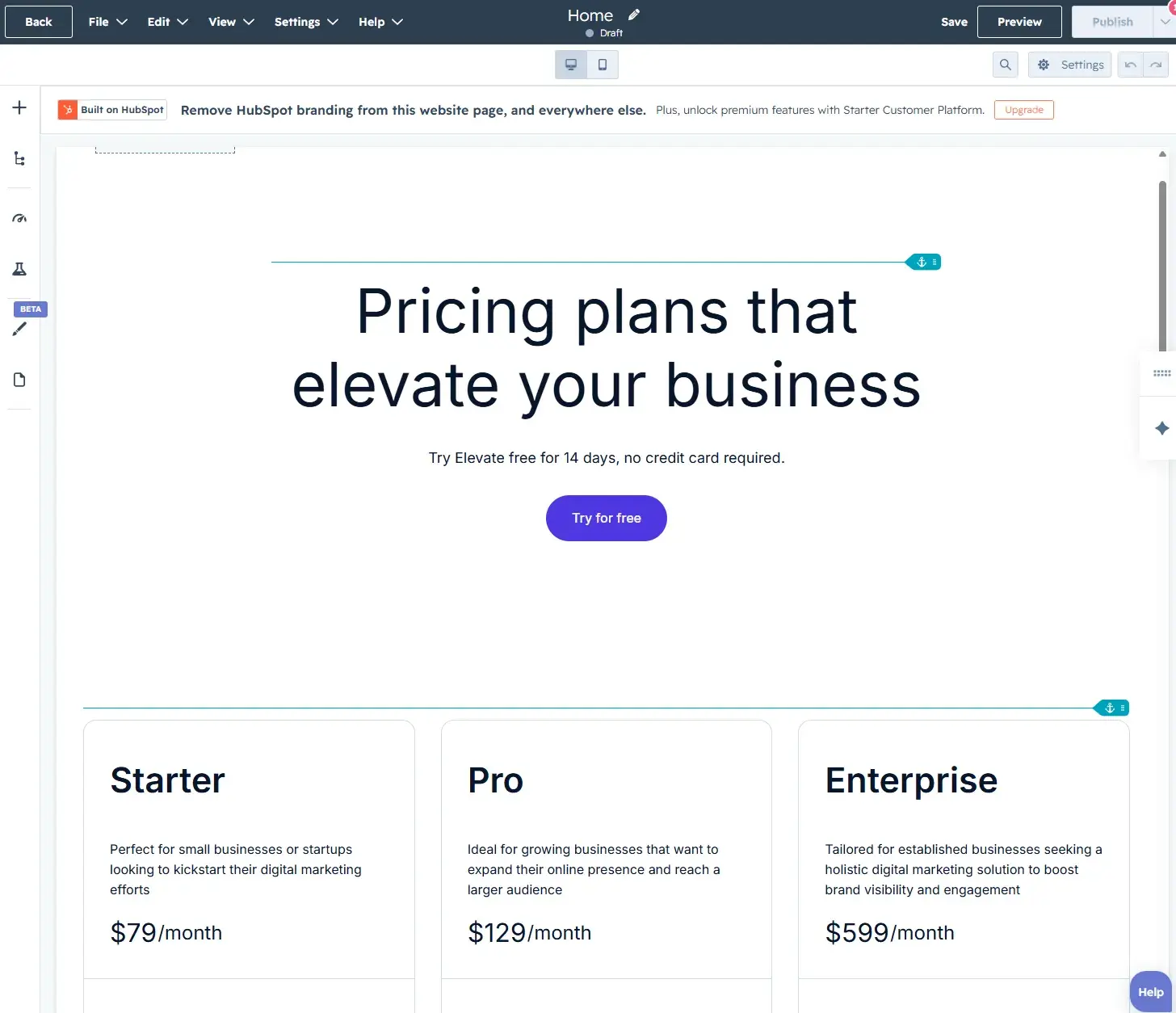
- HubSpot Content Hub: A complete content solution (free version, paid plans from $20/month) that unifies creation, optimization, and performance tracking. It offers AI-assisted writing tools, drag-and-drop page builders, and on-page SEO guidance (keyword placement, internal linking, metadata). Its integration with HubSpot CRM connects content performance directly to leads and revenue, offering unparalleled attribution.
- HubSpot SEO Performance Analysis: Part of Marketing Hub, this tool connects GSC data directly to HubSpot content and CRM, offering a live view of content performance in organic search. It tracks metrics like impressions, clicks, average position, and even offers topic cluster performance analysis, enabling data-driven content strategy.
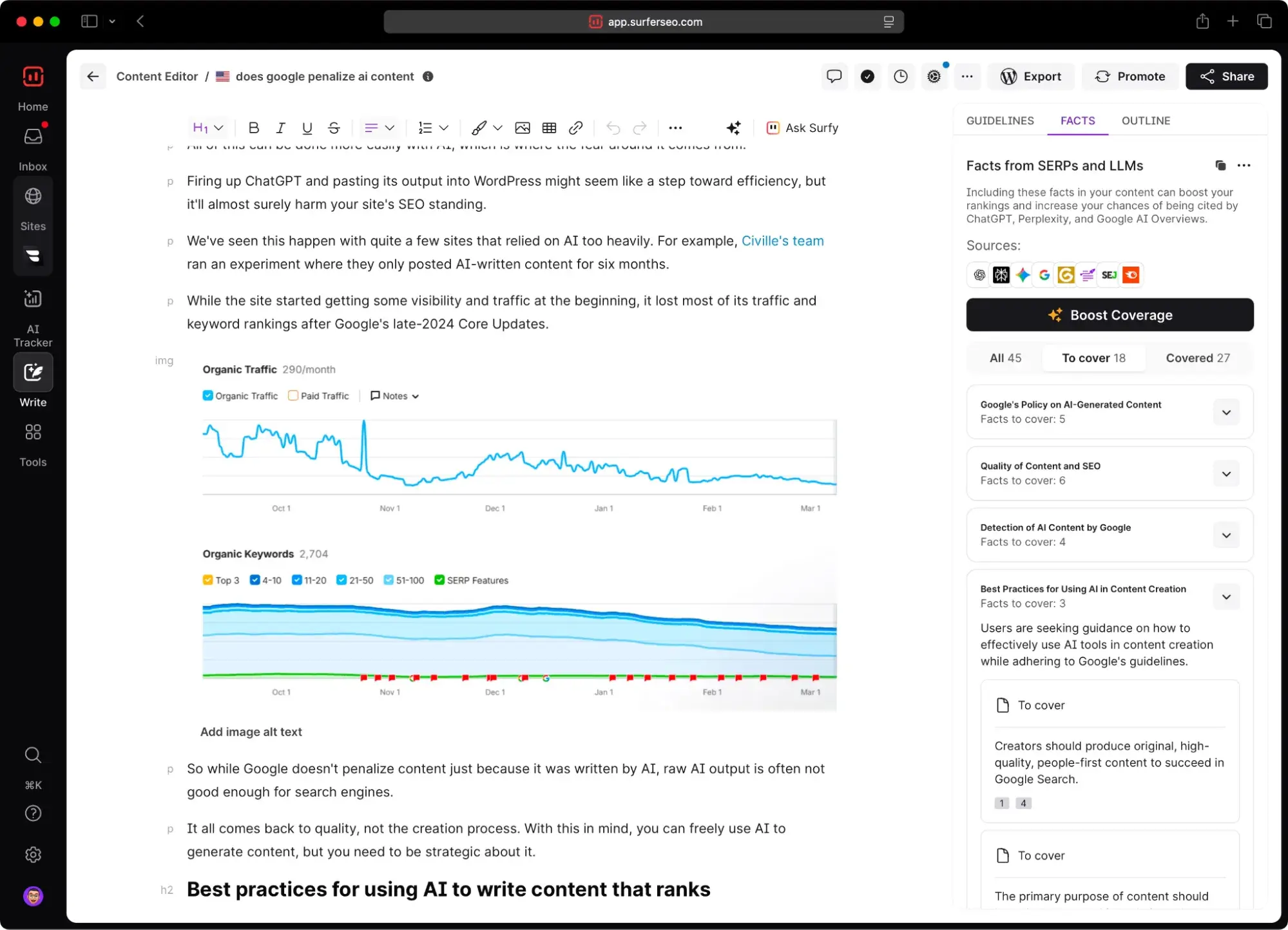
- Surfer SEO: An industry-trusted content optimization platform (plans from $99/month) that analyzes top-ranking pages for any keyword to generate a content score and specific SEO recommendations (word count, keyword density, NLP terms). It helps content teams write with SEO in mind, bridging the gap between content creation and search performance.
4. Backlink Research and Outreach Tools:
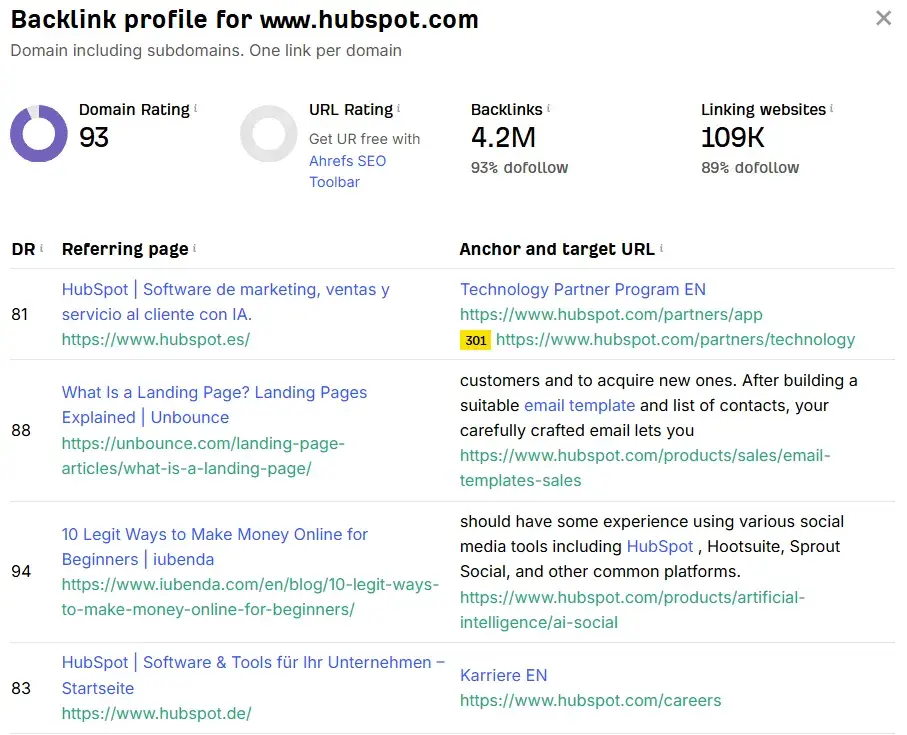
- Ahrefs: Renowned for its extensive and frequently updated link database (free version, paid plans from $29/month for Starter, $129/month for full). Ahrefs provides deep insights into competitor backlink profiles, broken link opportunities, and domain authority metrics. Essential for businesses serious about scalable link building strategies.
- Majestic: A specialist backlink tool (plans from $49.99/month) with one of the longest-running independent link databases. It excels in granular link analysis and offers proprietary metrics like Trust Flow and Citation Flow for assessing link quality. Ideal for businesses needing deep link intelligence without the broader feature set of all-in-one platforms.
5. Rank Tracking Tools:
- SERPWatcher by Mangools: A dedicated rank tracking tool (starts at $37.70/month) that provides daily position updates for specific target keywords with clear trend visualization. It offers more granular and continuous monitoring than GSC, ideal for active campaign tracking.
- HubSpot AEO: An innovative tool (standalone from $50/month or included in Marketing Hub Pro/Enterprise) that evaluates brand visibility in AI search results. It acts as a "rank tracker for the AI era," monitoring brand mentions, AI citations, query coverage, and sentiment within AI Overviews. Its CRM-powered prompt suggestions guide teams on what questions actual customers are asking AI engines.
6. Local SEO Tools:
- BrightLocal: A dedicated local SEO platform (plans from $29/month) for multi-location businesses, offering citation management, review monitoring, and local rank tracking. It helps businesses ensure accurate listings and manage their online reputation, critical for local search visibility.
- Nightwatch: Primarily a rank tracking and SEO analytics tool (paid plans from €79/month), its standout feature is highly granular location-based rank tracking, allowing businesses to monitor keyword positions at a very specific geographic level. Its free Chrome extension, Search Simulator, is excellent for quick international SERP checks. (Note: Google Business Profile is a fundamental free tool for any local business).
7. Analytics and Reporting Tools:
- Marketing Hub Analytics (HubSpot): While GA4 provides website behavior, HubSpot Marketing Hub analytics (free version, Starter from $20/month, Pro from $890/month) connects page visits directly to individuals, showing who they were, what they did next, and if they became a customer. It provides full-funnel attribution, linking SEO performance to leads, pipeline, and revenue, enabling data-driven investment decisions.
The Rise of Answer Engine Optimization (AEO) and its Implications
The advent of generative AI and AI-powered search experiences (like Google AI Overviews, ChatGPT, Perplexity AI) marks a significant evolution in the search landscape. This shift introduces Answer Engine Optimization (AEO), which focuses on optimizing content to be surfaced, summarized, and cited directly within AI-generated answers, rather than just ranking for clicks.
For small businesses, this paradigm shift necessitates an adaptation of their SEO tool stack. Traditional rank tracking remains vital, but tools like HubSpot AEO become crucial for monitoring:
- Brand Visibility Score: How often a brand appears in AI answers for tracked prompts.
- Prompt Tracking: Identifying and monitoring the specific questions customers are asking AI engines, often informed by CRM data.
- Citation Analysis: Understanding which domains and pages AI is referencing.
- Sentiment Analysis: Assessing whether a brand is mentioned positively, negatively, or neutrally, addressing potential reputation risks that traditional SEO tools wouldn’t capture.
The implication is clear: a future-proof SEO strategy for small businesses must encompass both traditional SEO for clicks and AEO for direct answers, requiring integrated tools that provide visibility across both dimensions.
Building a Future-Proof SEO Tech Stack
The best SEO tools for small businesses are those that not only address current needs but also possess the flexibility and scalability to adapt to future shifts in search behavior and business growth. An integrated approach, where SEO tools connect seamlessly with CMS, analytics platforms, and CRM systems, is paramount. This integration allows businesses to move beyond mere traffic metrics and attribute SEO efforts directly to leads, pipeline growth, and revenue.
Platforms like HubSpot, with its comprehensive SEO Marketing Software and AEO tool, exemplify this integrated philosophy. By combining technical SEO recommendations, content optimization, AI search visibility, and robust reporting within a single CRM-powered platform, it offers small businesses a unified solution that grows with them, from startup to enterprise scale. This strategic investment mitigates the risk of fragmented workflows, unexpected costs, and the need for disruptive platform changes, ensuring that SEO remains a measurable, actionable, and continuously evolving driver of business success.