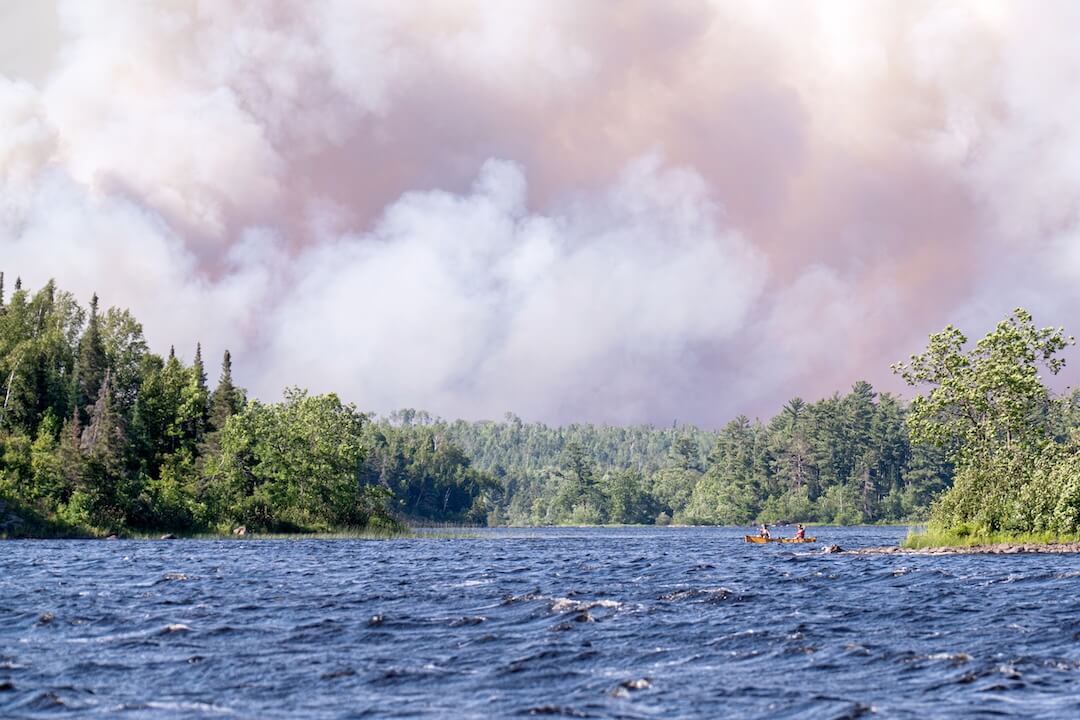
A colossal smoke column, a massive body of hot gases and particulate matter, billowed ominously into the sky, starkly visible from the city of Ely. Miles away, within the cherished expanse of the Boundary Waters Canoe Area Wilderness (BWCAW), a wildfire was rapidly spreading, igniting widespread concern across northeastern Minnesota and beyond. This escalating crisis prompted an unprecedented measure: a full closure of the Boundary Waters, only the third such event in its storied history.
The Wilderness Under Threat: An Iconic Landscape in Peril
The Boundary Waters Canoe Area Wilderness, spanning over 1 million acres of pristine forests, interconnected glacial lakes, and winding streams in northeastern Minnesota, stands as one of the nation’s most revered wilderness areas. It is a jewel of the Superior National Forest, a place where the ancient boreal forest meets the Canadian Shield, creating a unique ecosystem teeming with wildlife and offering unparalleled opportunities for solitude and primitive recreation. For generations, it has been a destination of profound significance, a place of reverence, as Josh Hinke, a news reporter for WTIP Community Radio, eloquently described it. "In the Midwest, the Boundary Waters is kind of spoken as a place of reverence," Hinke reflected, recalling how as a child he’d hear people speak of "going up to the Boundary Waters" without fully grasping its meaning, only sensing the deep respect the phrase commanded. His own first visit in his mid-20s, with his wife, solidified this understanding. "To know that true remoteness of wilderness, where you have no cell service, you have nothing but yourself and the people that you’re with, is truly unique," he stated, adding, "It’s a sense of peace that we have lost largely as a nation — as a world."
The wilderness’s rugged terrain, characterized by dense forests, rocky outcrops, and thousands of lakes and portages, while offering unparalleled beauty, also presents immense challenges for wildfire management. Lightning strikes are a common natural occurrence in the BWCAW, particularly during the dry summer months, often initiating fires that historically played a crucial role in the forest’s natural regeneration cycle. However, the conditions preceding these recent blazes were far from typical. A prolonged period of warm weather, coupled with significant drought conditions that gripped much of the region, transformed the landscape into a tinderbox, allowing naturally occurring fires to spread with alarming speed and intensity.
Chronology of a Crisis: From Smoke Plumes to Historic Closure
The visible smoke column from Ely served as an immediate, stark indicator of the rapidly escalating situation. "Once you see that smoke column, that’s a big indication that the fire is growing rapidly and moving," observed Nick Wognum, publisher of The Ely Echo. "Based on where the fire was located and how close it was to Ely, we knew this was going to be a big story."
The primary fires driving this crisis included the John Ek Fire and the Whelp Fire, both ignited by lightning in early August. The John Ek Fire, located southeast of Ely, was particularly concerning due to its proximity to popular entry points and its aggressive growth. Later, the Greenwood Fire, also lightning-caused and situated southwest of Isabella, exploded in size, becoming the largest and most destructive of the blazes, eventually burning tens of thousands of acres.
As these fires consumed vast tracts of the wilderness, rapidly expanding under persistent dry, windy conditions, the scale of the threat became undeniable. Firefighting efforts, complicated by the remote, roadless nature of the BWCAW, necessitated aerial attacks, extensive ground crews deploying hoses and hand tools, and strategic containment lines. Incident Management Teams from across the country were mobilized, bringing specialized resources and expertise to battle the blazes.
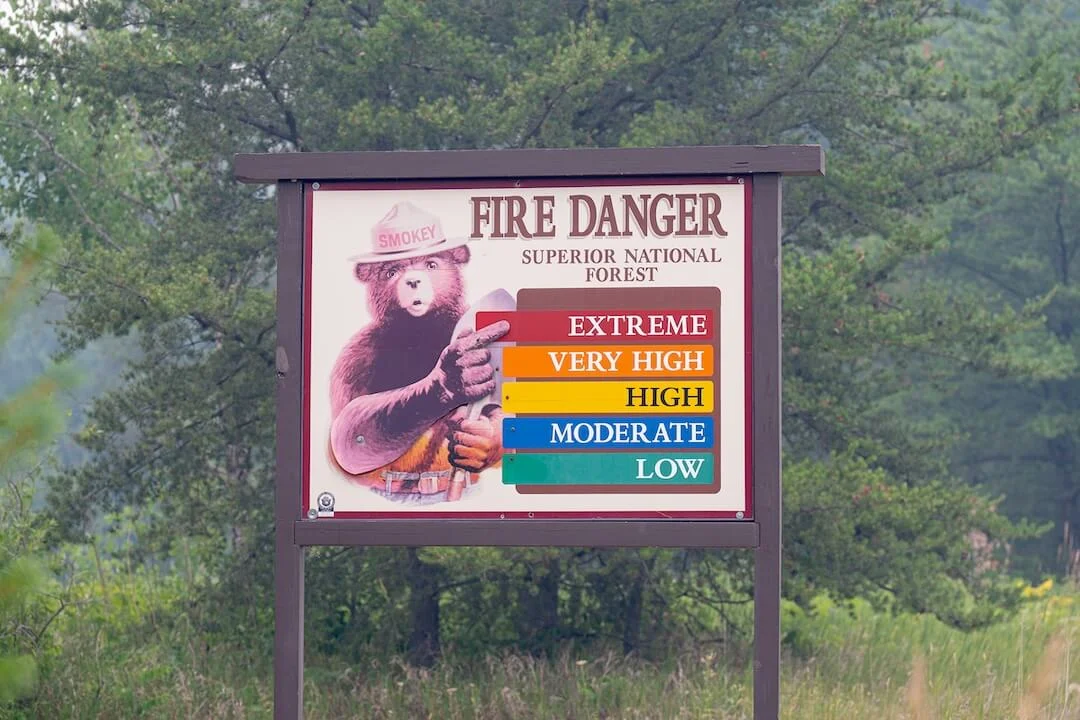
The mounting concern over the safety of visitors and the potential for fires to spread beyond the wilderness boundaries, combined with the extreme fire danger ratings, led the federal government to make a historic decision. On August 21, 2021, the U.S. Forest Service announced a full closure of the entire Boundary Waters Canoe Area Wilderness. This drastic measure, affecting all permits for entry, camping, and day use, marked only the third time in the wilderness’s history that such a comprehensive closure had been enacted, underscoring the severity of the crisis. The previous full closures occurred in 1976 due to extreme fire danger and in 1978 for a major blowdown event. This 2021 closure immediately impacted thousands of visitors and hundreds of businesses reliant on BWCAW tourism.
The Battle on the Ground and in the Air: A Logistical Challenge
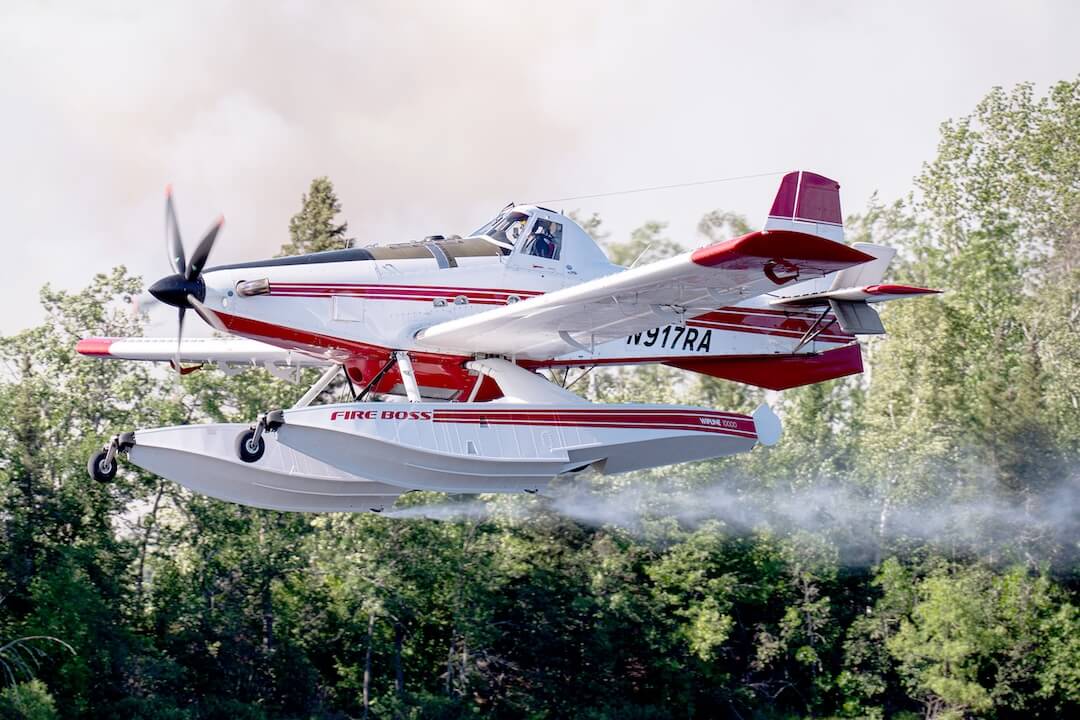
Fighting wildfires in the BWCAW is an arduous and complex undertaking. The wilderness designation prohibits mechanized travel, meaning firefighters often rely on canoes, portages, and helicopters for transport of personnel and equipment. This remoteness, while preserving the area’s wild character, significantly complicates access for suppression efforts. Crews must hike long distances, carry heavy gear, and establish camps in challenging terrain. Air support, including water-scooping planes and helicopters, became indispensable, dropping thousands of gallons of water and fire retardant to slow the fires’ advance and protect critical areas.
The U.S. Forest Service, leading the charge, coordinated a multi-agency response involving state and local fire departments, national guard units, and incident management teams from various regions. Public information officers provided daily updates on fire behavior, containment percentages, and operational strategies. The sheer scale of the operation highlighted the dedication and bravery of the firefighters battling the blazes in incredibly difficult and dangerous conditions.
Echoes of Impact: Local Economies and Communities
Beyond the immediate environmental destruction, the wildfires and subsequent closure cast a long shadow over the local communities surrounding the BWCAW, particularly Ely and Grand Marais. These towns, serving as primary gateways to the wilderness, are deeply intertwined with the tourism economy it generates. Outfitters, resorts, bait shops, restaurants, and retail stores rely heavily on the influx of summer visitors to sustain their operations, often carrying them through the leaner winter months.
"The story extended well beyond the environmental impact, threatening local businesses and the tourism that helps drive the region’s economy," the original article noted, capturing the dual crisis facing these communities. The rare full closure meant cancelled reservations, empty campsites, and a sudden, precipitous drop in tourist traffic.
Tom Coombe, editor at The Ely Echo, voiced a significant concern regarding external media coverage. He felt that some larger regional outlets, particularly Twin Cities television stations, painted an "almost apocalyptic" picture of the area, which, while perhaps capturing the severity of the fires, inadvertently deterred visitors from the broader region. "When, in fact, Ely is very much open for business," Coombe asserted. "I think the coverage has scared people away from our town, and it’s a time when our businesses in town are relying on summer visitors. So that’s been a concern or, I would say, disappointing to me." This highlights the delicate balance local newsrooms face in accurately reporting a crisis without unduly harming the economic well-being of their community.
The ripple effects were immediate. Kalli Hawkins, news director at WTIP, observed that "a bunch of smoke that moved down from Canada, blanketed all of us here, and pretty much a lot of people canceled their trips to Grand Marais." As the area headed into its peak season, the economic fallout for seasonal businesses was particularly acute, jeopardizing their ability to weather the off-season.
A Haze Over the Midwest: Regional Air Quality Concerns
The impact of the Boundary Waters wildfires was not confined to the immediate vicinity of the blazes. Massive smoke plumes, carried by prevailing winds, spread hundreds of miles, blanketing large swaths of Minnesota and neighboring states with a thick haze. This led to significant deterioration in air quality, prompting health advisories and affecting daily life for millions.
In Duluth, approximately 80 miles south of the Boundary Waters, the air quality became "horrible," according to Kit Grode, managing editor of The Duluth News Tribune. She cited alarming figures: "The scale for air quality tops out at about 300. That’s what’s considered hazardous: ‘Don’t go outside. It’s really terrible for you.’" Yet, in Duluth, "two hours away from the closest wildfire — not even the biggest, just the closest — our air quality was 1,100 something." This staggering figure underscores the widespread and severe nature of the smoke impact, posing serious health risks, particularly for vulnerable populations.
Even further south, some 200 miles from the fires, Jennifer Lewerenz, news director of KNSI, a radio station out of St. Cloud, described a similarly noxious environment. "It tasted like a house fire," she recounted. "It smelled horrendous. It was one of those where you just go outside and you just turn around and you go back inside." These experiences brought the distant wilderness crisis directly into urban and suburban homes, making the fires a statewide concern.
The Indispensable Role of Local Journalism in a Crisis
Amidst the chaos and uncertainty, local news outlets emerged as indispensable lifelines for their communities. Facing extraordinary circumstances with limited resources, journalists at WTIP Community Radio in Grand Marais and The Ely Echo mobilized to provide accurate, timely, and hyper-local information.
WTIP’s newsroom, comprising just two people – Josh Hinke and Kalli Hawkins – along with a total staff of nine, transformed into an "all-hands-on-deck" operation. They understood their critical role. "We are seen as a local source of information here within our community," Hawkins stated, emphasizing the mutual value shared between the station and its listeners. In the early days of the fires, this meant relentless tracking and dissemination of information. "Every single hour on air, from 7 a.m. to 10 p.m., we were breaking in at the top of every hour and providing the latest updates and information that we had," Hawkins detailed. Beyond radio broadcasts, WTIP innovated, publishing live updates on their website, livestreaming community meetings, and sharing crucial information on social media. Matthew Brown, WTIP’s executive director, noted the increasing importance of visual media: "These days, over-the-air broadcast is wonderful, but the visual media that we’re putting out, we know, is very popular. People really like to see that. I think people engage more visually. This is coming from a radio guy."
At The Ely Echo, a weekly newspaper, the fires forced a complete re-evaluation of their operational tempo. "Usually in a week, you’re just working toward one specific deadline toward the end of the week, to get the paper together," explained editor Tom Coombe. "Where this is ongoing — it’s day after day after day after day of updates. What’s current on Monday will not be current when the paper comes out on Saturday." Despite these challenges, the small staff diligently worked to cover the fires from multiple angles, dispatching photographers to the scene, and leveraging excellent stringers. The community’s response was overwhelmingly positive, with newsstand sales soaring and new subscriptions pouring in. Nick Wognum recounted instances of people "grabbing them out of the delivery guys’ hands to the different stores in town."
The local perspective offered by these outlets was crucial. As Wognum highlighted, The Ely Echo’s viewpoint differed significantly from larger regional outlets because its staff lived within the community, experiencing the story firsthand. This intimate understanding allowed them to provide nuanced coverage, including advocating for their local businesses against potentially damaging broader narratives.
Journalists like Jennifer Lewerenz at KNSI, while distant from the immediate fire lines, keenly appreciated the "top-notch" coverage provided by these smaller, front-line newsrooms. "We’re human beings, and we’re watching a place that is in our backyard burn. And there’s nothing we can do about it," she reflected, praising their comprehensive approach. "The radio stations and the newspapers have just been doing an outstanding job of posting when community meetings are. They’re livestreaming the U.S. Forest Service updates, in their programming they’re doing interviews with officials from the U.S. Forest Service, from Lake, Cook and St. Louis Counties, from emergency management. I mean, they have just been able to attack this from all angles, and these are small towns. These are not highly staffed newsrooms."
Broader Implications: Ecology, Climate, and Future Management
The Boundary Waters wildfires underscored several critical long-term implications for wilderness management, ecological health, and the broader context of climate change. While destructive in the short term, fire is a natural and often beneficial component of boreal forest ecosystems. Many species, including jack pine and black spruce, are fire-dependent, relying on the heat of a blaze to release seeds from their cones and clear older, diseased vegetation, making way for new growth. As Jennifer Lewerenz’s husband reminded her, "some fires can ultimately be beneficial. It’s how forests regenerate." Her hopeful sentiment, "I think it’ll be OK. Nature has a way of shaking itself out," reflects an ecological truth, though the scale and intensity of these particular fires, fueled by drought, raised concerns about the speed and character of that regeneration.
Scientists widely agree that climate change is increasing the frequency and intensity of extreme weather events, including prolonged droughts and heatwaves, which contribute to more severe wildfire seasons. The conditions that amplified the Boundary Waters fires are consistent with these broader climate trends, suggesting that such events may become more common in the future. This necessitates a re-evaluation of wilderness management strategies, potentially including controlled burns in specific areas to reduce fuel loads and restore a more natural fire regime, even within designated wilderness areas where human intervention is typically minimized.
The fires also brought into sharp focus the complex interplay between wilderness preservation, economic viability of surrounding communities, and public safety. Future management plans will likely need to balance these competing interests, developing more robust communication strategies and potentially even exploring new ways to support local economies through periods of crisis.
Resilience and Recovery: A Community United
Despite the immense challenges, the spirit of the affected communities remained strong. The overwhelming gratitude expressed to local journalists, including the heartfelt gesture of a pizza delivery to the WTIP staff (margherita for Hinke, pepperoni and sausage for the rest), exemplified the deep connection and mutual support within these tight-knit towns.
As WTIP entered a new phase of its coverage, focusing on "how these impacts [are] impacting our businesses and tourism," it signaled a transition from immediate crisis reporting to long-term recovery narratives. The commitment of these local newsrooms to "be here till the end" is a testament to their dedication, understanding that the fires’ legacy would extend far beyond their active burning.
The Boundary Waters Canoe Area Wilderness will heal, as it has from past disturbances. The forests will regenerate, perhaps with a slightly altered composition, but its fundamental character as a wild, untamed place will endure. The communities of Ely and Grand Marais, and others impacted by the fires, will also adapt and rebuild, drawing on their resilience and the unique spirit forged by living on the edge of one of America’s last great wildernesses. The 2021 wildfires served as a stark reminder of nature’s power, the vulnerability of human communities, and the irreplaceable value of both wilderness and the local voices that tirelessly inform and unite their people through crisis.