Netflix Reveals $587 Million Acquisition of Ben Affleck’s AI Filmmaking Startup, InterPositive

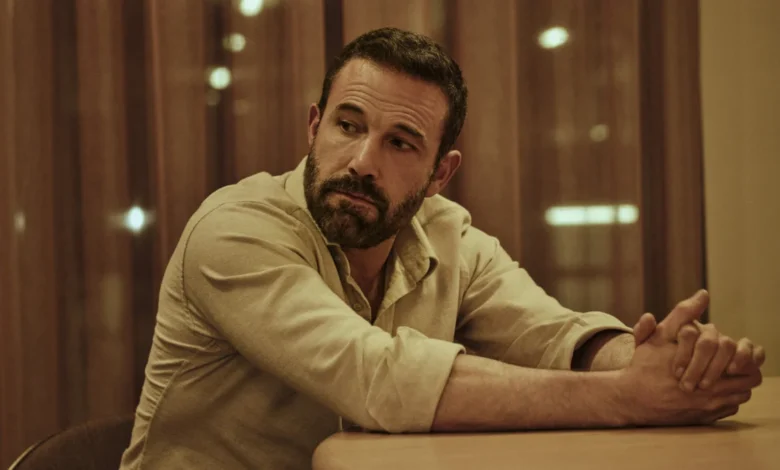
In a significant regulatory filing that has sent ripples through the entertainment and technology sectors, Netflix has officially disclosed the substantial financial details of its acquisition of InterPositive, an artificial intelligence-driven filmmaking startup co-founded by acclaimed actor and director Ben Affleck. The streaming giant confirmed a cash payment of $587 million for the innovative company, a figure that sheds light on the strategic importance Netflix places on the burgeoning field of AI in content creation and post-production.
The acquisition, initially announced with considerable fanfare in March, marked a pivotal moment for both Netflix and the creative industry. At the time of the initial announcement, Affleck articulated a vision for InterPositive that centered on augmenting, rather than replacing, human creativity. His statement, emphasizing the desire to "protect the power of human creativity," underscored the company’s core philosophy: to empower filmmakers by providing them with advanced AI tools designed to overcome the myriad of challenges inherent in the filmmaking process. According to Affleck, InterPositive’s proprietary AI technologies are engineered to enhance visual fidelity and address common post-production hurdles, such as rectifying missing shots, seamlessly integrating background elements, and correcting problematic lighting conditions. These capabilities promise to streamline workflows, reduce costs, and ultimately elevate the quality of visual storytelling.
While the initial announcement confirmed that the entire InterPositive team would transition to Netflix, with Affleck taking on a senior advisor role, the financial specifics of the deal remained undisclosed. This confidentiality fueled considerable speculation within the industry. A subsequent report from Bloomberg, citing sources familiar with the matter, suggested a potential valuation of up to $600 million, a figure that now appears to have been remarkably close to the final transaction amount. The detailed disclosure in Netflix’s latest regulatory filing provides concrete evidence of the substantial investment the streaming giant is making in AI-powered production technologies.
This substantial investment aligns with a broader trend within Netflix and the wider streaming landscape. The company recently revealed in its second-quarter earnings report that a significant portion of its content library is already leveraging generative AI. Approximately 300 of Netflix’s titles have, in the past year, incorporated generative AI in some capacity, signaling a growing reliance on these advanced tools for various aspects of content creation and optimization. The acquisition of InterPositive, with its focus on post-production enhancement, represents a strategic deepening of this commitment, moving beyond experimental applications to acquiring core technology and expertise.
The Genesis of InterPositive and the Strategic Rationale for Netflix
The story of InterPositive began with a vision to harness the power of artificial intelligence to address persistent pain points in the filmmaking process. Founded by Ben Affleck, a director and actor with a deep understanding of the creative and technical demands of Hollywood, alongside a team of seasoned AI and visual effects professionals, the company set out to develop AI algorithms capable of intelligently analyzing and manipulating film footage. The goal was not to automate creative decisions but to provide filmmakers with sophisticated tools that could automate labor-intensive tasks and correct imperfections, thereby freeing up creative talent to focus on storytelling and artistic vision.
Affleck’s involvement lent significant credibility and industry clout to InterPositive. His experience on numerous film sets, from directing blockbusters like "Argo" and "The Town" to starring in major productions, provided him with an intimate knowledge of the practical challenges faced by directors, cinematographers, and post-production teams. This firsthand understanding informed the development of InterPositive’s technology, ensuring it was designed to be practical, effective, and adaptable to real-world production environments.
For Netflix, the acquisition of InterPositive represents a multi-faceted strategic move. Firstly, it grants the company direct access to cutting-edge AI technology that can significantly enhance its content pipeline. By integrating InterPositive’s tools, Netflix can potentially reduce the time and cost associated with post-production, allowing for faster turnaround times on new projects and more efficient utilization of its vast production resources. This is particularly relevant in a highly competitive streaming market where the ability to consistently deliver high-quality content is paramount.
Secondly, the acquisition signals Netflix’s ambition to be at the forefront of technological innovation in filmmaking. By investing in AI, Netflix is positioning itself to shape the future of content creation, potentially setting new industry standards and influencing how films and series are produced globally. This proactive approach to technological adoption can provide a significant competitive advantage, attracting top creative talent who are eager to work with the most advanced tools available.
A Chronology of the Acquisition
The journey from InterPositive’s inception to its acquisition by Netflix is a testament to the rapid evolution of AI in the creative industries. While the exact founding date of InterPositive is not publicly detailed, its emergence as a notable player in AI filmmaking likely occurred within the last few years, coinciding with the accelerated development and application of generative AI technologies.
Early Development and Vision: InterPositive, co-founded by Ben Affleck, began developing its suite of AI-powered tools aimed at addressing post-production challenges in filmmaking. The company focused on creating algorithms that could intelligently assist in tasks such as shot correction, visual enhancement, and the resolution of production anomalies.
March 2026: Netflix officially announces its intention to acquire InterPositive. The announcement highlights Affleck’s vision for the company and its potential to revolutionize filmmaking. At this stage, the financial terms of the deal are not disclosed, but the full InterPositive team is slated to join Netflix, with Affleck taking on a senior advisory role.
March 2026 (Later): Following the initial announcement, reports emerge suggesting the potential scale of the deal. Bloomberg, citing industry sources, speculates that the acquisition could be worth as much as $600 million, indicating the high value placed on InterPositive’s technology and talent.
June 30, 2026: In its latest regulatory filing, Netflix officially discloses the financial details of the InterPositive acquisition, confirming a cash payment of $587 million. This filing provides the definitive financial confirmation of the transaction.
Second Quarter 2026 Earnings Report: Netflix reveals that approximately 300 of its titles have already utilized generative AI in some capacity during the year, underscoring the company’s ongoing integration of AI into its content production and post-production workflows.
This timeline illustrates a swift and decisive acquisition process, driven by Netflix’s clear strategic objectives and InterPositive’s demonstrated technological capabilities.
Supporting Data and Industry Context
The $587 million price tag for InterPositive, while substantial, can be contextualized by the rapidly growing market for AI in media and entertainment. The global market for AI in media is projected to experience significant growth in the coming years. Reports from various market research firms indicate a compound annual growth rate (CAGR) of over 25% for this sector, with valuations expected to reach tens of billions of dollars within the next decade. This expansion is fueled by the increasing demand for personalized content, efficient production pipelines, and innovative storytelling techniques, all of which can be augmented by AI.
The use of AI in post-production, specifically, offers tangible benefits that justify such investments. For example, the manual process of color grading or visual effects compositing can be incredibly time-consuming and expensive. AI tools can automate many of these tasks, reducing the need for extensive human labor and accelerating project timelines. Studies have shown that AI-powered solutions can reduce post-production costs by as much as 30-40% in certain areas. Furthermore, AI can enable the creation of visual effects that were previously too complex or costly to achieve, opening up new creative possibilities.
Netflix’s proactive embrace of AI is not an isolated phenomenon. Other major studios and streaming services are also investing heavily in AI technologies. Companies are exploring AI for script analysis, predictive audience engagement, automated content moderation, and even the generation of preliminary visual concepts. However, Netflix’s acquisition of a dedicated AI filmmaking startup like InterPositive represents a more direct and integrated approach to acquiring core technological capabilities. This move suggests a strategic intent to embed AI deeply within its production ecosystem, rather than relying solely on third-party solutions.
Official Responses and Industry Reactions
Upon the initial announcement of the acquisition in March, Ben Affleck expressed his enthusiasm for the partnership, stating, "I am incredibly proud of what we have built at InterPositive. Our mission has always been to empower filmmakers with tools that enhance their creative vision and overcome technical hurdles. Joining forces with Netflix, a company that shares our passion for innovative storytelling, will allow us to scale our impact and bring these advanced capabilities to a global audience. We believe that AI should serve creativity, not replace it, and that is precisely the ethos we will continue to champion at Netflix."
Netflix executives have also lauded the acquisition, emphasizing its strategic importance. While specific quotes directly tied to the $587 million disclosure are not yet widely published, the company’s broader statements about AI integration point to a positive outlook. In previous earnings calls, Netflix leadership has highlighted the company’s commitment to leveraging technology to improve efficiency and enhance the viewer experience. The acquisition of InterPositive is undoubtedly a significant step in realizing these objectives.
Industry analysts and observers have largely reacted positively to the news, albeit with a degree of cautious optimism. The substantial investment signals a serious commitment from a major player in the industry, which could accelerate innovation and adoption of AI in filmmaking. However, concerns about the potential impact of AI on creative jobs and the ethical implications of AI-generated content remain a subject of ongoing discussion. The key, many believe, will be the responsible and collaborative integration of these technologies, ensuring they augment human talent rather than displace it.
Broader Impact and Implications
The $587 million acquisition of InterPositive by Netflix carries significant implications for the future of filmmaking and the broader entertainment industry.
Accelerated AI Adoption in Post-Production: This high-profile acquisition is likely to spur increased investment and development in AI-powered post-production tools across the industry. Competitors will be compelled to enhance their own technological offerings to remain competitive.
Shift in Production Workflows: The integration of InterPositive’s technology could lead to a fundamental shift in how films and series are produced. Post-production workflows may become more streamlined and efficient, potentially reducing overall production times and costs. This could enable faster content creation cycles and allow for more experimental or ambitious projects to be undertaken.
Talent Acquisition and Development: Beyond the technology, Netflix has acquired a team of skilled AI engineers and visual effects specialists. This influx of talent will bolster Netflix’s internal capabilities and potentially attract further top-tier talent to the company. It also raises questions about the future of specialized post-production roles and the need for upskilling and reskilling within the workforce.
Democratization of Advanced Filmmaking Tools: While the initial cost of such advanced technology might seem prohibitive, the long-term goal of AI integration is often to make sophisticated tools more accessible. As these technologies mature and are integrated into widely used platforms, they could potentially lower the barrier to entry for independent filmmakers and smaller production houses, enabling them to achieve higher production values.
Ethical Considerations and Creative Integrity: The acquisition also reignites important conversations about the role of AI in creative endeavors. While Affleck’s stated intention is to protect human creativity, the increasing sophistication of AI tools necessitates ongoing dialogue about authorship, originality, and the ethical boundaries of AI-generated content. Netflix’s leadership in this area will be closely watched.
Competitive Landscape: This strategic move by Netflix strengthens its position in the highly competitive streaming market. By investing in proprietary technology that can enhance content quality and production efficiency, Netflix aims to maintain its leadership and attract and retain subscribers in an increasingly crowded landscape. The success of InterPositive’s integration will be a key indicator of Netflix’s ability to leverage technology for sustained growth.
In conclusion, the $587 million acquisition of InterPositive by Netflix is a landmark event that underscores the transformative potential of artificial intelligence in the realm of filmmaking. It represents a significant financial commitment to the future of content creation, signaling Netflix’s intent to lead the industry in technological innovation and creative enhancement. The coming years will reveal the full extent of this strategic investment and its impact on how stories are told and experienced by audiences worldwide.