Navigating the modern public relations landscape requires a delicate balance of crisis management, strategic positioning, and unwavering transparency. In an era defined by political friction, regulatory pressure, and fractured media ecosystems, communications professionals face unprecedented hurdles. This week’s PR roundup explores three distinct industry developments: MapQuest’s record-breaking resurgence following a geopolitical naming dispute, the U.S. Postal Service’s delicate information campaign amid mail-in voting confusion, and alarming new research detailing the rapid erosion of public trust in corporate communications. Together, these case studies offer a masterclass in how modern brands must adapt to an increasingly skeptical public.
MapQuest Soars to No. 1 Amid Lake Ontario Naming Controversy
In one of the most unexpected brand revivals of the digital age, mapping pioneer MapQuest surged to the No. 1 spot in the U.S. Apple App Store’s mapping category and reached No. 8 overall on August 30. This historic milestone marks the highest ranking the 30-year-old navigation brand has achieved in its storied history. According to company metrics, app downloads skyrocketed to approximately 50 times their normal baseline following a calculated, yet understated, positioning decision.
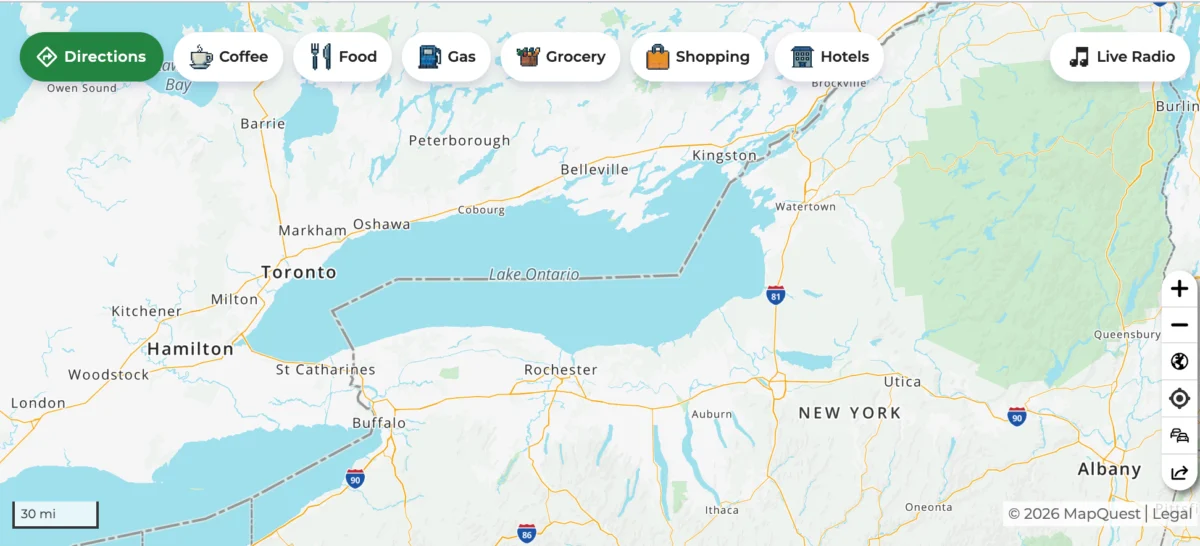
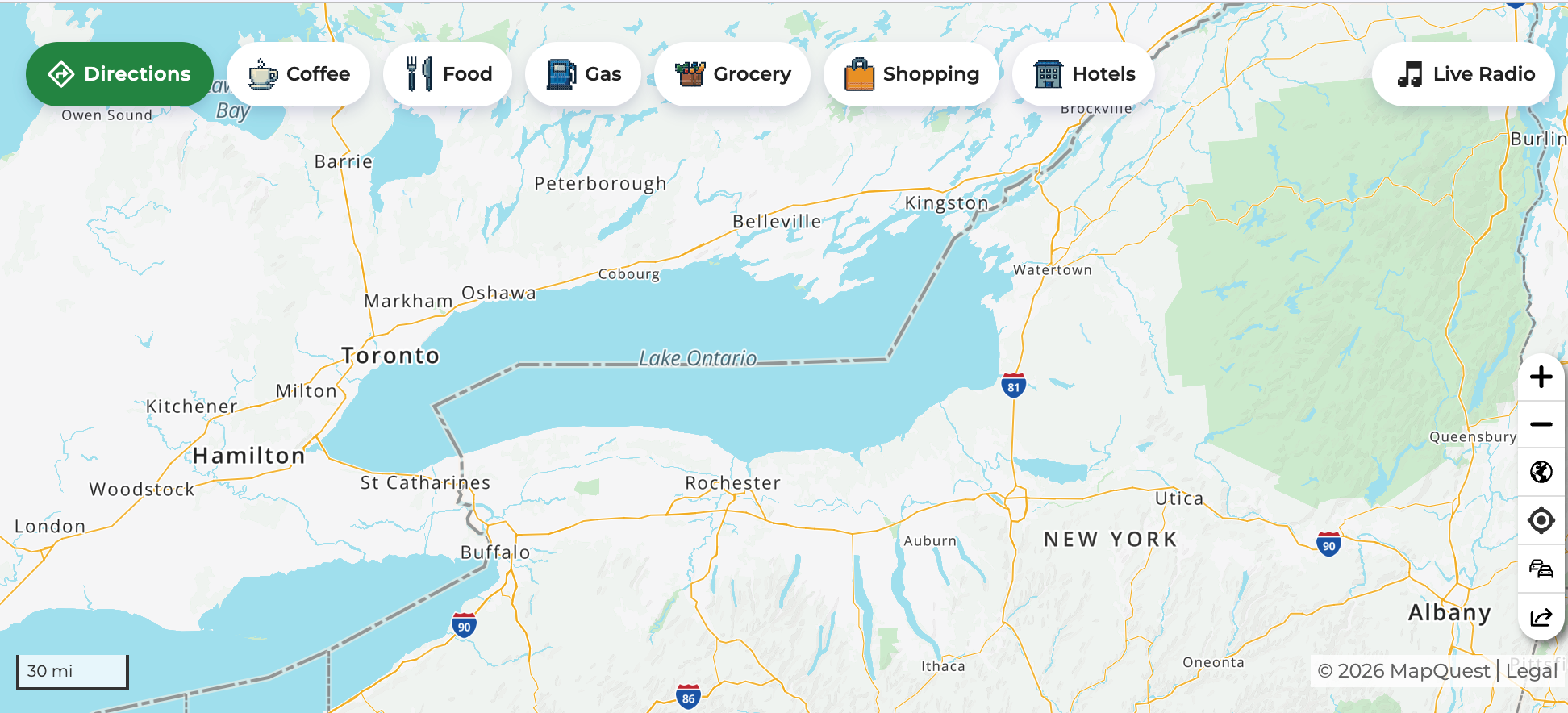
The controversy began when major tech platforms, including Apple Maps and Google Maps, updated their software to reflect a federal executive decision. Following a trade dispute with Canada, the administration ordered the renaming of Lake Ontario to "Lake America." While industry giants fell in line, MapQuest chose a different path: it retained the traditional name of Lake Ontario while deploying a user-friendly interactive tool, allowing individuals to customize their map preferences.
This maneuver mirrors a playbook MapQuest executed earlier in the administration’s tenure when the Gulf of Mexico was controversially renamed the Gulf of America. Rather than issuing a politically charged manifesto, MapQuest launched a dedicated microsite enabling users to designate geographic names according to personal preference. By refusing to lecture its audience while offering tangible utility, MapQuest successfully tapped into consumer fatigue regarding corporate conformity.
Communication experts point out that MapQuest’s triumph underscores the power of finding a distinct lane. A recent study by Adtaxi reveals that 42% of consumers prefer brands that remain politically neutral and focus squarely on product delivery. By avoiding explicit partisanship while standing firm on consumer familiarity, MapQuest achieved organic visibility that no traditional marketing budget could manufacture.
However, industry observers warn that the broader implications of such geopolitical naming disputes carry systemic risks for the corporate sector. Brett Bruen, president of the Global Situation Room and a former U.S. diplomat, highlights that the administration’s pressure on private entities to align with political directives creates hazardous terrain for brand management.
"The case of Lake Ontario is just the latest reflection of the administration applying unprecedented pressure on private companies to fall in line with their policies and political preferences," Bruen states. While capitulation may seem like an expedient way to evade regulatory retribution, Bruen cautions that long-term brand equity often suffers when companies sacrifice consumer trust for short-term political appeasement.
USPS Navigates Public Information Crisis Over Mail-In Voting Portal
As midterm mail-in voting preparations get underway, the U.S. Postal Service (USPS) finds itself at the center of a complex legal and public relations storm. A federal court order has successfully blocked key components of the administration’s sweeping mail-voting directives, plunging election administration into a state of regulatory uncertainty.
Complicating matters further, a whistleblower report submitted to Senator Richard Blumenthal (D-Conn.) brought forth serious allegations regarding the rushed development of the new Federal Ballot Mail Portal. Designed to enable state election officials to process absentee voter data under executive orders, the technology was reportedly deployed without adequate testing. In response to mounting public scrutiny, USPS issued a formal statement on September 1, noting that agency leadership is "carefully reviewing" the reported concerns.
For public relations professionals, the USPS response offers a critical lesson in crisis communication: when facts remain unsettled, managing public understanding is just as critical as managing legal exposure. In an environment oversaturated with conflicting court rulings, executive mandates, and whistleblower disclosures, the postal service anchored its messaging in verifiable realities. The agency emphasized that participation in the portal remains entirely voluntary for election officials, that its operations strictly comply with current court orders, and that contested ballot-verification mandates remain stayed. Furthermore, the agency leaned heavily on its historical institutional capital, reminding the public of postal workers’ dedication to upholding democratic integrity.
Despite these efforts, communication analysts debate the efficacy of such institutional messaging. John Guilfoil, principal of John Guilfoil Public Relations, argues that the USPS statement reflects a broader shift toward "strategic nonresponsiveness" within contemporary crisis communication.
"There’s ‘bad ineffective’ comms and then there’s ‘bad effective’ comms," Guilfoil observes. "The Trump administration does the latter. Every word uttered by a member of the communications staff is part of a very carefully choreographed strategy."
Guilfoil contends that in an era characterized by a diminished and understaffed news media, political communicators frequently utilize deliberately vague language to manage news cycles without making binding commitments. He stresses that the public relations industry must proactively address these evolving tactics by upholding rigorous ethical standards, such as those championed by the Public Relations and Communications Association (PRCA), and actively calling out deviations from professional communication norms.
The Deepening Corporate Credibility Crisis
While political actors manipulate institutional messaging, corporate America is confronting its own profound crisis of trust. A comprehensive national survey conducted by the crisis communications firm Resonant Advisory Group in partnership with DHM Research reveals that corporate credibility is thin, fragile, and actively declining.
The empirical findings paint a grim picture for brand communicators:
- A mere 5% of American adults find corporate statements to be "completely credible."
- An overwhelming 63% of respondents report that corporate crisis communications have grown less believable over the past year alone.
- One-third of consumers approach corporate messaging with outright skepticism before a company has even issued a public statement.
Erik Moser, president of Resonant Advisory Group, attributes this widening trust deficit to a fundamental disconnect between corporate rhetoric and daily operational reality. "Companies and communicators have stretched credibility to its potential limits," Moser notes. "The solution is a focus on the fundamentals: the daily interactions, simplifying language, and protecting credibility."
Moser points out that credibility is rarely established by a single press release or shattered by a single misstep; rather, it is continuously accumulated or depleted through ordinary operational decisions. For instance, when corporations announce record financial profits while simultaneously executing massive workforce reductions, the internal and external hypocrisy damages public trust. When a genuine operational crisis eventually strikes, the depleted reservoir of public goodwill leaves organizations vulnerable to widespread disbelief.
To reverse this downward trajectory, experts urge communicators to reevaluate their operational priorities. Effective crisis management requires treating credibility as a daily discipline rather than an emergency response framework. Communicators must ensure that public statements directly address core consumer concerns, utilize accessible, jargon-free language, and provide transparent data that empowers audiences to make informed judgments.
Ultimately, the converging challenges faced by MapQuest, the USPS, and corporate brand leaders point to a singular truth: in an increasingly skeptical world, authenticity and clarity are no longer optional—they are the foundational pillars of organizational survival.