
The digital publishing landscape has undergone a significant transformation over the past decade, shifting away from social media algorithms toward direct-to-consumer communication channels. At the center of this resurgence is email newsletter software, which has evolved from a basic broadcasting tool into a sophisticated ecosystem for audience development and monetization. Within this competitive market, two platforms have emerged as dominant forces: Beehiiv and ConvertKit. While conventional software reviews typically position these two Email Service Providers (ESPs) as direct adversaries in a winner-take-all contest, experienced digital publishers increasingly recognize that their architectural differences serve distinct business models.

An examination of these platforms reveals that choosing between Beehiiv and ConvertKit is not a matter of identifying a universally superior product, but rather aligning platform capabilities with specific publication goals, subscriber economics, and technical requirements.
Platform Evolution and Market Positioning
The evolution of email service providers mirrors the changing monetization strategies of independent creators. Established years ago, ConvertKit positioned itself as the premier tool for creators, authors, and coaches selling digital products. Its architecture was built around advanced tagging systems, behavioral automation, and sales funnels, making it a favorite among solopreneurs whose monetization strategy relies on high-value offerings to a targeted audience.

Conversely, Beehiiv entered the market more recently, founded by former Morning Brew executives who understood the mechanics of media properties driven by ad revenue and subscriber acquisition loops. Beehiiv was engineered from the ground up to support high-volume, media-style newsletters where subscriber counts are high, but the individual value per subscriber might be lower compared to high-ticket consulting or specialized online courses.
Financial Considerations and Cost Structures
One of the most critical factors for digital publishers when selecting an ESP is the pricing model, particularly as subscriber lists scale. The financial disparity between Beehiiv and ConvertKit becomes starkly apparent when analyzing enterprise-level subscriber tiers.

ConvertKit operates on a tiered pricing model that scales rapidly with subscriber growth. For example, maintaining a database of approximately 19,000 subscribers on ConvertKit can cost upwards of $279 per month. This pricing structure reflects the platform’s robust automation and tagging capabilities, charging users for the computational overhead required to track granular subscriber behavior.
In contrast, Beehiiv offers a significantly more aggressive scaling model for high-volume publishers. A publisher managing upwards of 47,000 subscribers—and utilizing multiple publication options—can expect to pay approximately $99 per month, with certain plans accommodating up to 100,000 subscribers for a flat fee. For publishers operating lifestyle blogs, general interest content, or high-volume curated newsletters where the primary monetization method is driving web traffic or displaying programmatic advertisements, Beehiiv’s cost structure provides a distinct economic advantage.

Writing Editors and Content Creation Workflows
The day-to-day user experience of drafting and dispatching broadcasts heavily influences productivity. A comparison of the writing interfaces reveals divergent philosophies in user interface design.
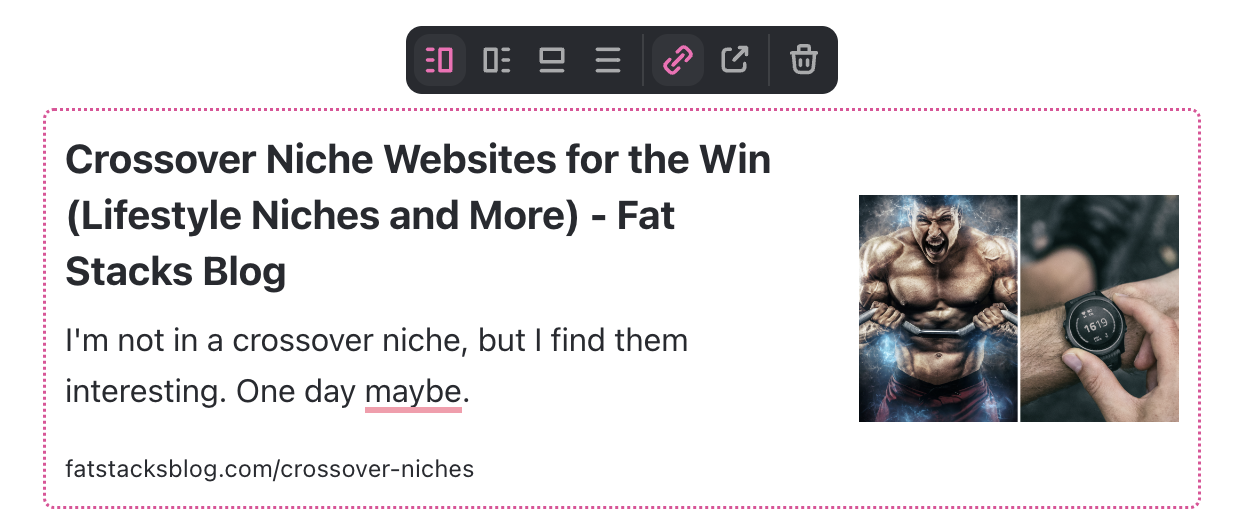
Beehiiv’s native editor is widely regarded for its modern, flexible design capabilities. It enables publishers to construct visually appealing newsletters with minimal friction. A standout feature within Beehiiv’s editor is its automated URL embedding tool. When a publisher inputs a link to an article, the system automatically pulls the featured image, title, and metadata, formatting it into a clean card layout. For curated newsletters that regularly aggregate content from across the web, this functionality drastically reduces production time.

ConvertKit, while reliable for plain-text and standard HTML emails, employs a more rigid editing environment. A frequently cited operational friction point among ConvertKit users is the historical absence of a reliable "undo" function within specific iterations of its editor. Accidental deletions of extensive text blocks can create significant operational setbacks. While ConvertKit excels in delivering text-heavy emails that mimic personal correspondence, it lacks the native multimedia layout flexibility found in Beehiiv.
Integrations and Third-Party Ecosystems
When evaluating technical infrastructure, the ability of an ESP to integrate seamlessly with third-party software—such as learning management systems, cart software, and conversion tools—is paramount.

ConvertKit was built with integration at its core. It maintains native, out-of-the-box connections with virtually every major e-commerce, course-hosting, and lead-generation tool on the market, including Teachable, WooCommerce, and specialized landing page builders. This eliminates the need for middleman automation platforms like Zapier or Integrately, reducing both monthly overhead and the risk of integration breakages.
Beehiiv, while expanding its native integrations, relies more heavily on third-party webhook connectors and automation software for complex third-party software stacks. For publishers whose business model depends on a complex web of sales funnels, course platforms, and specialized checkout systems, ConvertKit offers a more frictionless technical environment.

Automations, Segmentation, and Behavioral Rules
Automated workflows represent the operational backbone of advanced digital marketing. In this category, ConvertKit holds a decisive advantage over Beehiiv.
ConvertKit’s visual automation builder, combined with its tagging and custom field architecture, allows for sophisticated behavioral segmentation. Publishers can track precise user actions—such as clicking a specific link, purchasing a course, or completing a quiz—and automatically route subscribers through tailored multi-step email sequences. This level of granular segmentation is essential for businesses selling high-ticket items, where messaging must adapt dynamically to the buyer’s journey.

Beehiiv offers sequencing and basic automation capabilities, but its framework is less robust. While sufficient for welcoming new subscribers or delivering a standard drip campaign, it lacks the deep behavioral tagging logic that complex sales funnels require.
Monetization Mechanisms and Growth Infrastructure
Both platforms have recognized that helping publishers grow and monetize directly within the platform is a powerful retention tool. However, their approaches reflect their target demographics.
Beehiiv has heavily invested in native growth and monetization tools. Its internal Ad Network connects newsletter operators with sponsors, allowing publishers to insert sponsored content into their emails and earn revenue on a cost-per-click basis. Additionally, Beehiiv features integrated "Boosts" (a paid recommendation network), referral programs that reward readers for bringing in new subscribers, and "Magic Links" that allow seamless cross-subscription between multiple publications managed by the same creator.
ConvertKit relies on the Creator Network—a peer-to-peer recommendation system operating on a quid pro quo basis—and integrates with external networks like Sparkloop to facilitate reader acquisition and sponsor revenue. While effective, particularly in business-to-business niches, ConvertKit’s native suite of monetization tools is less expansive than Beehiiv’s out-of-the-box offerings.

Strategic Implications for Publishers
The choice between Beehiiv and ConvertKit ultimately hinges on the economic model of the publication and the technical complexity of the business.
Publishers operating in high-volume, lower-per-subscriber niches—such as general hobbies, entertainment, lifestyle, or broad curation—benefit immensely from Beehiiv. Its cost-efficiency at scale, superior multimedia editing tools, and built-in viral growth mechanisms make it an optimal platform for audience expansion and advertising-driven revenue models.

Conversely, publishers operating in high-value verticals—such as B2B services, specialized finance, software-as-a-service, or online education—will find ConvertKit’s advanced automation, deep third-party integrations, and rigorous segmentation capabilities indispensable. In these high-stakes environments, the ability to nurture leads through complex behavioural funnels justifies the higher platform cost.
Ultimately, the maturation of email service providers offers modern publishers unprecedented flexibility. By understanding the core competencies of both Beehiiv and ConvertKit, content creators can select the infrastructure that best supports their financial objectives and operational workflows.