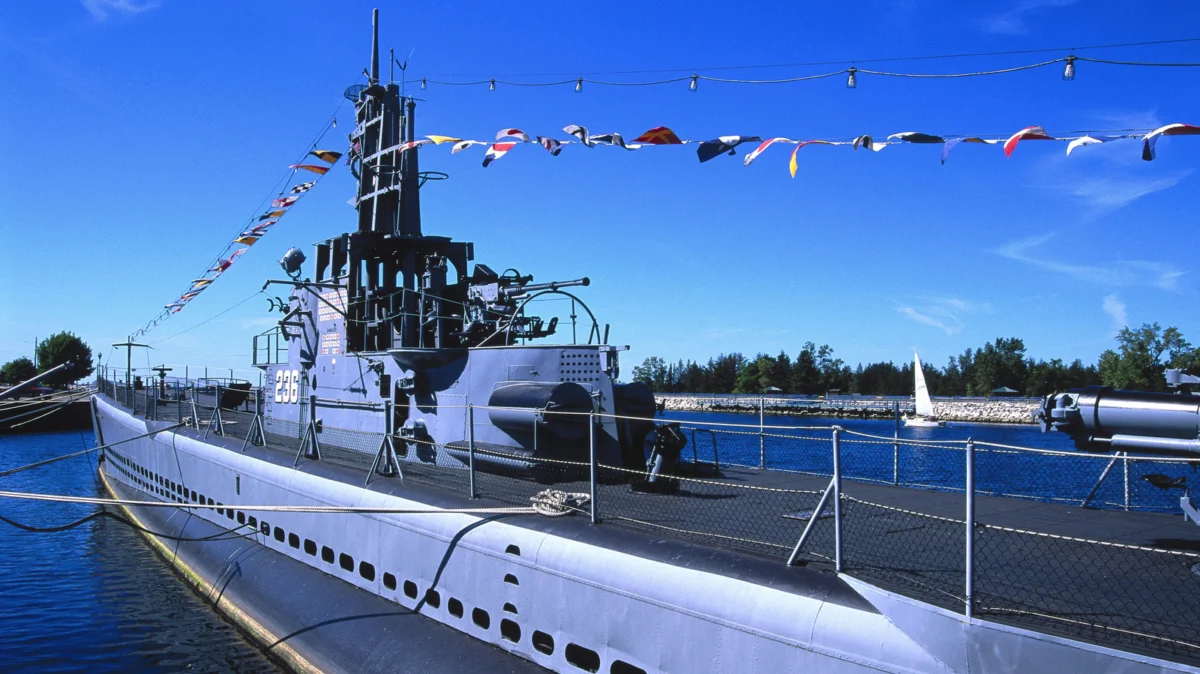
The USS Silversides, a legendary submarine that played a pivotal role in the Pacific theater during World War II, has embarked on a significant journey across Lake Michigan to undergo its first major repairs in five decades. This historic undertaking, which required a 20-hour tow without its propellers, highlights the ongoing efforts to preserve this vital piece of American naval history for future generations. The Gato-class submarine, a symbol of American naval prowess during the war, is currently dry-docked at Fincantieri Bay Shipbuilding for an extensive restoration project estimated to cost $3.5 million.
A Journey Across the Great Lakes
The USS Silversides, a veteran of 12 combat patrols and credited with sinking 23 Japanese vessels totaling over 90,000 tons of shipping, was moved from its permanent home at the USS Silversides Submarine Museum in Muskegon, Michigan, to Sturgeon Bay, Wisconsin. This unusual transit across Lake Michigan was necessitated by the need for specialized facilities to conduct the comprehensive repairs. The submarine, which still retains its operational diesel engines, was meticulously towed, a process that underscored the delicate nature of preserving such a historic vessel. The journey itself is a testament to the engineering and logistical planning involved in maintaining a floating museum of this magnitude.
The relocation process was a significant logistical undertaking. Given the Silversides’ unique operational status as a preserved museum piece, its movement required careful coordination. While the submarine’s propellers were not engaged for propulsion during the tow, the vessel’s weight and dimensions necessitated specialized tugboats and a planned route to navigate the vast expanse of Lake Michigan. The 20-hour transit likely involved a combination of open-water towing and potential maneuvering through channels, all under watchful eyes to ensure the safety of the vessel and surrounding maritime traffic.
A Half-Century of Preservation and the Need for Restoration
The USS Silversides has been a cherished attraction at the Muskegon museum since 1979, serving as a tangible link to the sacrifices and triumphs of World War II sailors. Its last dry-docking occurred over 50 years ago, a testament to the robust construction of these Gato-class vessels. However, the passage of time and the harsh marine environment have taken their toll, making this extensive repair and restoration project not just a matter of preservation but also one of ensuring the submarine’s structural integrity and public safety.
The estimated $3.5 million cost of the repairs reflects the comprehensive nature of the work required. This includes a thorough structural inspection, cleaning of the hull, repairs to the steel plating, and the application of new protective coatings. These measures are crucial to prevent further corrosion and degradation, ensuring the Silversides can continue to serve as an educational resource for decades to come. The project aims to safeguard the submarine against the elements and the rigors of its static display environment.
Historical Significance and Operational Prowess
The USS Silversides (SS-214) was commissioned on December 15, 1941, just days after the attack on Pearl Harbor plunged the United States into World War II. As a Gato-class submarine, it belonged to the first generation of American submarines mass-produced during the war. While perhaps not as widely known in popular culture as their German U-boat counterparts, American submarines like the Silversides played a critical role in crippling Japanese supply lines and naval power in the Pacific.
The Gato-class submarines, while not as agile in their diving capabilities as some contemporary British and German designs, offered significant improvements in crew comfort for the era. Features such as air conditioning and dedicated bunks for every sailor were considered luxuries in the demanding conditions of wartime service. These advancements contributed to the morale and effectiveness of the crews operating these vital vessels.
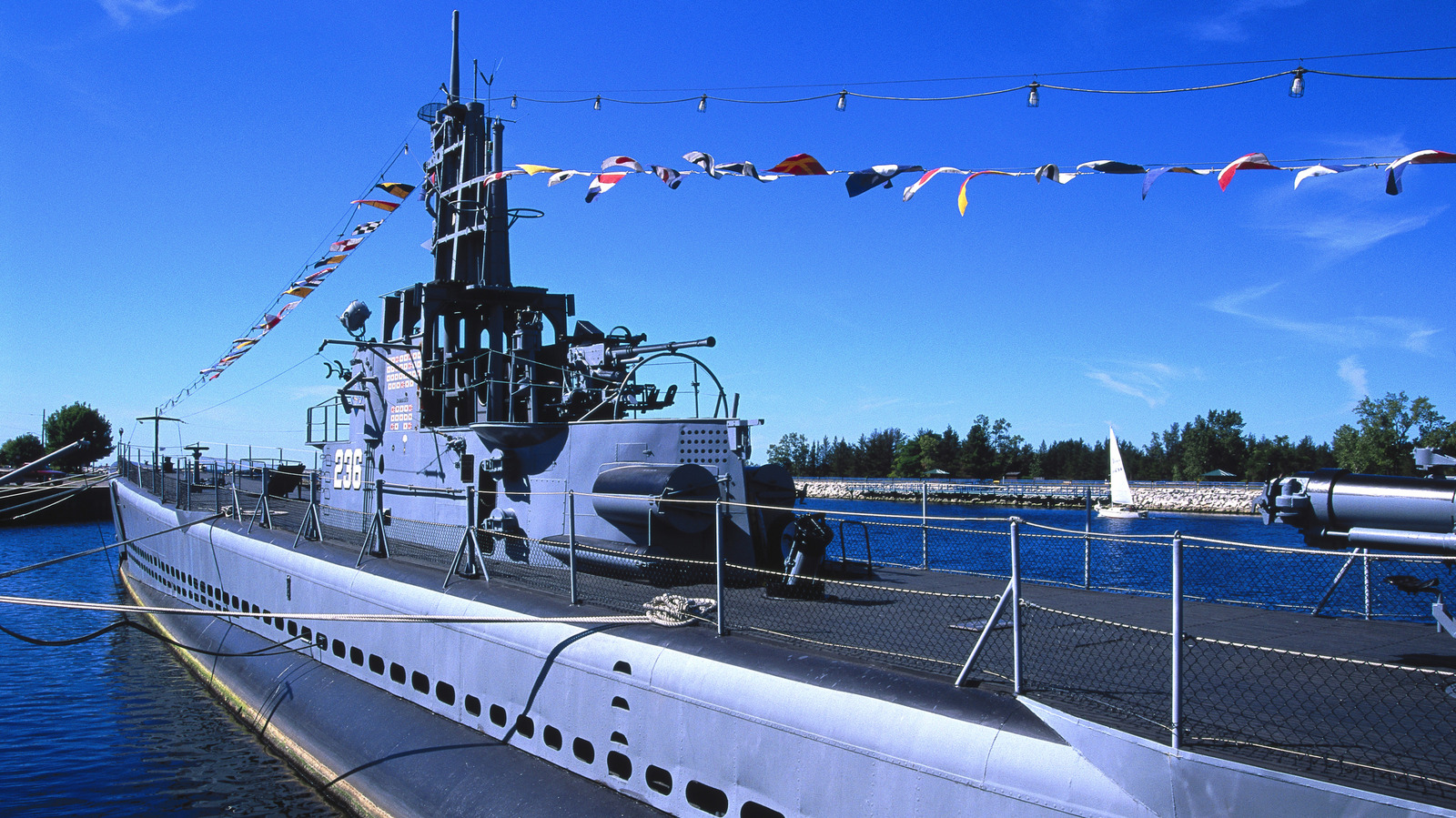
The Silversides’ combat record is exceptional. During its service, it earned 12 battle stars and was recognized as one of the five most successful U.S. Navy submarines of World War II. Its aggressive patrolling and successful engagements directly contributed to the Allied war effort, disrupting Japanese logistics and naval operations. The submarine’s exploits have been chronicled in numerous historical accounts, solidifying its status as a true legend of the Silent Service.
Supporting the Preservation Effort
The significant cost of the repairs is being met through a combination of public funding and private donations. A substantial grant of $750,000 from the Save America’s Treasures Grant Program, administered by the National Park Service, U.S. Department of the Interior, provides crucial financial backing. This federal recognition underscores the national importance of preserving the USS Silversides.
In addition to the grant, the USS Silversides Submarine Museum is actively engaged in fundraising efforts to cover the remaining costs. The museum has made it easy for the public to contribute, with online donation options available through their website. These contributions are vital in ensuring that this historic vessel can be restored and maintained for future generations to learn from and appreciate. The museum leadership has expressed gratitude for the public’s support, recognizing that the Silversides belongs not just to the museum but to the nation.
Museum Operations During Dry-Docking
While the USS Silversides is undergoing its extensive repairs, the museum remains open to the public. Visitors can still explore the grounds and learn about the history of submarines and World War II. To compensate for the absence of the iconic submarine, the museum is planning to introduce new waterfront experiences and enhance its existing exhibits. This proactive approach ensures that visitors will still have a compelling and educational experience, even without direct access to the Silversides itself.
The museum anticipates the USS Silversides will return to its permanent berth in mid-October 2026. This timeframe allows for the meticulous execution of the repairs and restoration work. The museum’s commitment to providing engaging content during this period demonstrates its dedication to its mission of historical education and preservation.
Broader Implications and Legacy
The preservation of the USS Silversides is more than just an act of maintaining a historic artifact; it is an investment in historical memory and education. Submarines like the Silversides represent a critical period in military history and offer invaluable insights into the technological advancements, strategic thinking, and human endurance that defined World War II. By preserving these vessels, museums allow future generations to connect with the past in a tangible and meaningful way.
The successful completion of these repairs will ensure that the USS Silversides can continue to inspire and educate. It serves as a powerful reminder of the sacrifices made by those who served in the Silent Service and the profound impact of naval warfare on the course of global events. The journey across Lake Michigan, while a logistical necessity, has also brought renewed attention to this magnificent vessel, highlighting its enduring significance and the collective effort required to keep its legacy afloat. The restoration project is a testament to the dedication of the museum staff, volunteers, and the wider community in safeguarding this irreplaceable piece of American history.