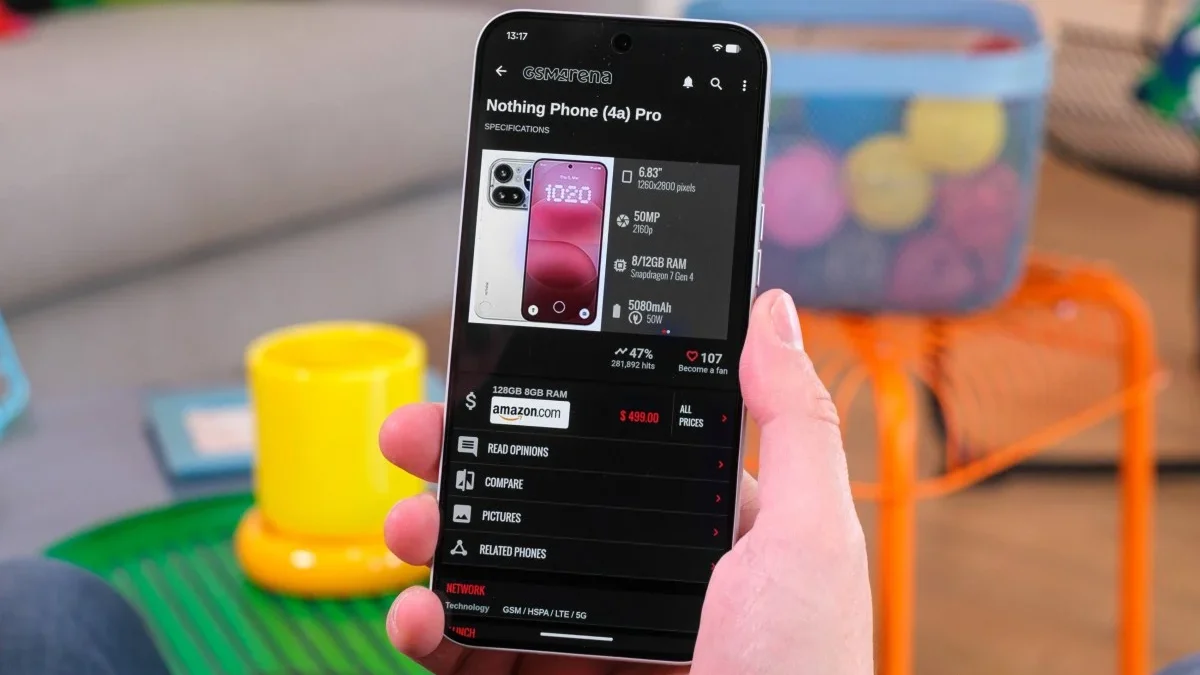
This expansion of the Android 17-based Nothing OS 5.0 rollout marks a significant milestone for the London-based technology company as it seeks to harmonize its diverse hardware ecosystem under a unified, feature-rich software umbrella. Following the initial deployment of the stable build to the flagship Nothing Phone (3) earlier this month, the company has officially extended support to four additional mid-range and premium-mid-range devices. This staggered release strategy, typical of Nothing’s software engineering approach, is designed to minimize potential stability risks while ensuring that a broad segment of the user base gains access to the latest interface refinements and performance optimizations.
The Phased Deployment Strategy
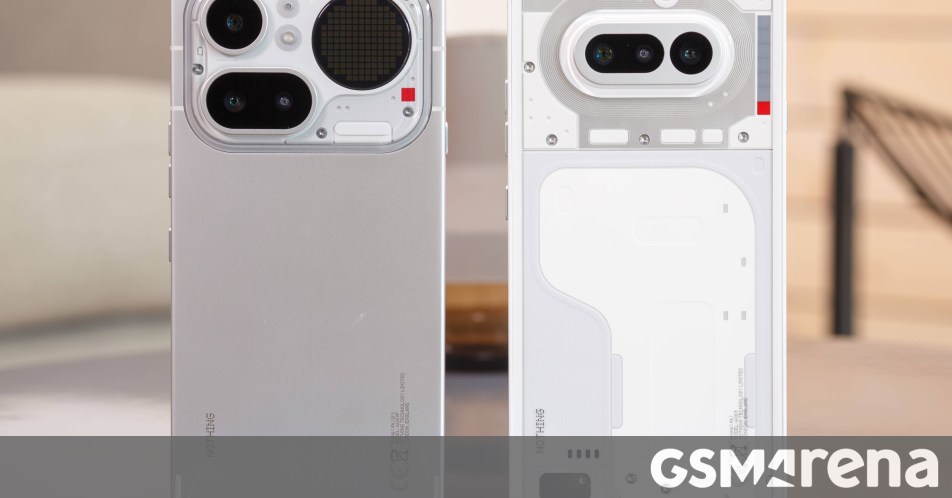
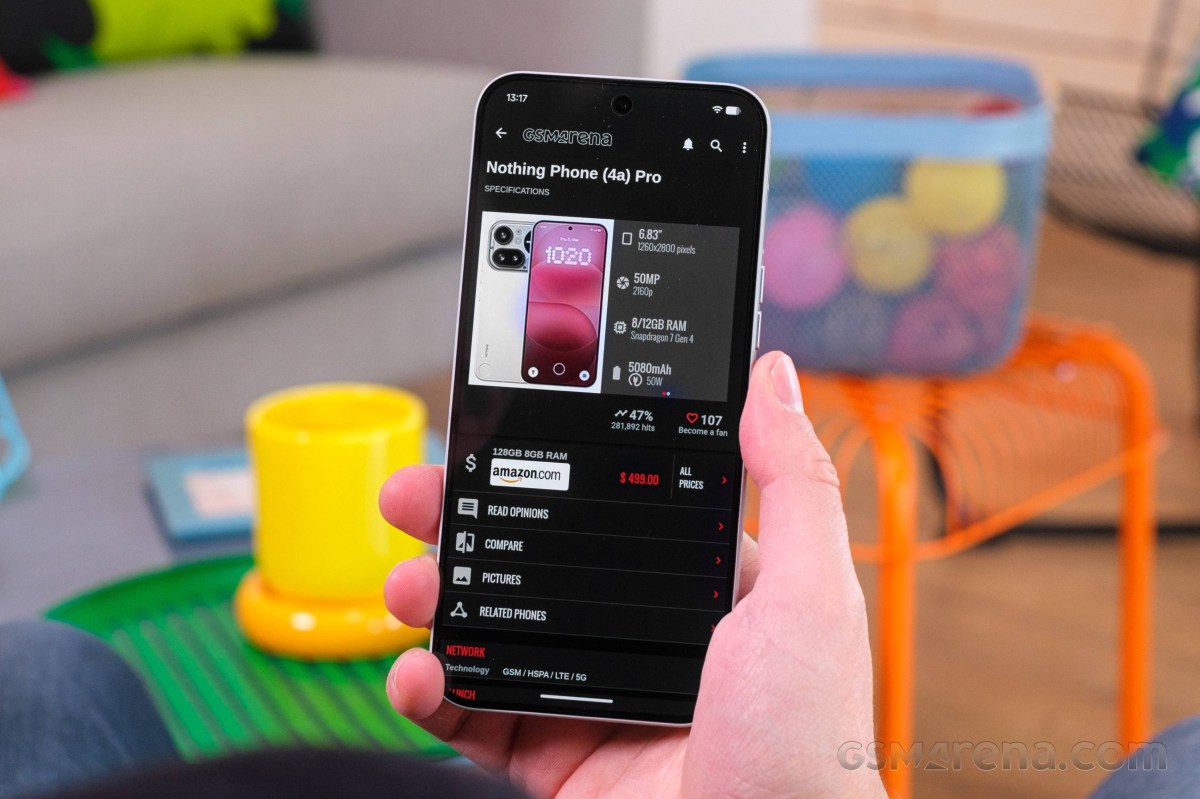
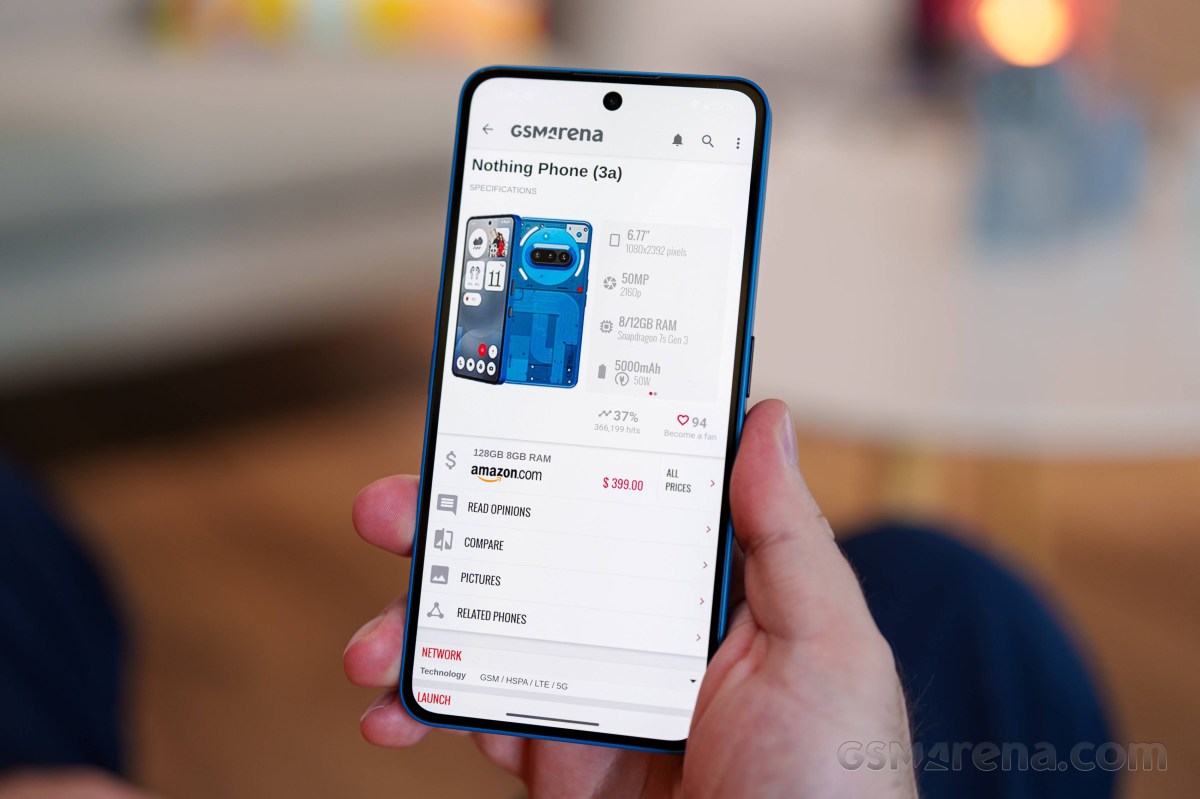
The rollout, which commenced in late October, is being managed via a phased distribution model. This approach is standard industry practice for smartphone manufacturers, allowing the company to monitor for unforeseen software bugs in real-time before pushing the update to the global fleet. Users of the Phone (4a), 4a Pro, 3a, and 3a Pro can initiate the update process by navigating to the "System" menu within the Settings application and selecting "System update."
Nothing has cautioned users that the update process is resource-intensive. It is not uncommon for devices to experience temporary increases in internal temperature or higher-than-normal power consumption during the initial installation and subsequent background optimization phase. These fluctuations are expected, as the device re-indexes files and compiles system code. The manufacturer recommends that users perform a comprehensive data backup before proceeding, despite the update being a standard over-the-air (OTA) procedure.
Comprehensive Software Enhancements
Nothing OS 5.0 introduces a fundamental shift in how the operating system interacts with the user, emphasizing both aesthetic cohesion and functional utility. The update is comprehensive, spanning interface redesigns, new widget capabilities, and refined privacy controls.
A standout addition is the dedicated Glyph app, which centralizes the management of the signature rear-facing light interface, offering users more granular control over notification patterns and integration. This complements a significant UI overhaul that includes a split between Quick Settings and the notification shade—a design choice aimed at streamlining user navigation and reducing clutter. The interface now features a "Translucent" theme, incorporating frosted-glass aesthetics and adaptive accent colors that dynamically shift based on the user’s wallpaper selection.
Privacy and system transparency have also been elevated. The introduction of a three-color status bar indicator provides real-time alerts regarding sensitive access, such as camera or microphone usage, location tracking, and active AI processing tasks. These indicators provide users with immediate, glanceable data regarding system behavior, aligning with the industry-wide push for greater transparency in mobile software.
Productivity and Functional Upgrades
The update brings a suite of functional tools designed to increase daily productivity. The inclusion of the "Geist" typeface adds a distinct, brand-aligned visual identity to the system, while the refreshed Settings menu offers a more intuitive hierarchy.
Productivity-focused additions include:
- New Widgets: The "Collector" and "Away Time" widgets offer specialized tracking, while the new "Glyph Timer" widget allows users to monitor time-based events directly from the home screen.
- Enhanced Dark Theme: An expanded dark mode forces a consistent aesthetic across applications that lack native dark mode support, ensuring visual uniformity.
- Quick Connectivity: Bluetooth management has been refined, allowing users to connect or disconnect devices with a single tap directly from the Quick Settings panel.
- Media and Input: The inclusion of Noto 3D Emoji within the Gboard integration and the implementation of adjustable Enhanced HDR brightness settings demonstrate Nothing’s commitment to refining the finer details of the user experience.
Model-Specific Camera Advancements
While the system-wide features are uniform across the four devices, Nothing has tailored camera improvements to the specific hardware capabilities of each model.
For the Nothing Phone (3a) and (3a) Pro, the update introduces a new "Tuning" feature that offers seven adjustable effects, providing users with more control over color science and post-processing. These devices also receive upgraded presets, a new 2×2 widget for quick access to camera settings, and expanded support for filters and tuning within video capture, alongside a "Dual-view Video" mode that allows for simultaneous recording from multiple vantage points.
The Nothing Phone (4a) and (4a) Pro, meanwhile, receive the Dual-view Video functionality as well, but gain the added benefit of faster, more accurate "Essential Voice" transcriptions—an AI-driven feature that underscores the company’s ongoing investment in machine learning. Across all four devices, the camera interface has been completely refreshed, with underlying improvements to zoom, close-up photography, and the speed and reliability of QR code scanning.

A Timeline of the Software Roadmap
The current update cycle is part of a broader, long-term software support roadmap established by Nothing. The company has publicly outlined the sequence for its remaining portfolio, providing transparency that is often absent in the mid-range smartphone market.
- Completed: Nothing Phone (3) (early October).
- In Progress: Nothing Phone (4a), 4a Pro, 3a, and 3a Pro (late October).
- Mid-November: Nothing Phone (2a) and Phone (2a) Plus.
- Late December: Nothing Phone (3a) Lite.
- Mid-January: Nothing Phone (4b) and CMF Phone 2 Pro.
This structured timeline indicates a deliberate focus on the most recent models first, followed by the successful (2a) series and the budget-conscious "Lite" and "b" variants. By staggering these releases, the engineering team can utilize feedback from the initial cohorts to polish the builds for the remainder of the user base.
Strategic Implications and Industry Context
The rapid deployment of Android 17 across such a wide range of devices suggests that Nothing has successfully matured its software development pipeline. In the highly competitive Android market, where timely updates are a key differentiator for consumer loyalty, the ability to maintain consistency across both flagship and mid-range devices is a significant achievement.

From a market analysis perspective, Nothing’s strategy serves two purposes. First, it reinforces the value proposition of its mid-range phones; by providing the same OS features to the (3a) series as the flagship (3), the company is effectively increasing the long-term utility of these devices, which discourages early upgrades and builds brand trust. Second, it highlights the importance of the software layer as the primary battleground for differentiation. As hardware specifications across the industry begin to plateau, the "experience" provided by the operating system—its fluidity, its unique aesthetic, and its functional widgets—becomes the primary reason for a consumer to choose one brand over another.
The inclusion of AI-focused indicators and advanced transcription tools also hints at the company’s future trajectory. It is clear that Nothing is positioning its software to handle more sophisticated on-device processing. By integrating these features into the core OS, the company is preparing its user base for a future where generative AI and machine learning play a more prominent role in daily smartphone interaction.
Conclusion and Future Outlook
As the update continues to reach users globally, the focus will shift to stability and the correction of any edge-case issues identified during the initial rollout. The commitment to a transparent roadmap for the (2a), (3a) Lite, and (4b) models suggests that the company is confident in its internal processes. For consumers currently using these devices, the Nothing OS 5.0 update represents a substantial leap forward, not just in terms of version numbers, but in the actual utility and visual sophistication of their handheld hardware. As the market looks toward the January releases, the company’s ability to maintain this level of software support will likely be a primary factor in its continued growth within the global smartphone market.