The rapid integration of artificial intelligence into content creation has transformed how digital marketers, brands, and influencers build social media campaigns. However, this technological leap has introduced a complex landscape of platform regulations, consumer trust issues, and legal compliance risks. At the center of this shift is Instagram’s strict AI disclosure policy, designed to distinguish between authentic human experiences and synthetically generated media. While utilizing generative AI tools to streamline content workflows is widely permitted across Meta’s ecosystem, failing to correctly identify and label realistic synthetic media can result in penalized algorithmic reach, diminished audience trust, and potential regulatory scrutiny.
As digital platforms face mounting pressure to combat misinformation and maintain transparency, understanding the nuanced requirements of Instagram’s labeling guidelines has become a critical operational necessity for social media managers and enterprise marketing teams alike.

Background and Context of Meta’s AI Policies
The implementation of Instagram’s current AI disclosure framework represents the culmination of a multi-year industry-wide effort to address the rise of deepfakes, synthetic media, and AI-generated misinformation. Throughout 2023 and 2024, as text-to-video generators, voice cloning software, and hyper-realistic image synthesis tools became accessible to the general public, platforms faced an unprecedented influx of synthetic content.
In response, Meta announced initiatives in early 2024 to update its labeling practices, moving away from relying solely on manual disclosures toward automated detection utilizing industry standards like the Coalition for Content Provenance and Authenticity (C2PA) metadata standards. By embedding invisible markers into files generated by major AI providers—such as OpenAI, Adobe, and Google—platforms gained the ability to automatically identify and tag certain types of computer-generated media.

By late 2026, these policies evolved into a sophisticated two-pronged system focusing on individual post-level labels and permanent account-level designations. The core objective of these guidelines is not to penalize the use of artificial intelligence itself, but rather to protect consumers from deception. According to platform updates, while creators are encouraged to leverage AI for efficiency, the fundamental right of the audience to know whether they are viewing a real human performance or a synthetic creation remains paramount.
Understanding the Two Primary AI Labels
Instagram enforces its transparency rules through two distinct categories of labels: the "AI info" label and the "AI-generated profile" designation. Each serves a specific purpose within the user interface and carries distinct procedural obligations for content creators.

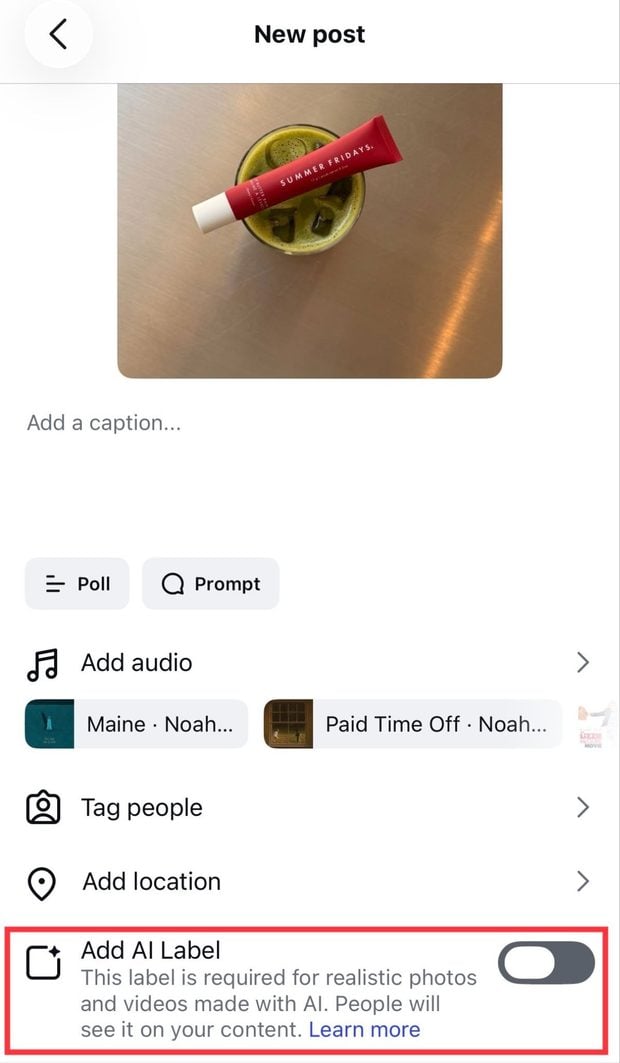
The "AI info" label applies to individual posts, Reels, or Stories. Creators are mandated by platform rules to manually activate this label whenever they upload organic content featuring realistic-looking videos or realistic-sounding audio that has been generated or heavily modified by artificial intelligence. This encompasses AI voiceovers, voice-cloned tracks, and synthetic video scenes where human likenesses or real environments are fabricated. Conversely, AI-written captions, text scripts, and standard still images do not strictly require manual labeling by the user, though Meta’s automated systems may still apply an "AI info" tag if underlying C2PA metadata is detected.
On the other hand, the "AI-generated profile" label governs entire accounts. This setting is specifically designed for virtual influencers, digital avatars, or profiles representing fictional, computer-generated personas. When enabled within profile settings, this label is permanently displayed directly on the account page, alongside all content feeds, Reels, Stories, direct messages, and comment sections. Neglecting to activate this designation for a virtual persona can severely disrupt algorithmic distribution, as Instagram systematically limits the visibility and recommendation reach of unlabeled synthetic profiles on discovery surfaces like the Explore page.
The Broader Implications for Brand Reputation and Trust

For corporate brands and professional creators, compliance with Instagram’s AI disclosure guidelines extends far beyond simple adherence to platform terms of service. It directly impacts brand equity, consumer loyalty, and legal liability.
Industry experts emphasize that modern audiences place an exceptionally high value on authenticity. Creative directors working within digital marketing agencies note that when consumers discover retroactively that a brand has passed off synthetic media as reality, the resulting skepticism damages the overarching reputation of the enterprise rather than merely discrediting a single advertisement. Conversely, proactive disclosure has emerged as a powerful trust-building mechanism. By transparently acknowledging the use of AI, brands signal respect for their audience’s intelligence and autonomy, fostering deeper consumer loyalty in an era defined by digital skepticism.
Furthermore, the implications stretch into the domain of regulatory compliance. Regulatory bodies, such as the Federal Trade Commission (FTC), maintain rigorous guidelines concerning deceptive advertising, fake testimonials, and endorsements featuring non-existent individuals. In highly regulated sectors such as financial services, pharmaceuticals, and healthcare, an omitted AI disclosure can trigger severe compliance exposure alongside public relations crises. Legal counsel frequently advises marketing departments to establish rigorous internal review processes to vet all promotional materials before deployment.
Operationalizing Compliance: Strategies for Marketing Teams
To mitigate the risks associated with accidental non-compliance, marketing organizations are increasingly restructuring their internal workflows, approval chains, and creative briefing documents. Managing AI disclosures effectively requires a systematic approach that spans content ideation, influencer partnerships, and final publishing sign-offs.
Mapping Internal AI Usage
Teams must begin by auditing their standard operating procedures to identify precisely where generative AI tools are deployed. While utilizing large language models for brainstorming or drafting captions does not trigger platform penalties, using generative voice software for video narration requires immediate attention. Establishing a transparent inventory of utilized tools ensures that content creators know unequivocally which assets require manual labeling.

Updating Influencer and Agency Briefs
External partners, including social media influencers and creative agencies, operate under independent workflows and frequently leverage diverse suites of AI software. Brands can no longer assume that third-party creators will independently adhere to platform disclosure mandates. Consequently, comprehensive influencer briefs must explicitly outline Instagram’s labeling requirements, requiring creators to flag synthetic video or audio elements prior to publication. Importantly, brands must remember that platform-level AI disclosures do not replace standard commercial disclosures; paid partnerships must continue to comply with all relevant FTC endorsement and disclosure guidelines.
Integrating Automated Approval Workflows
To prevent missed disclosures from slipping through the cracks of a busy publishing calendar, enterprise teams are adopting specialized social media management ecosystems. Platforms equipped with custom approval workflows—such as Hootsuite’s Perch—allow managers to embed mandatory compliance and AI-check steps directly into the content pipeline. By requiring a secondary review from designated brand or legal stakeholders prior to publication, organizations ensure that every piece of media meets all regulatory and platform standards. Additionally, governance layers like Vigil help maintain strict control over user permissions across multi-user enterprise accounts, while listening tools like Lumen enable marketing departments to continuously monitor audience sentiment and track public reception following a campaign’s launch.
Fact-Based Analysis of Platform Enforcement

While Meta has explicitly stated that content is not downgraded simply for utilizing artificial intelligence, the enforcement mechanism focuses heavily on the presence or absence of proper metadata and manual disclosures. When creators attempt to bypass these systems by publishing unlabeled realistic synthetic video or cloned audio, Meta’s enforcement actions typically manifest in one of several ways. The platform may autonomously append an "AI info" label to the post after the fact, restrict the content’s distribution across recommendation algorithms, or, in severe or repeated cases of policy circumvention, apply broader account-level visibility limitations.
For brands relying heavily on organic discovery via the Explore tab and Reels feed to acquire new audiences, any restriction on algorithmic reach can translate directly into diminished campaign performance and lower return on ad spend. Therefore, industry consensus points to compliance as an operational asset rather than a regulatory burden.
Outlook for Social Media Governance

As generative artificial intelligence technology continues to advance, the boundary lines between authentic and synthetic media will inevitably blur further. Industry analysts predict that future social media regulations will introduce even stricter standards for provenance tracking, watermarking, and mandatory disclosure across all major digital platforms.
For marketing professionals, establishing robust internal governance today lays the groundwork for sustainable digital strategies tomorrow. By combining transparent communication with disciplined workflow management, brands can harness the creative power of artificial intelligence while preserving consumer trust and ensuring full compliance with evolving platform ecosystems.