The fourth quarter of 2022 marked a period of intensive transformation and operational adjustment for Meta, the parent company of Facebook, Instagram, and WhatsApp. As digital marketers and advertisers prepared for the subsequent fiscal year, Meta deployed a series of critical platform updates, including native scheduling tools, modernized advertising interfaces, augmented reality expansions, and stringent brand safety protocols. These modifications were designed to streamline user experiences, enhance automated advertising suites, and respond directly to evolving global regulatory landscapes.
This retrospective provides a comprehensive examination of Meta’s structural and algorithmic shifts throughout late 2021 and 2022, highlighting key product launches, policy updates, and strategic forecasts for the digital marketing industry heading into 2023.
Strategic Advertising Enhancements and Automation
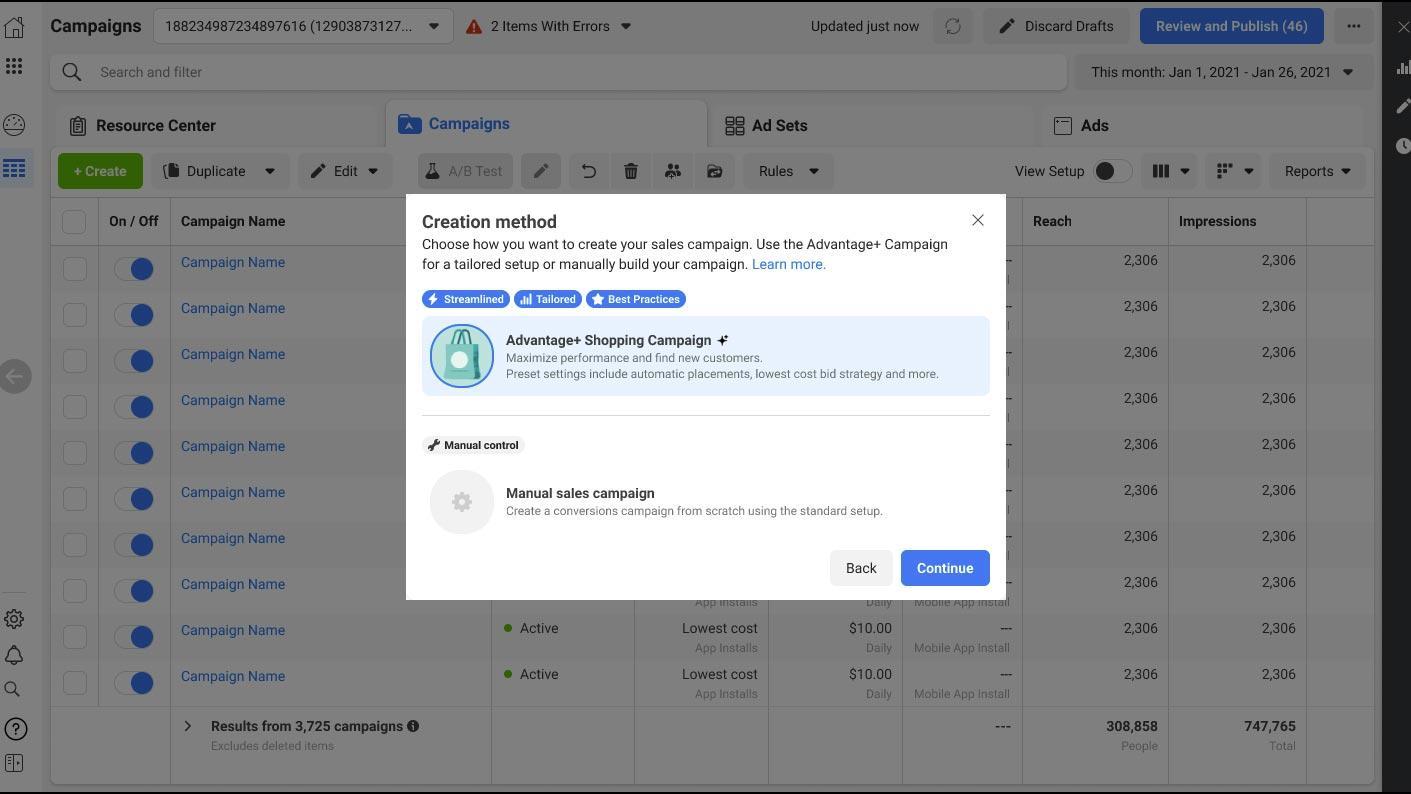
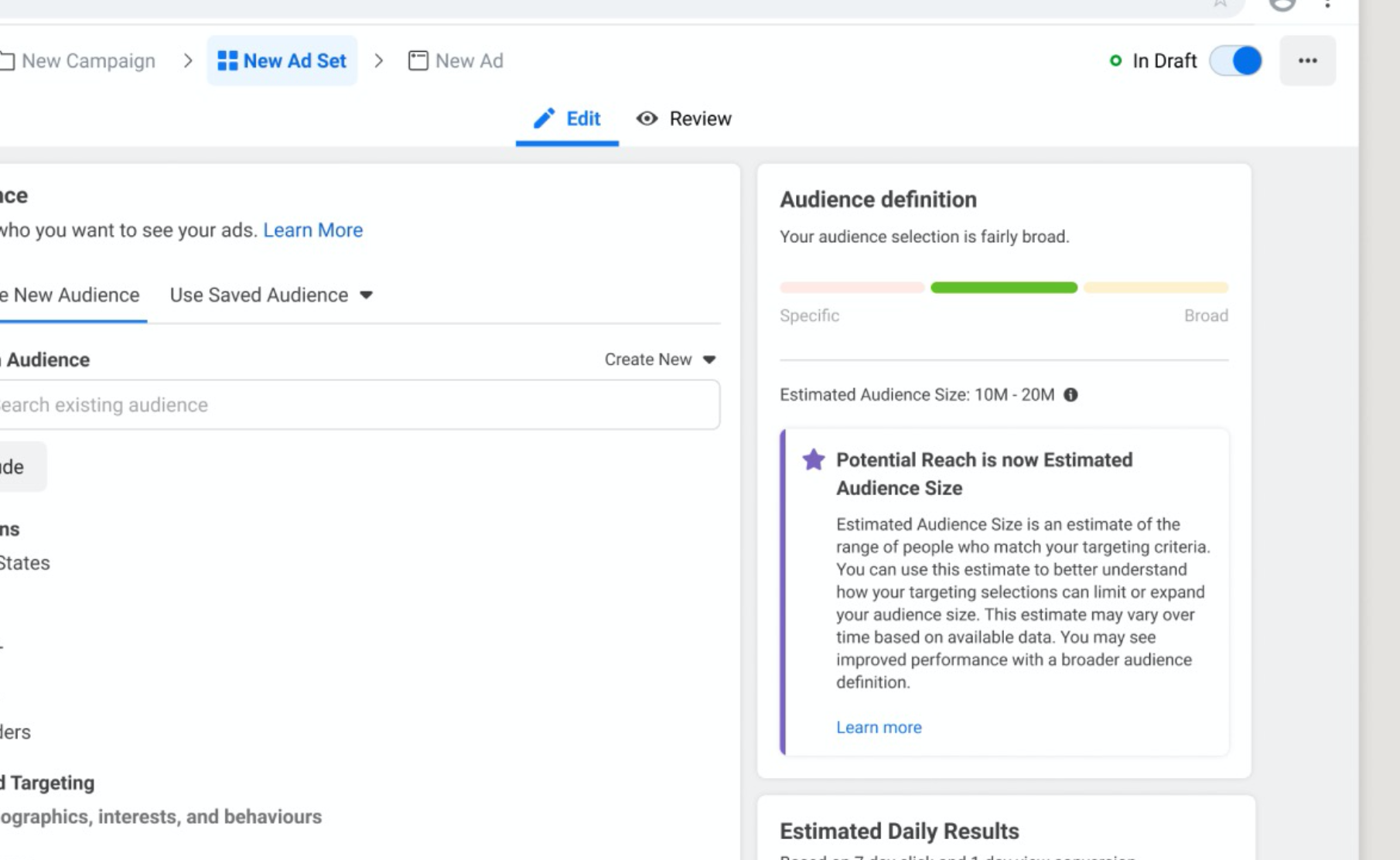
Navigating the shifting parameters of digital advertising often presents logistical challenges for brands seeking optimal return on investment (ROI). To mitigate uncertainty, Meta regularly publishes empirical best practices derived from internal platform data. In December 2022, the company released a series of essential campaign strategies intended to maximize advertising efficiency. Concurrently, Meta consolidated its automated advertising portfolio under the unified "Advantage" and "Advantage+" suites.
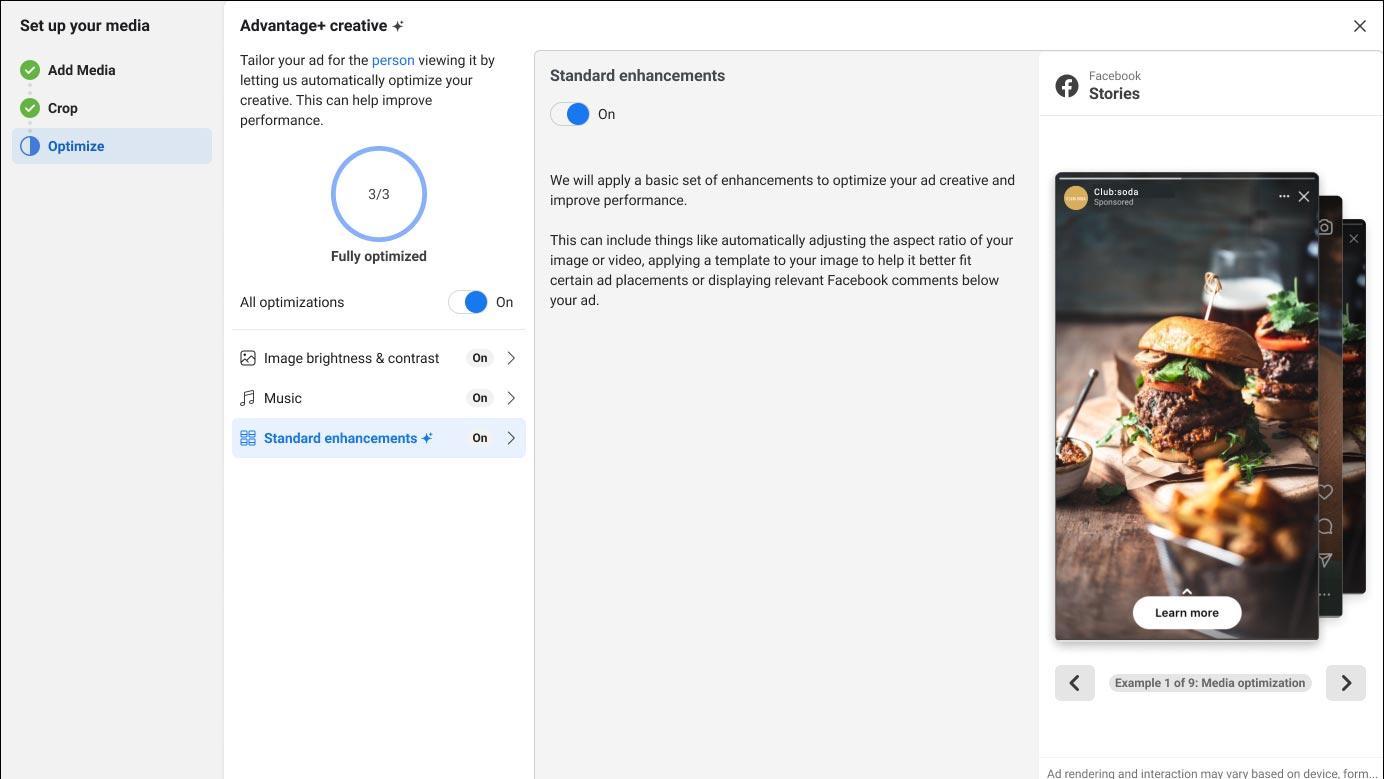
The Advantage suite categorizes advertising products into automated capabilities and automated campaigns. Advantage+ shopping campaigns, which became widely available in August 2022, leverage advanced machine learning models to automate the ad creation process. According to internal platform testing cited by Meta, Advantage+ shopping campaigns yielded a 12% lower cost-per-purchase conversion rate compared to standard ad configurations across multiple A/B tests. Additional tools introduced within this ecosystem included Advantage+ creative, which dynamically adjusts ad elements for individual viewers; Advantage audience, which constructs personalized target segments based on specific Page behaviors; and Advantage+ app campaigns, designed to optimize mobile software installations.
Furthermore, Meta expanded its B2B targeting capabilities to rival professional networks like LinkedIn, introducing precise audience segments based on verified on-platform job titles and industry interests. To support these automated ecosystems, Meta actively refined its ad review processes, issuing public breakdowns of its machine learning and human moderation workflows to improve advertiser compliance and reduce unexpected ad rejections.
Instagram Features and the Shift Toward Short-Form Video

Instagram implemented some of the most visible consumer-facing updates of the year, driven largely by the exponential growth of short-form video content and shifting user consumption habits.
Native Content Scheduling and Profile Management
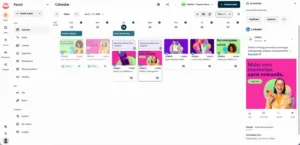
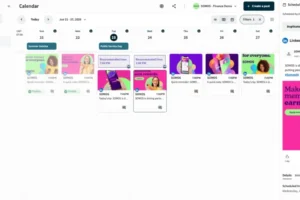
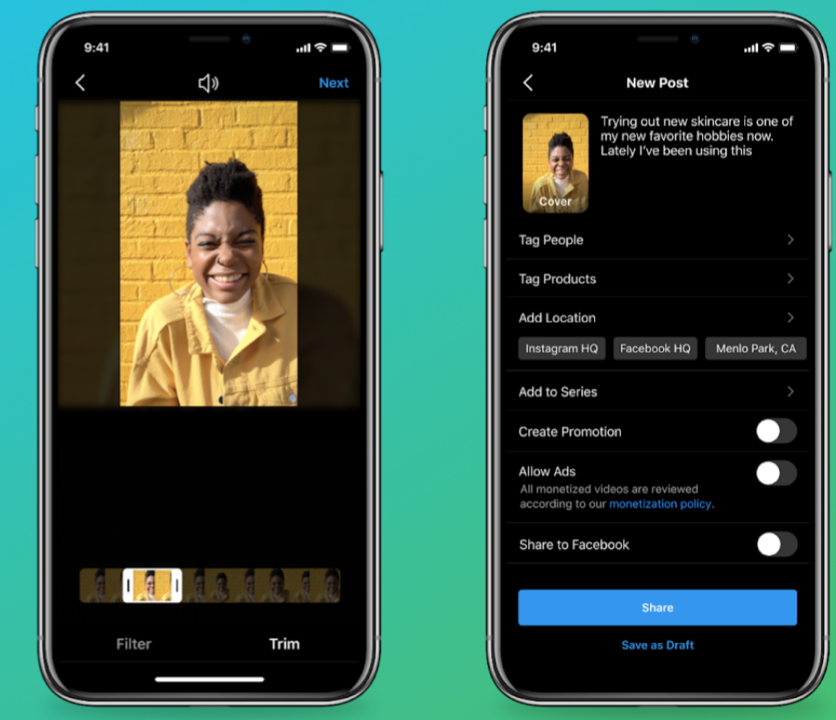
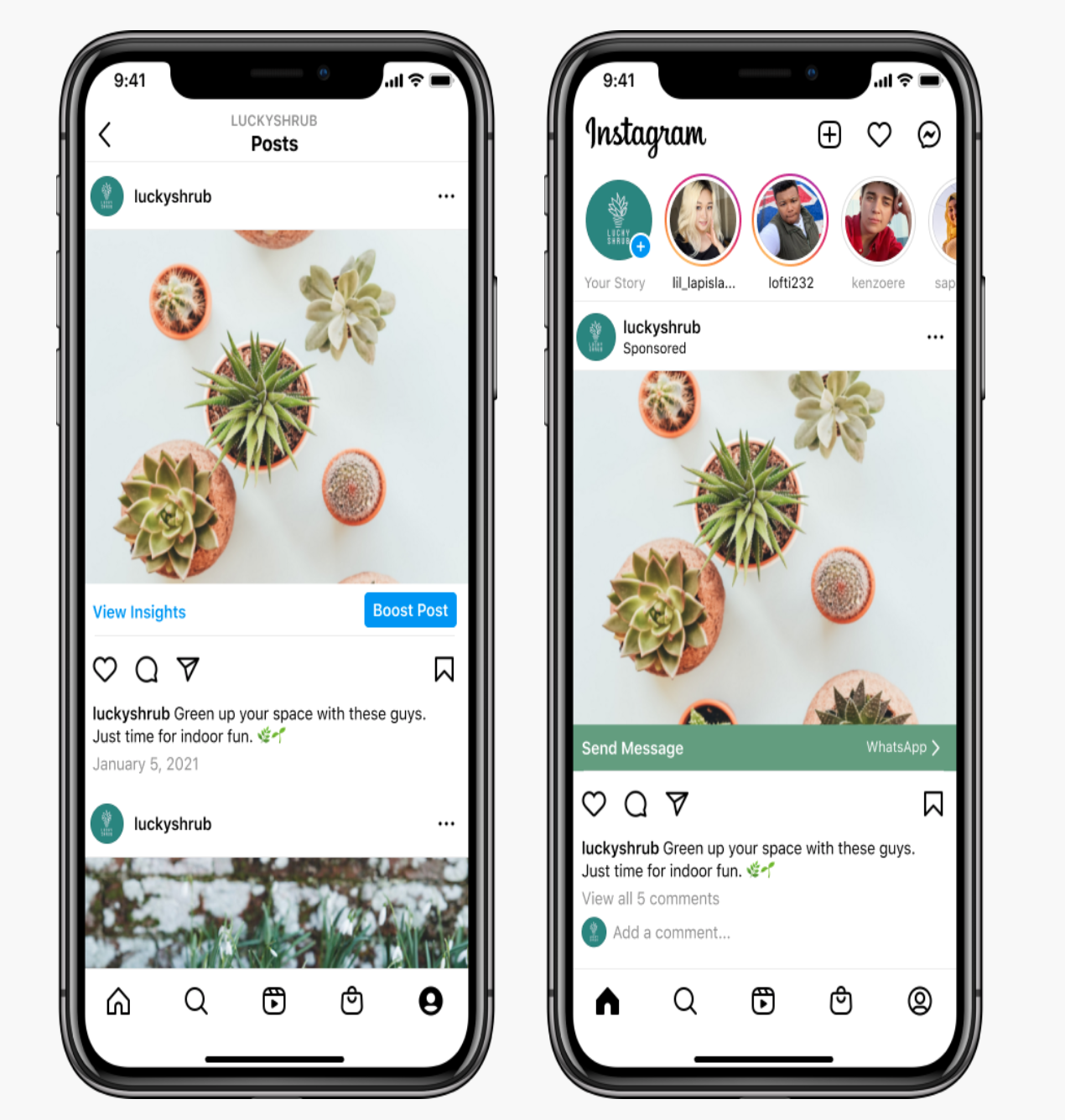
Addressing persistent demands from creators and small business owners who prefer operating exclusively within mobile applications, Instagram introduced native content scheduling in late 2022. Business and Creator accounts gained the ability to schedule Reels, photos, and carousel posts up to 75 days in advance directly through the mobile interface. While this feature significantly streamlined mobile publishing workflows, specific integrated functions—such as product tagging, cross-posting to Facebook, and direct post boosting—remained restricted to live publishing.

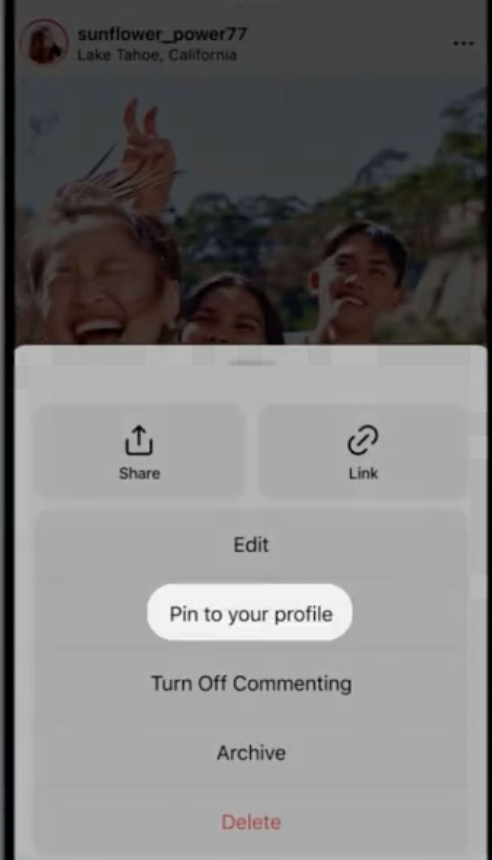
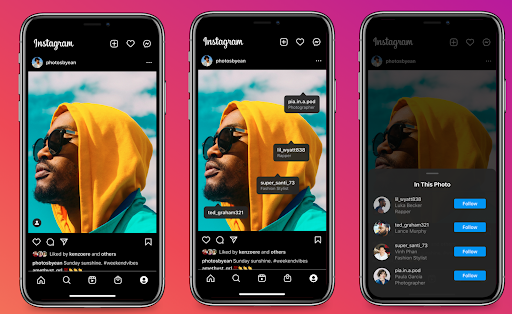
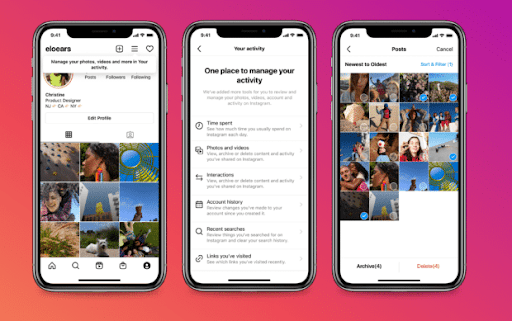
To further assist profile curation, Instagram rolled out a post-pinning feature, allowing users to anchor up to three preferred posts or Reels to the top of their profile grids. This functionality offered brands enhanced control over first impressions for incoming profile visitors. Additionally, the platform launched the "Your Activity" hub, empowering users to manage, delete, and archive content in bulk while monitoring platform engagement metrics.
Reels Integration and Monetization Expansion
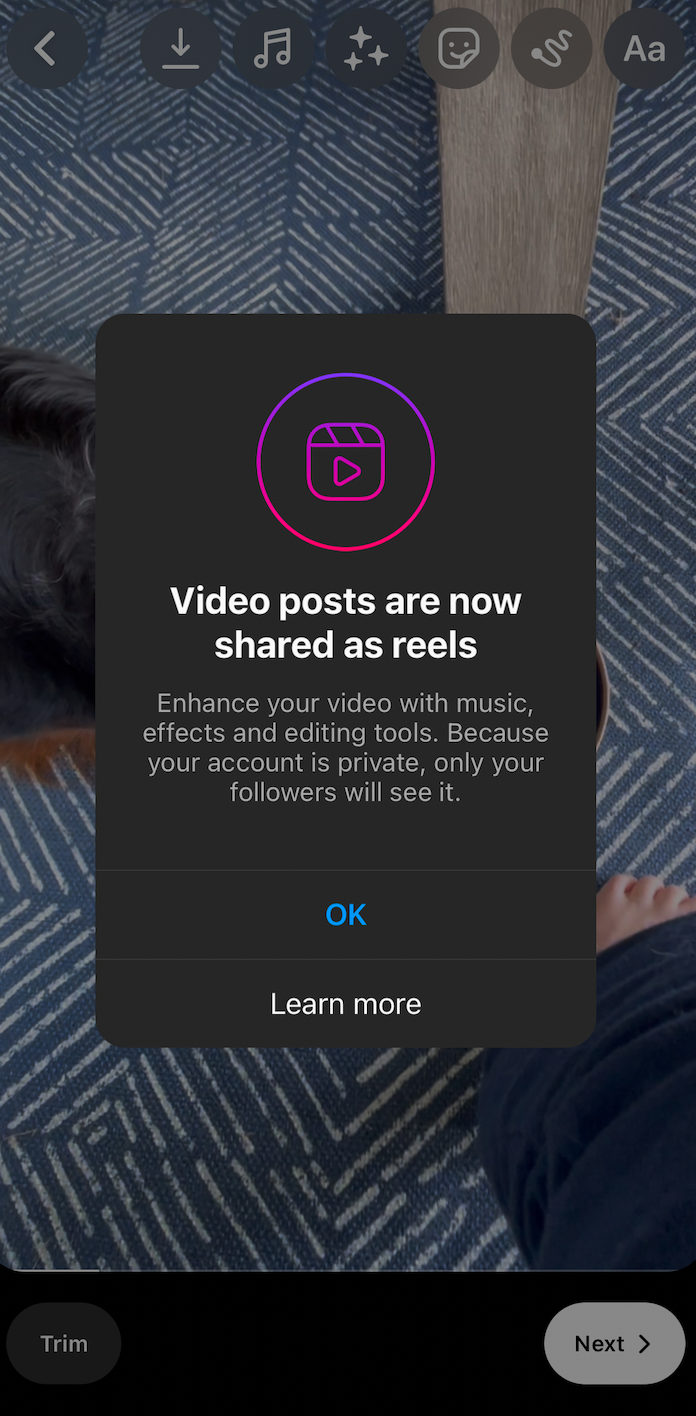
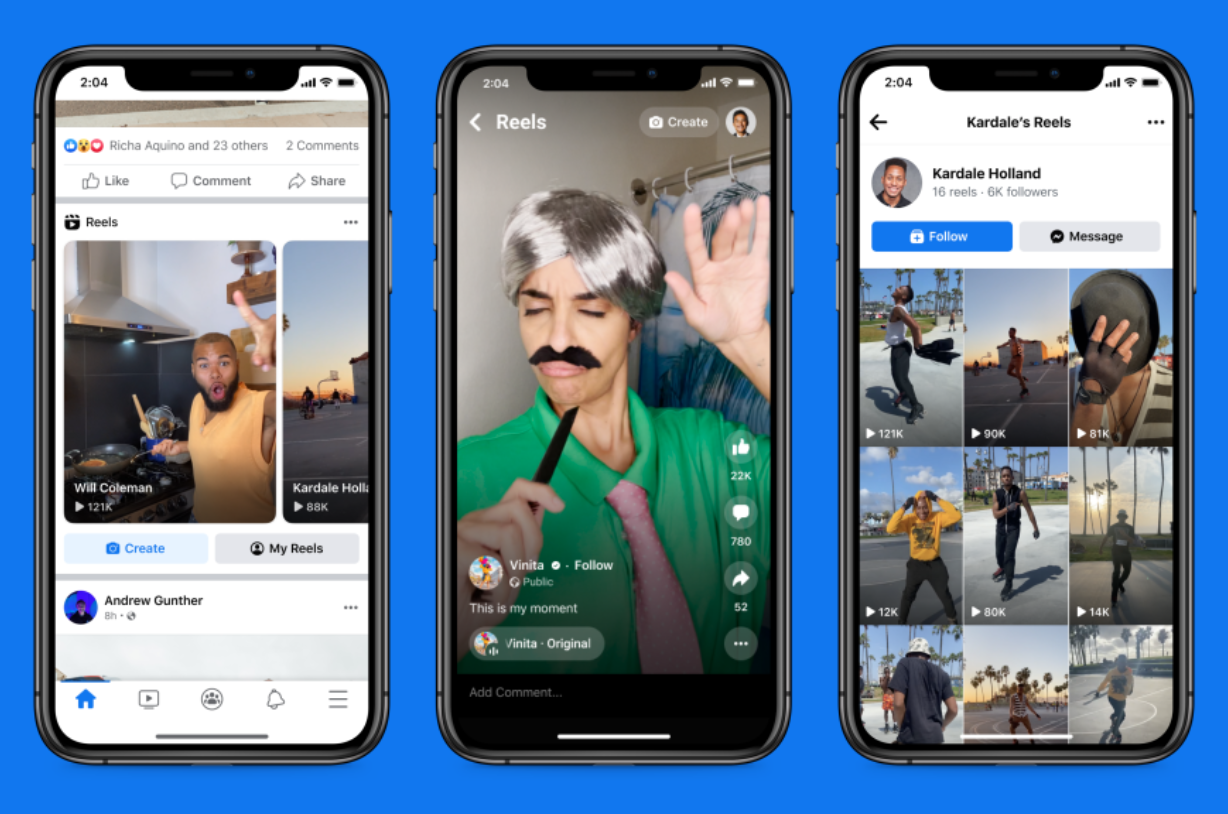
Short-form video remained a core strategic pillar for Meta throughout 2022. In July, Instagram instituted a major shift by announcing that all new video posts under 15 minutes would automatically be shared as Reels, merging the traditional Video and Reels profile tabs into a unified destination. This change granted all standard video uploads access to advanced Reels editing tools and full-screen vertical formatting.
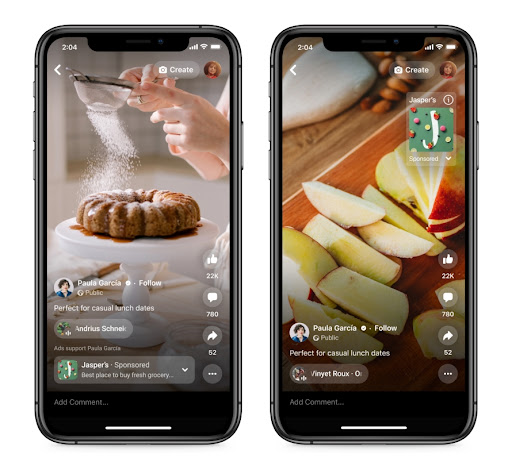
To capitalize on the format’s commercial viability, Meta introduced Reels ads globally, allowing advertisers to utilize immersive, loop-able video placements up to 30 seconds long within the Reels tab, Explore section, and standard feeds. Simultaneously, Meta expanded API access for Reels, enabling third-party social media management platforms—such as Hootsuite—to integrate publishing, analytics, and comment moderation capabilities.
E-Commerce, Messaging, and In-App Financial Transactions
Social commerce experienced substantial infrastructure development as Meta sought to solidify its position as an integrated destination for discovery and transaction.
Direct Messaging and Payments
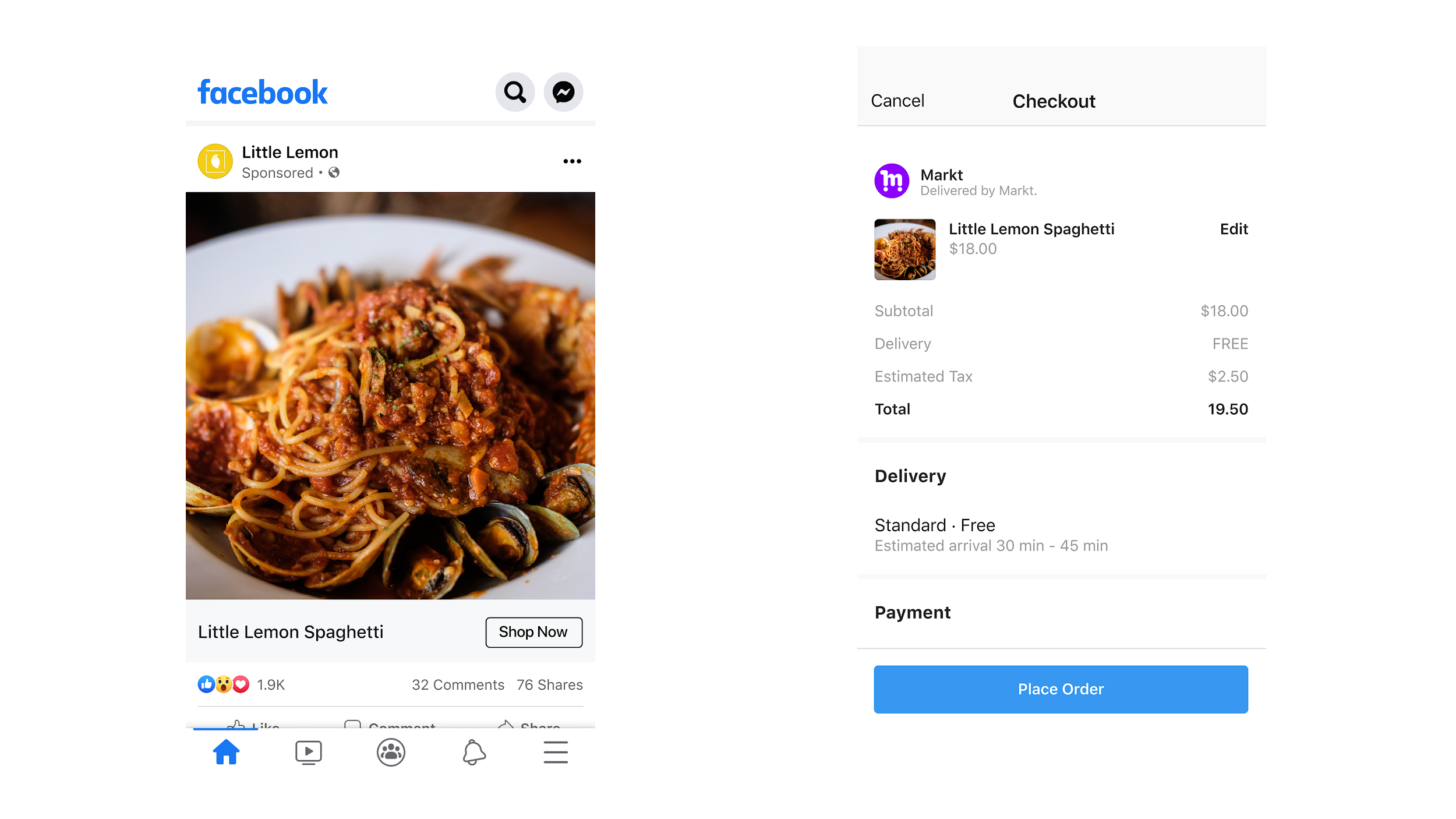
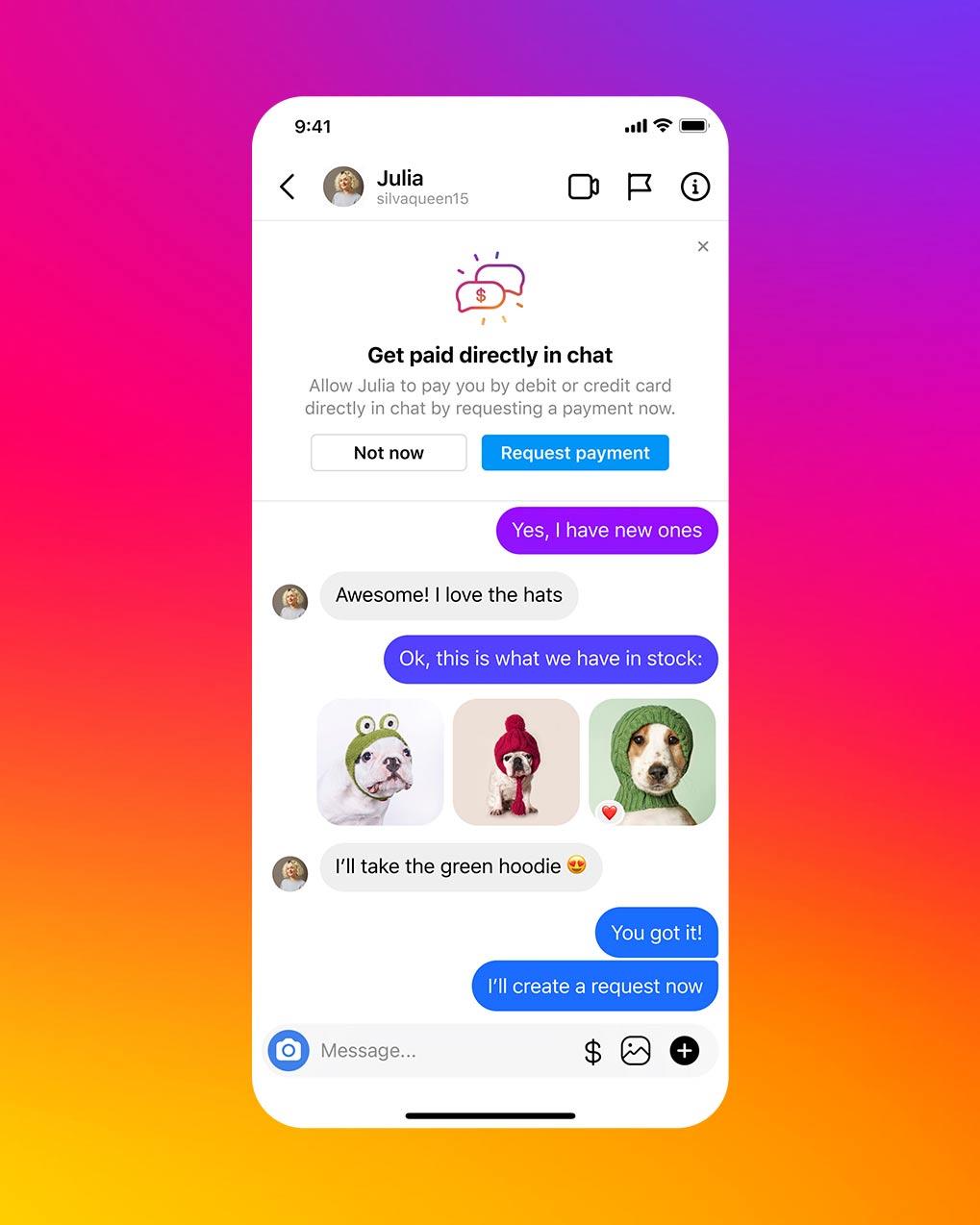
Recognizing that consumer communication increasingly relies on direct messaging, Meta expanded its conversation management tools. The company integrated WhatsApp messages directly into the centralized Meta Business Suite Inbox, joining Facebook Messenger and Instagram Direct. Furthermore, Instagram introduced an in-chat payment feature, enabling eligible sellers using Professional Accounts to collect payments and process invoices directly within Direct Messages without redirecting customers to external web browsers. Transactions were secured through integrations with Meta Pay, major credit cards, and PayPal.
The Evolution of Social Commerce
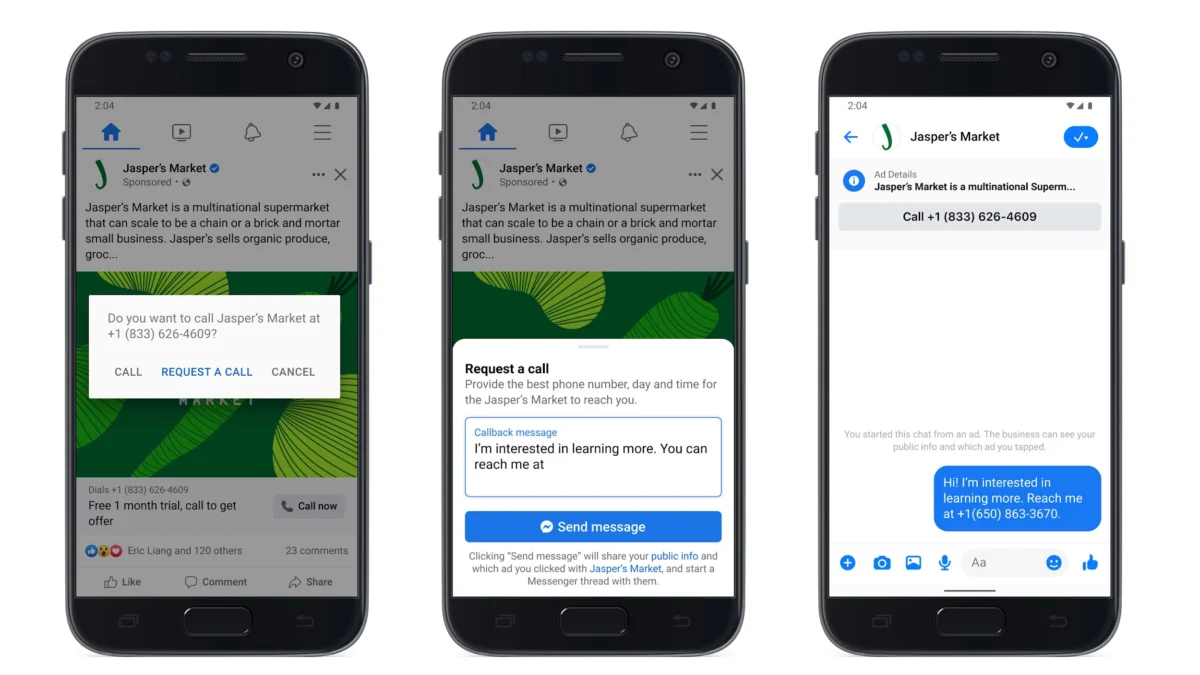
Despite the strategic push toward on-platform retail, Meta demonstrated operational agility by sun-setting its Facebook Live Shopping feature on October 1, 2022. Platform data indicated that consumer viewing habits had pivoted decisively toward short-form video and Reels, prompting Meta to reallocate development resources accordingly. To support local commerce, Meta globally launched local delivery options for Collaborative Ads, connecting local restaurants and grocery stores with consumer packaged goods brands to facilitate immediate, in-stock local ordering.
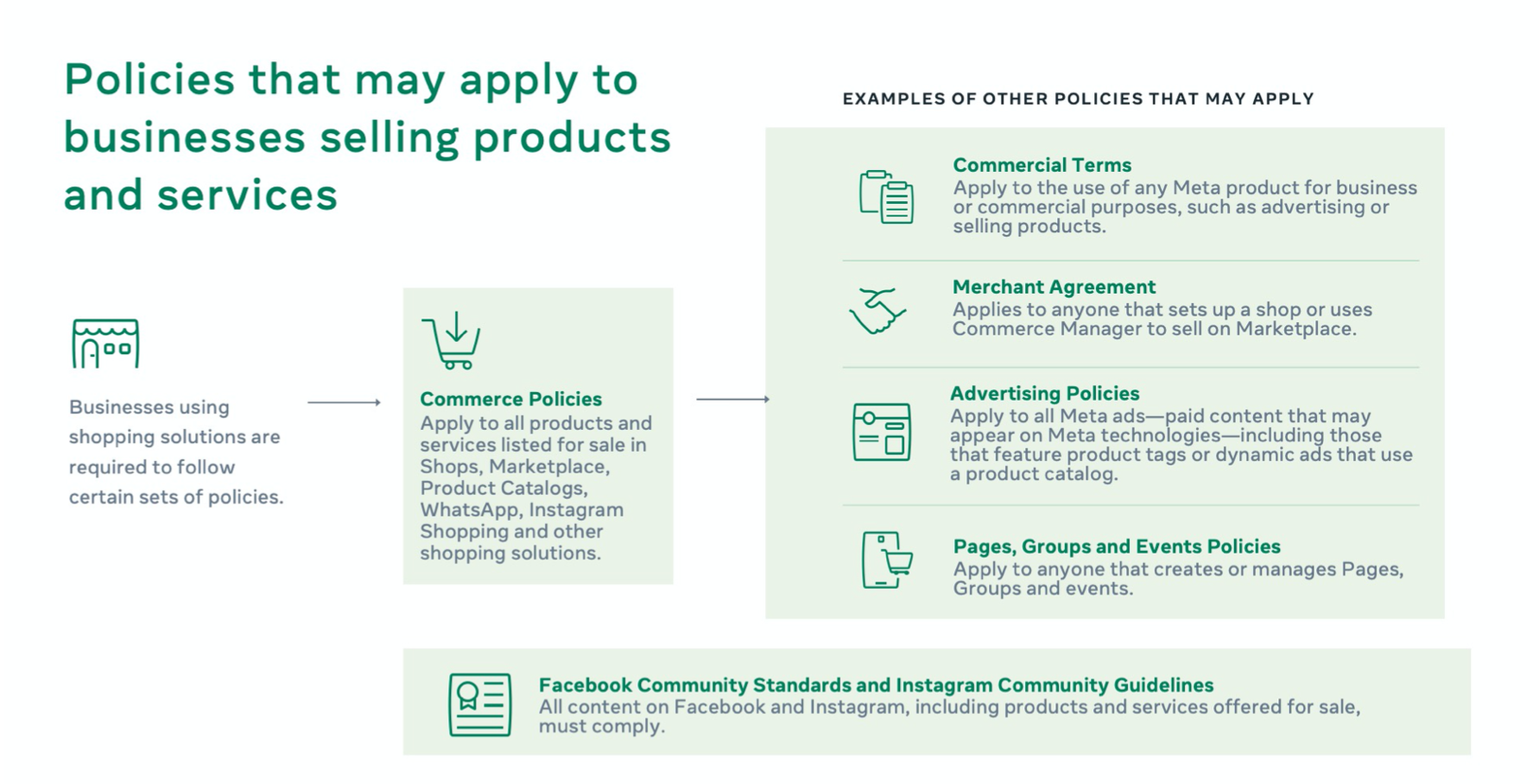
Brand Safety, Regulatory Compliance, and Privacy
As digital platforms face increasing scrutiny regarding content moderation, data privacy, and societal impact, Meta achieved significant compliance milestones while navigating major regulatory headwinds.
Media Rating Council Accreditation
In November 2022, Meta secured accreditation from the Media Rating Council (MRC) for content-level Brand Safety on Facebook. Independent auditors evaluated the platform’s Partner Monetization Policies, Content Monetization Policies, and corresponding content-level brand safety controls applied to Instant Articles and In-Stream video across desktop, mobile web, and mobile applications. To build upon this milestone, Meta initiated tests for content-based inventory filters across Facebook and Instagram feeds.
Data Privacy and the Impact of Apple’s ATT
The implementation of Apple’s AppTracking Transparency (ATT) framework on iOS devices in April 2021 fundamentally altered digital advertising measurement and attribution. By requiring applications to explicitly request user permission for data tracking, the update reduced the efficacy of traditional website-based custom audiences and conversion tracking. Meta responded by expanding educational resources for advertisers, restructuring event measurement parameters through Aggregated Event Measurement, and encouraging the adoption of automated campaigns designed to perform effectively under restricted data-sharing conditions.
Concurrently, Meta addressed broader transparency concerns by releasing updated data download tools, expanding the Ad Library to include targeted data for social, political, and electoral advertisements, and officially retiring its facial recognition systems in late 2021, deleting the biometric templates of over one billion users.
Strategic Outlook and Industry Implications for 2023
Entering 2023, digital marketing strategists anticipated several enduring trends across Meta’s ecosystem. The continued prioritization of artificial intelligence and machine learning—manifested through the expansion of Advantage+ campaigns—signaled a transition away from hyper-manual audience micro-targeting toward algorithmic optimization.
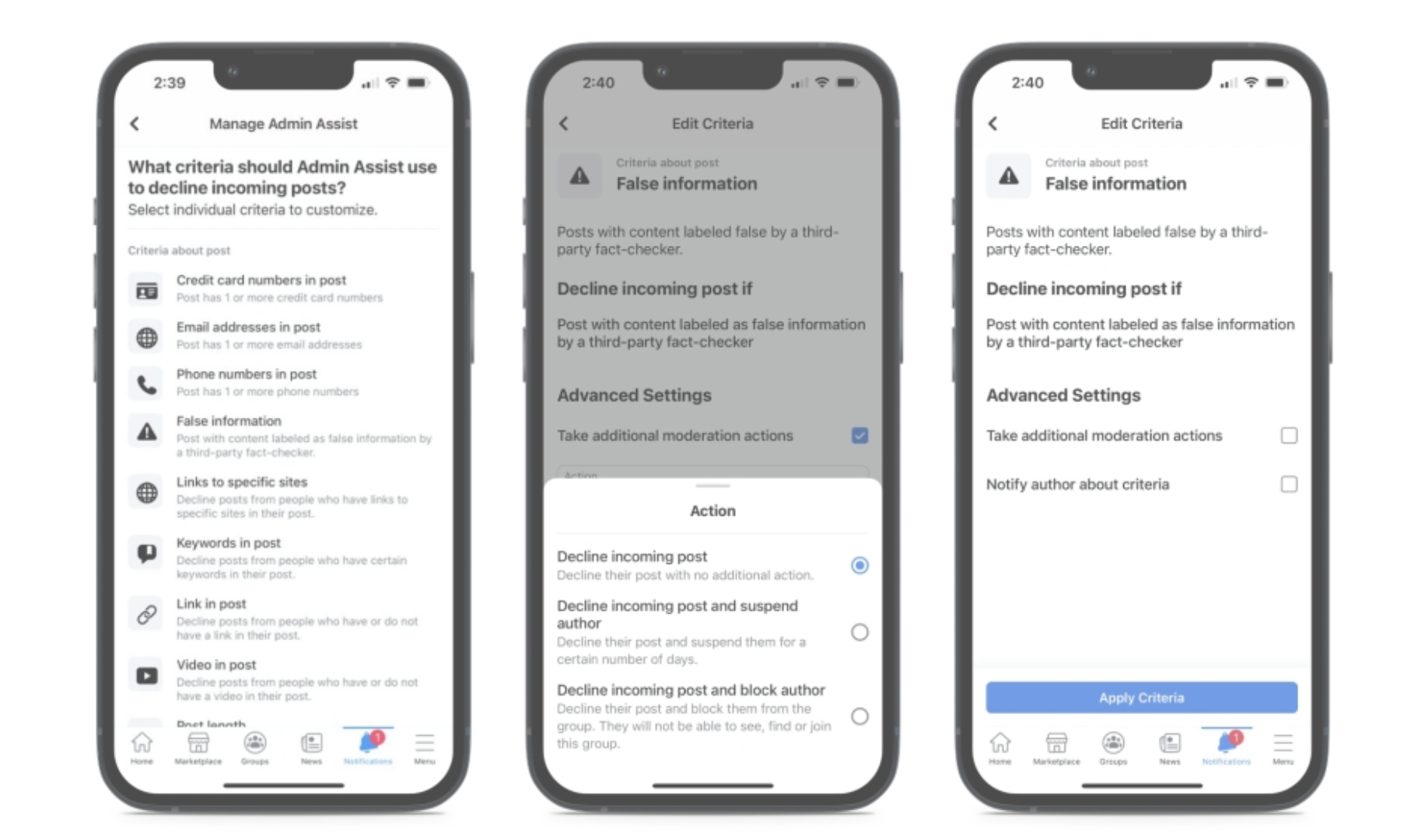
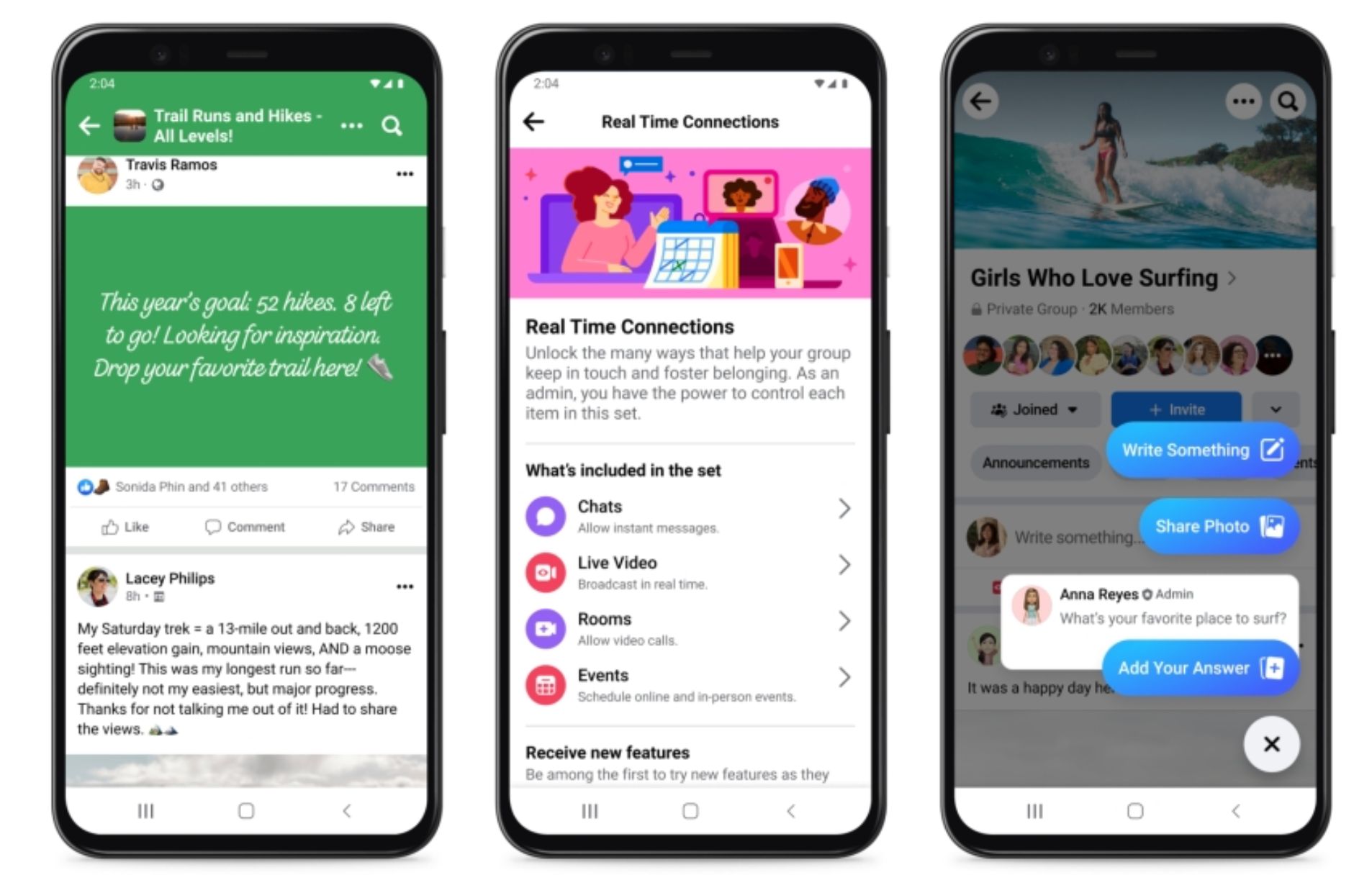
Furthermore, community-building infrastructure, specifically via Facebook Groups and specialized administrator tools, established itself as a permanent fixture for organic brand loyalty and monetization. Concurrently, investments in virtual and augmented reality technologies, despite limited immediate commercial saturation, underscored Meta’s long-term corporate commitment to the metaverse.

In summary, Meta’s operational trajectory through late 2022 established a streamlined, automation-driven framework designed to maximize campaign efficiency while reinforcing platform security and user trust. Advertisers entering 2023 were advised to embrace algorithmic targeting tools, adapt creative strategies to vertical short-form video standards, and diversify on-platform engagement funnels to maintain competitive positioning.