The final quarter of 2022 marked a pivotal juncture for Meta Platforms, capping off a tumultuous yet transformative twelve-month period characterized by sweeping operational pivots, advanced algorithmic advertising tools, and rigorous safety integrations. Throughout 2022, the tech giant navigated significant macroeconomic pressures, shifts in user consumption habits, and regulatory scrutiny by fundamentally restructuring its ecosystem. From the aggressive global rollout of Reels to the launch of native content scheduling and the consolidation of automated ad suites under the Advantage+ umbrella, Meta positioned itself to enter 2023 with a streamlined, machine learning-driven framework.
This comprehensive retrospective examines the structural changes, major feature rollouts, and strategic shifts implemented across Facebook and Instagram during the final quarter of 2022, while contextualizing these developments within Meta’s broader financial and operational trajectory.
The Strategic Shift Toward Automation and the Advantage+ Suite
As digital advertising faced mounting headwinds from privacy regulations and changing consumer behaviors, Meta accelerated its push toward artificial intelligence and machine learning. A cornerstone of this strategy was the consolidation and expansion of its automated advertising products under the Meta Advantage suite, prominently featuring Advantage+ Shopping campaigns.
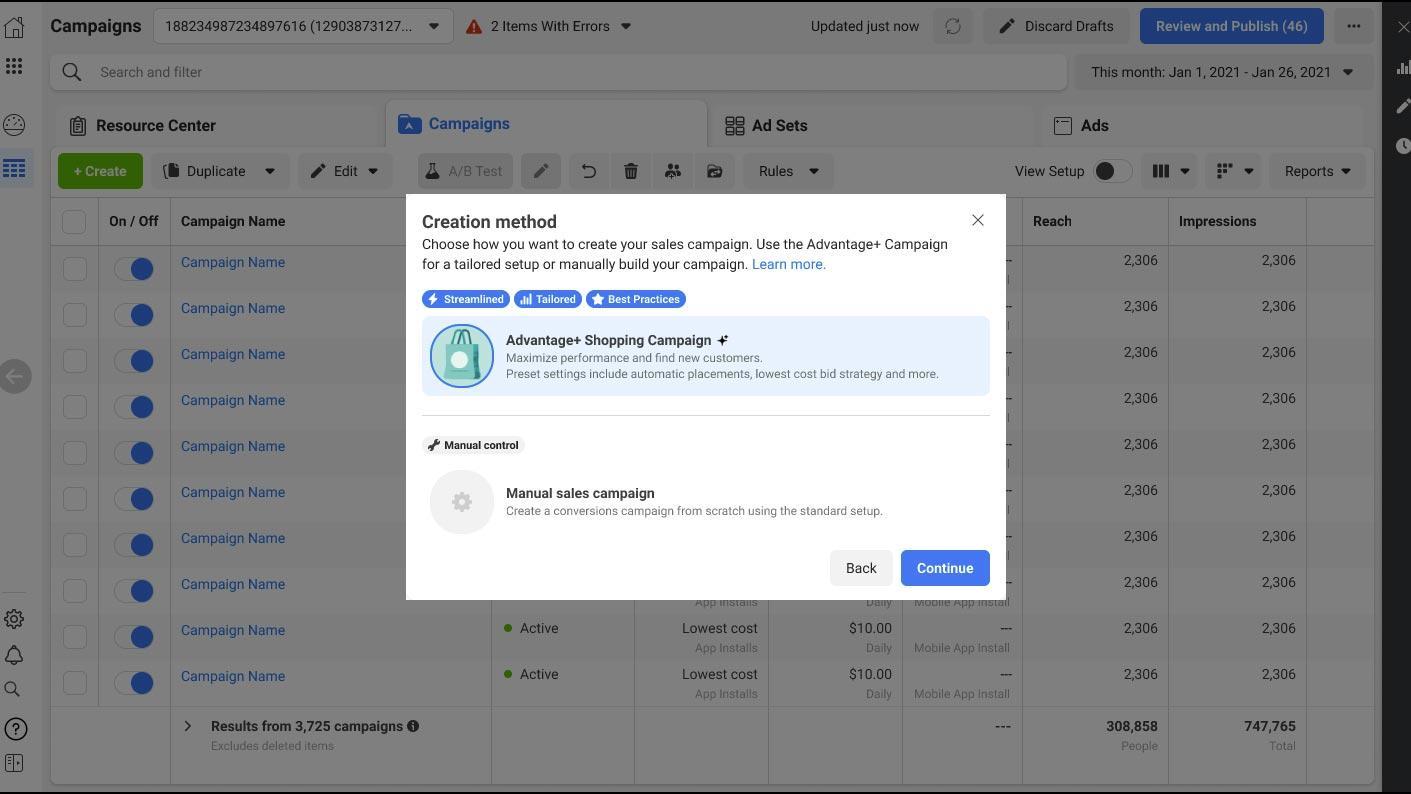
Rolled out broadly in August 2022 and heavily emphasized through the remainder of the year, Advantage+ Shopping campaigns leverage advanced machine learning to automate the labor-intensive ad creation process. According to internal data released by Meta, these campaigns demonstrated significant efficiency gains, enabling brands to generate and split-test up to 150 creative variations simultaneously. Comparative A/B testing revealed that these automated campaigns achieved a 12% lower cost-per-purchase conversion rate compared to traditional standard ad setups.
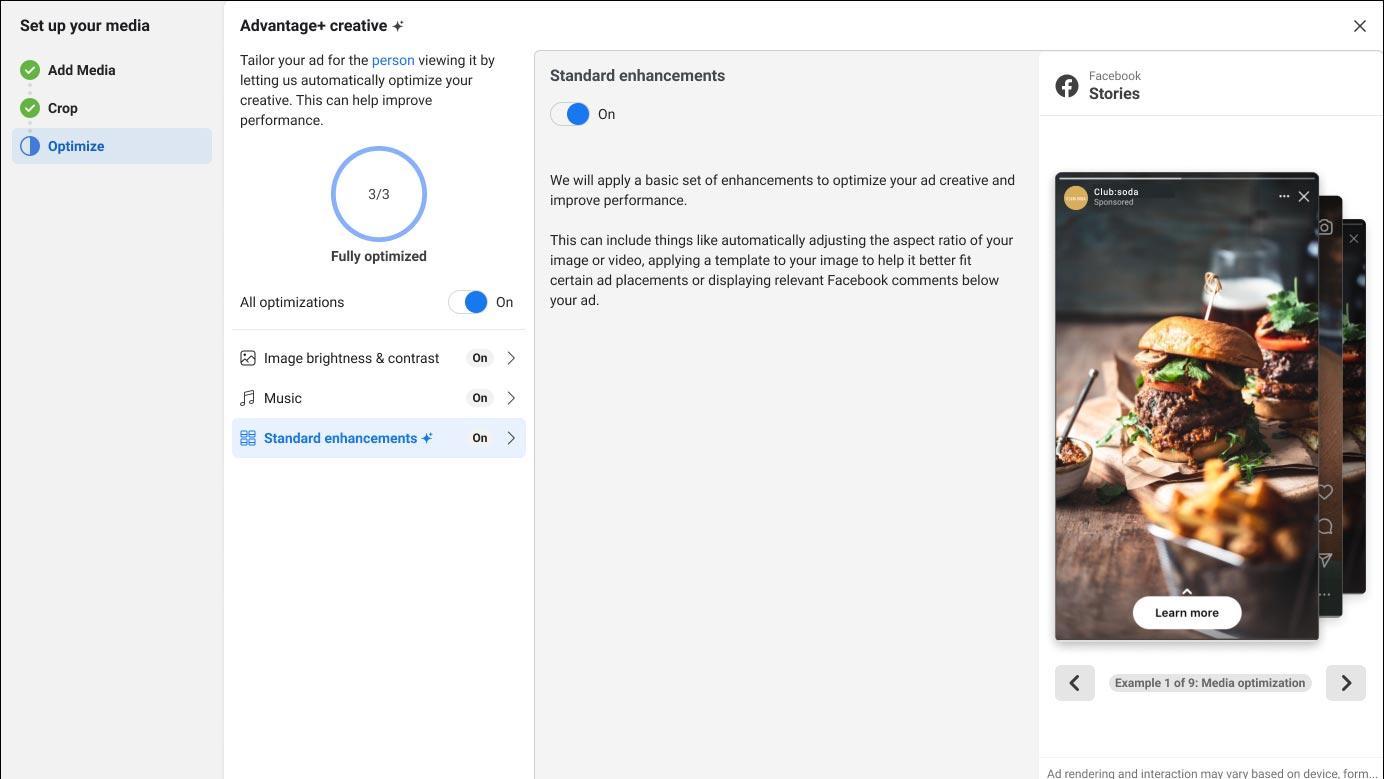
Building on this momentum, Meta expanded the Advantage suite to include Advantage+ creative, which dynamically adjusts ad elements for individual viewers based on predicted responsiveness, and Advantage audience, which constructs personalized, self-updating target segments derived from a brand’s specific Page activity. This systemic reliance on automation represents a fundamental shift in digital marketing on Meta platforms, moving away from manual, granular parameter adjustments toward algorithmic optimization.
Instagram Empowerment: Native Scheduling and Monetization Infrastructure
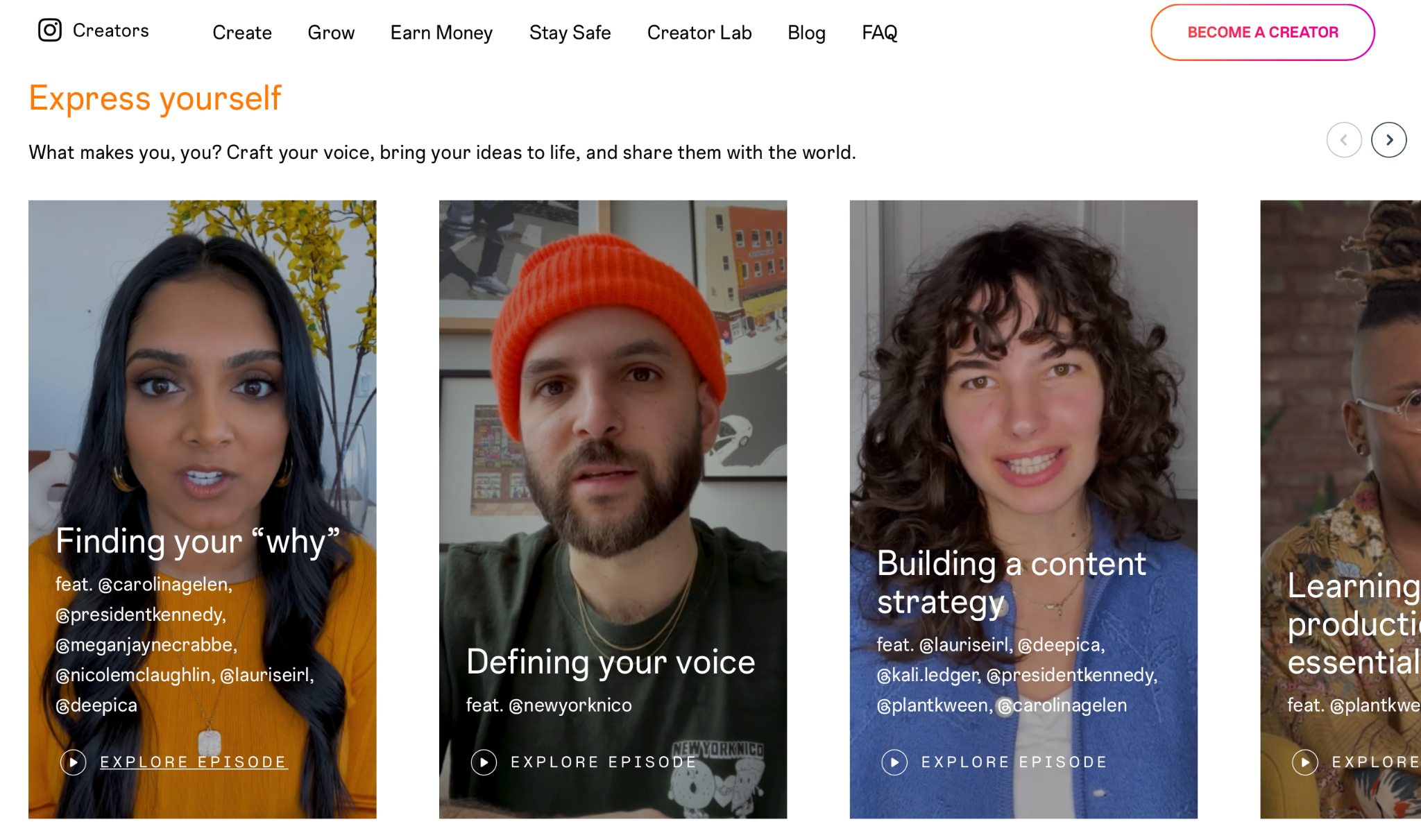
Instagram emerged as a primary engine for user engagement and commercial innovation in 2022, introducing several long-awaited tools designed to retain creators and empower businesses.
Native Content Scheduling for Professionals
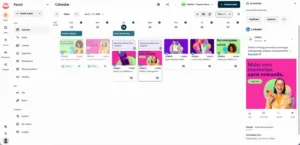
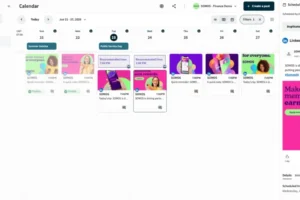
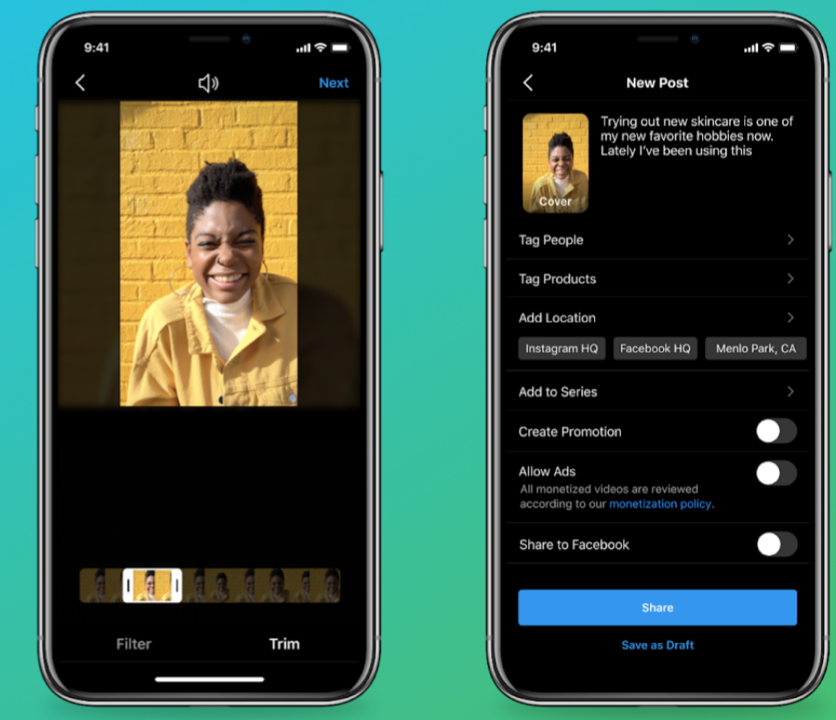
Addressing a persistent workflow friction point, Instagram introduced native content scheduling for Business and Creator accounts directly within the mobile application. Previously restricted to third-party dashboards or desktop interfaces, the new tool allowed professionals to schedule Reels, photos, and carousel posts up to 75 days in advance.

While the feature offered unprecedented operational flexibility, it came with notable limitations, such as the exclusion of product tagging, cross-posting to Facebook, and direct boosting for scheduled content upon initial publication. This rollout signaled Meta’s commitment to capturing professional content creators who prefer a mobile-first workflow without relying on external management software.
Expanding the Creator Economy and Direct Messaging Commerce
In an effort to cement its platform as the premier destination for digital creators, Meta maintained its policy of waiving revenue sharing on subscriptions, badges, and paid online events through 2024. This policy was complemented by the introduction of Instagram Subscriptions, allowing creators to establish recurring monthly income by offering exclusive content, live streams, and subscriber-only badges.

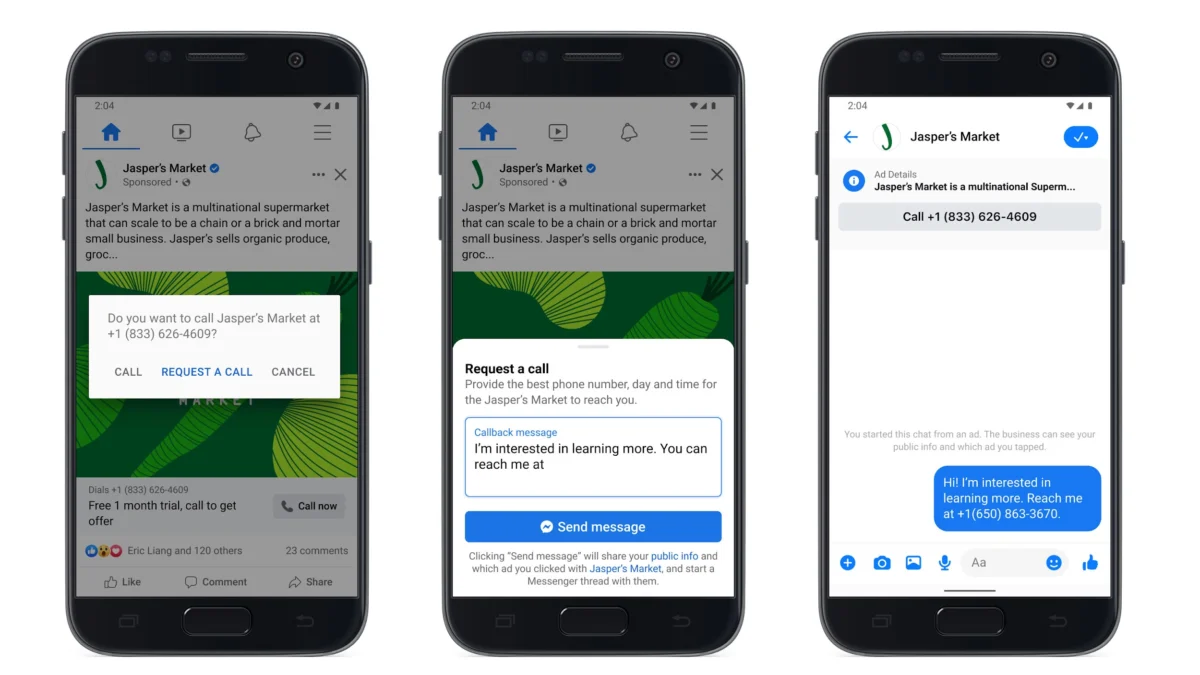
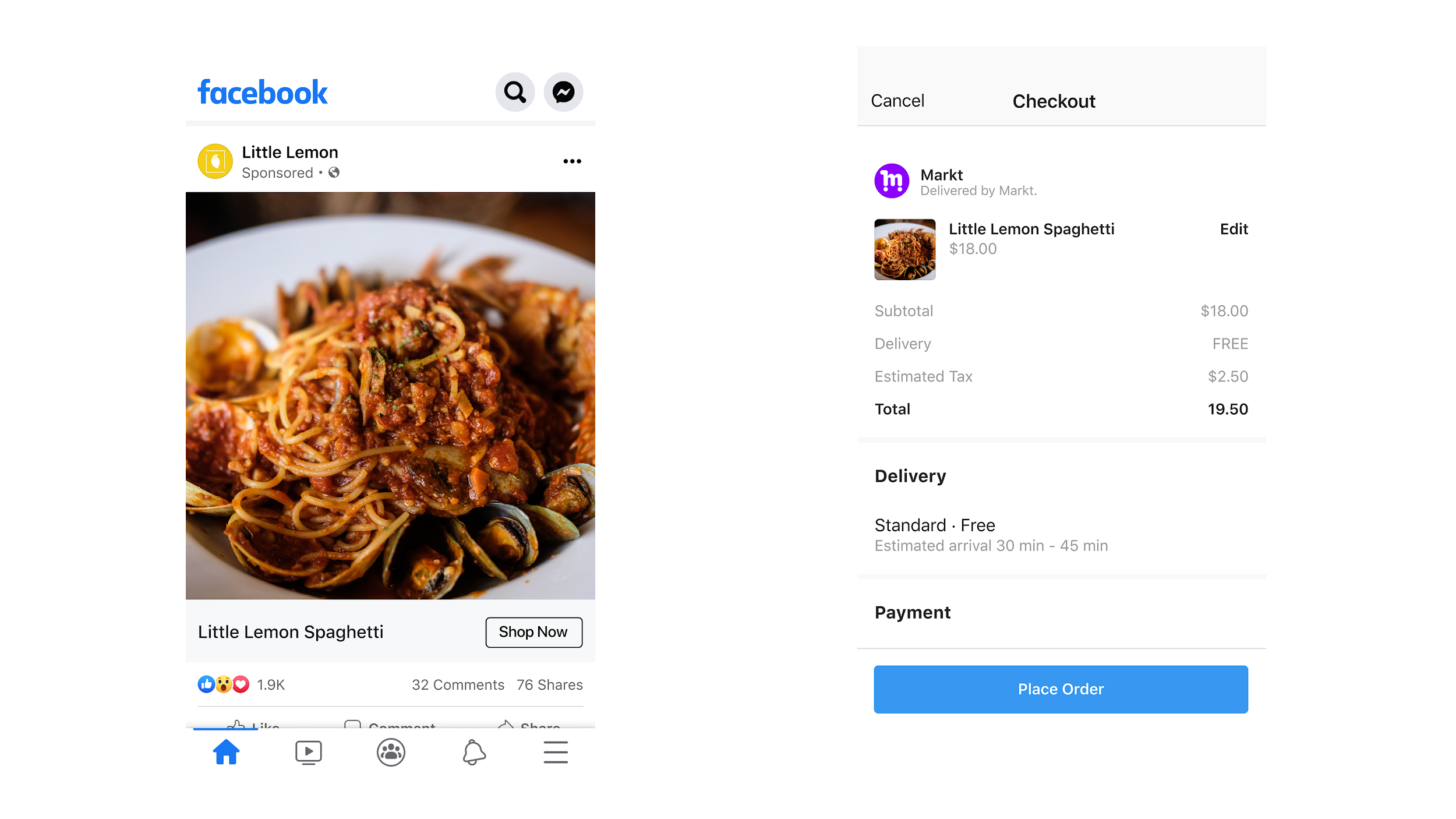
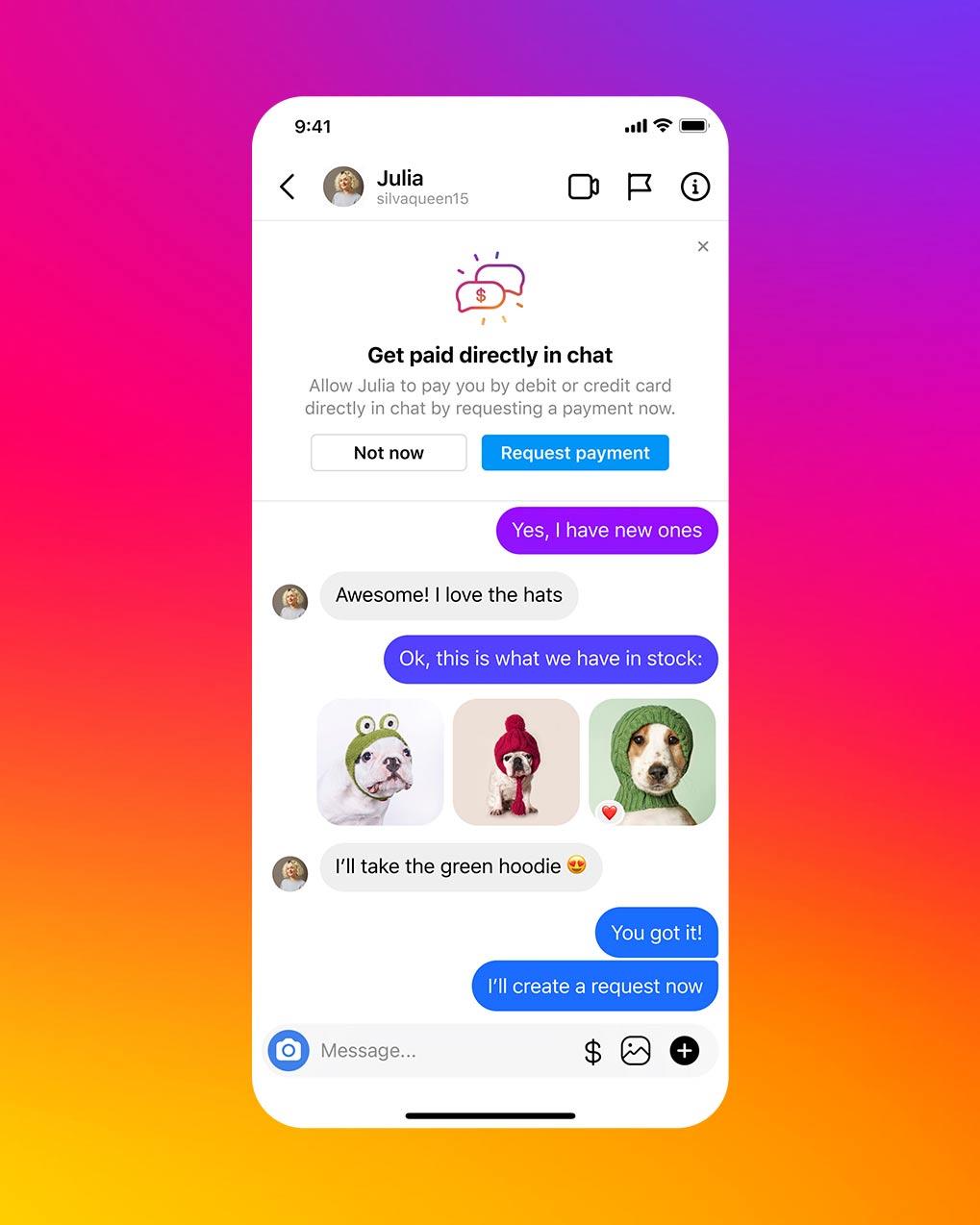
Concurrently, Instagram rolled out native payment processing directly within Direct Message (DM) chats. Eligible businesses utilizing professional accounts were granted the ability to issue payment requests, collect funds, and manage customer invoicing without requiring users to navigate away to external browsers. Supported by secure payment gateways including Meta Pay, credit cards, and PayPal, this feature bridged the gap between conversational commerce and frictionless checkout.
Content Formats: The Hegemony of Reels and the Evolution of the Feed
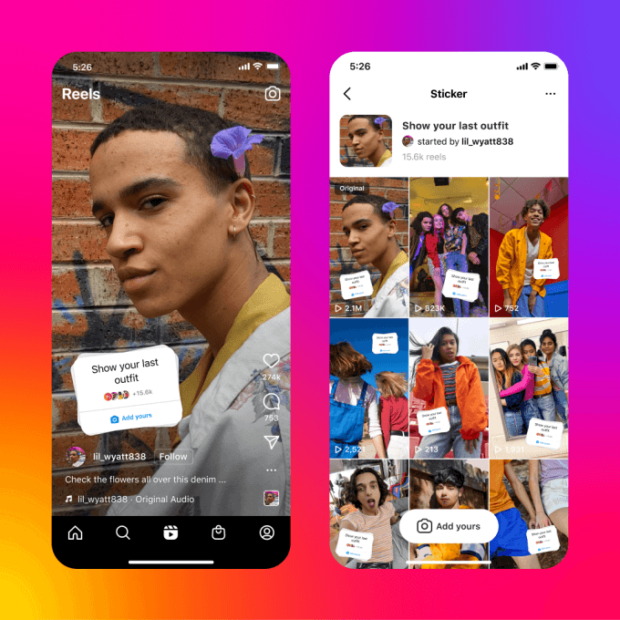
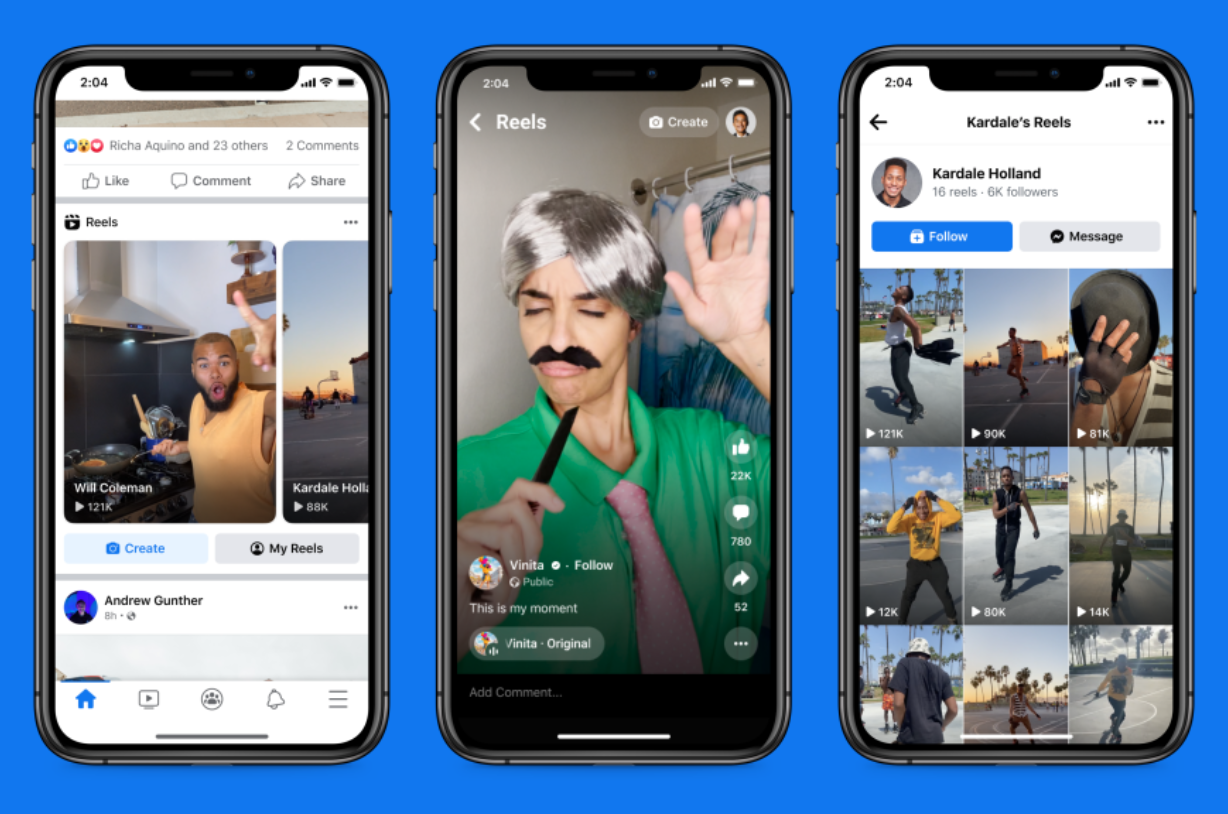
The accelerated pivot toward short-form video content remained a defining narrative of 2022. Following the massive success of TikTok, Meta systematically integrated Reels across both Facebook and Instagram, transforming them from experimental features into core content pillars.
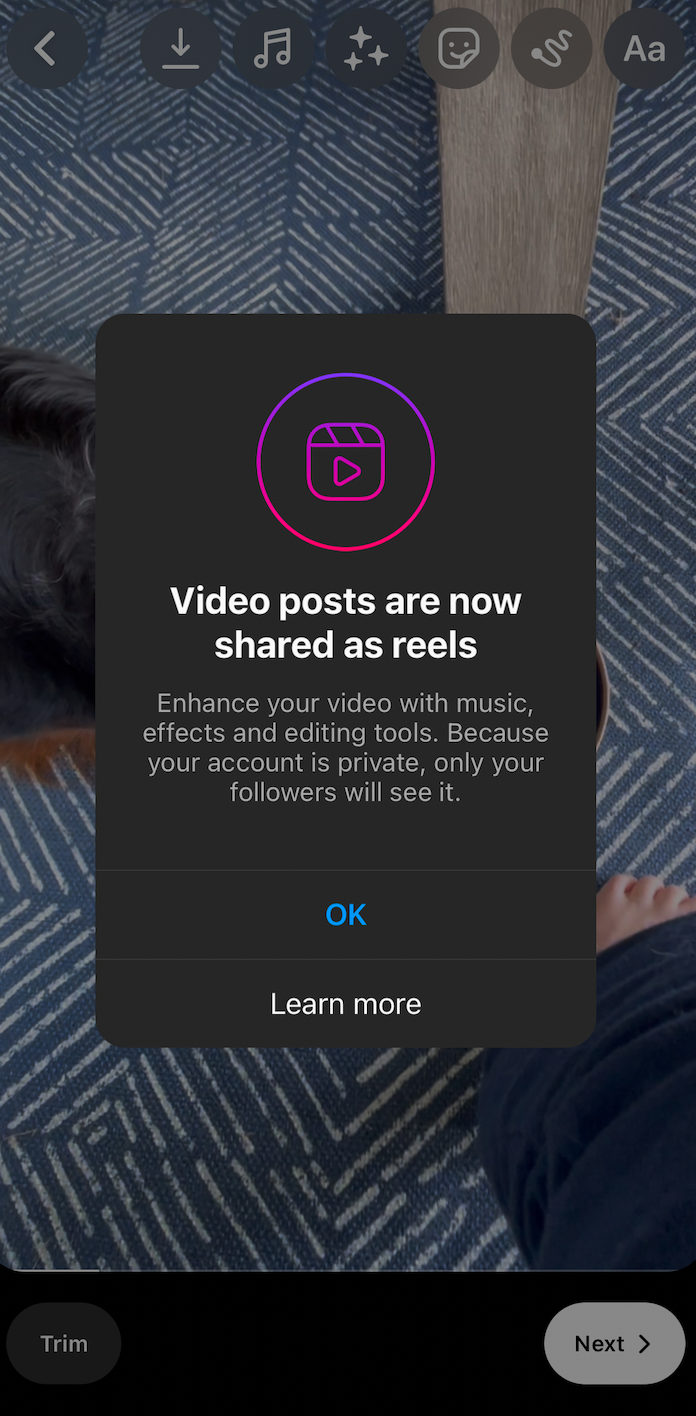
By July 2022, Instagram initiated a structural change by merging video and Reels tabs into a single profile destination and automatically converting standard video posts under 15 minutes into full-screen Reels. This shift granted all video content access to Meta’s advanced creative editing suite, audio integration libraries, and newly introduced metrics. Furthermore, Meta expanded the maximum duration of Instagram Reels to 90 seconds, providing creators and brands with extended windows for tutorial-style and narrative content.
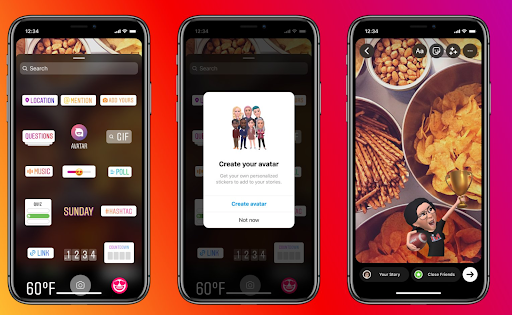
In parallel with short-form video integration, Meta sought to enhance static media by introducing the ability to attach up to 90 seconds of licensed music to in-feed photo posts. This feature leveraged the emotional resonance of audio to elevate traditional static imagery, bridging the gap between legacy photo-sharing formats and modern, multimedia-driven engagement.
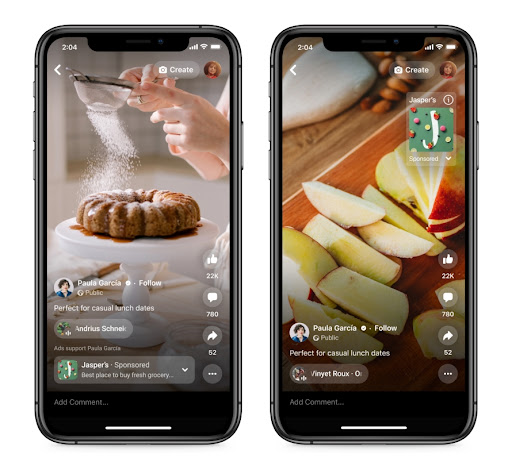
Concurrently, Facebook deployed Reels globally, introducing overlay ads and the "Stars on Reels" micro-donation monetization model. However, this aggressive prioritization of short-form video coincided with the phasing out of underperforming initiatives, most notably the closure of Facebook Live Shopping on October 1, 2022, as consumer viewing habits decisively favored algorithmic short-form feeds over real-time shopping streams.
Regulatory Compliance, Brand Safety, and Intellectual Property Protection
As digital ecosystems face increased scrutiny regarding content integrity, data privacy, and intellectual property, Meta invested heavily in validation frameworks and compliance infrastructure.
A significant milestone was achieved in November 2022 when Meta secured accreditation from the Media Rating Council (MRC) for content-level Brand Safety on Facebook. Independent audits validated Meta’s Partner Monetization Policies, Content Monetization Policies, and associated suitability controls applied to Instant Articles and In-Stream video across desktop, mobile web, and mobile app environments. This accreditation provided institutional advertisers with independent verification of brand safety standards.
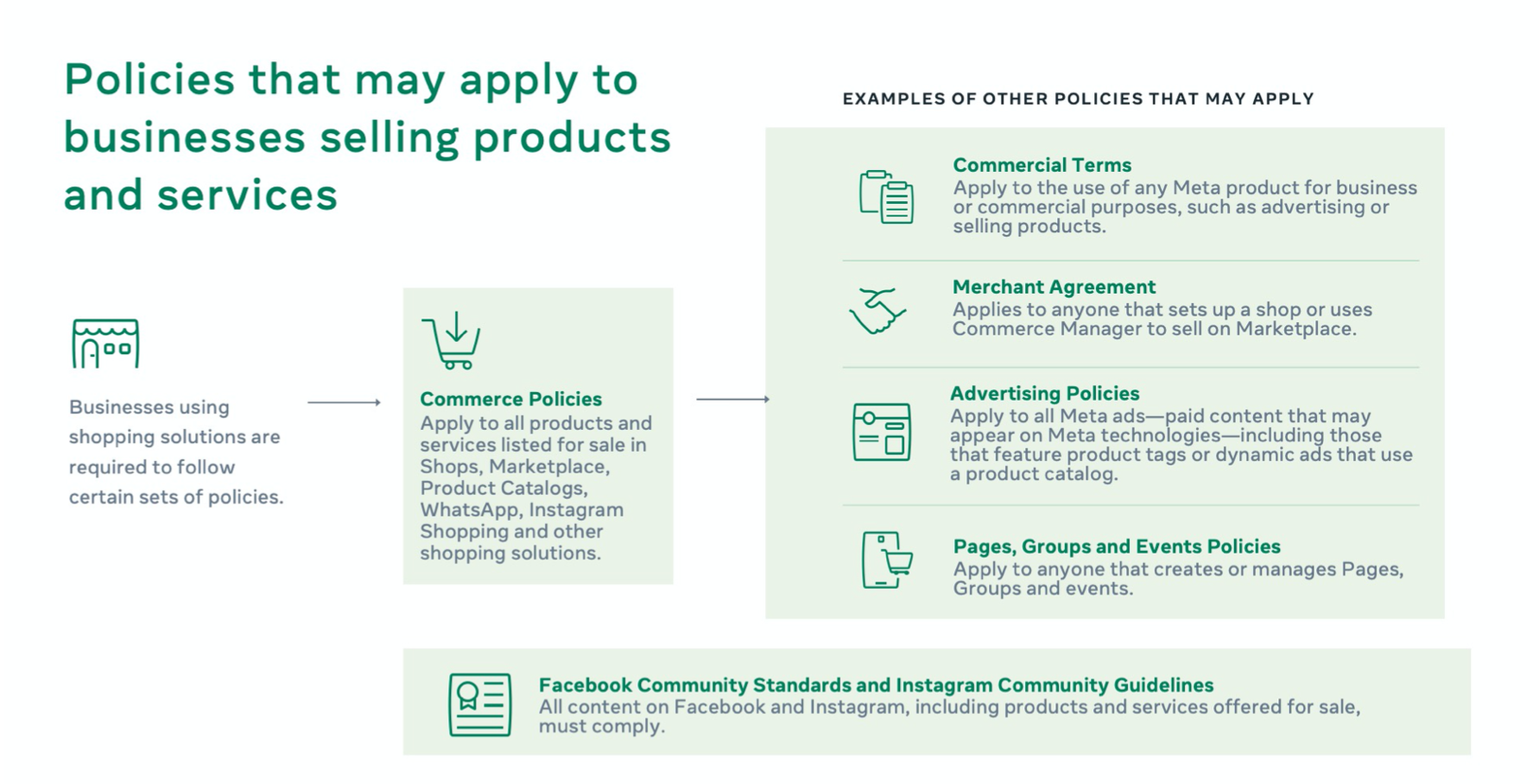
To further protect intellectual property rights holders amidst rising instances of digital content duplication, Meta launched the IP Reporting API. Integrated within the existing Graph API, the system streamlined the process for original creators and brand owners to identify and report copyright infringements, counterfeit products, and trademark violations via the Business Manager interface.
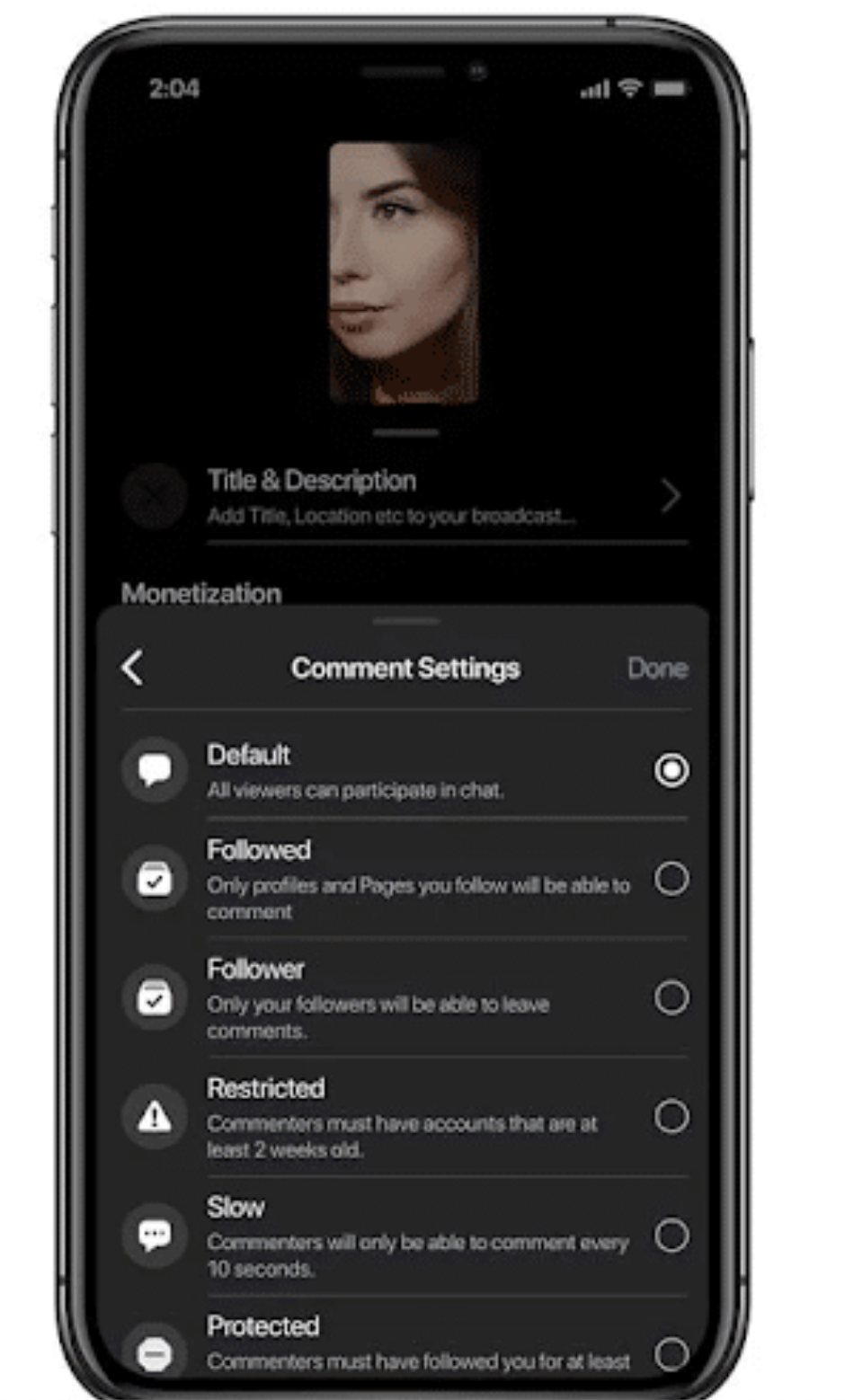
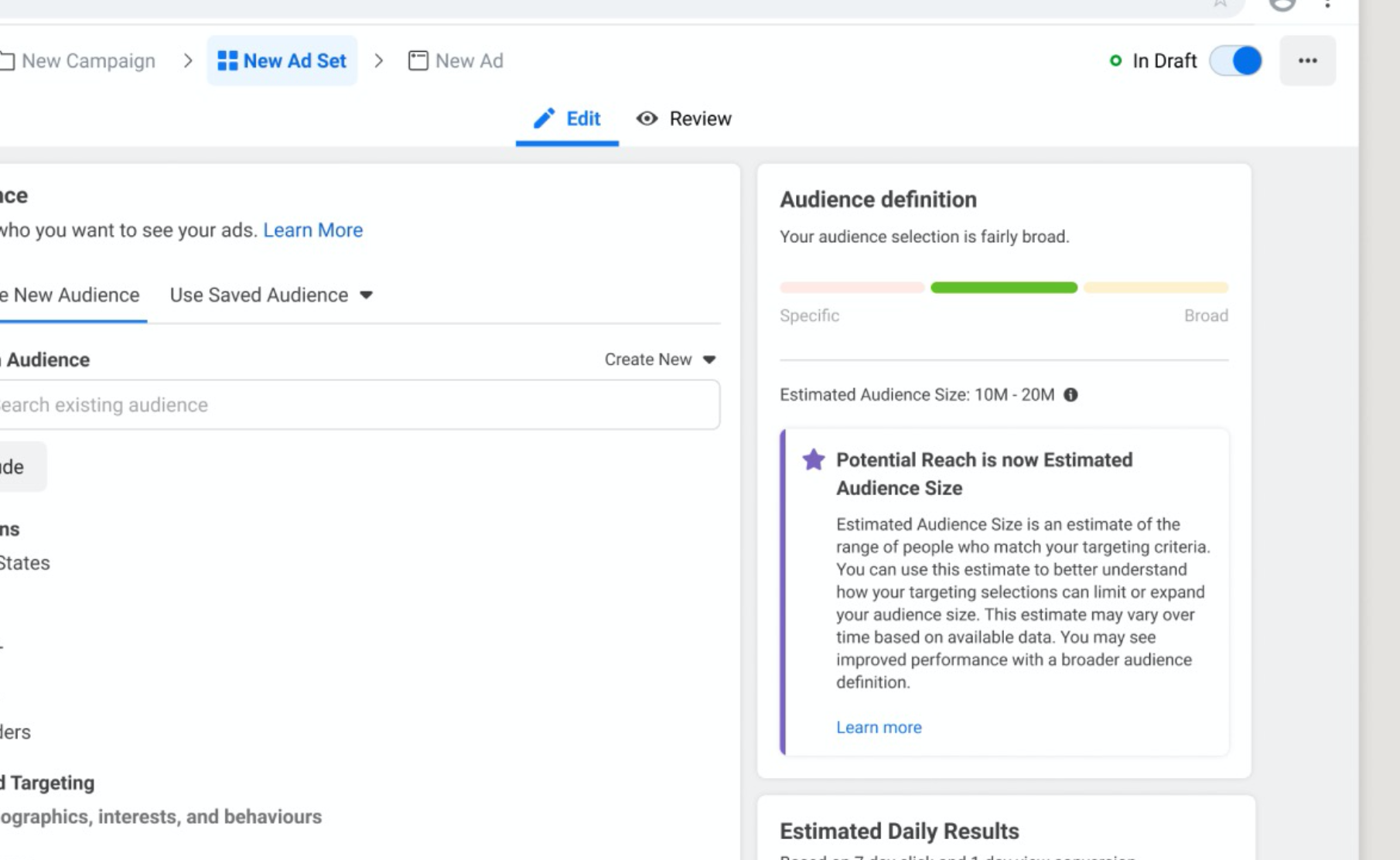
Furthermore, in response to evolving privacy landscapes—exemplified by Apple’s AppTracking Transparency (ATT) framework implemented earlier in the year—Meta restructured its audience estimation metrics. The platform transitioned from displaying precise single-digit reach numbers to estimated audience size ranges, aligning its reporting methodology with the inherent statistical realities of post-ATT data availability.
Economic Support and Community Infrastructure
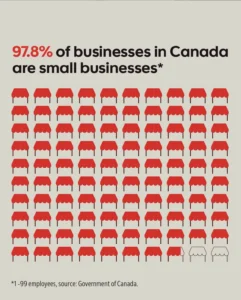
Recognizing the economic pressures faced by small and medium-sized enterprises (SMEs) during the post-pandemic recovery and inflationary periods, Meta rolled out targeted support initiatives throughout the latter half of 2022.
The launch of Small Business Studios served as an educational tour and digital resource center designed to provide on-demand video courses, live consultations, and tactical training for scaling businesses. Additionally, Meta rebranded its personalized support program as the Meta Pro Team, offering dedicated advisory services to help businesses navigate complex automated advertising configurations and budget allocations.
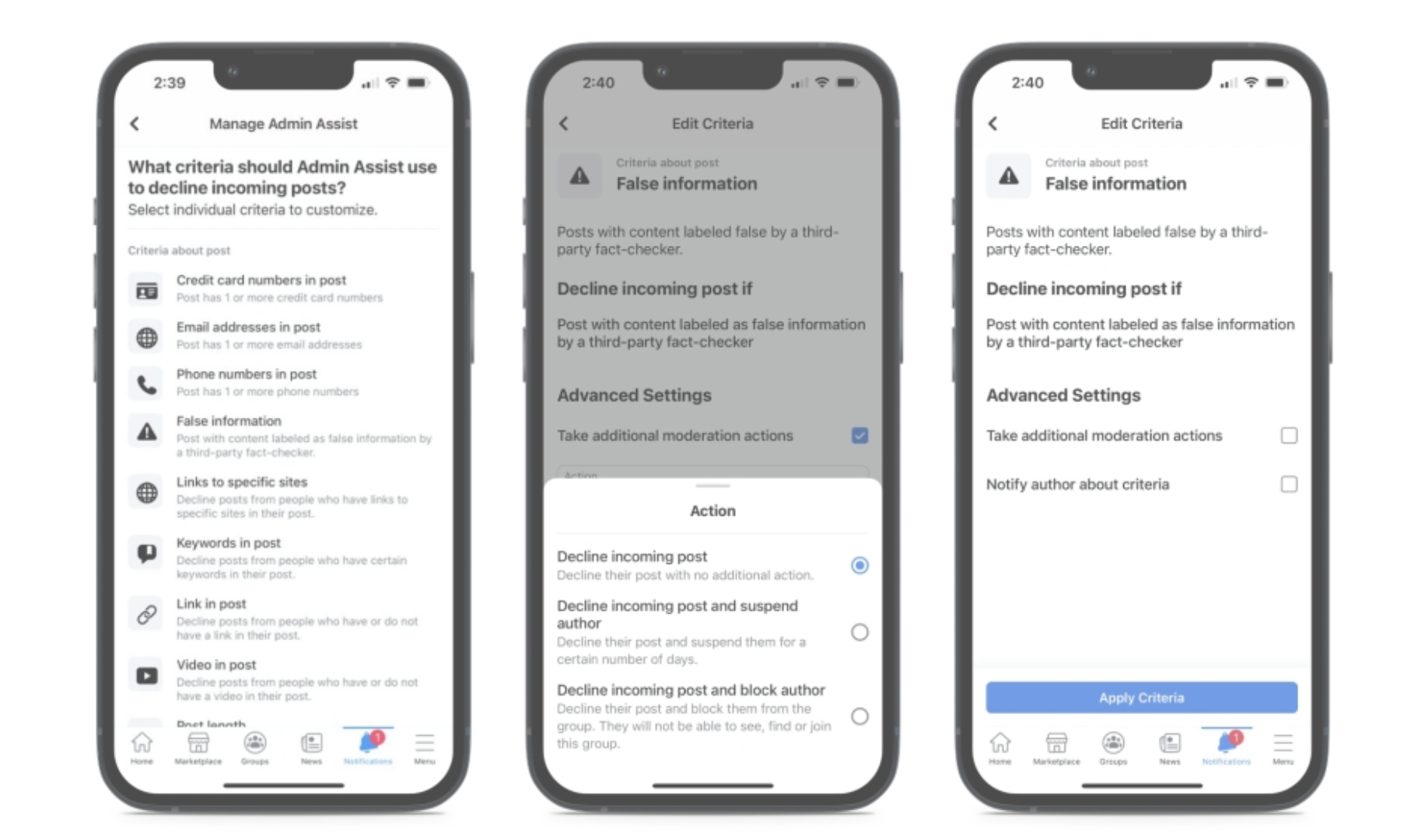
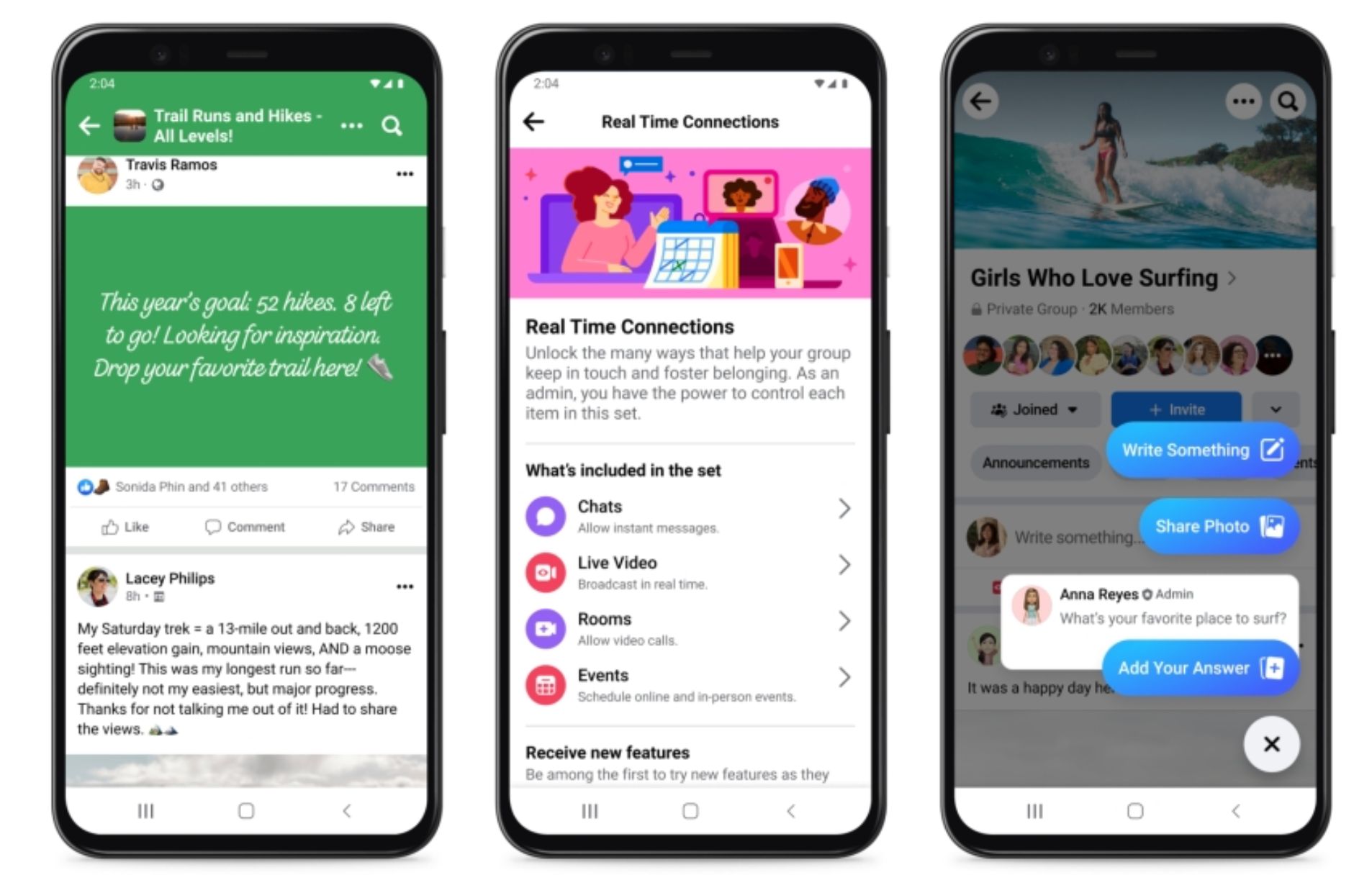
Simultaneously, Facebook continued to refine its community-building tools, heavily emphasizing Facebook Groups. Recognizing Groups as high-engagement zones for organic community nurturing, Meta introduced advanced moderator controls, expanded automated moderation via Admin Assist, and tested subscription-based group models. These features provided community administrators with robust quality control mechanisms while opening alternative revenue streams for businesses fostering dedicated online followings.
Conclusion and Outlook for 2023
The structural transformations executed by Meta throughout the fourth quarter of 2022 established a firm foundation for its operational strategy heading into 2023. By doubling down on algorithmic automation through the Advantage+ suite, integrating conversational commerce into messaging channels, standardizing short-form video formats, and securing independent brand safety accreditations, Meta successfully adapted to a complex regulatory and economic environment.
As advertisers and creators navigate 2023, the ecosystem defined by Meta is one characterized by reduced manual intervention, heightened reliance on machine learning optimization, and elevated standards for digital safety and verification. While challenges regarding attribution accuracy and shifting consumer engagement models persist, Meta’s closing moves in 2022 demonstrate a clear, technologically driven roadmap for the future of digital marketing and social media engagement.