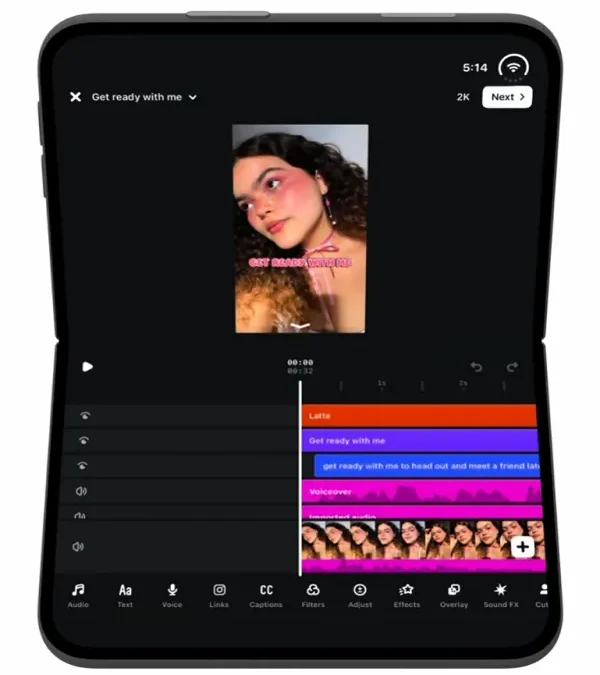
Meta has announced a major expansion of its dedicated video editing platform, Edits, introducing two significant updates aimed at enhancing the workflow for content creators across diverse hardware ecosystems. The company has officially launched a specialized version of the Edits application tailored specifically for the folding screen of the iPhone Duo, alongside providing a comprehensive first look at the long-awaited desktop iteration of the software, which is currently undergoing restricted live testing among select digital creators.
These simultaneous developments underscore Meta’s broader strategic initiative to capture a larger share of the professional and semi-professional creator market. By optimizing its editing software for both foldable mobile displays and traditional desktop workspaces, Meta is positioning Edits as a versatile, cross-platform solution capable of rivaling established desktop editing suites. Industry analysts note that as mobile content creation matures, the demand for seamless transitions between pocket-sized devices, folding screens, and full-scale computer monitors has never been more critical to user retention and content output quality.
The New iPhone Duo Integration: Leveraging Foldable Display Dynamics
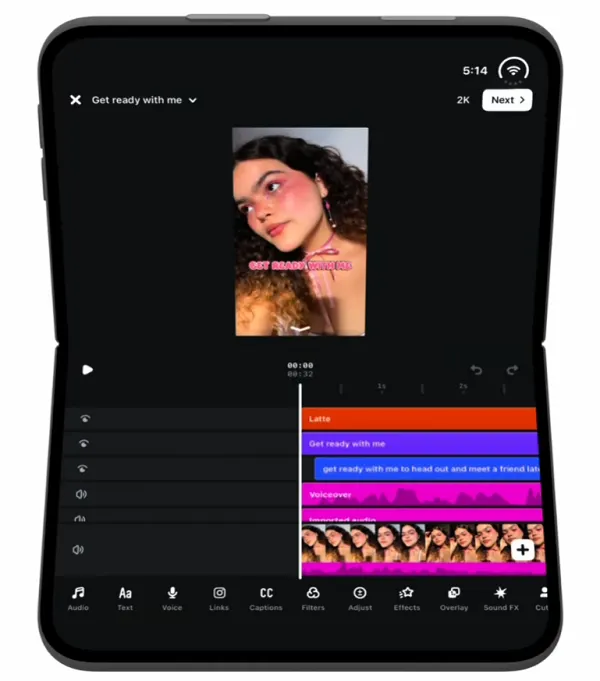
The newly released iPhone Duo version of Edits has been engineered from the ground up to exploit the unique physical and visual attributes of Apple’s folding screen technology. Unlike traditional smartphone applications that simply scale up to fit larger displays, the Duo edition features a dynamic user interface capable of fluidly translating across various formats and variable device orientations.
According to technical overviews provided by Meta, the application capitalizes on the expanded screen real estate by introducing side-by-side editing and timeline preview capabilities. This dual-pane layout grants creators significantly enhanced flexibility during the production process. Furthermore, the software intelligently adapts to both the physical screen dimensions and the central crease of the hardware, allowing creators to maintain an uninterrupted workflow regardless of whether the device is propped open horizontally, vertically, or held in a half-folded posture.
Meta representatives highlighted the functional advantages of this hardware-software synergy in an official statement, noting that the adaptive screen layout allows users to manage complex multi-track timelines and granular visual effects simultaneously without constantly switching between nested menus. This capability bridges the historical gap between mobile convenience and desktop-level precision, offering a compelling value proposition for creators who shoot, edit, and publish directly from mobile environments.
Progress on the Desktop Front: A Glimpse Into the Future of Edits
While the iPhone Duo rollout addresses the growing segment of foldable mobile devices, Meta is simultaneously advancing its footprint in traditional computing environments. The impending release of the Edits desktop app—initially teased by Meta executives in June—has reached a critical milestone, with select creators now actively testing a live version of the software.
The existence of the live desktop build came to light when creator Taylor Golub shared a detailed screenshot of the desktop interface across social media channels. The shared imagery revealed a comprehensive, multi-panel workspace layout designed to maximize productivity on large-scale monitors. Unlike mobile interfaces, which frequently rely on hidden menus and simplified slider controls to conserve screen space, the desktop alignment of Edits enables users to oversee numerous editing elements, timeline tracks, audio waveforms, and color-grading tools concurrently on a single screen.
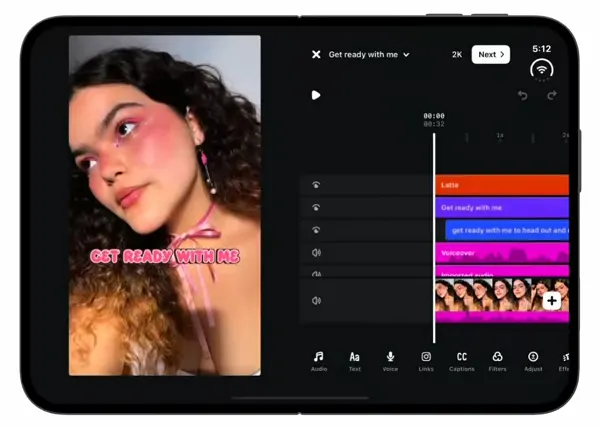
This expanded visual real estate is expected to drastically streamline the integration of various advanced creation functions within the app. By placing essential production tools within immediate eyesight and direct click range, the desktop version removes the friction historically associated with transitioning mobile-edited projects to a desktop environment for final polishing.
Leadership Perspective and Strategic Implications
The trajectory of the Edits platform has been closely monitored by Meta’s executive leadership, who view the software as a cornerstone of the company’s broader creator economy strategy. Responding directly to Taylor Golub’s social media post detailing the desktop interface, Instagram Chief Adam Mosseri offered a glimpse into the company’s long-term product roadmap. Mosseri stated that he anticipates the desktop version of Edits will serve as “a foundation for a lot of interesting features to come,” signaling that Meta intends to leverage the robust processing power of desktop systems to introduce advanced, resource-heavy capabilities in future updates.
Industry observers interpret Mosseri’s comments as an indicator that upcoming iterations of Edits may incorporate sophisticated production assistants, AI-driven editing enhancements, and cloud-based collaborative features that require the computational overhead of desktop hardware. By building a unified foundation that spans mobile, foldable, and desktop architectures, Meta is laying the groundwork for a cohesive ecosystem where creators can initiate a project on a smartphone, refine it on a foldable device like the iPhone Duo, and finalize the production on a desktop workstation without encountering file compatibility or interface hurdles.
Timeline and Chronological Context
The evolution of the Edits platform has progressed at a rapid pace over the past several months, reflecting Meta’s urgency to establish a dominant presence in the digital video editing space.
- June: Meta officially announces its intention to develop a desktop version of the Edits platform, signaling a strategic shift beyond mobile-only video production tools and hinting at future artificial intelligence production assistants.
- Interim Period: Software engineers and product development teams focus on optimizing the user interface for diverse hardware form factors, leading to the development of adaptive display algorithms for folding screen technology.
- Recent Developments: Meta officially launches the dedicated iPhone Duo version of Edits, aligning with the hardware capabilities of Apple’s latest folding device. Concurrently, select creators are granted access to a live testing environment for the desktop application, culminating in public interface leaks and executive commentary from Instagram Chief Adam Mosseri regarding the platform’s future utility.
Broader Market Impact and Competitive Landscape
The rollout of these dual updates places Meta in direct competition with established legacy software providers and nimble mobile-first editing applications alike. As platforms such as TikTok, YouTube Shorts, and Meta’s own Instagram Reels continue to drive massive engagement through short- and mid-form video content, the tools required to produce this content have evolved from simple in-app trimmers into sophisticated editing suites.
By catering to both the ultra-portable foldable market via the iPhone Duo and the high-output professional market via the desktop app, Meta is attempting to capture users across the entire production spectrum. The ability to seamlessly move between devices addresses a primary pain point for modern creators, who frequently capture footage on mobile devices, perform initial cuts on-the-go, and execute final color grading and audio mixing on desktop systems.
Furthermore, the integration of advanced hardware-specific features—such as the crease-aware UI of the iPhone Duo and the multi-panel workspace of the desktop build—demonstrates a commitment to user experience that goes beyond basic software porting. As these features transition from limited testing phases to general availability, they are expected to significantly influence how creators produce content for Meta’s family of apps and the broader digital media landscape.